The remnants of ancient enclosures, scattered across landscapes worldwide, present archaeologists with a persistent enigma. These structures, often circular or oval, formed by ditches, banks, or stone walls, are found in diverse cultural contexts and across vast stretches of time. Their sheer prevalence and the effort invested in their construction hint at significant purpose, yet the precise nature of that purpose remains fiercely debated. Were these imposing earthworks primarily designed for pragmatic defense, offering sanctuary and a bulwark against unseen threats? Or did they serve a more esoteric function, as sacred arenas for ritual, ceremony, and communal gathering, where the spiritual and the earthly intertwined? Unraveling this mystery requires a multidisciplinary approach, scrutinizing architectural features, archaeological evidence, and ethnographic parallels, to understand whether these ancient enclosures were fortresses of stone and soil or sacred grounds of profound spiritual meaning.
The Tangible Evidence of Construction and Form
The physical characteristics of ancient enclosures offer the most immediate clues to their potential function. The scale of many of these structures is undeniable. Vast ring ditches, sometimes hundreds of meters in diameter, and substantial ramparts, indicative of considerable labor and planning, suggest an undertaking that transcended the mundane. The construction methods themselves can speak volumes. The presence of carefully engineered ditches, sometimes with multiple fosse and palisades, implies a desire for robust barriers. Similarly, the positioning of entrances, often narrowed and strategically located, could be interpreted as defensive choke points or as symbolic gateways.
Examining Defensive Stratigraphy
The layers within the ditches and banks of an enclosure can be particularly revealing. The presence of discarded weaponry, evidence of fire or violent destruction, and even human remains bearing marks of combat would strongly support a defensive interpretation. Conversely, the absence of such material, or the discovery of artifacts suggesting peaceful activities, might point away from a purely military purpose. The depth and width of ditches, the height and steepness of ramparts, and the inclusion of internal features like stockades or defensive walls all contribute to a picture of how resilient the enclosure was intended to be. The analysis of soil strata can also reveal periods of construction, abandonment, and potential reoccupation, offering a chronological framework for understanding their use. Furthermore, the orientation of entrances and their relationship to the surrounding topography can be examined. Are they positioned to offer the best vantage points for observation or to control access effectively? Or do they align with celestial bodies or significant landscape features, hinting at a ritualistic purpose?
The Archaeology of Internal Spaces
Once inside an enclosure, the nature of the internal features becomes paramount. The discovery of dwellings, workshops, or storage facilities would lend weight to the idea of a settled community seeking protection. However, the absence of such domestic evidence, or the presence of unusual features like hearths arranged in specific patterns, elaborate post-hole constructions, or pits containing votive offerings, would suggest a different narrative. Many enclosures contain central mounds or platforms, the function of which is often debated. Were these platforms for important leaders to survey their domain, or were they stages for ritual performances, sacrifices, or public pronouncements? The distribution of artifacts within the enclosure, whether concentrated in specific areas or spread evenly, can also offer insights. Are certain items, such as tools or pottery, found in logical domestic contexts, or are they clustered in ways that suggest ritual deposition?
The debate surrounding ancient enclosures and their role in defense mechanisms has long fascinated historians and archaeologists alike. A related article that delves into modern parallels of defense strategies can be found at this link: AI’s Role in Autonomous Space Defense. This piece explores how contemporary technologies are reshaping our understanding of defense, drawing intriguing connections to the historical practices of fortification and enclosure used by ancient civilizations.
The Ritualistic Interpretations of Sacred Landscapes
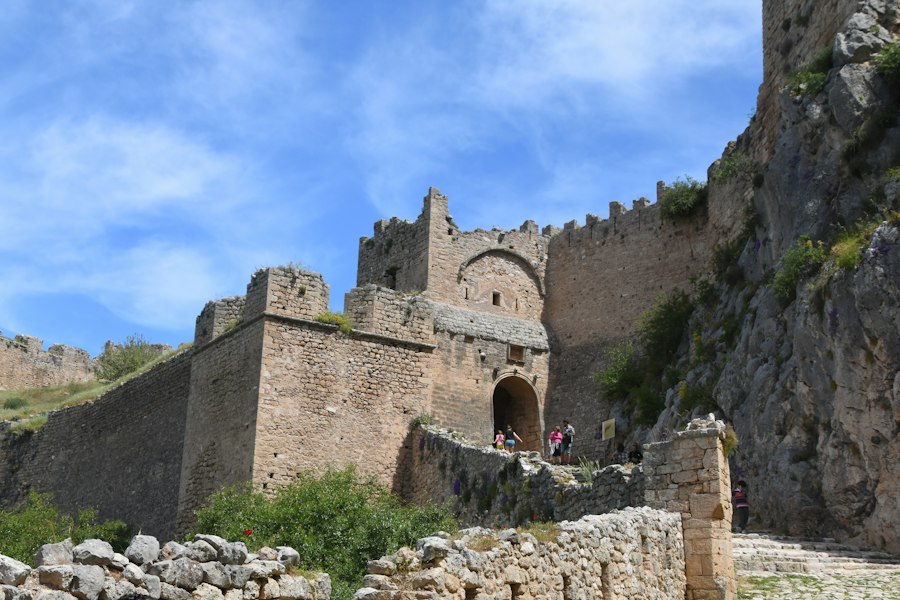
Beyond the purely utilitarian, many ancient enclosures resonate with a sense of the sacred. The monumental effort invested in their construction, the careful alignment with astronomical phenomena, and the discovery of objects associated with ceremony and belief all point towards a deep spiritual dimension. These sites may have served as focal points for communal identity, where shared rituals reinforced social bonds and connected people to the cosmos and their ancestors.
Celestial Alignments and Astronomical Significance
A recurring theme in the study of ancient enclosures is their potential alignment with celestial events. Many sites are precisely oriented to mark the solstices, equinoxes, or the rising and setting of particular stars. The famous example of Stonehenge, with its Heel Stone marking the summer solstice sunrise, is just one prominent illustration of this phenomenon. Such alignments suggest a sophisticated understanding of astronomy and a desire to integrate human activity with the rhythms of the cosmos. These orientations would have been crucial for agricultural calendars, determining planting and harvesting times, but they also carried profound spiritual weight, linking earthly existence to the divine. The careful observation and prediction of celestial movements could have been central to religious ceremonies, determining auspicious times for important events and reinforcing a worldview deeply connected to the heavens. The interpretation of these alignments is complex, however, as accidental correlations can occur, and the specific astronomical knowledge of ancient peoples is not always fully understood.
Symbolic Gateways and Liminal Spaces
The entrances to many ancient enclosures are not merely functional points of ingress and egress but appear to have held symbolic significance. Often narrowed, sometimes marked by standing stones or elaborate earthworks, they suggest a transition from the ordinary world to a sacred or special space. These gateways can be seen as liminal zones, places of transformation where individuals or groups entered a different state of being. The act of passing through such a threshold could have been a crucial element of rituals, marking a separation from the mundane and an immersion into the spiritual. The careful design and placement of these entrances, sometimes facing specific directions or aligning with prominent landscape features, further enhances their symbolic power. They may have represented the passage between the living and the dead, the earthly and the divine, or the individual and the community. The deliberate creation of these transitional spaces underscores the potential ritualistic importance of the enclosure as a whole, not just its internal functions.
Evidence of Votive Offerings and Religious Practices
The discovery of artifacts that are unlikely to have had a practical, everyday function is often interpreted as evidence of religious or ritualistic activity. This can include carefully crafted objects, precious materials, or items that show signs of deliberate breakage or deposition. Pits containing large quantities of animal bones, particularly those of specific species or showing signs of ceremonial butchery, can indicate feasting or sacrifice. The presence of human remains, especially those interred in specific ways or accompanied by grave goods, can also shed light on burial practices and beliefs about the afterlife. The accumulation of artifacts in specific locations within an enclosure, such as at the base of monuments or within ceremonial pits, further suggests deliberate offerings intended to appease deities, honor ancestors, or mark significant spiritual events. While some of these offerings might have served practical purposes within a ritual context (e.g., food for a feast), their nature and deposition often point towards a deeper symbolic and religious intent.
The Context of Defense: Practicalities and Possibilities
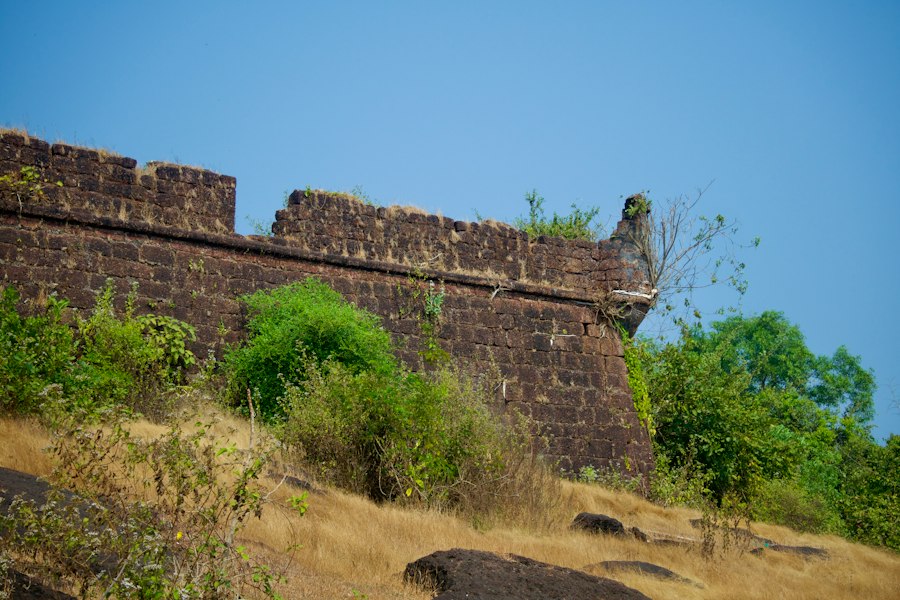
While the ritualistic interpretations are compelling, the possibility of defensive function cannot be discounted. In societies where inter-group conflict was a reality, or where access to resources was contested, the construction of fortified sites would have been a logical and necessary undertaking. The physical characteristics of some enclosures strongly suggest a military purpose, designed to withstand attack and protect inhabitants.
Strategic Location and Defensive Architecture
The choice of location for many ancient enclosures is often strategic, situated on high ground, hilltops, or commanding natural features that offer advantageous defensive positions. The presence of steep natural slopes, cliffs, or bodies of water could have been incorporated into the defensive scheme, reducing the need for extensive artificial fortifications. The construction of ramparts and ditches, particularly when deep and wide, and the addition of palisades or stone walls, are all indicative of a desire to create physical barriers against attackers. The complexity of the earthworks, with multiple defensive lines or internal subdivisions, further suggests a layered approach to security. The entrances, as mentioned, could have been designed as bottlenecks, making them easier to defend and control. The size of the enclosure can also be a factor; larger enclosures might have served as refuges for entire communities, while smaller ones might have been individual homesteads or strategic outposts. The study of the surrounding landscape, including the presence of other settlements or known conflict zones, can help to contextualize the defensive potential of a particular enclosure.
Evidence of Conflict and Siege Warfare
Direct evidence of conflict, such as projectile points embedded in defenses, human remains showing signs of violent injury, or widespread evidence of burning and destruction, would strongly support a defensive interpretation. However, such evidence is not always present or easily identifiable. The absence of obvious signs of violence does not necessarily negate a defensive purpose, as some enclosures may have never been attacked, or evidence of conflict may have eroded over time. The study of siege warfare techniques from contemporary or later periods can also provide a framework for understanding how these enclosures might have been breached or defended. The presence of internal features that could have served defensive roles, such as parapets, firing platforms, or internal divisions designed to compartmentalize an attack, would further strengthen the argument for a defensive function. Archaeological investigations of adjacent areas might also reveal evidence of attacking forces, such as temporary camps or discarded siege equipment, further corroborating the defensive hypothesis.
Social and Political Implications of Fortification
The construction and maintenance of fortified enclosures would have had significant social and political implications for ancient communities. The ability to organize and mobilize labor for such large-scale projects indicates a degree of social cohesion and hierarchical organization. Fortifications could have served as symbols of power and authority, demonstrating the leader’s capacity to protect their people. They might have also played a role in territorial control and the assertion of dominance over neighboring groups. The presence of a defensible settlement could have attracted people seeking safety and security, leading to population growth and the development of social stratification. Conversely, if enclosures were primarily for defense, it implies a society where inter-group tensions were high, and the constant threat of violence shaped daily life and decision-making. The social structure, economic capabilities, and political landscape of the time would all have influenced the decision to build and utilize these impressive structures.
Blurring the Lines: The Multifaceted Nature of Ancient Enclosures
Increasingly, archaeologists are recognizing that the dichotomy between defense and ritual may be an oversimplification. Many ancient enclosures likely served multiple purposes, adapting to the evolving needs and beliefs of the communities that built and used them. The very act of gathering for ritual could have fostered a sense of unity and mutual defense, while a defended settlement could have also served as a focal point for communal ceremonies.
The Dual-Purpose Hypothesis
The idea that many enclosures served a dual purpose is gaining traction. A site might have been strategically located and fortified to provide protection, but within its walls, it also served as a center for religious and social gatherings. The same ramparts and ditches that offered physical security could have also defined sacred space, separating the mundane from the special. Communal ceremonies performed within these protected areas would have reinforced social bonds and a shared sense of identity, making the community more resilient both physically and culturally. For example, a harvest festival held within a fortified enclosure might have been a time for both thanksgiving and a demonstration of collective strength. The very act of gathering for ritual could have also served as a form of deterrence, showcasing the community’s unity and capacity to mobilize. This interpretation acknowledges the complexity of ancient societies and their ability to integrate seemingly disparate functions into single, significant structures.
Evolution of Function Over Time
It is also crucial to consider that the function of an enclosure may have evolved over time. A site initially built for purely defensive purposes might have later been repurposed as a ceremonial center as threats diminished or societal needs shifted. Conversely, a sacred site might have been fortified in response to increased conflict. The archaeological record can sometimes reveal these transitions through changes in construction, the deposition of artifacts, and evidence of abandonment and reoccupation. Understanding the historical trajectory of a site is key to appreciating its multifaceted nature. For instance, a long-abandoned defensive fort might later become a place of pilgrimage or ancestral reverence, with new ritualistic practices emerging within its ancient walls. This dynamic evolution underscores the adaptability of these structures and their capacity to remain significant across generations, even as their primary roles transformed.
Ethnographic Parallels and Analogues
To better understand the potential functions of ancient enclosures, archaeologists often look to ethnographic parallels – the study of contemporary or historically documented societies with similar cultural practices. While direct comparisons must be made with caution, insights from cultures that utilize communal spaces for both defense and ritual can be illuminating. Many indigenous societies, for example, have historically maintained fortified villages that also served as centers for ceremonies, political gatherings, and communal storytelling. Observing how these societies integrate defense and ritual can offer a valuable lens through which to interpret the archaeological evidence from ancient sites. These parallels can help to illuminate the social dynamics, belief systems, and practical considerations that might have influenced the construction and use of ancient enclosures, suggesting that the perceived separation between “defense” and “ritual” might not have been as rigid in the past as it appears today.
The ongoing debate surrounding ancient enclosures and their role in defense strategies has garnered significant attention from historians and archaeologists alike. A related article discusses how various cultures employed similar tactics to protect their territories, highlighting the intricate designs of fortifications that have stood the test of time. For those interested in exploring this topic further, you can read more about it in this insightful piece on defensive structures and their historical significance.
The Ongoing Quest for Understanding
| Aspect | Description | Key Debate Points | Examples | Scholarly Opinions |
|---|---|---|---|---|
| Purpose of Enclosures | Structures built around settlements or areas in ancient times | Defense against enemies vs. social or ritual boundaries | Stonehenge, Cahokia, Jericho Walls | Some argue primarily defensive, others suggest symbolic or economic functions |
| Construction Materials | Varied from earthworks, stone, wood, to palisades | Durability indicating military intent vs. temporary social markers | Wooden palisades at ancient hillforts, stone walls at Mycenae | Material choice influenced by available resources and intended use |
| Scale and Complexity | Size and engineering complexity of enclosures | Larger, complex enclosures suggest organized defense vs. communal gathering | Great Zimbabwe, Maiden Castle | Complexity often linked to social hierarchy and control |
| Archaeological Evidence | Artifacts and signs of conflict or peaceful use | Presence of weapons and damage vs. absence indicating non-military use | Fortified sites with arrowheads vs. ceremonial enclosures without weapons | Mixed evidence leads to ongoing debate about primary function |
| Chronology | Time periods when enclosures were built | Early Neolithic to Iron Age constructions | Jericho (Neolithic), Hillforts (Iron Age) | Function may have evolved over time from defense to social purposes |
The debate surrounding ancient enclosures is far from settled. Each new excavation, each refined analytical technique, brings us closer to understanding these enigmatic structures, but definitive answers remain elusive. The challenge lies in the inherent limitations of interpreting the distant past, where evidence is often fragmented and the minds of ancient peoples are inscrutable.
Methodological Challenges and Future Directions
The interpretation of ancient enclosures is hampered by several methodological challenges. The preservation of organic materials is often poor, making it difficult to reconstruct wooden structures or analyze food remains. Dating methods, while improving, can still provide broad chronological ranges, making it hard to pinpoint specific periods of activity or change. The potential for disturbance by later human activity or natural processes can also complicate interpretation. Future research will likely focus on advanced techniques such as high-resolution aerial and satellite imagery for landscape analysis, geophysical surveys to map subsurface features without excavation, and isotopic analysis of human and animal remains to understand diet, movement, and relationships. The integration of diverse datasets, from environmental archaeology to genetic studies, will also be crucial in building a more holistic picture. Furthermore, interdisciplinary collaboration, bringing together archaeologists, anthropologists, historians, and scientists, will be vital in tackling the complex questions posed by these ancient monuments. The development of digital reconstruction and virtual reality technologies may also offer new ways to visualize and experience these sites, aiding in their interpretation.
The Enduring Power of Enigmatic Structures
Despite the ongoing debate, the enduring power of these ancient enclosures lies in their ability to captivate our imagination and connect us to our distant past. Whether seen as formidable fortresses or sacred arenas, they represent a significant investment of human effort and ingenuity, reflecting the values, beliefs, and challenges of the societies that created them. They stand as silent testaments to the human drive to build, to protect, and to connect with something larger than oneself. The mystery that surrounds them is, in part, what makes them so compelling, inviting continued exploration and fostering a deeper appreciation for the complexity and ingenuity of ancient civilizations. The quest to unravel their secrets continues, driven by a desire to understand not just what these structures were, but what they meant to the people who lived and died by their sides.

They Found a 4,000-Year-Old Defense Line in Morocco
FAQs
What is an ancient enclosure or defense?
An ancient enclosure or defense refers to a structure built in ancient times to protect a settlement, city, or important site from external threats such as invasions or attacks.
What materials were commonly used to build ancient enclosures or defenses?
Ancient enclosures or defenses were typically constructed using materials such as stone, wood, earth, and sometimes a combination of these elements to create walls, ramparts, and other fortifications.
What were some common features of ancient enclosures or defenses?
Common features of ancient enclosures or defenses include walls with defensive towers, gates for entry and exit, moats or ditches for added protection, and sometimes additional structures like watchtowers or bastions.
What were the main purposes of ancient enclosures or defenses?
The main purposes of ancient enclosures or defenses were to provide protection and security for the inhabitants of a settlement or city, to deter potential attackers, and to serve as a strategic military stronghold in times of conflict.
How do archaeologists and historians study ancient enclosures or defenses?
Archaeologists and historians study ancient enclosures or defenses through a combination of fieldwork, excavation, analysis of artifacts and structures, comparison with historical records, and sometimes through the use of modern technologies like LiDAR scanning to uncover hidden or obscured features.