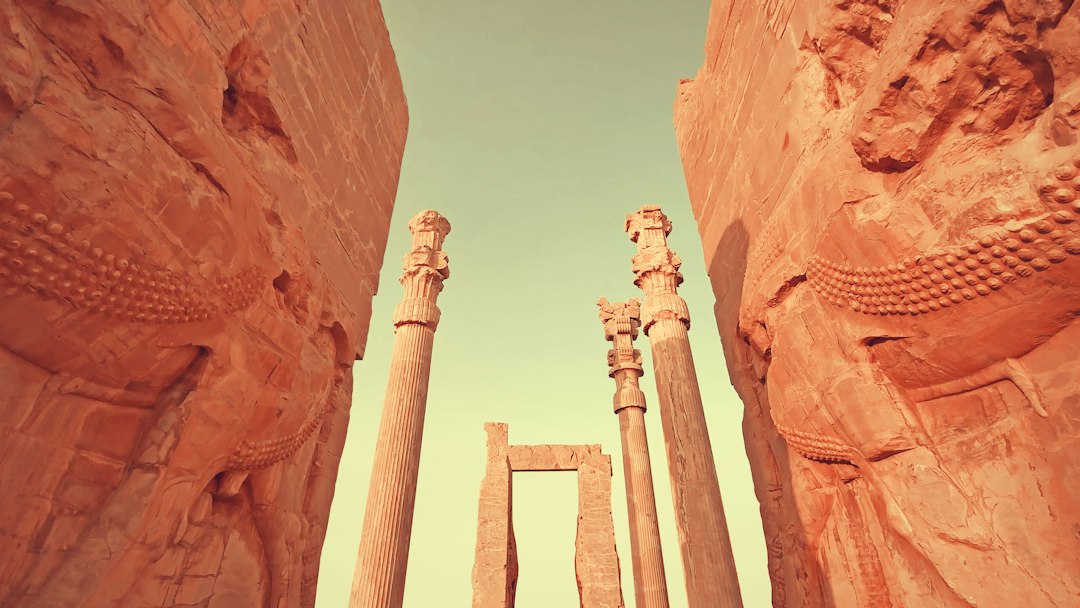
The allure of ancient civilizations is often tied to their monumental achievements, those enduring testaments to human ingenuity that have defied the ravages of time. A documentary exploration, “Ancient Engineering Marvels: A Documentary Exploration of Timeless Innovations,” embarks on a captivating journey across continents and millennia, unearthing the secrets behind these breathtaking structures and the brilliant minds that conceived them. This cinematic odyssey doesn’t merely showcase grand edifices; it delves into the very principles, the meticulous planning, and the sheer determination that allowed our ancestors to overcome seemingly insurmountable challenges, shaping the world in ways we still marvel at today.
Echoes of the Past: Unveiling the Giants
The documentary opens with a sweeping panorama, setting the stage for a profound exploration of human ambition etched in stone, earth, and water. It transports viewers to the sun-drenched plains of Egypt, the rugged landscapes of Mesoamerica, and the fertile river valleys of Mesopotamia, regions where the earliest seeds of complex civilization were sown and where the first truly monumental engineering feats took root. The initial segments are dedicated to the awe-inspiring constructions that have long captured the human imagination, not just for their scale but for the enigmas they present.
The Pyramids: Celestial Alignments and Architectural Puzzles
The iconic pyramids of Giza stand as potent symbols of ancient Egyptian ingenuity. The documentary meticulously dissects the construction of these colossal tombs, moving beyond popular theories of alien intervention to present a grounded, evidence-based analysis of how these structures were likely built. It highlights the sophisticated understanding of geometry, astronomy, and logistics that underpinned their creation. Through CGI reconstructions and expert interviews with archaeologists and engineers, viewers gain insight into the quarrying of massive stone blocks, their transportation over considerable distances, and the ingenious ramp systems that are believed to have been employed to hoist them into place. The precise alignment of the pyramids with celestial bodies, a recurring theme, suggests a profound connection between earthly architecture and the cosmos, hinting at a worldview where engineering served spiritual and calendrical purposes as much as practical ones. The sheer scale of labor, the organization of thousands of workers, and the remarkable precision in cutting and fitting stones with minimal tools are all brought to life, emphasizing the extraordinary planning and sustained effort required.
The Ziggurats: Stepping Towards the Heavens
Moving eastward, the documentary turns its gaze to Mesopotamia, the cradle of civilization, and the towering ziggurats that once dominated its cityscapes. These stepped pyramids, often serving as temple complexes, represent a different architectural philosophy but equally ambitious engineering. The exploration focuses on the practicalities of their construction using readily available materials like mud bricks, and the innovative methods developed to protect them from the elements. The documentary illustrates how these structures were not merely decorative but served vital social and religious functions, acting as centers of community life and points of connection between the earthly and divine realms. The understanding of load-bearing principles and the careful layering of materials to ensure stability are discussed, demonstrating an advanced comprehension of structural integrity even without modern concrete or steel.
The Great Wall of China: A Serpent of Stone and Earth
The vastness of the Great Wall of China provides a stark contrast, showcasing an engineering project of an entirely different magnitude and purpose. The documentary explores the multi-dynastic effort that spanned centuries, revealing the wall not as a single monolithic structure but as a complex defensive system adapted to diverse terrains. It delves into the varied construction techniques employed, from rammed earth in drier regions to stone and brick in more mountainous areas, highlighting the resourcefulness of engineers in utilizing local materials. The documentary emphasizes the strategic placement of watchtowers, garrisons, and fortresses, demonstrating a sophisticated understanding of military engineering and defensive strategy. The sheer human cost and the logistical challenges of feeding and supplying a massive workforce along such an extensive frontier are also brought to the forefront, painting a picture of unparalleled national mobilization.
In exploring the remarkable achievements of ancient engineering, one can draw fascinating parallels to modern technological advancements, such as those discussed in the article about NASA’s plans to control the moon’s water ice. This article highlights the innovative approaches being taken to harness extraterrestrial resources, much like how ancient civilizations ingeniously utilized their environments for construction and sustainability. For more insights into this contemporary endeavor, you can read the article here: NASA to Control Moon’s Water Ice.
Masters of Water: Harnessing Nature’s Flow
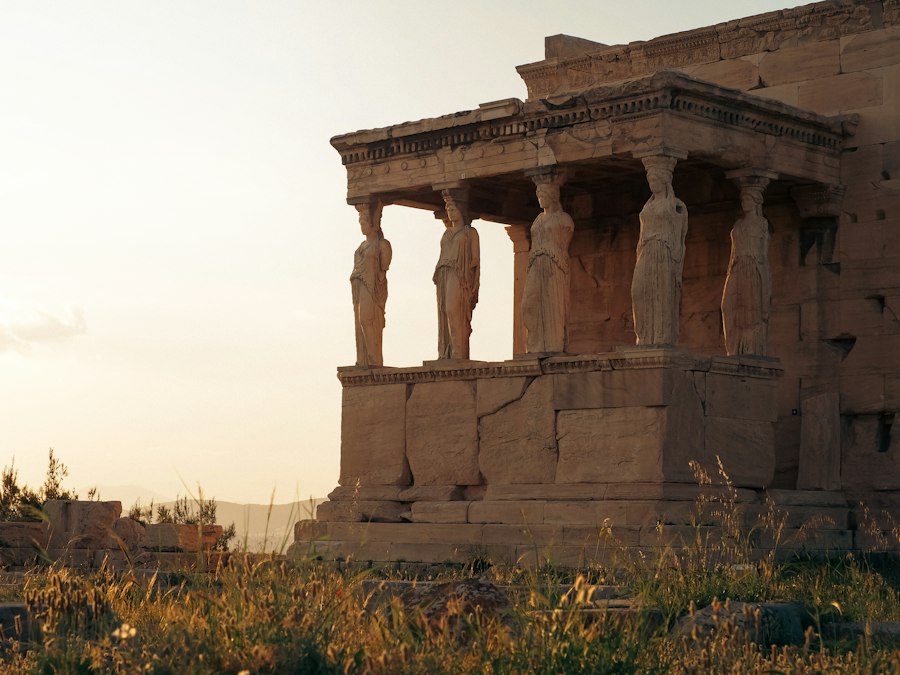
Water has always been a lifeblood of civilization, and the ability to control, channel, and store it has been a defining characteristic of advanced societies. The documentary dedicates significant attention to the ingenious ways ancient peoples managed this vital resource, revealing a profound understanding of hydraulics, gravity, and material science. These water management systems were not merely about survival; they were about enabling agriculture, supporting urban development, and even facilitating trade and transportation, demonstrating a holistic approach to engineering that impacted every facet of life.
Roman Aqueducts: Arteries of Empire
The Roman Empire’s mastery of water is perhaps best exemplified by its vast network of aqueducts. This section of the documentary details the scientific principles behind these magnificent structures. It explains the precise gradients, calculated to ensure a constant flow of water over immense distances, often through challenging topography. The documentary showcases the innovative use of arches and concrete, materials that allowed for the construction of durable and aesthetically pleasing channels that remain standing millennia later. Viewers witness detailed explanations of how water was collected, filtered, and distributed to cities, public baths, and private residences, underscoring the Romans’ commitment to public health and sanitation. The engineering precision required to maintain a consistent slope over miles, accounting for thermal expansion and contraction of materials, is presented as a testament to their advanced understanding of physics and mathematics.
Inca Water Management: Andean Ingenuity
High in the Andes Mountains, the Inca civilization developed equally remarkable water management systems, adapted to a challenging high-altitude environment. The documentary explores the intricate network of canals, terraces, and reservoirs that sustained their vast empire. It highlights the Inca’s exceptional skill in stonework, which allowed them to build aqueducts that followed the natural contours of the land with remarkable accuracy. The documentary emphasizes their understanding of hydrology and the careful management of glacial meltwater and rainfall. The sophisticated use of gravity and pressure, combined with their intimate knowledge of the mountain ecosystems, allowed them to irrigate agricultural lands, supply urban centers like Machu Picchu, and even create elaborate water features for aesthetic purposes. The documentary likely presents evidence of their innovative use of sluice gates and spillways, demonstrating a practical grasp of flow control.
Mesopotamian Irrigation: The Dawn of Agricultural Engineering
Returning to the ancient Near East, the documentary examines the foundational irrigation systems developed in Mesopotamia. These early engineers understood the importance of controlling the Tigris and Euphrates rivers to support a burgeoning agricultural population. The focus is on the construction of canals, dams, and reservoirs that allowed for the expansion of farming beyond the immediate riverbanks. The documentary illustrates the complex social organization required to maintain these systems, highlighting the communal effort and specialized knowledge that went into their design and upkeep. The impact of these irrigation techniques on the development of urban centers and the rise of complex societies is underscored, demonstrating how water management was intrinsically linked to social and economic progress.
Architectural Acumen: Buildings that Defy Time
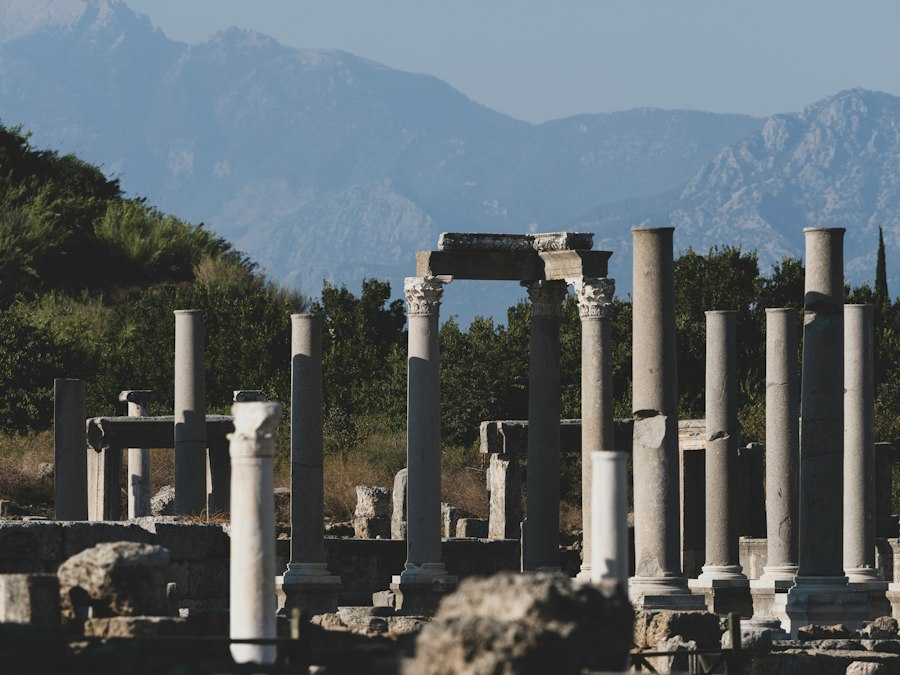
Beyond mere structures, ancient architecture represents a profound interplay of form and function, often imbued with deep cultural and spiritual significance. The documentary delves into the architectural innovations that allowed ancient civilizations to create spaces that were not only functional but also aesthetically inspiring and remarkably durable, capable of withstanding the test of millennia. These buildings served as centers of power, worship, and community, reflecting the values and aspirations of the societies that built them.
Greek Temples: Harmony and Proportion
The classical architecture of ancient Greece, particularly its temples, is examined for its emphasis on harmony, proportion, and mathematical principles. The documentary explores the Doric, Ionic, and Corinthian orders, explaining their distinctive characteristics and the underlying geometric ratios that guided their design. It delves into the optical refinements, such as the subtle curvature of stylobates and the entasis of columns, designed to create an illusion of perfect straightness and balance. The documentary likely showcases the construction techniques, including the precise cutting and fitting of marble, and the sophisticated scaffolding and lifting mechanisms that were employed. The philosophical underpinnings of Greek architecture, often linked to ideals of beauty and order, are discussed, illustrating how engineering served as a tangible expression of their worldview.
Roman Domes and Vaults: Pushing the Boundaries of Space
The Romans, renowned for their practical approach to engineering, revolutionized the use of domes and vaults. The documentary explores the Pantheon in Rome as a prime example, detailing the innovative use of concrete and the design of its massive unreinforced concrete dome, still the largest in the world. It explains the construction techniques, including the use of lighter materials and coffers at the apex to reduce weight. The exploration extends to other Roman structures, such as basilicas and baths, highlighting how domes and vaults allowed for the creation of vast, open interior spaces, a significant departure from earlier architectural forms. The documentary likely discusses the structural principles that allowed these massive structures to stand, showcasing an advanced understanding of load distribution and material stress.
Mayan Pyramids and Palaces: Artistic and Astronomical Integration
The intricate architecture of the Maya civilization, particularly their pyramids and palaces, is presented as a unique blend of artistic expression and astronomical observation. The documentary explores the detailed carvings, hieroglyphic inscriptions, and the alignment of structures with celestial events, such as solstices and equinoxes. It delves into the construction methods, often involving limestone and stucco, and the sophisticated planning that went into creating complex urban centers like Tikal and Palenque. The documentary highlights how Mayan architecture served not only as a physical space but also as a canvas for storytelling and cosmic mapping, demonstrating a deep integration of engineering with their cultural and religious beliefs. The documentary might explain how the pyramids were often built in stages, with older structures enclosed by newer ones, creating a layered history within the architecture itself.
The Science of Construction: Materials and Methods
At the heart of every ancient marvel lies a deep understanding of materials and the methods employed to work them. The documentary dedicates a significant portion to unraveling these foundational aspects, revealing the scientific acumen that allowed ancient builders to achieve such enduring results with limited tools and technologies. This section moves beyond the finished product to explore the raw materials, the techniques of shaping and joining them, and the innovative solutions devised to overcome the inherent limitations of their time.
Stone Quarrying and Transportation: Moving Mountains
The sheer feat of quarrying and transporting massive stone blocks is a recurring theme, and this section delves into the specifics. The documentary explores the various techniques used to extract stone from quarries, from simple wedges and hammers to more sophisticated methods that utilized water or fire to fracture rock. The challenges of moving these colossal stones, weighing many tons, are addressed through explanations of sledges, rollers, log ramps, and the harnessing of animal and human power. The documentary likely presents archaeological evidence of ancient quarries and transportation routes, offering tangible proof of the immense effort involved. The precision required in cutting these stones, often to tight tolerances for fitting, is also highlighted, emphasizing the skill of ancient stonemasons.
Concrete and Mortar: The Binding Agents of Antiquity
The development and use of concrete and mortar were transformative for ancient construction. The documentary examines the composition of these materials and their remarkable durability, particularly the Roman concrete, which has proven to be exceptionally resilient. It explains how volcanic ash (pozzolana) played a crucial role in the strength and longevity of Roman concrete. The documentary also explores the various types of mortars used across different cultures, from simple lime-based mixtures to more complex formulations. The application of these binding agents, their setting times, and their role in creating monolithic structures are all discussed, illustrating a scientific understanding of chemical reactions and material properties that allowed for the creation of robust and long-lasting buildings.
Wood and Earth: Versatile Building Blocks
While stone often dominates the narrative of ancient engineering, the documentary also acknowledges the vital role of wood and earth. It explores the sophisticated carpentry techniques employed in ancient times, from creating complex joinery to building robust scaffolding and timber framing. The documentary highlights the use of rammed earth techniques, particularly in drier climates, where compressed earth provided surprisingly strong and insulating walls. Examples from different cultures, such as the adobe structures of the Americas or the timber-framed buildings of Northern Europe, are presented to showcase the versatility and ingenuity associated with these seemingly simpler materials. The careful selection of wood, its treatment against decay, and the understanding of its load-bearing capacity are all discussed.
In exploring the fascinating world of ancient engineering, one might find it intriguing to consider how modern labor standards, such as those discussed in a recent article on the impact of the USMCA wage requirement, can influence contemporary construction practices. The ingenuity of ancient civilizations in building monumental structures still resonates today, and understanding the economic frameworks that govern labor can provide valuable insights into how such feats were accomplished. For more information on this topic, you can read the article here.
Legacy and Inspiration: Lessons for the Future
| Metric | Value | Description |
|---|---|---|
| Documentary Length | 90 minutes | Total runtime of the documentary |
| Number of Ancient Structures Featured | 12 | Count of different ancient engineering marvels covered |
| Countries Covered | 8 | Number of countries where featured structures are located |
| Expert Interviews | 15 | Number of engineering historians and archaeologists interviewed |
| Reconstruction Animations | 20 | Number of 3D animations showing ancient engineering techniques |
| Viewer Rating | 4.7/5 | Average rating from viewers on documentary platforms |
| Year Released | 2023 | Year the documentary was first published |
The final section of the documentary shifts its focus from the past to the present, exploring the enduring legacy of ancient engineering marvels and the lessons they offer for contemporary challenges. It argues that these timeless innovations are not merely historical curiosities but repositories of knowledge and inspiration that continue to inform and influence modern engineering and design.
Principles Endure: Timeless Wisdom in Construction
The documentary emphasizes that the fundamental principles of physics, mathematics, and structural integrity that guided ancient builders remain relevant today. It draws parallels between the ancient understanding of load-bearing, stress distribution, and material properties and their modern counterparts. Experts discuss how ancient solutions, born out of necessity and ingenuity, can offer insights into sustainable building practices, the efficient use of local resources, and the design of resilient structures. The documentary suggests that by studying these ancient marvels, we can gain a deeper appreciation for the enduring power of fundamental scientific understanding.
Sustainable Solutions: Ancient Precedents for Modern Needs
In an era increasingly concerned with sustainability, the documentary highlights how many ancient engineering practices were inherently eco-friendly. The use of natural materials, the emphasis on passive design principles (like natural ventilation and solar orientation), and the long lifespans of their constructions offer valuable lessons for contemporary efforts to reduce environmental impact. The documentary might showcase how ancient cities were often designed in harmony with their natural surroundings, minimizing waste and maximizing resource efficiency, providing a compelling case for revisiting these age-old approaches.
The Human Spirit of Innovation: A Source of Inspiration
Ultimately, “Ancient Engineering Marvels: A Documentary Exploration of Timeless Innovations” is a celebration of the human spirit. It showcases the boundless capacity for creativity, problem-solving, and perseverance that has characterized humanity throughout history. The documentary leaves viewers with a profound sense of awe and a renewed appreciation for the ingenuity of our ancestors, inspiring future generations to continue pushing the boundaries of what is possible, drawing strength and wisdom from the enduring monuments they left behind. The final shots often linger on the majestic silhouettes of these ancient structures against modern skylines, symbolizing the unbroken chain of human innovation.

They Dug Water Tunnels Under the Desert… And They Still Flow
FAQs
What is the focus of the ancient engineering documentary?
The documentary explores the incredible engineering feats of ancient civilizations and how they were able to construct monumental structures without modern technology.
Which ancient civilizations are featured in the documentary?
The documentary showcases engineering marvels from civilizations such as the Egyptians, Greeks, Romans, and Mayans, highlighting their innovative techniques and architectural achievements.
What are some examples of ancient engineering projects discussed in the documentary?
Examples of ancient engineering projects covered in the documentary include the construction of the Great Pyramids of Giza, the Roman aqueducts, the Colosseum, and the Inca citadel of Machu Picchu.
How does the documentary explain the methods used by ancient engineers?
The documentary delves into the tools, materials, and techniques employed by ancient engineers, offering insights into how they were able to design and build structures that have stood the test of time.
What can viewers learn from watching the ancient engineering documentary?
Viewers can gain a deeper appreciation for the ingenuity and skill of ancient engineers, as well as a better understanding of how these remarkable structures were created and the lasting impact they have had on the world.