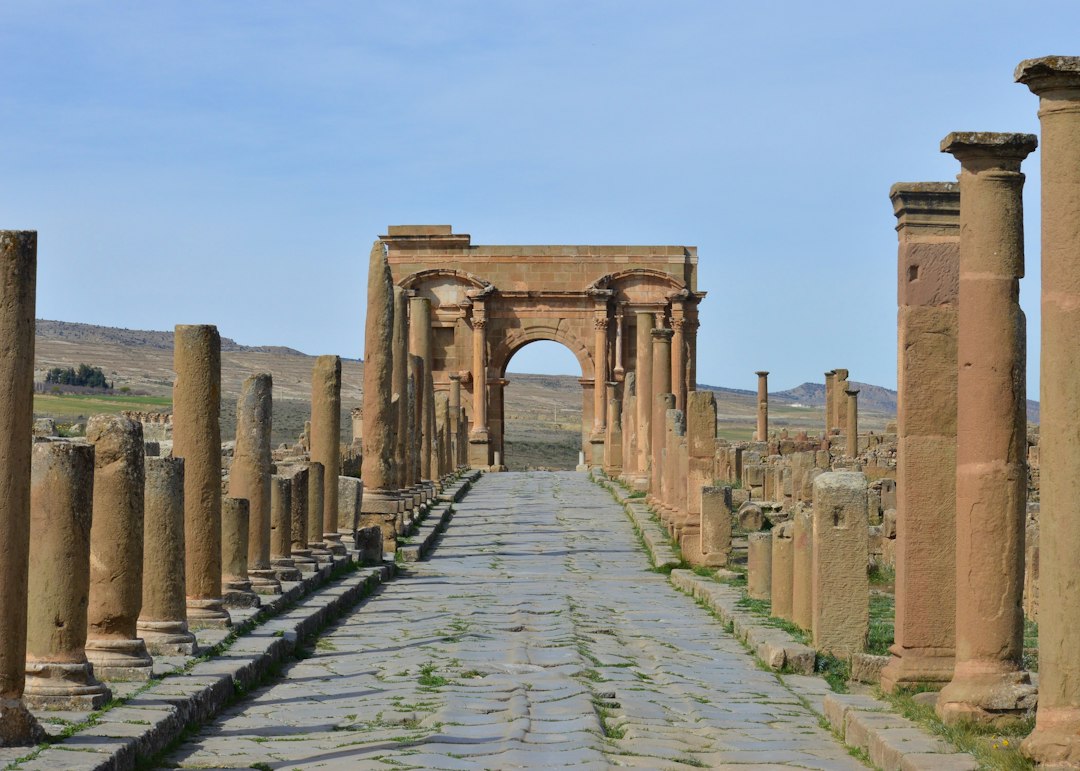
The Romans, a civilization renowned for its military prowess and legal systems, also left an indelible mark on the world through their unparalleled engineering achievements. Among their most enduring legacies is the vast and sophisticated network of roads that crisscrossed their empire, a testament to their ingenuity, planning, and understanding of infrastructure. These ancient thoroughfares were not merely dirt tracks; they were meticulously constructed arteries that facilitated trade, communication, military movement, and the very fabric of Roman society. Their impact reverberated through centuries, influencing subsequent road building techniques and serving as a foundational element for the development of Western civilization.
The Foundation of Roman Power: Military and Administrative Necessity
The construction of Roman roads was intrinsically linked to the expansion and consolidation of the Roman Republic and later, the Empire. As Roman legions marched to conquer new territories, the need for efficient movement of troops, supplies, and messengers became paramount. Roads were the arteries through which Roman power flowed, enabling swift deployment of armies to quell rebellions, defend borders, and project authority across vast distances. Beyond the military, the burgeoning bureaucracy and complex administration of the Roman Empire demanded effective communication channels. Roads facilitated the rapid dissemination of laws, decrees, and news, binding disparate regions into a cohesive whole.
Strategic Placement and Design for Military Superiority
The placement of Roman roads was not arbitrary. They were strategically located to serve military objectives, often connecting major cities, fortresses, and key geographical features like rivers and mountain passes. The Romans understood the importance of direct routes, minimizing detours and maximizing speed. They often followed the most direct path possible, even if it meant overcoming significant topographical challenges through extensive earthmoving, bridge building, and tunnel construction. This strategic foresight ensured that legions could reach their destinations with unprecedented speed, a crucial advantage in warfare and maintaining order. The ability to quickly reinforce threatened frontiers or launch swift offensives was a direct consequence of their well-planned road network.
Facilitating the Spread of Imperial Control and Governance
The administrative benefits of the Roman road system were equally profound. Messages and dispatches could travel across the empire at a rate previously unimaginable. This enabled provincial governors to communicate effectively with Rome, and vice-versa, fostering a sense of centralized control and facilitating the implementation of imperial policies. The efficient movement of tax collectors, officials, and legal representatives further solidified Roman governance and ensured the smooth functioning of the empire. Without this robust infrastructure, managing such a vast territory would have been an almost insurmountable task. The roads were, in essence, the nervous system of the Roman Empire, carrying vital information and enabling swift responses to emerging challenges.
The ancient Roman road infrastructure is a testament to the engineering prowess of the civilization, facilitating trade, military movement, and cultural exchange across vast distances. For a deeper understanding of how historical advancements in infrastructure can influence modern geopolitical landscapes, you may find the article on navigating Middle East geopolitics insightful. It explores the challenges and opportunities that arise from historical connections and infrastructure development in the region. You can read more about it here: Navigating Middle East Geopolitics: Challenges and Opportunities.
Engineering Prowess: The Science of Roman Road Construction
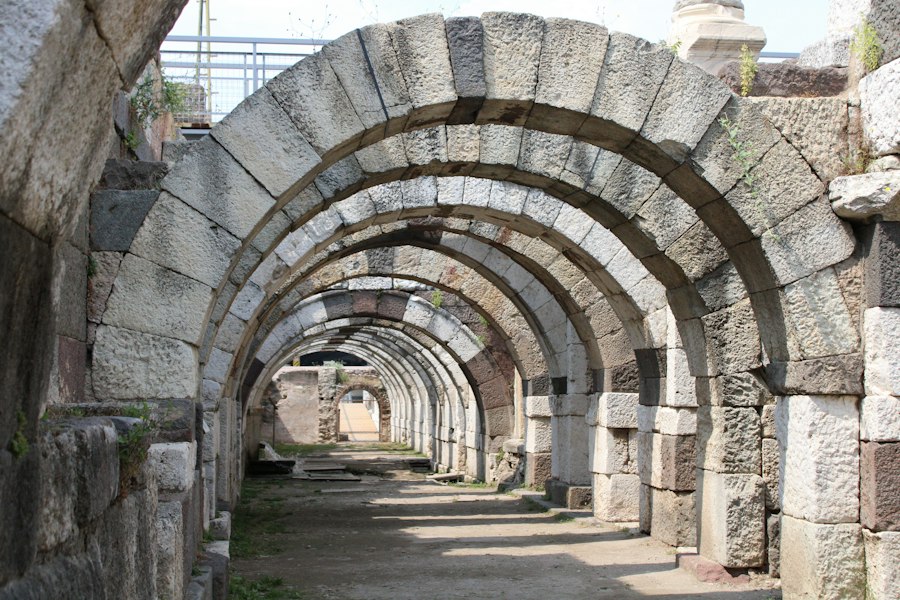
The Romans were not simply builders; they were engineers of remarkable skill and foresight. The construction of their roads was a complex undertaking, employing sophisticated techniques that ensured durability, longevity, and functionality. The meticulous planning and execution of each stage of the process, from site selection to material selection, contributed to the enduring legacy of these ancient marvels. The common perception of Roman roads as simply paved paths belies the intricate scientific and engineering principles that underpinned their creation.
Layered Construction for Unparalleled Durability
A hallmark of Roman road construction was its layered approach, designed to withstand the immense pressures of traffic, weather, and time. The typical road, often referred to as a “via,” began with the excavation of a trench. This trench was then filled with progressively larger stones, forming a solid foundation. This base layer was crucial for drainage and stability. Above this, layers of gravel and smaller stones were compacted, providing a smooth and firm surface. The uppermost layer, the actual “pavement,” varied depending on the importance of the road and available materials. Often, it consisted of tightly fitted flagstones or, in less critical areas, a compacted mixture of gravel and sand. This multi-layered system distributed weight evenly, prevented erosion, and allowed water to drain away effectively, significantly extending the lifespan of the road.
The Importance of Drainage and Gradient Control
A critical, yet often overlooked, aspect of Roman road engineering was their meticulous attention to drainage. The Romans understood that standing water was a major enemy of any road. They incorporated sophisticated drainage systems, including ditches along the sides of the roads and culverts to channel water away. Furthermore, they paid close attention to the gradient of the roads, ensuring a gentle slope that facilitated drainage without making the inclines excessively steep for wheeled traffic and marching soldiers. This foresight in managing water flow prevented the roads from being washed away by rain or becoming waterlogged and impassable.
Innovative Techniques: Bridges, Tunnels, and Viaducts
The Roman genius for engineering extended beyond the surface of the roads themselves. When faced with natural obstacles, they developed innovative solutions. They were master bridge builders, constructing sturdy stone bridges that spanned rivers and valleys, some of which still stand today. For mountainous terrain, they engineered tunnels, carving through rock to create direct routes. Viaducts, impressive arched structures, were built to carry roads over marshy ground or deep ravines. These feats of civil engineering were not only functional but also aesthetically impressive, showcasing the Romans’ ability to harmonize their infrastructure with the natural landscape.
The Arteries of Empire: Functionality and Impact
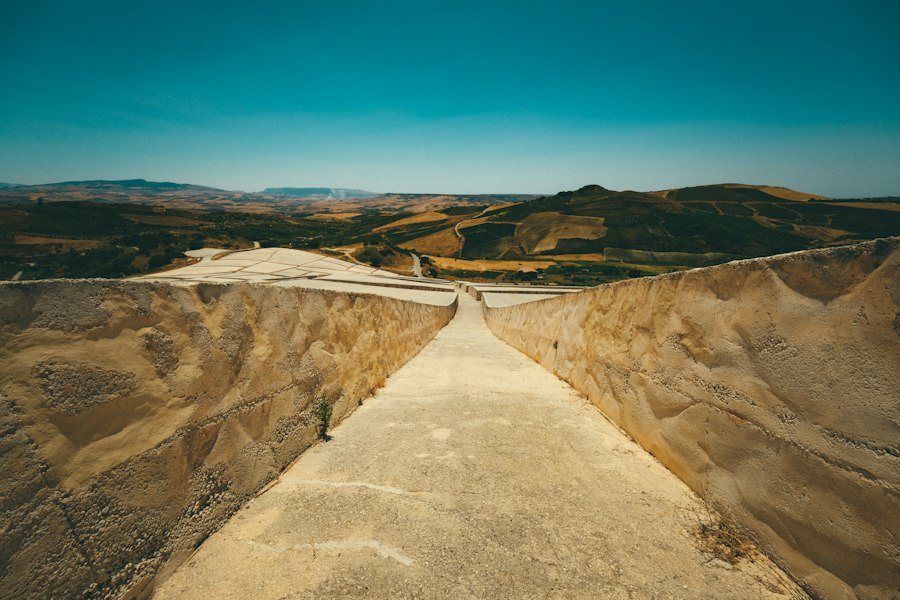
The Roman road network was more than just a collection of engineered paths; it was a dynamic system that profoundly influenced the functioning and development of the Roman world. Its impact was felt across all facets of life, from the economic to the social, shaping the very character of Roman civilization. The roads were not static monuments but living conduits of commerce, culture, and communication.
Facilitating Trade and Economic Prosperity
The ease of travel and transport afforded by the Roman roads was a major catalyst for economic growth. Merchants could transport goods more efficiently and safely between distant markets, fostering interregional trade and specialization. This facilitated the exchange of agricultural produce, manufactured goods, and raw materials, leading to increased prosperity across the empire. The roads essentially created a unified economic zone, allowing for the free flow of commerce and contributing to the relative wealth and stability of the Roman world. Warehouses and staging posts sprang up along these routes, further supporting the movement of goods and travelers.
The Backbone of Communication and Information Dissemination
The Roman postal service, the cursus publicus, relied heavily on the road network. This organized system of relays allowed for the rapid transmission of official documents, letters, and news throughout the empire. The speed and reliability of this communication were crucial for effective governance and military operations. It also facilitated the spread of ideas, culture, and religious beliefs, contributing to a shared Roman identity and the dissemination of Roman law and customs. Travelers, too, benefited from the established routes, allowing for increased personal and cultural exchange.
Military Mobility and Frontier Defense
As previously mentioned, the military was a primary driver of Roman road construction. The ability of Roman legions to march rapidly to any point of conflict was a key factor in their military dominance. Roads allowed for the swift deployment of reinforcements, the rapid movement of supplies to the front lines, and the efficient pursuit of defeated enemies. Furthermore, the roads provided clear and predictable routes for patrolling frontiers and maintaining security, ensuring the stability and longevity of the empire. The construction of forts and garrisons was often strategically placed along these vital arteries.
The Enduring Legacy: Echoes in Modern Infrastructure
The impact of Roman engineering, particularly their road network, did not cease with the fall of the Western Roman Empire. The principles and techniques developed by the Romans continued to influence road construction for centuries, and their physical remnants still bear witness to their remarkable achievements. The echoes of Roman ingenuity can be found in the foundations of modern transportation systems.
Direct Influence on Subsequent Road Building
For many centuries after the decline of the Roman Empire, European road building largely reverted to less sophisticated methods. However, the rediscovery and study of Roman road construction techniques during later periods, particularly during the Enlightenment and the Industrial Revolution, provided a blueprint for modern engineering. The emphasis on a solid foundation, drainage, and durable paving materials can be directly traced back to Roman practices. Engineers like John McAdam, who developed the “macadamisation” technique, were in many ways refining and adapting Roman principles for a new era of transportation.
Surviving Remnants and Archaeological Significance
Today, significant portions of Roman roads remain intact, testaments to their extraordinary durability. Many of these ancient routes are still in use, either as minor roads or as pathways. Archaeological excavations have unearthed countless miles of Roman roads, providing invaluable insights into Roman life, technology, and society. The perfectly straight lines and the meticulously constructed layers of these ancient thoroughfares are a constant source of fascination for historians, engineers, and the general public alike. These preserved sections offer tangible connections to a past civilization and its profound impact on the development of our world.
A Symbol of Roman Civilization and Ingenuity
The Roman road network stands as a powerful symbol of Roman civilization’s ambition, organization, and engineering prowess. It represents their ability to not only conquer but also to integrate and administer vast territories. The enduring strength and functionality of these ancient routes continue to inspire awe and admiration, reminding us of the remarkable achievements of a civilization that laid the groundwork for much of what we consider modern infrastructure. The legacy of these “roads to everywhere” continues to shape our understanding of how societies are built and connected.
The Roman road infrastructure is often hailed as one of the greatest engineering marvels of the ancient world, showcasing the empire’s ability to connect vast territories through a network of durable and strategically planned roads. These roads not only facilitated military movement but also enhanced trade and communication across Europe. For those interested in exploring how ancient engineering feats influenced human migration patterns, a fascinating read can be found in this article about prehistoric human migration to Antarctica, which highlights the significance of infrastructure in shaping human history. You can check it out here.
Lessons from Antiquity: Principles for Sustainable Infrastructure
| Engineering Marvel | Location | Length (km) | Construction Period | Key Features | Purpose |
|---|---|---|---|---|---|
| Via Appia (Appian Way) | Rome to Brindisi, Italy | 563 | 312 BC | Multi-layered roadbed, stone paving, drainage ditches | Military and trade route |
| Via Aurelia | Rome to Pisa, Italy | 500 | 241 BC | Stone paving, milestones, bridges | Connect Rome to northwestern Italy |
| Via Egnatia | Dyrrachium (Albania) to Byzantium (Istanbul) | 1,120 | 2nd century BC | Stone paving, bridges, tunnels through mountains | Link Roman provinces in the Balkans |
| Via Flaminia | Rome to Ariminum (Rimini), Italy | 225 | 220 BC | Stone paving, milestones, drainage systems | Military and commercial route to the Adriatic |
| Via Claudia | Ariminum to Altinum, Italy | 350 | 47 AD | Stone paving, bridges, road markers | Connect northern Italy to the Po Valley |
The study of Roman roads offers more than just historical curiosity; it provides valuable lessons for contemporary infrastructure development. The Romans’ focus on durability, sustainability, and long-term planning offers a stark contrast to some modern approaches, highlighting the importance of building infrastructure that can withstand the test of time and environmental challenges. Their integrated approach, considering military, administrative, and economic needs, serves as a model for holistic infrastructure planning.
Prioritizing Durability and Longevity in Design
The Romans invested heavily in the upfront construction of their roads, understanding that a robust foundation and quality materials would result in a longer lifespan and reduced maintenance costs over time. This contrasts with some modern construction practices that may prioritize speed and cost-effectiveness at the expense of long-term durability. Their layered construction, meticulous drainage, and careful material selection ensured that their roads could handle centuries of use. This emphasis on quality and longevity is a crucial lesson for contemporary infrastructure projects facing increasing demands and environmental pressures.
Integrating Infrastructure with the Environment and Society
The Romans demonstrated an impressive ability to integrate their infrastructure with the natural environment, using existing landscapes where possible and employing innovative solutions to overcome obstacles. They also understood how their roads served not just as conduits for movement but also as facilitators of social and economic interaction. This holistic approach, considering the interplay between infrastructure, environment, and human needs, is a vital takeaway for modern urban planners and engineers striving to create sustainable and livable communities. The roads were not just engineering feats but were woven into the fabric of daily Roman life.
The Value of Foresight and Long-Term Planning
The sheer scale and scope of the Roman road network speak to a remarkable degree of foresight and long-term planning. They were not simply building for their generation but were creating a system that would serve the empire for centuries to come. This long-term perspective is essential for addressing contemporary infrastructure challenges, from climate change adaptation to the needs of future generations. The Roman legacy encourages us to think beyond immediate needs and to invest in infrastructure that is resilient, adaptable, and serves as a lasting foundation for societal progress. The enduring presence of their roads is a powerful reminder of the value of visionary planning and robust engineering.
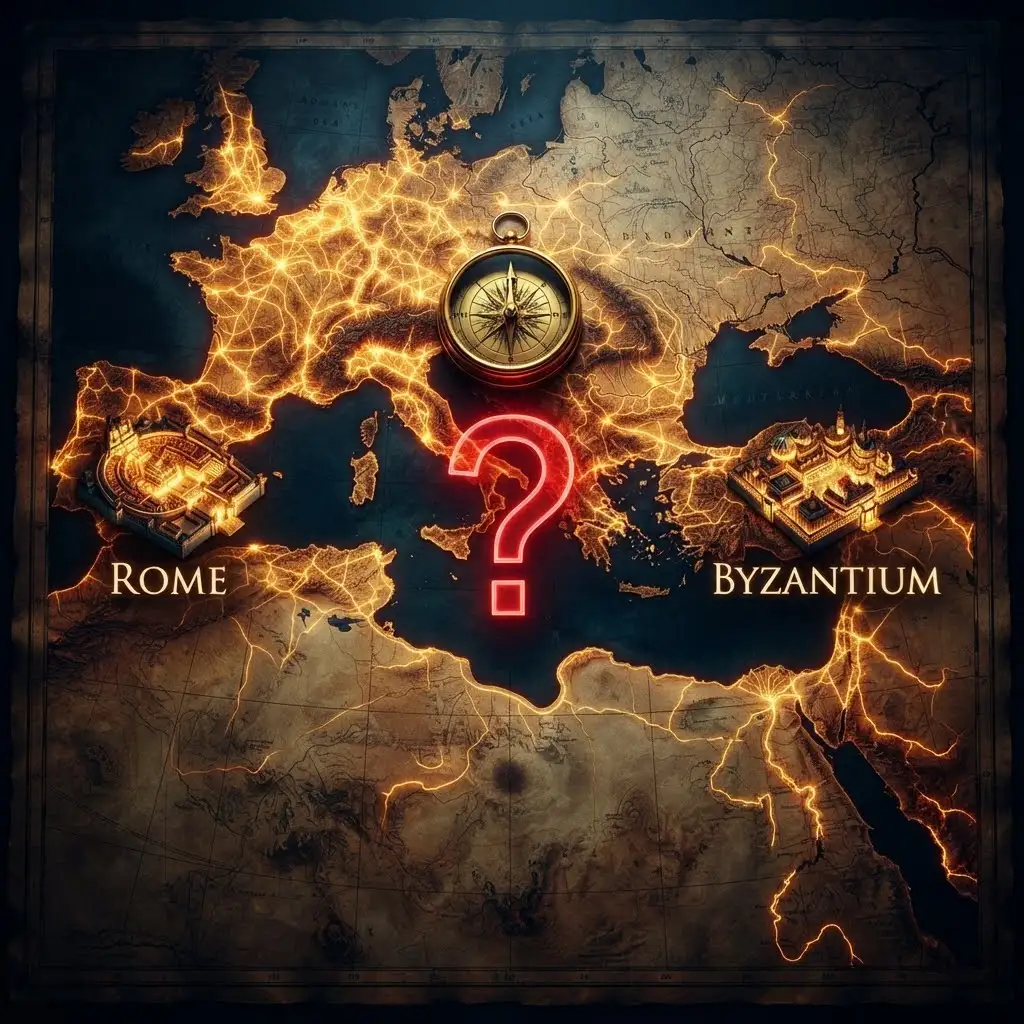
The 2.7% Statistic That Terrifies Roman Historians
FAQs
1. How were Roman roads constructed?
Roman roads were constructed by first digging a trench, then laying a foundation of stones or gravel, followed by a layer of concrete or paving stones. The roads were designed to be straight and durable, with a slight incline for water drainage.
2. What was the purpose of the Roman road infrastructure?
The Roman road infrastructure was built to facilitate the movement of troops, goods, and information throughout the vast Roman Empire. The roads played a crucial role in the expansion and maintenance of the empire.
3. How did Roman engineers ensure the durability of their roads?
Roman engineers used a combination of materials and construction techniques to ensure the durability of their roads. This included the use of multiple layers, proper drainage systems, and strategic placement of milestones for navigation.
4. What impact did Roman roads have on trade and communication?
Roman roads revolutionized trade and communication by connecting distant parts of the empire and facilitating the movement of goods and people. This led to economic growth, cultural exchange, and the spread of Roman influence.
5. Are there any Roman roads still in use today?
Yes, there are several Roman roads that are still in use today, either in their original form or as modernized versions. Examples include the Appian Way in Italy and parts of the Via Domitia in France, which continue to serve as important transportation routes.