Whispers on the Wind: Unearthing Prehistoric Environmental Knowledge
For millennia, long before the advent of written records or sophisticated scientific instruments, our ancient ancestors possessed a profound and intricate understanding of the natural world. This knowledge was not merely academic; it was a matter of survival, deeply interwoven with their daily lives, their hunting strategies, their resource management, and their spiritual beliefs. Among the most compelling expressions of this understanding are the sophisticated tracking techniques they developed, methods that allowed them to read the landscape like an open book and decipher the subtle narratives left behind by plants, animals, and even the elements themselves. These prehistoric trackers, armed with keen observation and generations of accumulated wisdom, were the original environmental scientists, their legacy imprinted not on paper, but on the very earth they traversed.
In exploring the fascinating intersection of environmental reading and prehistoric tracking techniques, one can gain insights into how ancient peoples interacted with their surroundings and adapted to changing ecosystems. For a deeper understanding of the implications of environmental policies in contemporary contexts, the article on the Defense Production Act and property seizure during national emergencies provides a thought-provoking perspective. You can read more about it here: Defense Production Act: Property Seizure in National Emergency. This connection highlights the importance of understanding both historical practices and modern regulations in addressing environmental challenges.
The Art of Observation: Foundations of Prehistoric Tracking

The cornerstone of any tracking system, ancient or modern, lies in meticulous observation. Prehistoric peoples, living in intimate communion with their environments, were unparalleled observers of natural phenomena. Their senses, honed by necessity, were attuned to details that might escape the modern eye. They understood the rhythm of the seasons, the subtle shifts in vegetation that signaled changing weather patterns, and the distinct behaviors of various animal species. This deep observational capacity formed the bedrock upon which their tracking skills were built.
Reading the Footprint: More Than Just a Mark
The most obvious manifestation of tracking is the examination of footprints. However, for prehistoric trackers, a footprint was never just a solitary impression in the mud or snow. It was a story in motion. They analyzed the depth of the impression to infer the weight and gait of the animal, the spacing between prints to understand its speed and posture, and the presence of any dragging or scuff marks to indicate injury or fatigue. The direction of the print, the angle of the toes, and the pattern of disturbance in the surrounding soil or vegetation all contributed to a comprehensive understanding of the animal’s recent passage. They could distinguish between the tracks of a healthy adult, a young animal, or an injured individual, information crucial for successful hunting or avoiding danger.
Deeper Insights from the Soil
The substrate itself provided a wealth of information. The type of soil, its moisture content, and its composition were all considered. Tracks in soft, damp earth would hold detail differently than those in dry, sandy soil or compacted snow. A tracker could learn about the terrain an animal had traversed before leaving the print, whether it had crossed a stream, a rocky patch, or a dense thicket. The presence of specific plant fragments within or around the footprint could also offer clues about the animal’s diet and the habitat it frequented. For instance, the presence of certain seeds or leaves might indicate a passage through a berry patch or a particular type of woodland.
Beyond the Paw: Signs of Passage
Prehistoric trackers understood that evidence of an animal’s presence extended far beyond its footprints. They were adept at interpreting a range of subtle signs, often referred to as “sign.” This included broken twigs, disturbed vegetation, scat, hair, and even the lingering scent of an animal.
The Language of Vegetation
The way plants were disturbed spoke volumes. A bent blade of grass, a broken stem, or a scuff mark on a tree trunk could indicate the path an animal had taken. The height of these disturbances provided information about the size of the creature. For example, a low-hanging branch broken off at waist height would suggest a larger mammal, while a snapped twig near the ground might point to a smaller animal. The freshness of the break was also critical. A clean, sharp break indicated recent activity, while a weathered or decaying break suggested an older passage. In dense undergrowth, the subtle parting of leaves or the displacement of moss could be the only indicators of a recent presence.
The Story in Scat and Hair
Scat, or droppings, was a particularly valuable source of information. The size, shape, and contents of scat could reveal the species, diet, and even the health of the animal. For example, the presence of fur or bone fragments indicated a carnivore, while undigested plant matter pointed to an herbivore. The freshness of the scat was another key indicator of how recently an animal had been in the area. Similarly, shed hair caught on thorns or branches provided a direct link to the species and could even offer clues about the animal’s condition or recent interactions. A tuft of fur snagged on a thorny bush, for instance, might indicate a struggle or a hurried escape.
Decoding the Ecosystem: Interconnectedness and Environmental Awareness
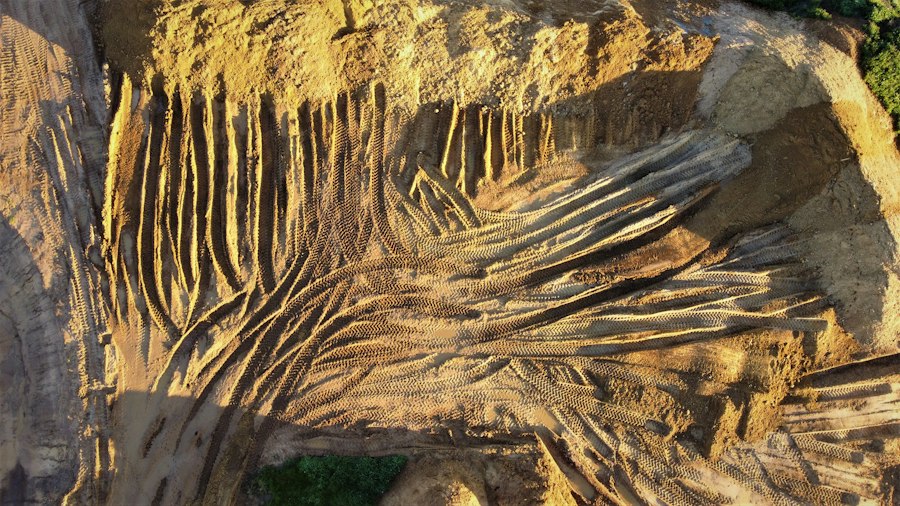
Prehistoric tracking was not simply about following individual animals; it was about understanding the intricate web of life within their environment. Trackers recognized that animal movements were dictated by a complex interplay of factors, including food availability, water sources, predator-prey relationships, and seasonal changes. This holistic understanding allowed them to anticipate animal behavior and navigate their world with remarkable foresight.
Understanding Animal Behavior and Ecology
The ability to track an animal was intimately linked to a deep understanding of its ecological niche and behavioral patterns. Prehistoric trackers knew the preferred habitats of different species, their diurnal and nocturnal routines, their mating seasons, and their migratory routes. They understood that certain weather conditions would drive animals to seek shelter or water, and that the presence of one species could often indicate the proximity of another, either as prey or predator.
Predator-Prey Dynamics
The presence of a predator’s tracks often signaled the potential presence of its prey, and vice versa. A tracker might follow the faint scent of a wolf to an area where deer were grazing, or observe a sudden silence in the bird song that indicated the recent passage of a large cat. This knowledge allowed them to move strategically, either to hunt or to avoid danger. For instance, noticing the tracks of a fox near a rabbit warren would suggest a good opportunity for hunting or a reason to be particularly vigilant.
Seasonal Migrations and Resource Mapping
Prehistoric peoples were keenly aware of seasonal changes and their impact on animal populations. They understood the great migrations of herbivores, following herds of bison or reindeer across vast territories. They also recognized the seasonal availability of resources, such as ripening berries, fruiting trees, or fishing grounds. This knowledge was vital for survival, allowing them to plan their movements and ensure they were in the right place at the right time to gather food and sustenance. They would chart the movements of salmon runs upstream or anticipate the congregation of waterfowl at specific wetlands during different times of the year.
Reading the Weather and the Seasons
The natural world provided a constant stream of environmental cues that prehistoric trackers learned to interpret. They could predict approaching storms by observing changes in cloud patterns, wind direction, and the behavior of animals. The migration patterns of birds, the direction of smoke from distant fires, and the subtle shifts in temperature and humidity all contributed to their understanding of impending weather events.
Signs of Approaching Storms
Changes in animal behavior were often the earliest indicators of a coming storm. Birds might seek shelter, insects would become less active, and larger mammals might move to higher ground or seek protected areas. Prehistoric trackers would pay close attention to these subtle shifts, using them to make timely decisions about sheltering, hunting, or moving their camps. The rustling of leaves in a particular direction, the sudden stillness of insects, or the hurried movements of small mammals could all be harbingers of rain or wind.
The Rhythms of the Year
The cyclical nature of the seasons was deeply ingrained in the consciousness of prehistoric peoples. They understood the signs of spring’s arrival – the budding of trees, the return of migratory birds, the melting of snow. They recognized the fullness of summer, the abundance of ripe fruits and the height of insect activity. They observed the signs of autumn – the changing colors of leaves, the falling of nuts, the gathering of animals for winter. And they anticipated the stillness and challenges of winter, knowing where to find shelter and how to hunt in the snow. This cyclical understanding informed their agricultural practices (where applicable), their hunting strategies, and their movements throughout the year.
Practical Applications: Survival, Subsistence, and Spirituality
The sophisticated tracking techniques of prehistoric peoples were not mere pastimes; they were essential tools for survival, sustenance, and the maintenance of their cultural and spiritual lives. The ability to locate food, avoid predators, and navigate complex environments directly impacted their ability to thrive and perpetuate their communities.
The Hunt: Precision and Prediction
Hunting was a primary driver for the development of advanced tracking skills. The ability to locate, stalk, and bring down prey required an intimate understanding of animal behavior and a mastery of reading the signs left behind. Trackers could not only locate individual animals but also predict their movements, allowing for more effective ambushes and a higher success rate.
Locating Game and Understanding Their Needs
The knowledge of where to find specific game animals at different times of the year was paramount. This involved understanding their preferred feeding grounds, water sources, and resting places. A skilled tracker could identify the subtle signs that indicated the presence of a herd, even if the animals themselves were out of sight. They understood that the freshness of browse marks on trees indicated recent feeding activity, and the location of scat revealed preferred latrines or resting spots.
Stalking and Ambush Strategies
Once game was located, the art of the stalk began. This involved moving silently, using the wind to their advantage, and blending seamlessly with the environment. Trackers would analyze the terrain for optimal ambush points and anticipate the likely path of their quarry. The ability to read the animal’s direction of travel and its potential escape routes was crucial for a successful hunt. The wind direction was a critical factor, as any scent carried upstream would alert the prey. Knowing the animal’s usual speed and agility would also inform the planning of an ambush.
Navigating and Understanding Territories
Beyond hunting, tracking skills were essential for navigating vast and often challenging territories. Prehistoric peoples were not confined to small areas; they moved and explored, often following seasonal resources or trade routes. The ability to read tracks and natural signs allowed them to orient themselves, avoid dangerous areas, and find safe passage.
Mapping the Landscape Through Animal Trails
Animal trails themselves often served as natural pathways, worn smooth by generations of repeated passage. Trackers learned to recognize these trails and follow them, knowing they often led to vital resources like water sources or fertile hunting grounds. These trails were a form of cartography, etched into the land by the constant movement of wildlife. Observing which trails were most heavily used could indicate the direction of the most abundant resources.
Avoiding Hazards and Finding Safe Havens
The environment presented numerous hazards, from treacherous terrain and dangerous predators to sudden weather changes. Tracking skills allowed prehistoric peoples to identify and avoid these dangers. They could recognize signs of unstable ground, the presence of dangerous animals, or areas prone to flash floods. Conversely, they could also identify safe havens, such as sheltered caves or protected valleys. The subtle signs of a predator’s recent passage might deter them from a particular area, while the discovery of fresh water might guide them to a safe campsite.
Spiritual and Symbolic Meanings
For many prehistoric cultures, tracking was more than a practical skill; it was imbued with spiritual and symbolic significance. Animals were often seen as intermediaries between the human and spirit worlds, and their tracks held sacred meaning. The act of tracking could be a form of communion with the natural world, a way of honoring and respecting the spirits of the animals.
Totems and Animal Spirits
In many societies, specific animals were revered as totems or spirit guides. The ability to track these animals was therefore considered a sacred undertaking, a way of connecting with the spiritual essence of these beings. The markings left by these animals were often interpreted as omens or messages from the spirit world. The appearance of certain animal tracks in a particular context might be interpreted as a sign of good fortune or a warning of impending challenges.
Rituals and Offerings
Tracking was often integrated into rituals and ceremonies. Offerings might be made to the spirits of the animals before a hunt, or thanks might be given after a successful kill. The act of leaving the land undisturbed after a hunt, a practice of respect, was also an important aspect of their spiritual connection. The meticulous observation of animal behavior during tracking could also inform spiritual understanding, leading to the development of myths and legends that explained the world and its inhabitants.
In exploring the fascinating world of prehistoric tracking techniques, one can gain insights into how ancient humans interacted with their environment and adapted to their surroundings. Understanding these methods not only sheds light on our ancestors’ survival skills but also highlights the importance of environmental awareness in today’s context. For a deeper dive into the implications of historical decisions on our current ecological landscape, you might find it interesting to read about the impact of Executive Order 6102 in this article on gold confiscation. This connection emphasizes how past actions can influence our relationship with natural resources and the environment. You can read more about it here.
Legacy of the Ancient Trackers: Lessons for Today
| Technique | Period | Environmental Data Collected | Method Description | Accuracy |
|---|---|---|---|---|
| Pollen Analysis (Palynology) | Prehistoric to Present | Vegetation types, climate conditions | Examining fossil pollen grains in sediment layers to reconstruct past environments | High for vegetation reconstruction |
| Ice Core Sampling | Up to 800,000 years ago | Atmospheric composition, temperature, greenhouse gases | Analyzing trapped air bubbles and isotopes in ice cores | Very high temporal resolution |
| Stable Isotope Analysis | Prehistoric | Diet, climate, migration patterns | Measuring ratios of isotopes (e.g., carbon, oxygen) in bones and teeth | Moderate to high |
| Dendrochronology (Tree Ring Analysis) | Up to 10,000 years | Climate variations, rainfall, drought periods | Counting and analyzing tree ring patterns | High annual resolution |
| Faunal Analysis | Prehistoric | Animal species presence, environmental conditions | Studying animal remains to infer habitat and climate | Moderate |
| Geomorphological Mapping | Prehistoric | Landscape changes, erosion, sedimentation | Analyzing landforms and sediment layers | Variable depending on site |
The ancient environmental insights gleaned from prehistoric tracking techniques offer valuable lessons for contemporary society. In an era of ecological challenges, understanding how our ancestors lived in harmony with nature, and the sophisticated knowledge they possessed, can provide a new perspective and inform our approach to conservation and sustainability.
Rediscovering a Lost Connection
In our modern, often disconnected world, the example of prehistoric trackers reminds us of the importance of re-establishing a deeper connection with the natural environment. Their intimate knowledge of the land and its inhabitants stands in stark contrast to our often superficial engagement with nature. Learning from their observational prowess can encourage us to be more mindful, more present, and more appreciative of the intricate workings of the ecosystems around us.
Informing Modern Conservation Efforts
The principles of ecological understanding and resource management embodied in prehistoric tracking can be applied to modern conservation efforts. Their emphasis on sustainability, on taking only what is needed, and on respecting the delicate balance of nature offers a blueprint for a more responsible approach to resource utilization. Understanding animal behavior and habitat needs, as was fundamental to ancient tracking, is also crucial for effective wildlife conservation.
Sustainable Resource Management
The ancient practice of observing animal populations and resource availability before harvesting was a form of sustainable resource management. They understood that overhunting or overharvesting could deplete resources, leading to hardship for future generations. This principle of long-term thinking and ecological balance is directly relevant to today’s challenges of sustainable agriculture, forestry, and fisheries.
Wildlife Coexistence and Understanding
The deep understanding of animal behavior that characterized prehistoric tracking is essential for fostering peaceful coexistence between humans and wildlife. By learning to read the signs and anticipate the needs and movements of animals, we can minimize conflict and create more harmonious landscapes. This includes understanding animal migration corridors, preferred habitats, and the impact of human development on wildlife.
The Enduring Human Capacity for Observation
Ultimately, the exploration of prehistoric tracking techniques highlights the enduring human capacity for keen observation, critical thinking, and deep ecological understanding. It is a testament to the ingenuity and resilience of our ancestors, who, with limited tools, possessed a wealth of environmental knowledge that enabled them to thrive for millennia. Their legacy continues to whisper on the wind, inviting us to listen, to learn, and to reconnect with the wisdom of the earth.

Beneath the Ice: Surviving the Ice Age 20,000 Years Ago
FAQs
What are prehistoric tracking techniques?
Prehistoric tracking techniques are methods used by ancient civilizations to follow and interpret animal footprints, signs, and other clues left behind in the environment.
How did prehistoric people use tracking techniques for survival?
Prehistoric people used tracking techniques for survival by hunting animals for food, clothing, and other resources. Tracking allowed them to locate and follow prey efficiently.
What environmental reading skills were important for prehistoric tracking?
Environmental reading skills such as identifying animal tracks, interpreting scat and other signs, understanding animal behavior, and recognizing terrain features were crucial for prehistoric tracking.
Can modern humans benefit from learning prehistoric tracking techniques?
Yes, modern humans can benefit from learning prehistoric tracking techniques as it can enhance outdoor skills, increase awareness of the natural environment, and provide insights into animal behavior and ecology.
Are there any resources available for individuals interested in learning prehistoric tracking techniques?
Yes, there are books, workshops, and courses available for individuals interested in learning prehistoric tracking techniques. These resources can provide valuable knowledge and hands-on experience in tracking animals in the wild.