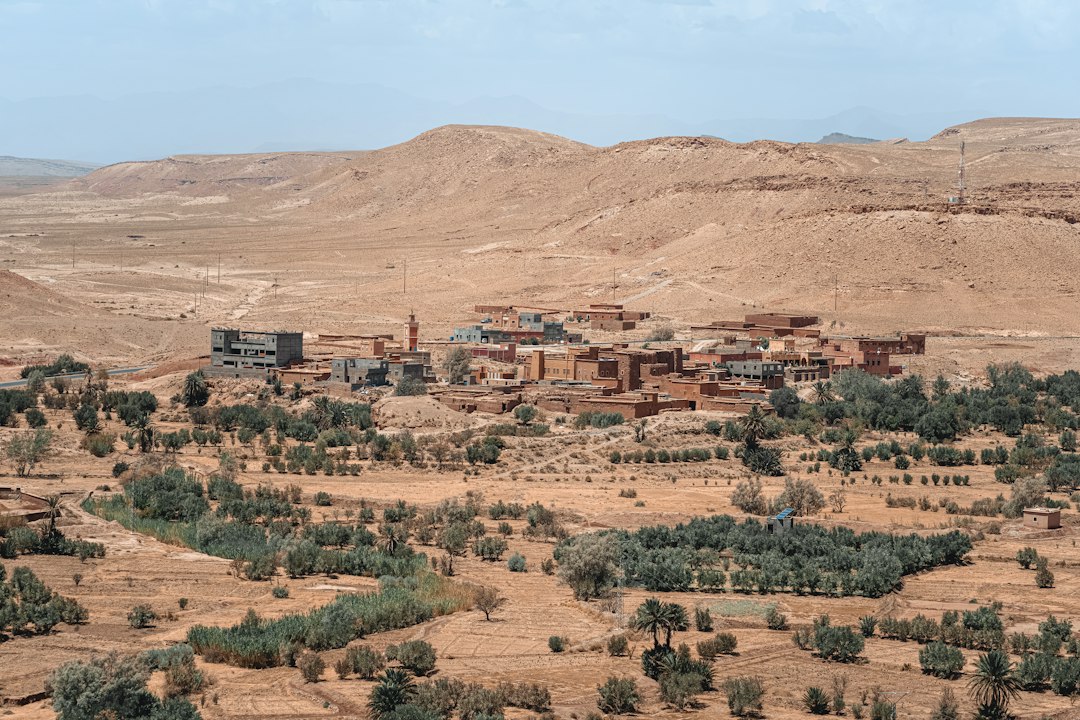
Bronze Age Morocco witnessed the nascent stages of settled agriculture, a transformative shift that laid the groundwork for future societal development. This era, roughly spanning from the 3rd to the early 1st millennium BCE, saw communities move beyond purely nomadic or semi-nomadic lifestyles to embrace a more sedentary existence centered around the cultivation of crops and the domestication of animals. The arid and semi-arid landscapes of what is now Morocco presented unique challenges and opportunities for these early farmers. Their ingenuity in adapting to these conditions, developing tools, and understanding local ecosystems is a testament to their resilience and innovation. Evidence for these early agricultural practices comes from archaeological excavations, analysis of ancient pollen and seed remains, and the study of settlement patterns. These findings paint a picture of a society deeply connected to the land, utilizing a suite of techniques to harness its potential for sustenance.
The Dawn of Cultivation: Identifying Early Crops and Livestock
The transition to agriculture was not a sudden revolution but a gradual process, likely involving the adoption and adaptation of already known domesticates. Archaeological evidence suggests that a diverse range of crops and animals formed the backbone of Bronze Age Moroccan farming. The selection of these species was dictated by the prevailing climate, soil types, and the intrinsic characteristics of the plants and animals themselves. Understanding this agricultural repertoire provides crucial insights into the dietary habits, economic strategies, and environmental interactions of these ancient communities.
Grain and Legume Staples: Seeds of Civilization
The most significant indicator of early agriculture is the presence of cultivated grains and legumes. Analysis of carbonized seeds and pollen samples recovered from Bronze Age sites in Morocco points to the cultivation of several key crops. Wheat, particularly durum wheat (Triticum durum) and possibly emmer wheat (Triticum dicoccum), was likely a staple. These varieties are well-suited to drier climates and are a good source of carbohydrates and protein. Barley (Hordeum vulgare) also appears to have been a significant crop, known for its hardiness and ability to grow in marginal soils. The cultivation of these cereals provided a reliable food source, allowing for the storage of surplus and contributing to population growth and settlement stability.
Beyond cereals, pulses like lentils (Lens culinaris) and chickpeas (Cicer arietinum) were likely part of the agricultural landscape. These legumes are nitrogen-fixing, meaning they enrich the soil, a crucial benefit in early agricultural systems that lacked artificial fertilizers. They also provided valuable protein, complementing the nutritional profile of cereal-based diets. The cultivation of these diverse plant species suggests a sophisticated understanding of crop rotation and soil management, even in its rudimentary form.
Herding and Husbandry: The Role of Domesticated Animals
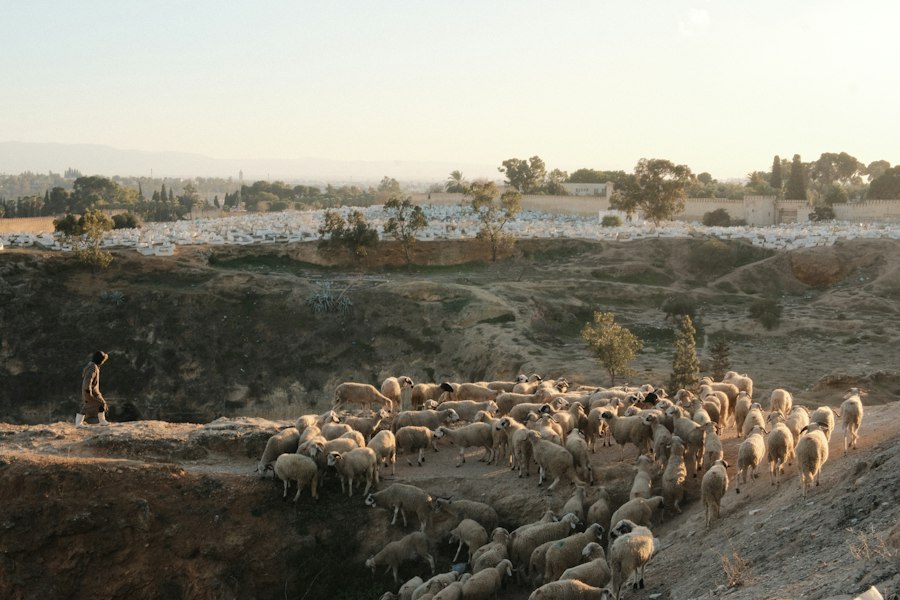
Alongside plant cultivation, the domestication and herding of animals played a pivotal role in the Bronze Age Moroccan economy. These animals provided not only a source of protein and fats but also valuable by-products such as milk, wool, and hides, and were essential for draft power and manure. The primary domesticated animals identified through faunal remains at Bronze Age sites include sheep (Ovis aries) and goats (Capra aegagrus hircus). These hardy ruminants are well-adapted to mountainous and arid environments, making them ideal for the Moroccan terrain. Their ability to graze on sparse vegetation also made them efficient converters of biomass into food and other resources.
Cattle (Bos taurus) were also present, though perhaps less ubiquitous than sheep and goats, likely requiring more substantial grazing land and water resources. Their presence indicates a greater investment in land management and possibly the beginnings of more settled pastoralism. Pigs (Sus scrofa domesticus) are also found in some assemblages, though their dietary requirements and management might have presented different challenges. The presence of these diverse domesticates suggests a mixed farming economy, where the integration of animal husbandry and crop cultivation provided a resilient and multifaceted system for survival.
The study of ancient farming practices in Morocco during the Bronze Age reveals significant insights into the agricultural techniques and societal structures of early civilizations in the region. This period marked a transition in farming methods, as communities began to adopt more advanced tools and irrigation systems, which allowed for increased crop yields and the growth of settlements. For those interested in exploring how ancient civilizations adapted to their environments, a related article discussing geological changes and their impacts on human history can be found at this link.
Tools of the Trade: Innovations in Agricultural Technology
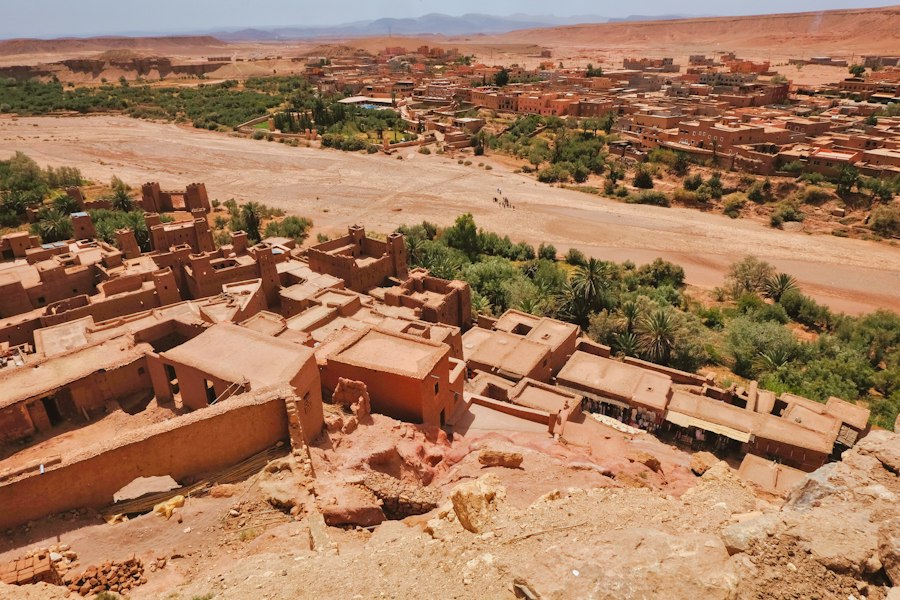
The success of early agriculture in Morocco was intrinsically linked to the development and adoption of tools that facilitated land preparation, cultivation, and harvesting. While the archaeological record for tools can be fragmented, the types of materials available and the demands of the agricultural tasks provide strong inferences about the technologies employed. These tools, though perhaps simple by modern standards, represented significant advancements for their time, enabling greater efficiency and allowing for the expansion of cultivated areas.
Ground Stone and Bone Implements: The First Agricultural Arsenal
The primary tools for early agricultural work in Bronze Age Morocco were likely made from readily available natural materials. Ground stone tools, such as axes, adzes, and hoes, would have been crucial for clearing land, breaking up soil, and preparing fields. These tools, crafted from hard stones like basalt or flint, would have been painstakingly ground and polished to achieve functional edges. Their presence in archaeological contexts signifies the direct engagement of communities with the task of reshaping their environment for agricultural purposes.
Bone and antler tools also played a role. Awls, scrapers, and perhaps even digging sticks fashioned from animal bones could have been used for finer tasks such as planting seeds or weeding. The use of bone also speaks to the integrated nature of Bronze Age economies, where every part of a hunted or herded animal was utilized. The limited availability of metal at the very early stages of the Bronze Age means that these stone and bone implements formed the backbone of the agricultural toolkit.
The Emergence of Metal: A Turning Point in Cultivation?
While the Bronze Age is characterized by the use of bronze, its adoption for agricultural tools in Morocco during this period was likely gradual and perhaps limited. Early bronze, being a relatively scarce and valuable material, might have been reserved for more prestigious or specialized implements. However, the gradual introduction of metalworking would have eventually led to the production of more durable and efficient tools, such as sickle blades for harvesting grain. The development of metal sickles, even if not widespread initially, would have significantly improved the efficiency of harvesting, allowing for the collection of larger yields and reducing the labor intensity of this crucial task. The potential for metal axes and other digging implements to outperform their stone counterparts also marks a significant technological leap, facilitating larger-scale land clearing and cultivation. The precise timeline and extent of metal tool adoption for agriculture in Bronze Age Morocco remain areas of ongoing archaeological investigation.
Water Management and Land Use: Adapting to the Moroccan Environment
The success of agriculture in a region with significant climatic variability, like Morocco, hinges on effective water management and strategic land use. Bronze Age communities would have developed ingenious methods to harness scarce water resources and to utilize the land in ways that maximized their agricultural output while minimizing soil degradation. These practices, born out of necessity and generations of accumulated knowledge, demonstrate a deep understanding of the local environmental conditions.
Ancient farming practices in Morocco during the Bronze Age reveal fascinating insights into the agricultural techniques that shaped early civilizations. The development of irrigation systems and crop cultivation not only supported local communities but also facilitated trade and cultural exchange across regions. For a deeper understanding of how ancient societies prepared for challenges, you might find this article on prepping strategies interesting, as it draws parallels between historical practices and modern survival techniques. Check it out here.
Harnessing Scarce Resources: Irrigation and Water Collection
Water scarcity was a persistent challenge for Bronze Age farmers in Morocco. Evidence suggests that communities employed various strategies to collect and conserve water. In areas with more consistent rainfall, simple diversion channels might have been used to direct surface water to cultivated fields. In drier regions, the construction of small, localized reservoirs or cisterns to capture rainwater would have been essential. These structures, often built into natural depressions or dug into the earth, would have provided a vital water supply during dry spells.
The proximity of settlements to reliable water sources, such as perennial rivers or springs, would have been a primary factor in site selection. Some scholars hypothesize that early forms of rudimentary irrigation, such as flooding techniques or simple gravity-fed channels, might have been employed where topographic conditions permitted. The effectiveness of these methods would have been directly tied to the availability of labor and the social organization of the community, highlighting the interplay between technology, environment, and social structures.
Terracing and Soil Conservation: Working with the Landscape
The hilly and mountainous terrain of much of Morocco necessitated specialized land management techniques. Terracing, the creation of level platforms on slopes, was likely a crucial practice for both soil conservation and maximizing arable land. By constructing retaining walls of stone, early farmers could create stable, flat surfaces on hillsides, preventing soil erosion from rainfall and allowing for more controlled irrigation. These terraces would have also created microclimates, potentially offering some protection to crops from wind and extreme temperatures.
The selection of land for cultivation would have also been a careful process, favoring areas with more fertile soils and adequate drainage. Practices such as fallowing, where land is left uncultivated for a period to allow it to recover its fertility, would have been essential for sustainable agriculture, particularly in systems without the benefit of modern fertilizers. The careful placement of settlements, often on elevated ground for defensive purposes and proximity to both water and agricultural land, further underscores the integrated approach to land use.
Settlement Patterns and Social Organization: Agriculture’s Impact on Community Life
The adoption of agriculture had profound implications for the social organization and settlement patterns of Bronze Age Moroccan communities. The ability to produce surplus food allowed for the development of more permanent settlements, leading to increased population density and the emergence of more complex social structures. The organization of labor required for agricultural tasks, water management, and land preparation also shaped community interactions and decision-making processes.
From Nomadic Mobility to Permanent Dwellings: The Rise of Villages
The shift towards

They Found a 4,000-Year-Old Defense Line in Morocco
FAQs
What crops were commonly grown in ancient Morocco during the Bronze Age?
During the Bronze Age in Morocco, common crops grown by ancient farmers included barley, wheat, olives, grapes, and figs.
Did ancient Moroccan farmers use irrigation techniques in their farming practices?
Yes, ancient Moroccan farmers utilized various irrigation techniques such as canals, wells, and water diversion systems to ensure their crops received sufficient water for growth.
What types of tools and equipment did ancient Moroccan farmers use for farming?
Ancient Moroccan farmers used tools such as plows, sickles, hoes, and shovels made from materials like stone, wood, and bronze to cultivate the land and harvest their crops.
How did the geography of ancient Morocco influence farming practices during the Bronze Age?
The diverse geography of ancient Morocco, including fertile coastal plains, mountainous regions, and arid deserts, influenced the types of crops grown and farming techniques used by ancient farmers in different regions.
Were livestock such as cattle, sheep, and goats important to ancient Moroccan farming communities?
Yes, livestock such as cattle, sheep, and goats played a crucial role in ancient Moroccan farming communities, providing not only meat and dairy products but also serving as sources of labor for tasks like plowing fields.