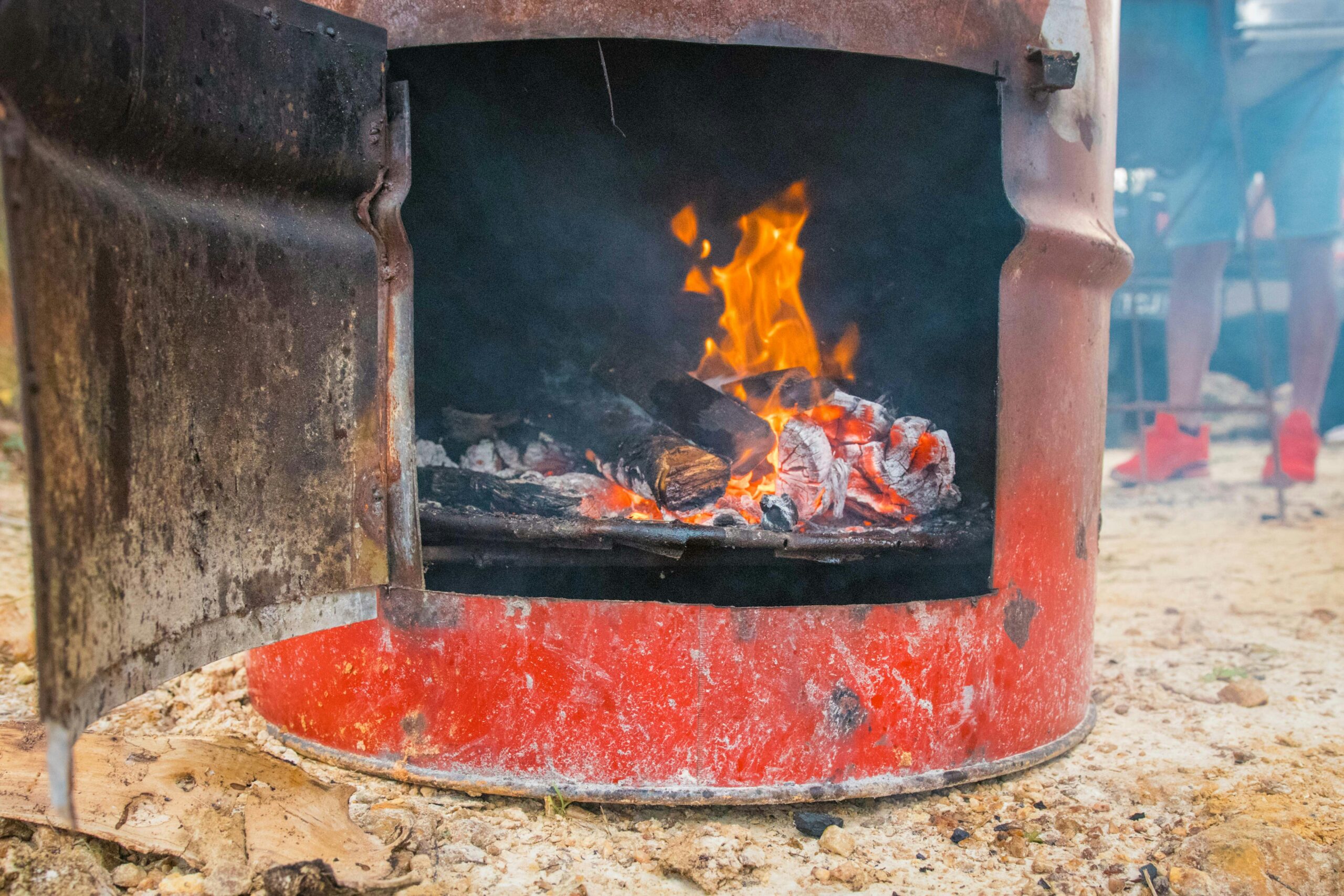
The flickering flame, a primal symbol of warmth, light, and sustenance, has been a cornerstone of human civilization for millennia. Before the advent of the simple match, the ability to create and, perhaps more crucially, preserve fire was a profound skill, a testament to human ingenuity and observation of the natural world. The process of maintaining a constant ember, or restarting a fire from its ashes, was not merely a convenience; it was a matter of survival, dictating daily routines, social structures, and the very expansion of human settlements. Understanding these ancient methods offers a unique glimpse into the resourcefulness and deep connection our ancestors had with their environment.
The Sacred Spark: Genesis of Fire Creation
The initial spark of fire was a monumental achievement, a transition from a world governed by the caprices of lightning or spontaneous combustion to one where humans could harness this transformative element. While the exact moment of “discovery” is lost to the mists of prehistory, archaeological evidence points to several key methods employed by early hominids. These techniques, honed over countless generations, were more than just practical; they often carried significant cultural and spiritual weight, as fire itself was revered.
Friction-Based Ignition: The Art of the Ember
The most widely recognized and arguably earliest method of fire creation involved friction. This was not a single technique but a family of related approaches, each requiring specific materials, considerable skill, and immense patience. The fundamental principle was to convert mechanical energy into heat through rapid friction, creating a small, glowing ember that could then be transferred to tinder and coaxed into flame.
The Hand Drill: A Timeless Technique
The hand drill, one of the most basic friction methods, involved a straight spindle, typically made of a hard wood, being rapidly spun between the palms of the hands. This spindle was pressed against a hearth board, a softer piece of wood with a small notch cut into its edge. As the spindle rotated, it ground away wood dust, which collected in the notch. The continuous friction generated enough heat to ignite this dust, forming a glowing ember. The skill lay in maintaining consistent pressure and speed while simultaneously collecting the smoldering dust. The choice of woods was critical: a hard, dry spindle against a softer, dry hearth board was essential. Various cultures across the globe, from indigenous Australians to Native Americans, employed variations of the hand drill, demonstrating its efficacy and universality.
The Bow Drill: Amplifying Rotational Force
A significant advancement in friction-based fire starting was the development of the bow drill. This ingenious device dramatically increased the rotational speed and pressure that could be applied to the spindle. It consisted of a bow, typically made from a flexible branch and a cord (often made of sinew or plant fiber), a spindle, a bearing block (a handhold to apply downward pressure), and a hearth board. The cord of the bow was wrapped around the spindle, and by sawing the bow back and forth, the spindle could be spun at a much higher rate than with the hand drill alone. This resulted in faster ember formation and a greater chance of success, especially in challenging conditions. The bow drill required more components and a greater degree of coordination, but its efficiency made it a preferred method for many.
The Fire Plow: A Less Common but Effective Approach
Another friction method, though perhaps less widespread than the drill-based techniques, was the fire plow. This involved a hard stick (the plow) being rubbed vigorously back and forth along a groove in a softer piece of wood (the base). Similar to the other methods, the friction generated fine wood dust that accumulated at the end of the groove. With persistent plowing, this dust would heat up and eventually ignite, forming an ember. The fire plow required a specific set of wood combinations and a precise angle of pressure, making it a skill that demanded practice and intimate knowledge of the materials.
Percussion-Based Ignition: The Spark of Stone
While friction was a dominant method for generating embers, the striking of certain types of rocks together could produce sparks. This percussion method was likely discovered through the observation of flintknapping, the process by which early humans shaped stone tools.
Pyrite and Flint: A Dynamic Duo
The most common combination for percussion fire starting involved pyrite (a metallic mineral containing iron sulfide) and flint (a hard sedimentary rock). When struck together with sufficient force, small fragments of pyrite would break off and, upon contact with oxygen in the air, would oxidize rapidly, producing a hot spark. This spark would then need to be directed onto a very fine, easily ignitable tinder. The challenge with this method was not just creating the spark but effectively catching it. Specialized tinder, often highly processed to be extremely fluffy and dry, was crucial for success.
The history of fire preservation before the invention of matches is a fascinating topic that highlights humanity’s ingenuity in harnessing one of nature’s most essential elements. Early humans relied on various methods, such as using flint and steel or maintaining a continuous fire, to ensure they had a reliable source of heat and light. For those interested in exploring more about the innovative ways humans have interacted with their environment, you might find the article on subglacial lakes in Antarctica intriguing. It delves into the secrets of these hidden ecosystems and how they reflect our understanding of natural preservation. You can read more about it here: Uncovering the Secrets of Subglacial Lakes in Antarctica.
Nurturing the Flame: The Art of Ember Preservation

Creating fire was a significant achievement, but maintaining it was often the greater challenge. Before the luxury of a readily available flame, an ember, a small, glowing remnant of a fire, was a precious commodity. Its preservation meant the difference between a warm night and a cold one, between cooked food and raw, between safety and vulnerability. Ancient peoples developed sophisticated techniques to keep embers alive for extended periods, ensuring they could be reignited when needed.
The Insulated Cache: Shielding the Heat
The primary strategy for ember preservation revolved around insulation. By minimizing the amount of oxygen available to the ember and shielding it from external temperature fluctuations, its slow smolder could be sustained for hours, even days.
Ash Burial: A Timeless Sanctuary
Perhaps the most common and effective method of ember preservation was burial in ash. Once a fire had died down to glowing coals, these would be carefully gathered and placed within a mound of fine, dry ash. The ash acted as an excellent insulator, trapping heat and reducing the flow of oxygen. The ember would continue to smolder slowly, protected from drafts and sudden temperature drops. To reignite, the ash would be carefully disturbed, and fresh tinder would be introduced to the glowing ember. This method was incredibly effective and required minimal additional materials, making it a staple across diverse cultures.
Clay and Earth Encapsulation: A More Permanent Solution
For longer-term preservation, some cultures employed more robust methods of encapsulation. This could involve carefully packing a glowing ember into a ball of moist clay or burying it within a thick layer of damp earth. The moisture in the clay or earth would help regulate the temperature, preventing the ember from burning too quickly, while the dense material provided significant insulation. Once removed from its protective casing, the ember would often be revived by gently blowing on it or placing it in a new tinder bundle. This method was particularly useful for travel or when anticipating extended periods without access to fire.
The Traveling Ember: Fire on the Move
The necessity of carrying fire between locations spurred the development of portable ember carriers. These devices were designed to protect a glowing ember while allowing for a minimal, controlled supply of air to keep it alive during transit.
The Seed Pod or Gourd Carrier: Natural Vessels of Warmth
Many cultures utilized natural hollow vessels for transporting embers. Dried gourds, large hollowed-out seed pods, or even carved wooden containers lined with insulating materials like moss or ash were employed. A carefully placed ember, often nestled within a bed of ash or dried grass, would be placed inside. A small hole or a loosely fitted lid would allow for just enough air circulation to prevent the ember from extinguishing. These portable fire carriers were crucial for nomadic peoples or for journeys between villages.
The Fungal Hearth: An Unexpected Ally
Certain types of fungi, particularly those with a dense, spongy structure like the tinder fungus (often derived from the Fomes fomentarius mushroom), were also used to transport embers. When treated, these fungi could smolder for extended periods. An ember could be carefully placed within the treated fungus, which would then act as a slow-burning, insulated carrier. This method was particularly effective as the fungal material itself was highly resistant to combustion, further protecting the ember.
The Art of the Tinder Bundle: Capturing the Faintest Glow

Regardless of the method used to create or preserve an ember, the ultimate goal was to transform that tiny spark into a vibrant flame. This critical step relied heavily on the quality and preparation of the tinder bundle – a collection of extremely dry, fine, and easily ignitable material. Without excellent tinder, even the hottest spark or the most robust ember would be in vain.
Material Selection: Nature’s Finest Flammables
The choice of tinder material was paramount. Different environments offered different resources, and successful fire-makers possessed an intimate knowledge of which plants and natural substances held the greatest potential for ignition.
Plant Fibers: The Foundation of Fire
Many plant-based materials were favored for their fibrous nature and ability to trap air, which is essential for combustion. Dried grasses, shredded bark (particularly from trees like birch or cedar), cattail fluff, and the inner fibers of certain seed pods were commonly used. The key was ensuring these materials were absolutely dry; even a hint of moisture would prevent ignition.
Fungi and Mosses: Unexpectedly Effective
As mentioned earlier, certain types of fungi, like the tinder fungus, were exceptional tinder materials when properly prepared. Their fibrous interiors could hold a spark for a considerable time. Various types of dry mosses and even fine wood shavings could also serve as effective tinder.
Preparation Techniques: Maximizing Ignition Potential
Simply gathering dry material was often not enough. To create an optimal tinder bundle, extensive preparation was required, focusing on increasing surface area and achieving maximum dryness and fluffiness.
Shredding and Pulverizing: Creating a Feathery Nest
The selected tinder material would be meticulously shredded, rubbed, and pulverized until it formed a fine, fluffy, and airy mass. This increased the surface area exposed to oxygen and the potential ember, making it far more likely to catch a spark or ember. The goal was to create a “bird’s nest” – a loose, airy bundle that could cradle the initial glow.
Drying and Weatherproofing: Ensuring Readiness
Tinder had to be kept scrupulously dry. This meant storing it in waterproof containers, wrapping it in animal hides, or keeping it close to the body for warmth and protection from moisture. If tinder became damp, it would be painstakingly dried in the sun or near a carefully tended fire before use.
Rekindling the Flame: From Ember to Inferno
The moment of truth arrived when a preserved ember or a freshly created one was presented to the prepared tinder bundle. This was a delicate and often dramatic process, requiring patience, controlled breathing, and a keen understanding of how fire spreads.
The Gentle Nurturing: Coaxing the First Flames
Once the ember was placed within the tinder bundle, the initial goal was to transfer the heat from the ember to the tinder without extinguishing the ember itself.
Blowing and Breathing: The Breath of Life
The most common method was to gently blow on the ember within the tinder bundle. This provided a controlled flow of oxygen, which, combined with the heat of the ember, would encourage the tinder to begin smoldering. The blowing needed to be gradual and steady, increasing in intensity as the tinder began to glow. Too much force too soon could blow the ember out.
Twisting and Shaking: Encouraging Oxygen Flow
Sometimes, the tinder bundle would be gently twisted or shaken to help distribute the heat and encourage oxygen circulation around the ember. This was done with extreme care to avoid dislodging the ember or scattering the tinder prematurely.
Fueling the Growth: From Tinder to Blaze
Once the tinder bundle showed signs of sustained smoldering or even small, flickering flames, the next stage was to introduce progressively larger fuel sources.
Kindling: The Intermediate Stage
Small, dry twigs and slivers of wood, known as kindling, were introduced to the nascent flame. These were typically pencil-lead to pencil-thickness in size. The goal was to provide enough fuel to allow the small flames from the tinder to gain purchase and grow.
Fuelwood: Sustaining the Fire
Once the kindling was burning well, larger pieces of dry wood – the fuelwood – would be added. This process continued, with larger and larger pieces of wood being added as the fire grew stronger. The careful selection of dry wood was essential, as wet wood would produce smoke but little sustained heat or flame.
The history of fire preservation before the invention of matches is a fascinating topic that highlights humanity’s ingenuity in harnessing one of nature’s most essential elements. Early civilizations relied on various methods such as flint and steel, as well as friction techniques, to create and maintain fire. These methods were crucial for survival, providing warmth, protection, and a means to cook food. For a deeper understanding of how such innovations have shaped human interactions and societal structures, you can explore this insightful article on political geography, which discusses the broader implications of resource management in human history. You can read more about it here.
Cultural Significance and the Future of Fire
| Period | Fire Preservation Method | Description | Region |
|---|---|---|---|
| Prehistoric Era | Ember Carrying | Carrying glowing embers in containers made from bark or stone to transport fire. | Worldwide |
| Neolithic Period | Fire Pits and Hearths | Construction of permanent fire pits to keep fire alive for extended periods. | Various early human settlements |
| Ancient Egypt | Fire Bow Drill | Use of a bow drill to create friction and maintain fire; embers preserved in containers. | Egypt |
| Ancient China | Fire Steels and Flint | Striking flint against steel to create sparks and preserve fire embers. | China |
| Medieval Europe | Fire Strikers and Tinderboxes | Use of metal strikers and tinderboxes to generate sparks and keep fire ready. | Europe |
| Before 1826 | Flint and Steel Matches | Portable fire-starting tools using flint and steel before the invention of friction matches. | Worldwide |
The ability to create and maintain fire was not merely a practical skill; it was deeply woven into the fabric of ancient societies. Fire was the center of communal life, a source of protection from predators, a means of cooking and preserving food, and a vital tool for shaping the environment through land management and crafting. The knowledge of fire-making and preservation was often passed down through generations, sometimes guarded by specific individuals or groups within a community.
The Hearth as a Social Hub: Gathering and Storytelling
The hearth, the physical location of the fire, was often the social and spiritual heart of a dwelling or settlement. It was where families gathered for warmth, nourishment, and shared activities. In the flickering light of the fire, stories were told, knowledge was imparted, and cultural traditions were maintained. The control of fire symbolized a mastery over the natural world, a step towards civilization.
Fire’s Role in Technology and Adaptation
Beyond its immediate uses, fire was a crucial catalyst for technological advancement. It enabled the development of pottery, metallurgy, and the hardening of tools. It allowed humans to expand into colder climates by providing warmth and enabling the creation of more sophisticated shelters. The ability to clear land through controlled burns also played a role in early agriculture and the shaping of landscapes.
The Legacy of Ancient Firecraft
While the invention of matches and lighters has revolutionized fire-starting in the modern era, the principles and techniques developed by ancient peoples remain relevant. Survival skills, reenactment groups, and a growing appreciation for primitive technologies often draw upon these ancient methods. Understanding how our ancestors harnessed fire offers profound insights into their resourcefulness, their deep connection to the natural world, and the enduring human drive to control and utilize one of nature’s most powerful forces. The quiet glow of an ember, carefully preserved and coaxed back to life, is a tangible link to a past where fire was not just a tool, but a precious, life-giving force.

Life 20,000 Years Ago: How Humans Survived the Ice Age
FAQs
1. How did ancient civilizations preserve fire before the invention of matches?
Ancient civilizations preserved fire by keeping a continuous flame burning using methods such as the fire drill, fire saw, or flint and steel.
2. What role did fire play in early human societies?
Fire was essential for early human societies as it provided warmth, protection from predators, a means to cook food, and a source of light in the darkness.
3. Were there specific individuals or groups responsible for maintaining fire in ancient times?
Yes, in many ancient societies, there were designated individuals or groups, such as fire keepers or priests, who were responsible for maintaining the sacred fire and ensuring it never went out.
4. How was fire preservation linked to religious or spiritual beliefs in ancient cultures?
Fire was often seen as a sacred element in many ancient cultures, symbolizing purity, protection, and divine power. The preservation of fire was closely tied to religious rituals and beliefs.
5. What impact did the invention of matches have on fire preservation practices?
The invention of matches in the 19th century revolutionized fire preservation practices, making it much easier for individuals to start and maintain fires without the need for complex tools or techniques.