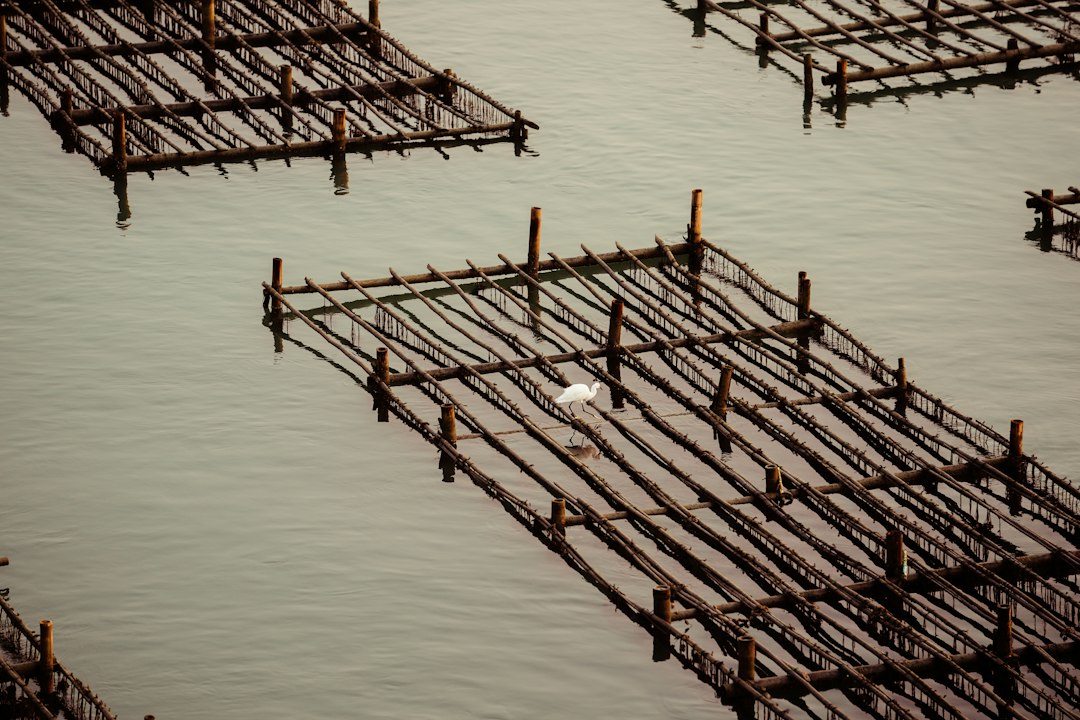
The art of fishing, a practice as old as humanity itself, has evolved dramatically over millennia. While modern technology offers sophisticated tools for oceanic bounty, the wisdom embedded in ancient fishing techniques continues to resonate, particularly in the design of fish traps. These structures, often built from readily available natural materials, represent a profound understanding of aquatic ecosystems and a remarkably sustainable approach to resource management. The ingenuity of ancient fish trap fences lies not just in their effectiveness but in their inherent harmony with the environment, a stark contrast to many contemporary industrial fishing methods. Exploring these time-tested designs reveals principles that remain relevant for fostering long-term ecological health and ensuring the continued availability of marine resources.
The Genesis of the Ancient Fish Trap: Early Innovations in Aquatic Resource Management
The earliest evidence of structured fishing practices points towards the construction of barriers designed to intercept or channel fish. These rudimentary yet effective systems predate the invention of advanced nets and sophisticated seafaring vessels, highlighting a fundamental human drive to secure food sources through passive means. The simplicity of their construction often belies the deep ecological knowledge that informed their placement and design. Understanding the origins of these traps is crucial to appreciating their enduring legacy and their contribution to the development of sustainable fishing practices.
Early Evidence and Archaeological Discoveries
Archaeological excavations across the globe have unearthed compelling evidence of ancient fishing structures. In coastal regions, particularly in areas with significant tidal fluctuations or riverine environments, remnants of stone walls, woven branches, and strategically placed formations have been discovered. These findings suggest that early human populations, even in prehistoric times, possessed a sophisticated understanding of fish behavior and migration patterns. Sites in Scotland, for instance, have yielded evidence of tidal fish traps dating back thousands of years, consisting of carefully constructed stone enclosures that would trap fish during high tide and then hold them as the water receded. Similar structures have been identified in various parts of the world, from the Mediterranean to North America, demonstrating a widespread and independent development of this fishing strategy. The consistent presence of these traps across diverse cultures and geographies underscores their universal effectiveness and adaptability.
The Ecological Rationale Behind Passive Trapping
The fundamental principle behind ancient fish trap fences is their reliance on natural forces to achieve their objective. Unlike active fishing methods that chase and capture prey, passive traps utilize currents, tides, and the inherent movement of fish. This approach minimizes disturbance to the aquatic environment, a key characteristic of sustainable practices. By channeling fish into confined spaces, these traps allow for selective harvesting without the widespread disruption often associated with trawling or large-scale netting. The ecological rationale is deeply rooted in observation: understanding where fish naturally congregate, how they navigate currents, and their seasonal movements allowed ancient peoples to design structures that worked with the ecosystem, rather than against it. This foresight ensured that fish populations could replenish themselves, maintaining a steady and reliable food source over generations.
The fascinating design of ancient fish trap fences showcases the ingenuity of early civilizations in utilizing natural resources for sustenance. These structures, often made from local materials, were strategically placed in waterways to catch fish efficiently, reflecting a deep understanding of aquatic ecosystems. For those interested in the broader implications of historical practices on societal development, a related article discussing the decline of literacy after the Dark Ages can provide valuable insights into how such shifts in knowledge and technology influenced communities. You can read more about it here: The Decline of Literacy After the Dark Ages: Factors and Consequences.
Principles of Design: Mimicking Nature for Optimal Catch
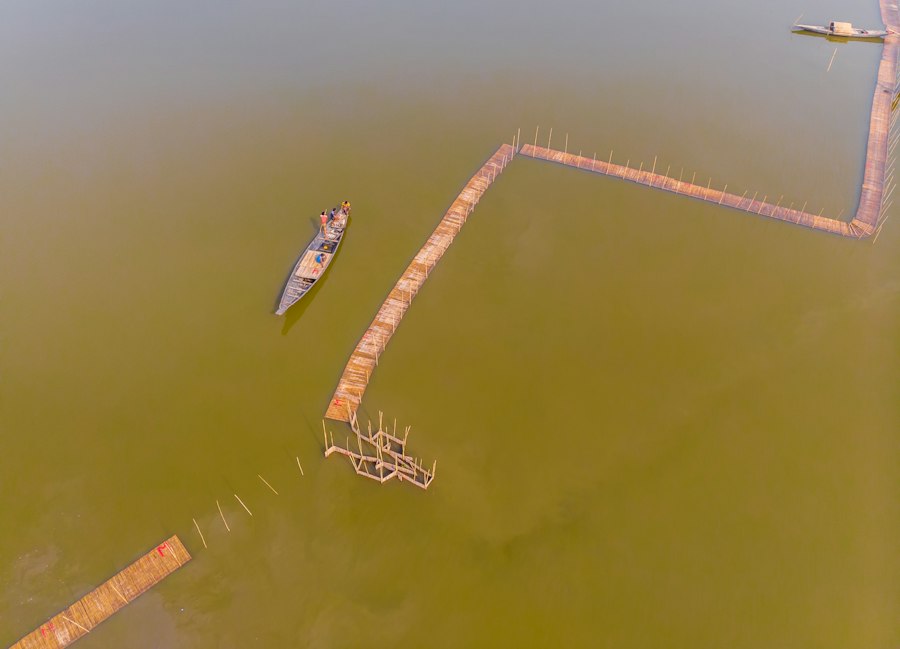
The effectiveness of ancient fish trap fences is a testament to their ingenious design, which often cleverly mimics natural aquatic features. These structures were not haphazard constructions; rather, they were meticulously planned and executed, drawing upon generations of accumulated knowledge about local waterways and fish behavior. The underlying principles of their design are remarkably consistent, focusing on elements that guide, funnel, and ultimately capture fish with minimal effort and ecological impact.
Incorporating Natural Topography and Water Flow
A cornerstone of ancient fish trap design was the astute utilization of existing geographical features. Rivers, estuaries, and coastlines provided natural conduits for fish migration, and ancient engineers ingeniously leveraged these patterns. The placement of traps often coincided with natural constrictions in waterways, shallow areas where fish might seek refuge, or points along migratory routes. For example, V-shaped or funnel-shaped barriers were commonly employed, expertly aligning with natural water flow to direct fish into a central enclosure. These designs often incorporated the natural ebb and flow of tides, allowing traps to be filled during high tide and then be accessible for harvesting as the tide receded, leaving the fish stranded. The success of these designs lay in their ability to anticipate and harness the inherent movements of fish within their natural habitats, making them an integral part of the aquatic landscape rather than an intrusive element.
Material Selection: Durability and Environmental Integration
The materials used in constructing ancient fish traps were invariably local and renewable, reflecting a deep respect for the surrounding environment. Stones, logs, reeds, and woven branches were the primary building blocks, chosen for their availability, durability, and ability to blend seamlessly with the natural setting. Stone traps, often seen in intertidal zones, were built with carefully selected rocks that could withstand the constant battering of waves and currents. Wooden stakes, driven deep into riverbeds, formed the framework for woven traps, with pliable branches and reeds interlocked to create a porous yet effective barrier. The choice of materials was not solely based on practicality; it also contributed to the traps’ minimal ecological footprint. These natural materials would eventually biodegrade, returning to the environment without causing lasting pollution, a stark contrast to the plastic debris often associated with modern fishing gear. The integration of these materials ensured that the traps functioned not only as fishing tools but also as extensions of the natural environment, fostering a symbiotic relationship between human activity and aquatic life.
Ancient fish trap fence designs showcase the ingenuity of early civilizations in utilizing natural resources for sustenance. These structures, often made from locally sourced materials, demonstrate a deep understanding of aquatic ecosystems and fish behavior. For those interested in exploring how historical practices can inform modern strategies, a related article discusses the importance of preparedness in various aspects of life, including financial planning. You can read more about it in this insightful piece on being ready for unexpected challenges by following this link: financial emergency planning.
The Art of the Funnel and Enclosure: Guiding and Capturing
The core functionality of most ancient fish trap fences revolves around the concept of funneling and enclosure. The design typically features an initial guiding structure, such as a long wall or a series of stakes, that intercepts fish moving along a natural path. This guiding structure then subtly directs the fish towards a narrower opening, a “funnel,” which leads into a holding area or “chamber.” This chamber is designed to be a safe haven for the fish, often with outlets that allow smaller, undesirable species or juvenile fish to escape, thereby promoting selectivity. The enclosure itself might be a simple stone pen, a woven basket-like structure, or a more elaborate series of chambers. The dimensions and complexity of these enclosures varied depending on the intended catch and the specific environment. The effectiveness of this funnel-and-enclosure system lies in its ability to exploit a fish’s natural inclination to move with the current and its tendency to seek confined spaces, guiding them towards a situation where escape becomes difficult without causing undue stress or harm.
Adaptability and Ingenuity: Diverse Designs for Varied Environments
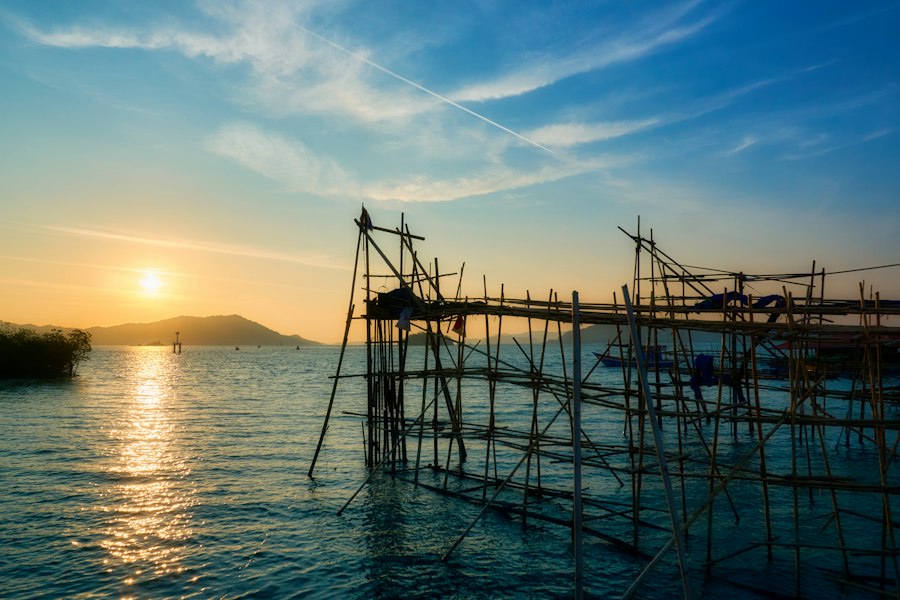
The brilliance of ancient fish trap fence designs lies in their remarkable adaptability to diverse aquatic environments and their ingenious solutions to specific challenges. From the turbulent open sea to the gentle flow of rivers, these structures were tailored to the unique characteristics of their locations, demonstrating a profound understanding of ecological nuances. This adaptability allowed ancient communities to sustainably harvest from a wide range of aquatic resources, ensuring food security and economic stability.
Coastal and Estuarine Traps: Harnessing Tidal Forces
In coastal and estuarine environments, the power of tidal movements was a fundamental element in trap design. These traps, often built from stone or wooden pilings, were strategically positioned to exploit the ebb and flow of the ocean. During high tide, the enclosures would be submerged, allowing fish to swim in freely. As the tide receded, the water levels would drop, leaving the fish trapped within the structure. These traps often featured carefully constructed walls with gaps or apertures that allowed larger marine life or debris to pass through, while retaining the desired fish. Some designs incorporated a series of progressively smaller chambers, further concentrating the catch as the water drained. The construction required a deep understanding of tidal patterns, wave action, and the species that frequented these intertidal zones. The goal was to create a passive barrier that efficiently captured fish without requiring constant human intervention, minimizing disturbance to the marine ecosystem.
Riverine Traps: Navigating Currents and Migratory Routes
Riverine environments presented a different set of challenges and opportunities for trap designers. Here, the focus was on channeling fish against or across the prevailing current and intercepting them during their upstream or downstream migrations. Wooden stakes, often driven into the riverbed in intricate patterns, formed the basis of many river traps. These stakes could be arranged in V-shapes, funnels, or elaborate zigzag patterns, designed to guide fish towards a central catching area. Woven materials, such as reeds and willow branches, were frequently used to fill the gaps between stakes, creating a more robust and effective barrier. Some river traps were designed to be seasonally deployed, taking advantage of specific spawning runs or migratory periods. The placement of these traps was crucial, often near natural obstructions like rapids, waterfalls, or narrow passages where fish were naturally funneled. The ingenuity lay in using the river’s own flow to assist in the trapping process, ensuring a consistent and predictable harvest without depleting local fish stocks.
Freshwater Lake and Pond Designs: Selective Harvesting and Habitat Integration
Even in the relatively calmer waters of freshwater lakes and ponds, ancient peoples devised effective trapping methods. These designs often prioritized selectivity, aiming to catch specific species while allowing others to pass through, thus promoting a balanced ecosystem. Traps in these environments might be constructed from woven reeds, branches, or even specialized nets anchored to the bottom. Some designs featured a single enclosure, while others employed a series of connected chambers to sort fish by size or species. The placement of these traps was often near aquatic vegetation, submerged logs, or other features that attracted fish seeking shelter or food. The objective was to create a passive harvesting system that could be regularly checked, allowing for the release of undersized or undesirable catches. The integration of these traps with the natural habitat was key; they were designed to be unobtrusive, minimizing any negative impact on the broader aquatic environment and its inhabitants.
Sustainability and Ecological Wisdom: Lessons for Modern Fishing
The ancient fish trap fence designs offer a compelling blueprint for sustainable fishing practices, demonstrating a profound respect for natural resources and a long-term perspective that is often lacking in modern industrial methods. By studying these time-tested techniques, contemporary fisheries can glean invaluable insights into how to achieve ecological balance while still meeting human needs. The principles embedded in these ancient structures hold the key to ensuring the health and abundance of our oceans and waterways for generations to come.
Minimizing Bycatch and Habitat Disturbance
A defining characteristic of ancient fish trap fences is their inherent ability to minimize bycatch and habitat disturbance. Unlike methods that indiscriminately sweep through vast swathes of ocean, traps are passive and localized. Their construction often utilized natural materials that were either biodegradable or carefully placed to cause minimal disruption to the seabed or riverbed. The selectivity inherent in many designs, allowing smaller or non-target species to escape through specific apertures or escape routes, is a stark contrast to the often devastating bycatch rates of modern industrial fishing. This focus on targeted capture meant that ecosystems remained largely intact, allowing fish populations to reproduce and thrive. The gentle nature of these traps ensured that the delicate balance of aquatic life was preserved, a lesson sorely needed in today’s overfished seas.
Resource Management and Long-Term Viability
The longevity of these ancient fishing techniques is a testament to their embedded principles of resource management and long-term viability. Ancient communities understood that overharvesting would lead to depletion, threatening their own food security. Their trapping methods were designed to take only what was needed, allowing fish populations to replenish themselves naturally. This cyclical approach ensured a consistent and sustainable food source over extended periods, fostering a harmonious relationship between humanity and nature. The adaptive designs, which could be modified to suit changing environmental conditions or fish populations, further contributed to their enduring success. By observing and respecting the natural rhythms of the aquatic world, these ancient societies established a model of sustainable resource utilization that remains profoundly relevant.
Inspiration for Modern Sustainable Fisheries
The enduring wisdom of ancient fish trap fence designs offers a rich source of inspiration for modern sustainable fisheries. In an era grappling with declining fish stocks and environmental degradation, these ancestral techniques provide practical and ethical alternatives. The emphasis on passive capture, selective harvesting, and minimal habitat disturbance aligns perfectly with the goals of contemporary conservation efforts. By re-examining and adapting these traditional methods, fisheries can move towards practices that are not only more environmentally sound but also more economically sustainable in the long run. The lessons learned from the ingenious designs of our ancestors can guide us towards a future where fishing and ecological health are not mutually exclusive, but rather complementary aspects of a thriving planet. The humble fish trap, a product of ancient ingenuity, holds the potential to revolutionize our approach to marine resource management.

The 7,000-Year-Old Secret Hidden Under a Lake
FAQs
What is an ancient fish trap fence design?
An ancient fish trap fence design is a type of fishing structure used by ancient civilizations to catch fish. It consists of a series of fences or barriers built in the water to guide fish into a trap or enclosure.
Where were ancient fish trap fences commonly used?
Ancient fish trap fences were commonly used in coastal areas, rivers, and lakes by various ancient civilizations around the world. Examples of these civilizations include the Native American tribes in North America, the Maori people in New Zealand, and the ancient Egyptians.
How were ancient fish trap fences constructed?
Ancient fish trap fences were typically constructed using natural materials such as wood, stones, and reeds. These materials were woven or stacked together to create barriers in the water that would direct fish towards a central trap or enclosure.
What was the purpose of using fish trap fences in ancient times?
The primary purpose of using fish trap fences in ancient times was to efficiently catch fish for food. By strategically placing these fences in bodies of water, ancient civilizations were able to corral and trap fish in large quantities, making fishing easier and more productive.
Are ancient fish trap fence designs still used today?
While ancient fish trap fence designs are not as commonly used today due to modern fishing techniques and regulations, some indigenous communities and conservationists still utilize these traditional fishing methods as a sustainable and environmentally friendly way to catch fish.