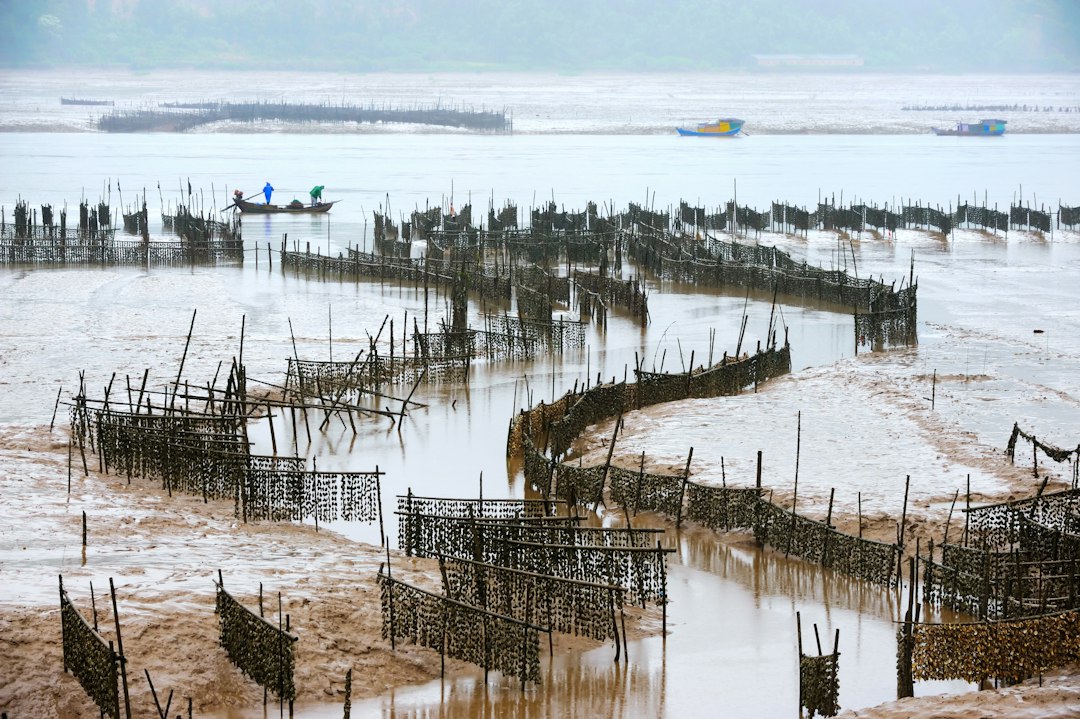
The Enduring Legacy of Stone and Tide: Understanding Ancient Fish Traps
Coastal communities worldwide have, for millennia, developed ingenious methods to harness the bounty of the sea. Among the most ancient and enduring of these are fish traps, often constructed from locally sourced materials, primarily stone. These remarkable structures, testament to human ingenuity and a deep understanding of marine ecosystems, represent a vital link to our past. They are not merely remnants of historical fishing practices but are also valuable archaeological sites offering insights into ancient diet, settlement patterns, technology, and social organization. The preservation of these ancient fish traps is therefore crucial, not only for understanding human history but also for recognizing their potential ecological significance and their role in a region’s cultural identity. They speak of a time when humans lived in closer harmony with their environment, adapting their strategies to the rhythms of the tides and the migrations of fish. The sheer scale and complexity of some of these traps, often visible only at low tide, hint at considerable collective effort and sophisticated knowledge passed down through generations. Their presence signifies a long and continuous human interaction with the coastal zone, a relationship that shaped both the landscape and the people.
The study and preservation of these structures are multifaceted, involving archaeological investigation, environmental monitoring, community engagement, and policy development. Each aspect plays a vital role in ensuring that these tangible pieces of history are safeguarded for future generations to appreciate and learn from. The stones, weathered by countless tides, bear witness to a rich and complex human story, a story that is increasingly threatened by the pressures of modern development, erosion, and neglect. Recognizing their value and implementing effective preservation strategies are therefore paramount.
The preservation of ancient fish traps offers valuable insights into early human ingenuity and resource management. For those interested in exploring the broader implications of territorial claims and resource utilization, a related article discusses the concept of sovereignty in an intriguing context. You can read more about this topic in the article titled “Is the Moon a Sovereign Territory?” available at this link.
Echoes of the Past: The Archaeological Significance of Fish Traps
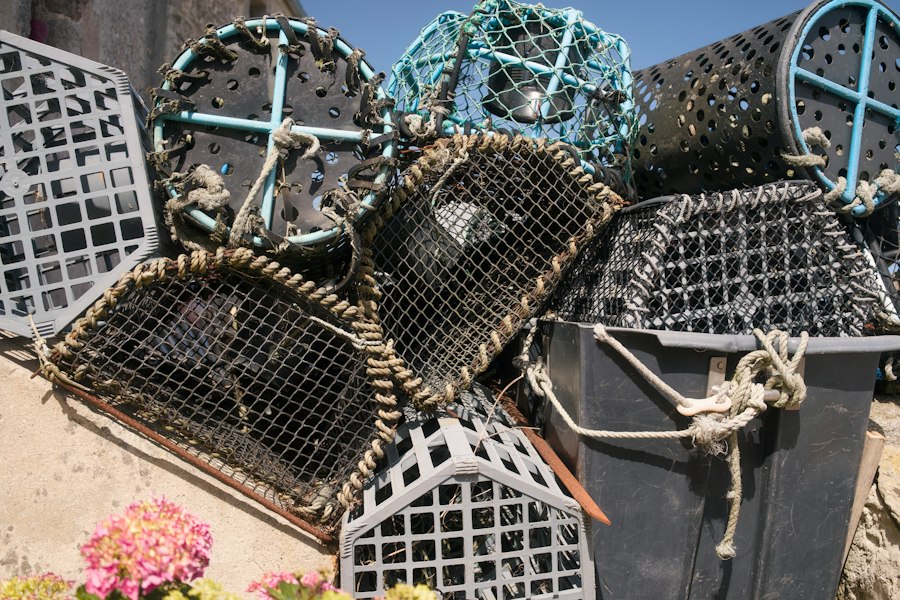
Ancient fish traps are more than just piles of rocks; they are archaeological repositories, offering a unique window into the lives of coastal peoples from prehistory to more recent historical periods. Their construction and use reveal a sophisticated understanding of tidal patterns, marine biology, and the behavior of fish species. The very placement and design of these traps are archaeological data points, providing clues about resource management, food security, and the daily lives of those who built and utilized them. The careful arrangement of stones, often in intricate patterns, demonstrates a level of planning and execution that speaks volumes about the societies that created them.
Unearthing Ancient Lifestyles Through Trap Design
The form and function of ancient fish traps are intrinsically linked to the environment in which they were built and the specific fish species they were designed to catch. Different designs catered to various conditions, from intertidal zones to deeper waters. Archaeologists meticulously study these designs to infer the targeted species, the seasonality of fishing, and the level of technological sophistication. For instance, traps designed with a narrow entrance and a wider, enclosed chamber suggest a method for trapping fish as the tide receded, forcing them into a confined space where they could be easily harvested. The size of the stones used, their placement, and the overall scale of the trap can indicate the manpower and organization required for their construction. Some traps are massive, extending for hundreds of meters, implying a significant communal effort and a vital reliance on their output.
The materials used are also telling. While stone is the most common, variations in stone type can indicate sourcing practices and trade networks. The presence of artifacts within or near the traps, such as discarded tools or pottery fragments, further enhances their archaeological value, providing direct evidence of human activity and the time periods in which they were in use. The analysis of faunal remains, if preserved, can offer direct insights into the diet and the success rate of these ancient fishing strategies.
Revealing Resource Management and Settlement Patterns
The distribution and density of ancient fish traps across a coastline can illuminate ancient settlement patterns and resource management strategies. A concentration of traps in a particular area might suggest a permanent or semi-permanent settlement, indicating a reliance on the marine environment for sustenance. Conversely, traps located in more remote areas could point to seasonal fishing camps or temporary resource exploitation. The scale of the traps and their proximity to habitation sites can also reveal information about the population size and the surplus food production capabilities of these communities.
These traps represent a sustainable form of fishing, designed to capture fish without depleting populations. Their continued use over extended periods suggests a sophisticated understanding of ecological balance and a commitment to long-term resource availability. This contrasts with some modern fishing methods that can lead to overexploitation. Studying these ancient practices can offer valuable lessons for contemporary approaches to fisheries management. The collective effort required to build and maintain these traps also underscores the importance of social organization and cooperation in ancient coastal societies.
The Tidal Palette: Environmental Factors and Trap Survival
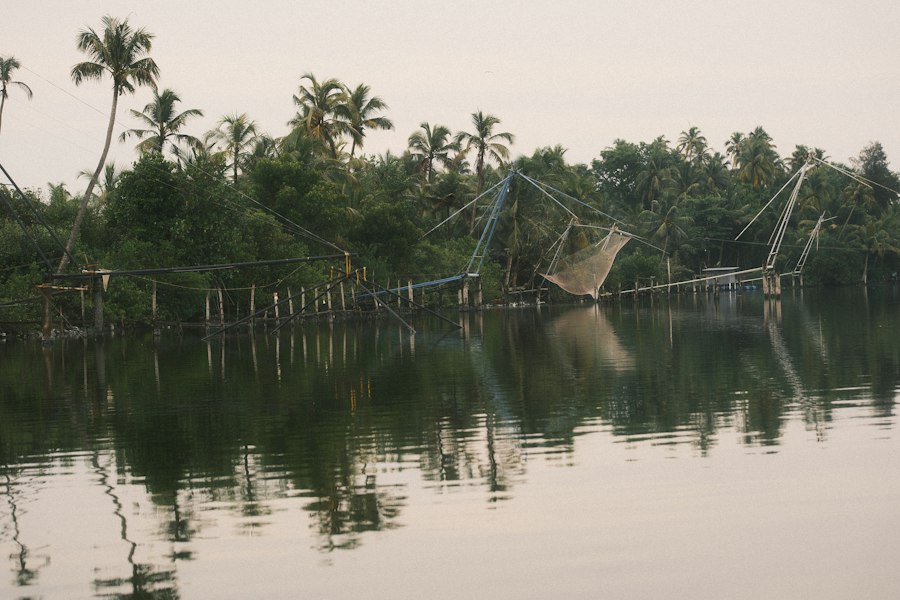
The survival and visibility of ancient fish traps are intimately tied to the dynamic interplay of natural forces, primarily the tides and coastal erosion. These structures, often built in intertidal zones, are constantly subjected to the relentless action of waves, currents, and sediment deposition. Understanding these environmental factors is crucial for both interpreting the archaeological record and for developing effective preservation strategies. The rhythm of the tides dictates when these traps can be seen and accessed, shaping human interaction with them throughout history.
Coastal Dynamics and Erosion Threats
The very environment that allowed for the construction and use of fish traps also poses a significant threat to their long-term survival. Coastal erosion, driven by rising sea levels, increased storm intensity, and human-induced changes to coastal processes, can lead to the destruction or significant alteration of these delicate structures. The relentless pounding of waves can dislodge stones, while shifting sediments can bury traps, making them invisible and inaccessible to archaeological study. Furthermore, the construction of coastal defenses, such as seawalls, can inadvertently disrupt natural sediment flows, leading to increased erosion in some areas and deposition in others, impacting the preservation of nearby traps.
Natural processes such as freeze-thaw cycles in colder climates can also contribute to the disintegration of stone structures. The constant wetting and drying cycles in intertidal zones can weaken mortar (if used) and cause the stones themselves to degrade over time. Careful monitoring of these environmental changes is essential for identifying traps at risk and for prioritizing preservation efforts. Predictive modeling of coastal erosion can help anticipate which traps are most vulnerable.
The Influence of Tides and Sedimentation
Tidal regimes play a dual role in the life of fish traps. On one hand, they facilitate the trapping of fish and make the structures accessible to people. On the other hand, the constant ebb and flow of the tide can lead to scouring and abrasion of the stones, gradually wearing them down. Sedimentation is another critical factor. While some sediment deposition can help protect traps by burying them and shielding them from direct wave action, excessive sedimentation can completely obscure them, rendering them invisible to archaeologists and the public. Conversely, periods of reduced sedimentation, perhaps due to altered riverine input or changing current patterns, can expose previously buried traps, making them vulnerable to further erosion.
Understanding the specific tidal characteristics of a location – such as tidal range, current speed, and wave exposure – is fundamental to comprehending the preservation status of its fish traps. This knowledge helps archaeologists and conservationists assess the rates of erosion and deposition, informing decisions about where and how to implement preservation measures. For example, in areas with high tidal scour, reinforcement of trap structures might be considered. In areas prone to rapid sedimentation, strategies to manage sediment flow might be explored.
Guardians of the Coast: Preservation Strategies and Challenges
The preservation of ancient fish traps is a complex undertaking, requiring a multidisciplinary approach that balances archaeological integrity with the practical realities of coastal environments and human interaction. Strategies must be tailored to the specific site conditions, the materials of the traps, and the surrounding socio-economic context. The challenges are numerous, ranging from funding and expertise to public awareness and regulatory hurdles.
Archaeological Intervention and Conservation
Archaeological intervention for fish trap preservation typically involves meticulous documentation, stabilization, and, in some cases, partial reconstruction. Thorough site surveys, including geophysical methods and photogrammetry, are crucial for creating detailed records before any intervention occurs. Stabilization efforts may involve carefully repositioning dislodged stones, reinforcing weakened sections with compatible materials, and employing erosion control measures around the structures. The goal is to maintain the authenticity of the trap, avoiding any interventions that might mislead future researchers or alter its historical context.
Conservationists must grapple with the inherent transience of these intertidal structures. Unlike terrestrial monuments, fish traps are intrinsically linked to the dynamic forces of the coast. Therefore, preservation often focuses on slowing down degradation rather than attempting to halt it entirely. This might involve removing invasive vegetation, mitigating the impact of boat traffic, or implementing naturalistic erosion barriers that blend with the coastal landscape. Decisions about the extent of intervention are often guided by the principle of minimum impact.
Community Engagement and Stewardship
Effective preservation of ancient fish traps is rarely achieved in isolation; it requires the active involvement and support of local communities. Coastal communities often have a deep, generational connection to these sites, understanding their historical significance and their place in local folklore. Engaging these communities through educational programs, volunteer opportunities, and participatory management initiatives can foster a sense of ownership and responsibility for the traps. Local knowledge can also be invaluable in understanding the historical use of the traps and identifying subtle signs of degradation.
These stewardship programs can involve regular monitoring of trap conditions, reporting any damage or erosion, and participating in clean-up efforts. Schools can incorporate the study of local fish traps into their curriculum, inspiring the next generation of guardians. For communities whose identity is closely tied to their coastal heritage, fish traps can become powerful symbols of cultural continuity and resilience, strengthening their connection to their ancestral past.
Policy, Planning, and Legal Frameworks
Protecting ancient fish traps necessitates robust policy frameworks and effective land-use planning. This includes identifying and legally protecting significant fish trap sites, often through designation as heritage sites or marine protected areas. Regulations governing coastal development, dredging, and maritime activities need to consider the presence and vulnerability of these historical structures. Integrating fish trap preservation into broader coastal zone management plans is essential to ensure that development does not inadvertently harm these invaluable resources.
Challenges arise from conflicting interests, such as economic development versus heritage conservation. Achieving a balance requires clear guidelines, effective enforcement mechanisms, and inter-agency cooperation. Securing adequate funding for research, monitoring, and conservation efforts is also a persistent challenge. Advocating for the inclusion of fish traps in national and international heritage inventories and seeking funding from heritage organizations can help address this. The legal protection of these sites ensures that they are not inadvertently destroyed by modern activities.
The preservation of ancient fish traps offers valuable insights into the fishing practices of early civilizations, showcasing their ingenuity and adaptation to local environments. Researchers are increasingly recognizing the importance of such archaeological findings in understanding human interactions with ecosystems. For a deeper exploration of how ancient civilizations adapted to their surroundings, you can read about the role of paleoclimate data in uncovering these histories in this article here.
The Future of Ancient Traps: Challenges and Opportunities
| Metric | Description | Value/Range | Unit | Notes |
|---|---|---|---|---|
| Age of Fish Traps | Estimated age of preserved ancient fish traps | 2,000 – 8,000 | Years | Varies by region and preservation conditions |
| Material Composition | Common materials used in ancient fish traps | Wood, Stone, Bone | Types | Wood often preserved in anaerobic conditions |
| Preservation Environment | Typical environments where fish traps are preserved | Wetlands, Riverbeds, Coastal Areas | Locations | Waterlogged conditions aid preservation |
| Trap Size | Average dimensions of ancient fish traps | 1 – 5 | meters (length) | Varies by culture and fish species targeted |
| Preservation Techniques | Methods used to preserve fish traps after discovery | Consolidation, Controlled Drying, Chemical Treatments | Methods | Depends on material and condition |
| Number of Sites | Known archaeological sites with preserved fish traps | 50+ | Sites | Globally distributed, especially in Australia and North America |
The future of ancient fish traps hinges on our ability to adapt preservation strategies to evolving environmental conditions and societal needs, while simultaneously harnessing new technologies and fostering global collaboration. The challenges are significant, but so too are the opportunities to learn from these enduring structures and to inspire a deeper appreciation for our shared coastal heritage. The ongoing dynamism of the coast presents a constant challenge, requiring flexible and adaptive approaches to preservation.
Adapting to Climate Change and Coastal Modernization
Climate change, with its associated sea-level rise and increased storm intensity, poses an unprecedented threat to intertidal archaeological sites, including fish traps. Preservation efforts must now incorporate adaptive strategies that anticipate these changes. This might involve relocating vulnerable artifacts (where feasible and ethically sound), developing new methods for monitoring and reinforcing structures against intensified wave action, or even accepting that some sites may be lost to the sea, focusing instead on documenting them thoroughly before their disappearance.
Modern coastal development, while often necessary for economic growth and community resilience, can also pose direct and indirect threats to fish traps. Construction activities, dredging, and the installation of infrastructure can physically damage or alter the sediment regime surrounding these sites. Therefore, integrating archaeological and heritage considerations into all stages of coastal planning and development is paramount. This requires proactive engagement with developers and regulatory bodies to ensure that potential impacts are identified and mitigated.
Harnessing Technology for Research and Preservation
Advancements in technology offer exciting new avenues for studying and preserving ancient fish traps. Drones equipped with high-resolution cameras and LiDAR technology can create detailed 3D models of traps, allowing for precise mapping and monitoring of changes over time. Underwater robotics and sonar can be used to survey submerged or partially submerged traps, providing data that was previously difficult or impossible to obtain. Geographic Information Systems (GIS) are invaluable for managing spatial data, analyzing distribution patterns, and identifying areas of high archaeological significance.
Virtual reality and augmented reality offer innovative ways to engage the public with fish trap heritage. Immersive virtual tours can allow people to explore these sites from anywhere in the world, while augmented reality applications can overlay historical reconstructions onto the live view of a trap, bringing its past use to life. These technologies not only enhance educational outreach but can also help to build broader public support for preservation efforts. The digital documentation of these sites provides a crucial record, even if the physical structures are eventually lost.
International Collaboration and Knowledge Exchange
Ancient fish traps are a global phenomenon, found in coastal regions across all continents. Fostering international collaboration and knowledge exchange is essential for developing best practices in preservation, sharing research findings, and addressing common challenges. Establishing international networks of archaeologists, conservationists, and heritage managers focused on intertidal archaeology can facilitate the sharing of expertise, resources, and innovative solutions.
Conferences, workshops, and joint research projects can bring together experts from diverse geographical and cultural backgrounds, leading to a richer understanding of the global significance of fish traps. Sharing successful preservation strategies and lessons learned from failed attempts can accelerate progress and avoid reinventing the wheel. As coastal communities worldwide face similar pressures, a united front in advocating for the protection of these unique historical resources becomes increasingly vital. This collaborative spirit can amplify the message of preservation and ensure that these ancient echoes of human ingenuity continue to resonate.
The Enduring Significance of Coastal Heritage: A Call to Action
Ancient fish traps stand as enduring testaments to the ingenuity, resourcefulness, and deep connection of past human societies with the marine environment. Their preservation is not merely an archaeological imperative; it is a cultural and ecological necessity, offering invaluable insights into human history, sustainable practices, and the dynamic relationship between humanity and the sea. These stony sentinels, sculpted by tides and time, hold stories that are vital for understanding our present and navigating our future.
Understanding Our Ancestral Relationship with the Sea
The study of ancient fish traps provides a tangible link to our ancestral past, revealing how our forebears lived, worked, and sustained themselves from the coastal bounty. They underscore a time when human populations were more intimately integrated with natural cycles, developing sustainable harvesting methods that allowed for long-term resource availability. By understanding these ancient practices, we can gain valuable perspectives on modern challenges related to food security, resource management, and the ecological impact of our actions. The traps are not just relics; they are educational tools that can inform contemporary decision-making.
Their very existence highlights a profound respect for the ocean’s rhythms and a nuanced understanding of marine ecosystems. This knowledge, passed down through generations, allowed for a more balanced coexistence with nature. In an era increasingly defined by technological detachment from the natural world, the lessons embedded within these ancient structures offer a timely reminder of the wisdom that can be gleaned from traditional ecological knowledge.
Recognizing the Ecological Value of Historic Sites
Beyond their archaeological and cultural significance, ancient fish traps can, in some instances, contribute to contemporary marine ecosystems. Once established, these stone structures can create new habitats for marine life, providing shelter and substrate for algae, invertebrates, and fish. This ecological function, while unintended by their ancient builders, adds another layer of value to their preservation. Efforts to conserve these traps should, where possible, consider and even enhance their role in supporting marine biodiversity.
The study of how these structures influence local marine environments can offer insights for contemporary ecological restoration projects. Understanding how artificial structures interact with natural currents, sediment transport, and biological communities can inform the design of new habitats aimed at enhancing marine life in degraded areas. Thus, these ancient sites can serve as living laboratories for ecological research, bridging the gap between history and environmental stewardship.
A Collective Responsibility for Future Generations
The safeguarding of ancient fish traps is a collective responsibility that extends to archaeologists, conservationists, policymakers, local communities, and the wider public. Their continued existence depends on our commitment to understanding their significance, implementing effective preservation strategies, and advocating for their protection. Ignoring these tangible links to our past risks severing a vital connection to our heritage and losing invaluable opportunities for learning and inspiration.
A concerted effort is needed to raise public awareness about the importance of these coastal heritage sites, encouraging greater appreciation and fostering a sense of shared stewardship. This can be achieved through educational initiatives, public outreach programs, and the promotion of responsible tourism. By recognizing the enduring legacy of stone and tide, we can ensure that these ancient fish traps continue to tell their stories, enriching our understanding of human history and inspiring a more sustainable future for generations to come. The call to action is clear: to protect these remarkable remnants of our past, ensuring they remain a vibrant part of our coastal heritage.

The 7,000-Year-Old Secret Hidden Under a Lake
FAQs
What is an ancient fish trap?
An ancient fish trap is a structure built by ancient civilizations to catch fish in rivers, streams, or coastal areas. These traps were made using various materials such as rocks, wood, and woven baskets.
How were ancient fish traps constructed?
Ancient fish traps were constructed by strategically placing rocks or other materials in a way that would guide fish into a confined area where they could easily be caught. Some traps were built with intricate designs to maximize the catch.
Why is the preservation of ancient fish traps important?
The preservation of ancient fish traps is important for understanding the fishing techniques and lifestyles of ancient civilizations. It also helps archaeologists and historians learn more about the environment and resources available in the past.
What are some challenges in preserving ancient fish traps?
Challenges in preserving ancient fish traps include natural erosion, human activities such as construction and development, and lack of awareness about the historical significance of these structures. Efforts are being made to protect and conserve these important archaeological sites.
How can the public contribute to the preservation of ancient fish traps?
The public can contribute to the preservation of ancient fish traps by respecting these historical sites, not disturbing or removing any artifacts, and supporting conservation efforts through donations or volunteering. Raising awareness about the importance of preserving ancient fish traps is also crucial.