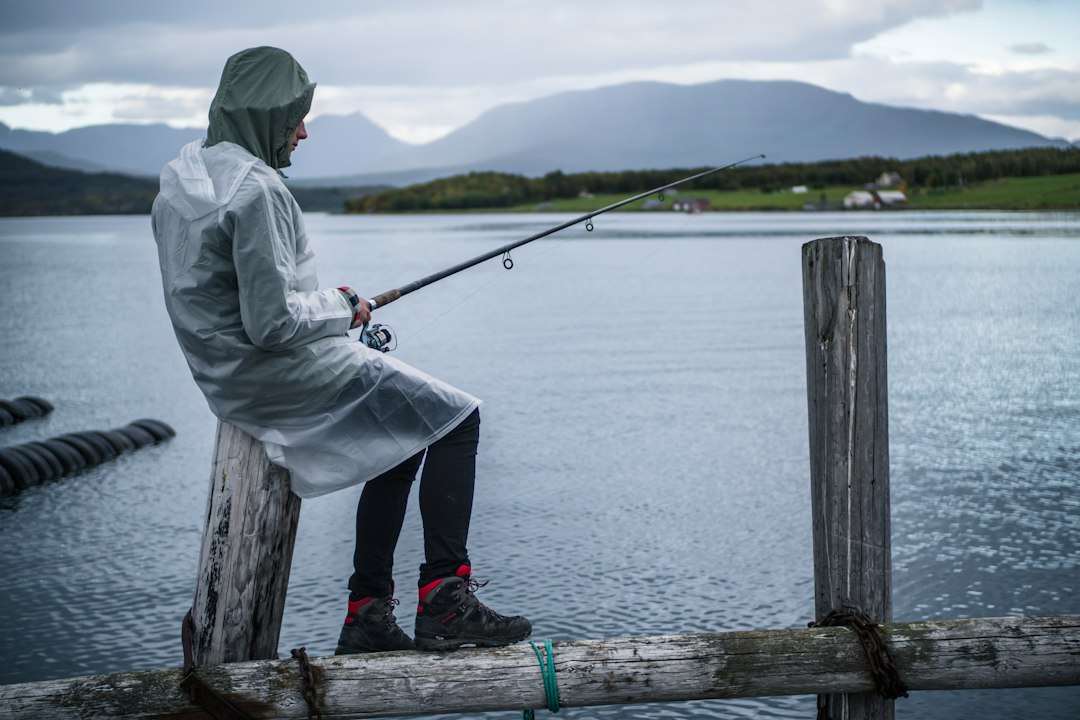
The Enduring Legacy of the Sea: Ancient Norwegian Fishing Methods
For millennia, the bountiful waters surrounding Norway have been a cornerstone of its civilization, providing sustenance, trade, and cultural identity. The harsh Arctic climate and the unforgiving nature of the sea demanded ingenuity and resourcefulness from its inhabitants, leading to the development of remarkably effective and enduring fishing methods. These traditional techniques, passed down through generations, are not merely historical curiosities; they represent a deep understanding of marine ecosystems, a profound respect for nature’s rhythms, and a testament to human adaptability. From the mighty cod to the elusive herring, Norwegian fishers have honed their skills and crafted specialized tools to harvest the ocean’s bounty, shaping the very fabric of Norwegian society. Exploring these ancient practices offers a glimpse into a life intertwined with the sea, a life where survival and prosperity were inextricably linked to the ebb and flow of the tides and the migratory patterns of fish.
Ancient fishing methods in Norway have a rich history that reflects the country’s deep connection to the sea and its resources. For those interested in exploring how historical practices have shaped modern fishing techniques and the socio-political landscape surrounding them, a related article can provide valuable insights. You can read more about the impact of political fragmentation on various cultural practices, including fishing, in this article: The Impact of Political Fragmentation.
## Nets of Ingenuity: The Art of Entanglement

The use of nets represents one of the most fundamental and widespread ancient fishing methods in Norway. The concept of entrapping fish rather than actively pursuing them offered a more efficient and less labor-intensive approach, especially for large-scale fishing. Over centuries, Norwegian fishers developed a sophisticated array of net types, each meticulously designed for specific fish species, fishing grounds, and seasonal movements. The effectiveness of these nets lay not only in their construction but also in the knowledge of their deployment, a skill deeply ingrained in the maritime heritage of the nation.
### Gillnets: The Silent Sentinels
Gillnets, perhaps the most ubiquitous type of net in ancient Norwegian fishing, are designed to catch fish by their gills. They consist of a rectangular mesh of netting, suspended vertically in the water by floats and weights. Fish swimming into the net become entangled when their head passes through a mesh, but their body is too large to follow. As they try to back out, their gills catch on the mesh, effectively trapping them. The mesh size was critically important, carefully chosen to target specific sizes of fish while allowing smaller, commercially less valuable species to pass through. This selectivity was crucial for sustainable harvesting, even in ancient times. Different mesh sizes would be employed depending on whether the target was the large, mature cod or smaller, schooling species. Gillnets could be anchored to the seabed, or they could be set to drift with the currents, depending on the fishing strategy and the expected behavior of the target species. The location and depth of deployment were also crucial, informed by generations of accumulated knowledge about fish behavior and habitats.
### Seine Nets: The Enclosing Embrace
Seine nets, also known as drag nets, were another vital tool for ancient Norwegian fishers. These nets are large and bag-shaped, with wings that extend outwards to encircle a school of fish. The net is then hauled in, drawing the wings together and closing the net, effectively trapping the fish within its embrace. Seining could be done from shore (shore seining) or from boats (boat seining). Shore seining, often employed in shallower waters and near fjords, involved two teams of people walking parallel to the shore, drawing the net out into the water and then slowly pulling it back towards the beach. Boat seining, a more complex operation, required multiple boats to deploy and haul the net. This method was particularly effective for catching schooling fish like herring, where large numbers could be concentrated and captured in a single haul. The sheer volume of fish that could be caught with a well-executed seine net operation highlights its significance in providing food for communities and for trade. The development of specialized boats, like the smaller seine boats designed for maneuverability, further enhanced the efficiency of this technique.
### Cast Nets: The Precision Strike
While perhaps less common for large-scale commercial fishing in the open sea, cast nets were valuable tools for individual fishers or in specific shallow water environments. A cast net is a circular net with weights around its perimeter. The fisher throws the net out in a circular motion, allowing it to spread and sink over a school of fish. As the net sinks, the weights cause the edges to close, trapping the fish inside. This method required considerable skill and accuracy in throwing the net to ensure a successful catch. It was particularly useful for targeting smaller fish in shallow, clear waters where schools could be easily spotted. The portability and relative simplicity of cast nets made them an accessible option for many, contributing to the overall diversity of ancient fishing practices.
## The Point of No Return: Spears, Hooks, and Harpoons
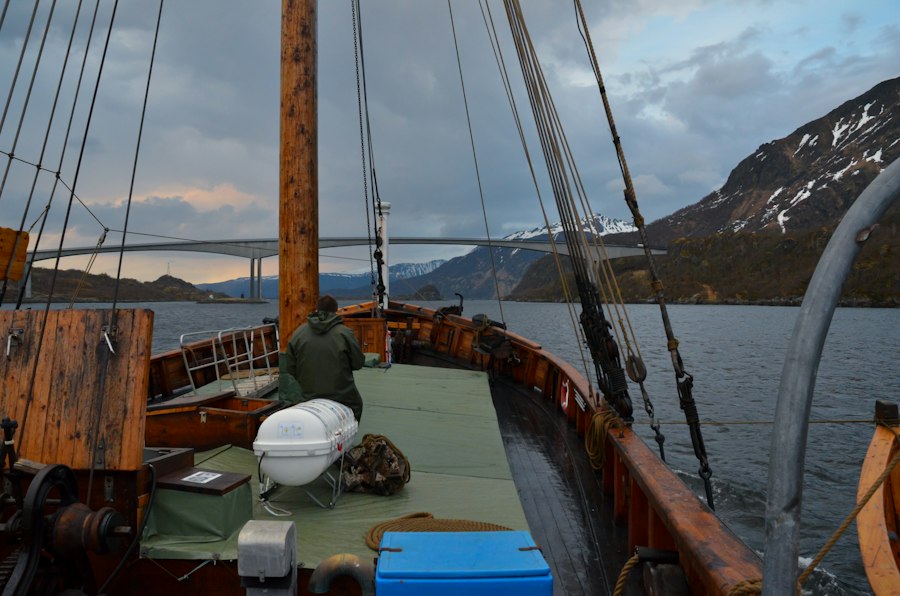
Beyond passive netting, ancient Norwegian fishing also involved active pursuit and capture, employing a variety of tools that required skill, strength, and a deep understanding of animal behavior. These methods often focused on larger or more elusive prey, demanding a direct confrontation with the ocean’s inhabitants. The evolution of these tools reflects a progressive refinement in striking and securing the catch.
### Angling and Hook-and-Line: Patience and Precision
The humble fishing hook and line, in its various ancient forms, has been a staple of fishing for millennia. Norwegian fishers utilized a range of hook materials, from bone and wood to early forms of iron. The bait used was equally diverse, chosen to mimic the natural prey of the target fish. While simple hand lines were common, more sophisticated techniques evolved. Trolling, for instance, involved dragging a baited line through the water from a moving boat. This method was effective for catching predatory fish that would strike at a moving lure. Jigs, weighted lures designed to dance in the water, were also employed. The development of multi-hook rigs, sometimes referred to as “longlines” in their nascent forms, allowed for a greater chance of capture with a single deployment, indicating a move towards maximizing efficiency even with individual lines. The patience and keen observation required for successful angling speak to the intimate connection between the fisher and the marine environment.
### Spears and Harpoons: The Warrior’s Art
For larger and more powerful marine creatures, particularly seals, porpoises, and even whales in some historical contexts, spears and harpoons were essential. Spears were sharpened wooden or bone shafts, often with fire-hardened tips. Harpoons, a more specialized tool, typically featured a barbed head attached to a shaft by a rope. This design was crucial for securing larger prey; once the harpoon struck, the rope allowed the fisher to maintain contact and control the struggling animal. The skill involved in accurately throwing a harpoon at a moving target, often from a small, unstable boat, was immense. This was not merely fishing; it was a dangerous and demanding hunt that required courage, precision, and an intimate knowledge of the animals’ movements and habits. The cultural significance of these hunts often extended beyond mere sustenance, forming the basis for sagas and contributing to the warrior ethos of seafaring communities.
## Specialized Craftsmanship: Tools of the Trade
The effectiveness of ancient Norwegian fishing methods was inextricably linked to the quality and specialization of the tools employed. From the construction of boats to the maintenance of nets and hooks, a deep understanding of materials and craftsmanship was paramount. These tools were not simply functional; they were often works of art, imbued with the experience and knowledge of their makers.
### The Seafaring Vessels: Floating Platforms of Life
The boats used in ancient Norwegian fishing were as diverse as the methods they facilitated. Small, agile boats like the “færing” (a four-oared boat) were ideal for inshore fishing, allowing fishers to navigate narrow fjords and shallows. Larger vessels, such as the iconic Viking longships, while primarily associated with warfare and exploration, were also capable of supporting fishing expeditions. The development of clinker-built hulls, where planks overlap, provided strength and seaworthiness, crucial for venturing into the open sea. For some fishing operations, particularly those involving nets or longlines, specialized fishing boats emerged. These might have had features for easier deployment and retrieval of gear, or for storing the catch. The design of these vessels was a direct response to the demands of the sea and the specific fishing activities they were intended for, demonstrating a remarkable understanding of naval architecture adapted to practical needs.
### Hook and Lure Creation: From Bone to Iron
The evolution of fishing hooks and lures mirrors the broader development of metallurgy and material science in Norway. Initially, hooks were fashioned from bone, animal teeth, or even sharpened wood. These early hooks, while functional, were prone to breakage and corrosion. As ironworking became more prevalent, iron hooks became the standard. These were stronger, more durable, and could be fashioned into a greater variety of shapes and sizes to suit different species and baiting techniques. The development of the barb, a crucial innovation, significantly improved the hook’s ability to secure the catch. Lures, too, evolved. Simple shiny objects or feather arrangements were used to attract fish, with the understanding that visual appeal played a role in predation. The craftsmanship involved in creating these small but vital pieces of equipment, often by hand, highlights the dedication and skill of ancient artisans.
### Net Making and Repair: The Weaver’s Patience
The creation and maintenance of fishing nets was a time-consuming and intricate process. Netting was typically done by hand, using bone or wooden needles and high-quality natural fibers like flax or hemp, later supplemented by animal sinew. The knot used was critical for the net’s integrity and effectiveness. Experienced net makers possessed an intimate knowledge of mesh sizes, knot strength, and how different fibers would react to saltwater. Repairing nets was an equally important skill, as damage from rough seas or sharp rocks was inevitable. The ability to quickly and effectively mend a torn net could mean the difference between a successful trip and a significant loss. This ongoing process of creation and repair underscored the constant interaction between the fisher, their tools, and the environment.
Ancient fishing methods in Norway have a rich history that reflects the ingenuity of early communities in adapting to their environment. These techniques, which often involved sustainable practices, have been passed down through generations and continue to influence modern fishing. For those interested in exploring how traditional practices can inform future challenges, a fascinating article discusses the complexities of building and defending a lunar base, highlighting the importance of sustainable resource management in extreme environments. You can read more about it in this related article.
## Understanding the Tides: Knowledge of the Sea and its Inhabitants
| Fishing Method | Period | Description | Commonly Caught Species | Tools/Equipment Used |
|---|---|---|---|---|
| Stone Fish Traps | Neolithic to Iron Age | Stone walls built in tidal zones to trap fish as the tide receded. | Cod, Herring, Salmon | Stone walls, wooden stakes |
| Bone and Antler Hooks | Bronze Age to Viking Age | Handcrafted hooks made from bone or antler used for line fishing. | Trout, Salmon, Cod | Bone hooks, fishing lines made from plant fibers or sinew |
| Seine Nets | Viking Age | Large nets dragged through the water to encircle and catch schools of fish. | Herring, Cod, Mackerel | Wool or flax nets, wooden boats |
| Harpoons | Stone Age to Viking Age | Used for hunting larger fish and sea mammals by thrusting or throwing. | Whale, Seal, Large Fish | Wooden shafts, bone or metal points |
| Fish Weirs | Iron Age | Wooden fences or barriers placed in rivers or coastal waters to direct fish into traps. | Salmon, Trout | Wooden stakes, woven branches |
The success of any ancient fishing method was not solely dependent on the tools; it was equally reliant on a profound and intimate knowledge of the sea itself and the creatures that inhabited it. This ecological understanding, gained through generations of observation and experience, was the invisible yet indispensable component of successful fishing.
### Migratory Patterns and Seasonal Cycles: Reading the Ocean’s Calendar
Norwegian fishers possessed an intricate understanding of fish migration patterns and the seasonal cycles that dictated their movements. They knew when and where specific species would gather to spawn, when they would be most active in feeding, and how ocean currents and water temperatures influenced their behavior. For example, the annual migration of herring to coastal spawning grounds was a pivotal event, generating immense fishing activity. Similarly, the wintering of cod in the Lofoten Islands was a time of intense fishing. This knowledge allowed fishers to predict where and when to find their quarry, optimizing their efforts and minimizing wasted journeys. This was not guesswork; it was a finely tuned understanding of a complex, dynamic ecosystem.
### Lunar and Tidal Influences: The Rhythms of the Deep
Ancient fishers observed and understood the powerful influence of the moon and tides on fish behavior. Many fish species exhibit increased activity during certain lunar phases or tidal conditions. For instance, some fish are more prone to feeding during slack tide, while others are more active during the ebb and flow. This knowledge allowed fishers to time their fishing expeditions for maximum success. They learned to read the subtle signs of the sea – the color of the water, the presence of certain seabirds or marine mammals, the patterns of wave action – all of which provided clues about the location and activity of fish. This holistic approach to understanding the marine environment was a testament to their deep connection with nature.
### Behavior and Habitat: Knowing Your Prey
Beyond migration, ancient fishers had a detailed understanding of the specific behaviors and preferred habitats of the fish they sought. They knew which species preferred rocky seabeds, which thrived in sandy areas, and which congregated around kelp forests or underwater structures. They understood the feeding habits of different fish, allowing them to select the most appropriate bait and fishing techniques. For example, knowing that cod were often found near the bottom informed the deployment of weighted lines and nets. Understanding that mackerel were schooling fish in open waters would dictate the use of seine nets. This deep, empirical knowledge of their prey was a crucial survival skill and a hallmark of effective ancient fishing practices.
Ancient fishing methods in Norway have a rich history that reflects the deep connection between the people and the sea. These traditional techniques, often passed down through generations, showcase the ingenuity and adaptability of coastal communities. For those interested in understanding the broader implications of historical practices on modern economies, a related article discusses various economic scenarios that could arise from changes in environmental policies. You can read more about it in this insightful piece on economic forecasts at economic scenarios.
## Beyond Sustenance: The Cultural and Economic Significance
The importance of fishing in ancient Norway extended far beyond the mere provision of food. It was a foundational element of the economy, a driving force behind trade, and a deeply embedded aspect of cultural identity and social structure. The bounty of the sea shaped communities, fueled exploration, and contributed to Norway’s enduring connection to the maritime world.
### Cod and the Rise of Trade: A National Treasure
Cod, particularly the Atlantic cod, has long been Norway’s most significant fish export. The vast stocks found in the northern waters, especially around the Lofoten Islands, provided a reliable and abundant source of protein. However, fresh cod does not keep well over long distances. The development of methods to preserve fish, most notably drying and salting, transformed cod from a local food source into a highly valuable commodity. Dried cod, known as “stockfish” or “tørrfisk,” was a staple food for centuries, particularly in regions with limited agriculture. This preserved fish became a crucial trade item, exchanged for grain, salt, and other essential goods. The economic engine powered by the cod fishery fueled Viking voyages, supported growing towns and cities, and established Norway as a major player in European trade networks. The sheer volume of stockfish produced and traded underscores its immense economic impact on ancient Norwegian society.
### Community and Social Cohesion: The Fisher’s Bond
Fishing was often a communal activity, fostering strong social bonds and a sense of shared purpose. In many coastal communities, fishing was the primary livelihood, and the success of one fisher was often linked to the cooperation of others. Large net operations, boat crews, and shared processing of catches all necessitated teamwork and mutual reliance. This shared endeavor strengthened community ties and contributed to a distinct maritime culture. The skills and knowledge associated with fishing were often passed down from father to son, or from elders to younger generations, ensuring the continuity of these traditions. Festivals, songs, and stories often revolved around the sea and the fishing life, further cementing its place in the cultural fabric of Norway.
### A Legacy of Resilience and Adaptation: The Enduring Spirit of the Fisher
The ancient fishing methods of Norway are a testament to the resilience and adaptability of its people. Faced with challenging environmental conditions and the unpredictable nature of the sea, they developed innovative solutions and honed their skills over millennia. These traditions, though often superseded by modern technology, are not entirely forgotten. Many are still practiced in modified forms, and the underlying principles of understanding marine ecosystems and respecting natural resources remain relevant. The legacy of these ancient fishers is one of deep knowledge, resourcefulness, and an enduring connection to the sea that continues to define Norway to this day. Their ingenuity laid the groundwork for a nation built on maritime strength and a profound appreciation for the ocean’s gifts.

The 7,000-Year-Old Secret Hidden Under a Lake
FAQs
What were some common ancient fishing methods used in Norway?
Ancient fishing methods in Norway included using nets, traps, hooks, and spears to catch fish in rivers, lakes, and coastal waters. Additionally, the Norwegians practiced deep-sea fishing using boats and handlines.
Did ancient Norwegians use any specialized tools for fishing?
Ancient Norwegians used a variety of specialized tools for fishing, such as harpoons for hunting larger marine animals like whales, seals, and walruses. They also used fish hooks made from bone, antler, or metal to catch smaller fish.
How did ancient Norwegians preserve their fish for later consumption?
Ancient Norwegians preserved their fish by drying, smoking, salting, or fermenting them. These methods helped extend the shelf life of the fish, allowing them to be stored for longer periods without spoiling.
Were there any specific rituals or beliefs associated with fishing in ancient Norway?
Ancient Norwegians often had rituals and beliefs associated with fishing, such as offering sacrifices to the sea gods for a bountiful catch or holding ceremonies to ensure a successful fishing expedition. Fishermen also followed superstitions to bring luck and ward off misfortune while at sea.
How did ancient fishing methods in Norway contribute to the culture and economy of the region?
Ancient fishing methods in Norway played a significant role in shaping the culture and economy of the region. Fishing provided a vital food source for the population and also contributed to trade and commerce, as fish and other marine products were valuable commodities that could be exchanged with neighboring communities.