
The rhythmic crash of waves against rocky shores and the glint of sunlight on the open sea have long been intrinsic to Norway’s identity. For millennia, the bounty of the ocean has sustained its people, shaping their culture, economy, and way of life. This deep, enduring connection to the maritime realm is not merely a matter of historical anecdote; it is etched into the very landscape through the presence of ancient fishing structures. These remnants, often subtle yet profoundly significant, offer a tangible link to the ingenuity and resilience of Norway’s ancestors, providing a unique glimpse into their sophisticated understanding of marine resources and their ancestral ways of life.
Echoes of the Past: Unearthing Norway’s Ancient Fisheries
The history of fishing in Norway stretches back to the very dawn of human settlement. Archaeological evidence, including the discovery of fish bones, nets, and harpoons, points to active fishing practices dating back to the Stone Age. However, it is the surviving structural evidence that truly allows for a deeper understanding of the scale and organization of these early maritime endeavors. These structures are not merely passive tools; they represent active interventions in the environment, designed to harness the sea’s productivity with remarkable effectiveness. From the rugged northern coastlines to the sheltered fjords of the west, these ancient fishing structures stand as silent testament to a time when human ingenuity was intimately intertwined with the natural rhythms of the ocean. Their study provides invaluable insights into past subsistence strategies, technological development, and the complex relationship between human communities and their marine environment.
Tracing the Footprints of Early Coastal Dwellers
The earliest forms of fishing were likely opportunistic, relying on easily accessible species close to shore. However, as populations grew and settled, more organized and efficient methods were developed. The discovery of middens, refuse heaps containing vast quantities of discarded fish remains, often alongside rudimentary tools, signifies a shift towards more systematic exploitation. These sites, scattered along the Norwegian coast, offer direct evidence of the types of fish caught and the dietary staples they represented. The sheer volume of these remains underscores the importance of marine resources in the diet and economy of these early inhabitants.
The Evidence Beneath the Waves and on the Shore
The tangible remnants of ancient fishing are diverse and scattered. On land, remnants of settlements, often strategically located near prime fishing grounds, provide context for the fishing activities. These might include the foundations of drying racks, storage pits for fish, and even ceremonial sites associated with maritime beliefs. Underwater archaeology, though more challenging, has revealed further evidence, such as remnants of fish traps and structures submerged by rising sea levels or changing coastlines. The preservation of organic materials in anaerobic conditions beneath the seabed can offer unparalleled insights into the construction and use of fishing gear and structures.
Ancient fishing structures in Norway provide fascinating insights into the maritime practices of early civilizations in the region. These structures, which include fish traps and weirs, illustrate the ingenuity of past societies in utilizing natural resources for sustenance. For those interested in exploring more about ancient civilizations and their advanced techniques, a related article can be found at Uncovering Evidence of Ancient Advanced Civilizations, which delves into various archaeological findings that shed light on the sophistication of early human societies.
Innovations in Capturing the Sea’s Bounty: Fish Traps and Weirs
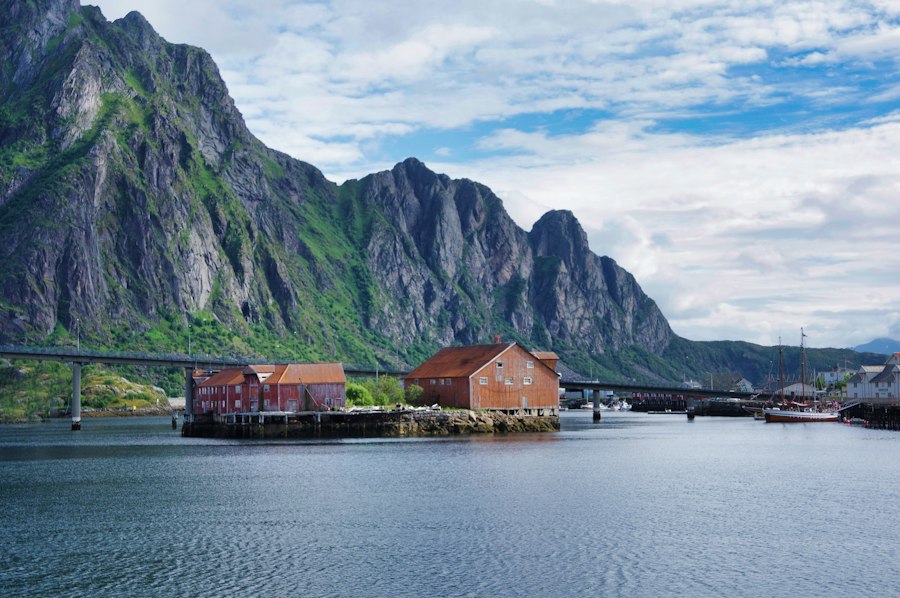
Perhaps the most visually striking and significant ancient fishing structures found in Norway are the intricate systems of fish traps and weirs. These engineered marvels, often constructed from natural materials like stone and wood, demonstrate a profound understanding of fish behavior, tidal movements, and the topography of the seabed. They represent a transition from passive gathering to active, large-scale capture, allowing communities to secure a more reliable and substantial food supply. The ingenuity of these designs, many of which have been in use for centuries, if not millennia, speaks volumes about the practical knowledge accumulated by generations of Norwegian fishers.
Stone-Built Wonders: The Enduring Legacy of Tidal Traps
The most common and durable form of ancient fishing structure are the stone-built tidal traps, often referred to as “fish traps” or “weirs.” These are essentially enclosures built from carefully placed stones on intertidal zones. As the tide receded, fish that had entered the enclosure would be stranded, making them easy to collect. The construction of these traps varied, from simple V-shaped barriers designed to funnel fish into a central holding area, to more complex corrals with multiple chambers. Their distribution along the coastlines of Norway is widespread, indicating their importance across different regions and maritime environments.
The Mechanics of Tidal Capture
The success of tidal traps hinged on a sophisticated understanding of the marine environment. Fishers would have observed the patterns of fish movement in relation to the tides, identifying areas where fish were likely to congregate or migrate. The construction of the traps themselves would have been a significant undertaking, requiring considerable labor and engineering skill. The placement of stones, the shaping of the enclosure to maximize efficiency, and the timing of their use all played crucial roles. The sheer scale of some of these structures, stretching for hundreds of meters, suggests communal effort and organized labor.
Regional Variations and Adaptations
While the basic principle of tidal trapping remained consistent, regional variations in construction and design are evident. In areas with abundant, large stones, robust and expansive traps were common. In other locations, where stone was scarcer, wooden elements or combinations of materials might have been employed. Coastal geomorphology also influenced design, with traps adapted to specific types of shorelines, from exposed headlands to sheltered bays. These adaptations highlight the flexible and innovative nature of ancient Norwegian fishing communities in responding to local conditions.
Timber and Tidal Flow: The Less Permanent Structures
While stone traps are often the most enduring, evidence also suggests the use of more ephemeral structures, particularly those incorporating timber. Remains of wooden stakes, posts, and even woven materials have been found in association with fishing areas, suggesting the construction of temporary or seasonal traps. These might have been built in areas less suitable for stone construction or for targeting specific migratory species during particular times of the year. The preservation of these timber structures is often less complete than stone, making their identification and interpretation more challenging, but they offer a complementary perspective on fishing strategies.
The Role of Wood in Fishing Technology
Wood played a vital role in early Norwegian maritime technology, not only in boat building but also in fishing gear. For traps, felled trees or branches would have been used to create barriers, guide walls, or even net-like structures within larger enclosures. The skilled woodworking necessary to shape and interlock these elements speaks to a high degree of craftsmanship. The use of wood also highlights the seasonal nature of some fishing practices, as timber resources might have been more readily available during certain times of the year.
Uncovering Submerged Sites
The ongoing challenge of underwater archaeology continues to reveal more about these less permanent structures. As sea levels change and coastlines evolve, remnants of ancient fishing sites, including those with wooden components, can become submerged. Investigating these underwater landscapes, often through the use of sonar and remotely operated vehicles, is crucial for a comprehensive understanding of Norway’s ancient fisheries. The meticulous excavation and analysis of these sites can unlock secrets about construction techniques and the specific types of fish targeted.
Beyond Traps: Other Expressions of Maritime Ingenuity

While fish traps and weirs are the most visible, the landscape of ancient Norwegian fisheries is dotted with other fascinating structures and sites that reveal a multifaceted approach to maritime resource exploitation. These include specialized structures for processing and storing fish, as well as evidence of early forms of aquaculture. These elements, often overlooked in favor of the more dramatic fish traps, paint a more complete picture of the economic and social organization surrounding ancient fishing.
Drying and Preservation: Extending the Harvest
The ability to preserve fish was as crucial as the ability to catch it, particularly in a climate with distinct seasons and limited refrigeration. Ancient fishing communities developed sophisticated methods for drying and salting fish, allowing them to store food for leaner months and to trade with inland communities. Evidence for these practices often takes the form of large, flat areas of ground that were likely used for air-drying fish, or the remains of simple structures designed to facilitate this process.
The Importance of Fish as a Trade Commodity
Dried and salted fish, particularly cod, became a vital commodity in Norway’s early economy. It was not only a staple for local consumption but also a significant export, contributing to the growth and prosperity of coastal communities. The development of efficient drying and preservation techniques was therefore directly linked to economic development and the establishment of trade networks. Archaeological evidence, such as the presence of specialized drying areas, directly supports this economic dimension of ancient fishing.
Evidence of Smoking and Salting Techniques
While direct evidence of smoking pits can be elusive, the presence of large, flat drying areas suggests a focus on air-drying. Salting, a more intensive preservation method, likely involved the use of salt obtained from coastal salt pans or through trade. The scale of preserved fish remains found at certain sites can also indicate the success of these preservation efforts, suggesting that a significant surplus was being produced and stored.
Early Aquaculture and Mariculture: Cultivating the Sea
While often associated with modern practices, there is growing evidence to suggest that ancient Norwegians may have engaged in rudimentary forms of aquaculture or mariculture. This could have involved managing natural areas to enhance fish populations, or even constructing enclosures to hold live fish for later consumption. While definitive proof of large-scale aquaculture is scarce, the careful management of intertidal zones for fishing could have inadvertently or intentionally fostered conditions favorable for fish growth.
Managing Coastal Ecosystems for Sustenance
The very act of constructing and maintaining fish traps and weirs involved a degree of ecosystem management. By concentrating fish, these structures could have inadvertently created environments where fish spent more time, potentially benefiting from natural food sources within the enclosed areas. This fine-tuning of natural processes represents a precursor to more deliberate aquaculture.
Potential Evidence in Submerged Structures
Ongoing underwater research might reveal more about these possibilities. The discovery of ancient enclosures that seem too small or strategically placed for mere capture, but rather for holding or cultivating fish, could offer compelling evidence of early mariculture. These would represent a significant leap in understanding and manipulating marine resources.
The People Behind the Structures: Social and Economic Implications
The existence of these ancient fishing structures is not solely an archaeological curiosity; it provides profound insights into the social organization, economic activities, and cultural beliefs of the people who built and used them. The scale of construction, the shared labor required, and the reliance on marine resources all point to complex societal structures and deeply ingrained maritime traditions.
Communal Effort and Resource Management
The construction and maintenance of large fish traps and weirs would have required significant communal effort. This suggests a system of labor organization, possibly involving shared responsibilities within villages or even between different coastal communities. The successful operation of these structures also implied a sophisticated understanding of resource management, with communities likely having agreed-upon rules regarding fishing seasons, access to fishing grounds, and the sharing of catches.
The Role of Leadership and Organization
The undertaking of such large-scale engineering projects would likely have necessitated some form of leadership or authority within these societies. Whether through elected leaders, clan elders, or religious figures, there would have been individuals responsible for coordinating labor, resolving disputes, and ensuring the effective operation of the fishing infrastructure.
Evidence of Shared Knowledge and Traditions
The transmission of knowledge regarding fishing techniques, construction methods, and the best times to fish would have been crucial for survival. This knowledge was likely passed down through generations via oral traditions, apprenticeships, and shared practical experience. The consistency of certain construction styles across different sites suggests a shared cultural heritage and a robust system for knowledge transfer.
The Economic Significance: Beyond Subsistence
As previously mentioned, ancient Norwegian fishing was not merely about subsistence. The surplus of fish, particularly cod, played a vital role in trade and economic development. This surplus would have allowed for the exchange of goods with inland communities, contributing to the development of specialized crafts and industries. The economic power derived from fishing likely influenced social hierarchies and the distribution of wealth within these societies.
The Cod Trade: A Foundation for Prosperity
The lucrative trade in dried and salted cod was a cornerstone of the Norwegian economy for centuries. This trade extended beyond Norway’s borders, reaching as far as the Mediterranean and beyond. The sustained demand for this product fueled further development of fishing technology and infrastructure, creating a feedback loop of economic growth and technological innovation.
The Interplay Between Coastal and Inland Societies
The economic importance of fish created a complex interdependence between coastal fishing communities and inland settlements. Coastal communities provided a vital food source and trade commodity, while inland communities offered agricultural products and other manufactured goods in return. This symbiotic relationship fostered cultural exchange and the development of broader economic networks.
Cultural and Spiritual Connections to the Sea
For ancient Norwegians, the sea was not just a source of food and wealth; it was also deeply embedded in their spiritual beliefs and cultural identity. Myths, legends, and rituals often revolved around the ocean, its creatures, and the forces that governed it. The construction of fishing structures may have been accompanied by ceremonies or rituals intended to ensure good catches and to appease the spirits of the sea.
Stories and Legends of the Deep
The sagas and oral traditions of Norway are replete with tales of seafaring, mythical sea creatures, and the prowess of fishermen. These narratives highlight the central role of the ocean in their worldview and the respect they held for its power and bounty. The stories themselves are a form of cultural heritage, passed down through generations.
Rituals and Beliefs Associated with Fishing
While direct archaeological evidence of rituals associated with fishing structures is often scarce, the fundamental importance of the sea in Norse mythology and religion suggests that such practices would have been commonplace. Offerings, prayers, or specific ceremonies may have been conducted to ensure a successful harvest and to maintain a harmonious relationship with the marine environment.
Ancient fishing structures in Norway provide fascinating insights into the maritime practices of early civilizations. These remnants not only highlight the ingenuity of past communities but also reflect their deep connection to the sea and its resources. For those interested in understanding the broader environmental context of such historical practices, a related article discusses the impact of climate change on our planet’s history and ecosystems. You can explore this topic further in the article on climate change chronicles.
Preserving the Legacy: Challenges and Opportunities
| Structure Name | Location | Estimated Age | Type | Purpose | Material |
|---|---|---|---|---|---|
| Stone Fish Weirs | Trøndelag Coast | 2000-3000 years old | Fish trap | Catch migratory fish | Stone |
| Viking Fish Traps | Western Norway | 1000-1200 years old | Fish trap | Seasonal fishing | Wood and stone |
| Fish Weirs at Lofoten | Lofoten Islands | 1500 years old | Fish trap | Cod fishing | Stone and wood |
| Medieval Fish Traps | Southern Norway | 800-1000 years old | Fish trap | Local fishing | Wood |
The ancient fishing structures of Norway are invaluable resources, offering a tangible connection to the country’s maritime heritage. However, they face a variety of threats, and their preservation requires ongoing effort and innovative approaches. Understanding these challenges and pursuing opportunities for conservation and interpretation is crucial for safeguarding this irreplaceable part of Norway’s past.
Threats to Ancient Structures: Erosion, Development, and Neglect
The most significant threats to these ancient structures are environmental and human-induced. Coastal erosion, caused by natural processes and climate change, can lead to the degradation and eventual disappearance of structures located on shorelines. Coastal development, including harbor expansions, housing projects, and infrastructure, can directly damage or destroy these sites. Furthermore, a lack of awareness or understanding can lead to neglect, allowing these structures to fall into disrepair.
The Impact of Climate Change on Coastal Heritage
Rising sea levels and increased storm intensity pose a direct threat to many intertidal fishing structures. Structures that were once stable may now be regularly inundated or battered by waves, accelerating their deterioration. Understanding the long-term impacts of climate change is essential for prioritizing conservation efforts.
The Double-Edged Sword of Coastal Development
While coastal development can bring economic benefits, it often comes at the cost of heritage sites. Careful planning, archaeological surveys, and mitigation strategies are essential to minimize the impact of new developments on ancient fishing structures. This requires collaboration between developers, archaeologists, and heritage organizations.
The Importance of Research and Documentation
Thorough research and accurate documentation are the first steps in any preservation effort. This involves detailed surveys, mapping, and photographic records of existing structures. Underwater archaeological investigations are also critical for uncovering and documenting submerged sites. This meticulous work provides a baseline for understanding the condition of these structures and for planning any necessary conservation interventions.
Archaeological Investigations and Mapping
Systematic archaeological surveys are vital for identifying and mapping the distribution of ancient fishing structures. These surveys employ a range of techniques, from visual inspection and historical research to more advanced methods like ground-penetrating radar and LiDAR. The resulting maps and databases are essential for understanding the scale and complexity of past fishing systems.
Underwater Archaeology: Unveiling Submerged Histories
The underwater environment offers a unique window into Norway’s maritime past. Underwater archaeologists use specialized equipment and techniques to explore and excavate submerged sites, revealing structures and artifacts that have been preserved for centuries. These investigations are crucial for a complete understanding of ancient fishing practices, particularly those that have been altered by changing sea levels.
Conservation and Interpretation: Ensuring Future Appreciation
Once documented, the focus shifts to conservation and interpretation. This can involve physical stabilization of structures, educational signage, and the development of public outreach programs. The goal is to not only protect these sites but also to ensure that future generations can learn from and appreciate them.
Stabilization and Protection Efforts
Conservation efforts can range from simple measures like clearing vegetation to more complex interventions involving the careful repair or reinforcement of structures. The choice of conservation methods must be carefully considered to ensure they are appropriate for the specific site and do not cause further damage.
Engaging the Public: Education and Tourism
Interpreting ancient fishing structures for the public is crucial for fostering a sense of connection and stewardship. This can involve creating informative websites, developing interpretive trails, and engaging local communities in heritage preservation projects. Sustainable tourism focused on maritime heritage can also provide economic incentives for conservation. By telling the story of these ancient structures, Norway can ensure that its rich maritime legacy continues to inspire and educate for generations to come. The silent stones and timber remnants speak a powerful language, a testament to human resilience, ingenuity, and an enduring, vital connection to the sea.

The 7,000-Year-Old Secret Hidden Under a Lake
FAQs
What are the ancient fishing structures found in Norway?
Ancient fishing structures found in Norway include stone-built traps, weirs, and fish fences that were used by early settlers to catch fish in rivers, lakes, and coastal areas.
How old are the ancient fishing structures in Norway?
The ancient fishing structures in Norway date back to the Stone Age, with some structures believed to be over 3,000 years old.
Where are these ancient fishing structures located in Norway?
Ancient fishing structures can be found throughout Norway, with a concentration in coastal areas, rivers, and lakes where early settlers relied on fishing for sustenance.
What was the purpose of these ancient fishing structures in Norway?
The ancient fishing structures were used by early settlers as effective methods for catching fish in large quantities, providing a vital food source for their communities.
How were the ancient fishing structures in Norway constructed?
Ancient fishing structures in Norway were typically built using stones and other natural materials to create traps, weirs, and fish fences that guided fish into areas where they could be easily caught by the fishermen.