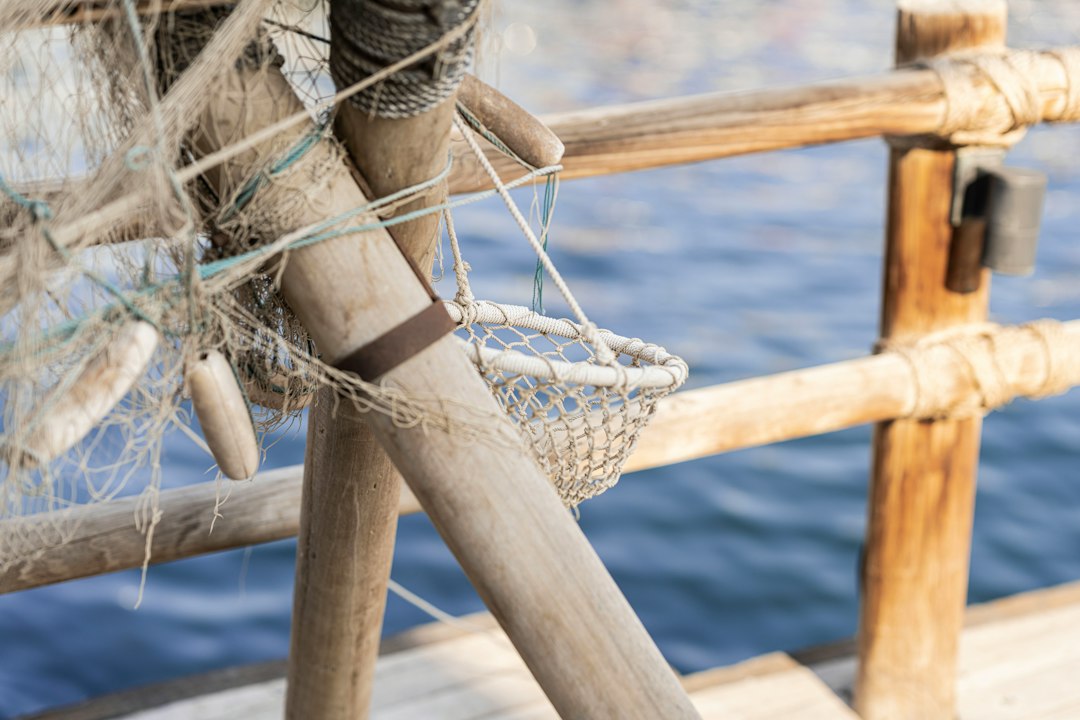
The Scandinavian peninsula, a vast expanse of rugged coastlines, deep fjords, and numerous lakes, has been inextricably linked to the sea and its bounty for millennia. Long before the advent of modern industrial fishing, ancient Scandinavians developed ingenious tools and sophisticated techniques to harness the wealth of their aquatic environments. This exploration delves into the ancient fishing technology of Scandinavia, uncovering the ingenuity of its people through their innovative implements and time-tested methods, which were crucial for survival, sustenance, and the development of their unique cultures.
The Foundation of Survival: Early Fishing Practices
The earliest evidence of fishing in Scandinavia dates back to the Mesolithic period, a time when small, mobile groups of hunter-gatherers relied heavily on readily available resources. Fish, being a consistent and protein-rich food source, formed a cornerstone of their diet. The archaeological record, though often fragmented, provides tantalizing glimpses into these foundational practices.
Adapting to the Landscape: Coastal vs. Inland Strategies
Ancient Scandinavian fishing strategies were inherently dictated by the diverse geography of the region. Along the extensive coastline, communities exploited the rich marine ecosystems, while inland populations focused on the abundance of freshwater fish in rivers and lakes. This geographical adaptation led to the development of specialized tools and techniques suited to different environments.
Marine Exploitation: Open Sea and Coastal Waters
Coastal communities, living in close proximity to the Atlantic Ocean and the Baltic Sea, developed a deep understanding of tidal patterns, fish migration routes, and the behavior of various marine species. Their fishing efforts likely involved a combination of techniques, ranging from shallow-water foraging to more ambitious endeavors venturing into deeper waters. The readily available resources of the coast provided a more stable and predictable food source compared to the often unpredictable terrestrial hunting. The constant ebb and flow of the tides presented both challenges and opportunities, and successful fishers learned to work with these natural rhythms. The sheer variety of marine life, from small schooling fish to larger predators and shellfish, meant that a diverse array of fishing methods was not only beneficial but necessary to maximize yields.
Freshwater Abundance: Rivers and Lakes
Inland Scandinavia, characterized by an intricate network of rivers, streams, and thousands of lakes, offered a different, yet equally vital, fishing landscape. These freshwater ecosystems teemed with a variety of fish species, including salmon, trout, pike, perch, and various whitefish. Fishing in these environments often involved exploiting natural bottlenecks, shallower areas suitable for netting, and the spawning grounds of migratory fish like salmon. The more contained nature of freshwater environments allowed for a greater degree of predictability in some aspects, such as knowing when and where certain fish species would congregate. However, it also presented its own set of challenges, including ice cover for extended periods in winter and the need to manage fish populations to avoid overexploitation. The importance of freshwater fishing cannot be overstated, as it provided sustenance to communities far from the coast, contributing to the widespread settlement of the Scandinavian interior.
Ancient fishing technology in Scandinavia offers fascinating insights into the maritime practices of early societies in the region. The development of tools and techniques for fishing not only highlights the ingenuity of these communities but also their deep connection to the surrounding waters. For those interested in exploring other ancient technologies and their mysteries, a related article can be found at Puma Punku: The Mystery of Precise Cuts, which delves into the remarkable engineering feats of ancient civilizations.
The Artisan’s Touch: Tools of the Trade
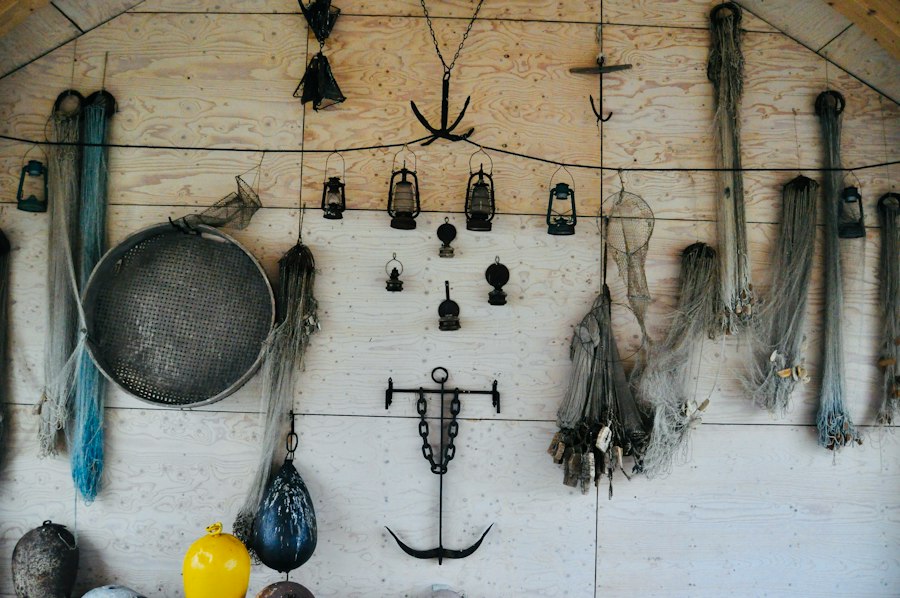
The effectiveness of ancient Scandinavian fishing relied heavily on the ingenuity and skill with which tools were crafted and employed. These implements, fashioned from materials readily available in their natural surroundings, showcase a remarkable understanding of material properties and the physics of fishing. Bone, antler, wood, stone, and later metal, were transformed into sophisticated instruments for catching fish.
The Art of the Hook: From Bone to Bronze
The fish hook, a fundamental tool for angling, evolved significantly over time, reflecting advancements in material science and craftsmanship. Early hooks were often simple, carved from bone, antler, or hardwood, designed to be baited and set for a variety of fish. The transition to metal, particularly bronze and later iron, marked a significant leap in hook technology, allowing for smaller, sharper, and more durable hooks capable of catching larger and more powerful fish.
Mesolithic Hooks: The Simplicity of Survival
The earliest fish hooks found in Scandinavian archaeological sites are typically small and relatively crude, fashioned from materials like bone, antler, or shell. These were often straight pieces of material with a sharpened point and a groove for attaching a line. Their simplicity belies their effectiveness; these early anglers understood the basic principles of hooking a fish and relied on patience and keen observation. Examples unearthed from Mesolithic settlements demonstrate a clear understanding of the need for a sharp point to penetrate the fish’s mouth and a form that would hold. The size and shape of these early hooks suggest they were primarily used for smaller fish in shallow waters, or for opportunistic catches. The materials used were readily available and easily worked with basic stone tools.
Neolithic and Bronze Age Innovations: Refinement and Durability
As human societies transitioned into the Neolithic and Bronze Ages, fishing technology saw a marked improvement. The introduction of more sophisticated tools allowed for the production of more refined and durable hooks. Bronze, with its malleability and strength, allowed for the creation of smaller, sharper, and more precisely shaped hooks. These hooks could be bent into more effective J-shapes, increasing their holding power. The development of casting techniques in the Bronze Age further enhanced the quality and consistency of metal hooks. These innovations enabled anglers to target a wider range of fish species, including larger and more challenging prey. The archaeological evidence from these periods reveals a greater variety in hook sizes and designs, indicating a more specialized approach to fishing based on target species and fishing conditions.
The Power of the Net: Ensnaring Abundance
Nets were perhaps the most efficient tools for catching fish in ancient Scandinavia, capable of ensnaring large quantities of fish in a single operation. The construction of these nets required considerable skill and knowledge of knot-tying, as well as access to suitable cordage materials. The types of nets employed varied, reflecting different fishing environments and target species.
Netting Techniques: From Weaving to Weighted Walls
The creation of fishing nets was a specialized skill in ancient Scandinavia. Cordage was typically made from plant fibers such as nettle, flax, or bark, twisted together to form strong threads. These threads were then skillfully woven into nets using a netting needle and a technique that created a strong, flexible mesh. The size of the mesh was crucial, designed to capture specific fish sizes while allowing smaller ones to escape, thus ensuring the sustainability of fish populations. Different types of nets were employed, each with its own unique design and application.
Gillnets: The Silent Hunter
Gillnets, a cornerstone of ancient fishing technology, were designed to entangle fish by their gills. These nets were typically set vertically in the water, anchored at the bottom and sometimes buoyed at the top. Fish swimming into the net would attempt to wriggle free, but their gill covers would become caught in the mesh. The size of the mesh in a gillnet was critical; it had to be large enough for the fish’s head to pass through but too small for its body, effectively trapping it. This method was particularly effective for catching schooling fish that moved in predictable patterns. The materials used for gillnets, such as plant fibers or animal sinew, were chosen for their strength and durability in water. Archaeological finds of net fragments, sometimes preserved in bogs, provide valuable insights into the construction and mesh sizes of these ancient nets.
Seine Nets and Drag Nets: Harvesting the Shallows
Seine nets and drag nets were designed for sweeping through larger areas of water, particularly in shallower bays, inlets, and along the coast. These nets were typically large and rectangular, with ropes attached to each end. In the case of seine nets, the net was cast in a wide arc and then the two ends were drawn together, enclosing the fish. Drag nets, as the name suggests, were dragged along the seabed or through the water column. The effectiveness of these nets relied on the coordinated efforts of multiple individuals and often involved the use of boats. The presence of sinkers (stones or weights) and floats (pieces of wood or bone) along the edges of these nets helped to maintain their shape and efficiency in the water. Evidence of such nets, often inferred from the discovery of numerous sinkers and weights found in association with fishing sites, points to their significant role in ancient Scandinavian fishing economies.
The Use of Traps: Passive but Potent
Beyond active netting and angling, ancient Scandinavians also employed a variety of fish traps, passive devices that relied on the natural movement of fish to capture them. These traps, often constructed from natural materials like reeds, branches, or stones, were placed in strategic locations such as river mouths, narrow channels, or tidal pools.
Fish Weirs: Channeling the Flow
Fish weirs were complex structures, often built across rivers or in shallow coastal areas, designed to funnel fish into a confined space. These were typically constructed from stakes, branches, and stones, creating a barrier that guided fish towards an opening or a basket trap. The design of weirs could be quite elaborate, taking advantage of natural currents and the migratory behavior of fish. Salmon, for instance, would be guided upstream by these structures during their spawning runs. Archaeological evidence of fish weirs, often seen as subtle earthworks or stone alignments in ancient riverbeds, indicates a highly developed understanding of hydraulics and fish behavior. These structures represent a significant communal effort, requiring considerable labor and planning to construct and maintain.
Basket Traps: The Patient Predator
Basket traps, woven from flexible materials like willow or reeds, were another common form of passive fishing gear. These traps, often conical or cylindrical in shape, were baited and placed in areas where fish were known to congregate. The design of the trap allowed fish to enter easily, but the narrow opening made escape difficult. Smaller fish might be caught in these traps, as well as crustaceans and other smaller aquatic creatures. The portability of basket traps made them versatile, allowing them to be used in various locations, from shallow streams to deeper lake waters. Evidence of these traps is less common due to the perishable nature of the materials, but depictions on ancient artifacts or occasional preserved fragments offer glimpses into their design and use.
Spears and Harpoons: The Pursuit of Larger Prey
For hunting larger and more mobile aquatic animals, including seals, porpoises, and larger fish like sturgeon or cod, spears and harpoons were essential tools. These implements, often tipped with sharpened bone, antler, or metal points, required skill and precision in their use.
Spearfishing: Precision and Power
Spearfishing, a practice that continues in some form today, was an important method for ancient Scandinavians to catch fish and marine mammals. Spears were typically long shafts made of wood, tipped with a sharpened point. For larger prey, the tip might be barbed to prevent escape. The hunter would need to be close to their prey and possess excellent aim and a swift strike. In some cases, the spear might have a line attached, allowing the hunter to retrieve it or the prey if the strike was not immediately fatal. Evidence of spear use in fishing contexts comes from depictions on rock carvings and from the discovery of spearheads themselves in archaeological contexts associated with settlements and middens.
Harpoons: The Art of the Hooked Strike
Harpoons were particularly effective for hunting marine mammals and larger fish. Unlike a simple spear, a harpoon head was designed to detach from the shaft after striking, but remain attached by a line. This prevented the prey from dislodging the entire weapon, increasing the chances of a successful catch and retrieval. The harpoon head, often made of bone or antler, featured barbs and a socket for attaching a strong cord, typically made of animal sinew or rawhide. The skill involved in throwing a harpoon accurately, often from a moving boat, speaks to the advanced hunting capabilities of these ancient peoples. The presence of harpoons in archaeological sites, particularly those located near coastlines or known seal hunting grounds, highlights their importance in the subsistence strategies of these communities.
Harnessing Nature: Fishing Techniques and Strategies

Beyond the tools themselves, the ancient Scandinavians possessed a profound understanding of their environment, applying a range of sophisticated techniques and strategies to maximize their fishing success. This knowledge, passed down through generations, encompassed an awareness of fish behavior, seasonal cycles, and the subtle nuances of their aquatic ecosystems.
Seasonal Rhythms: Fishing Through the Year
The availability of different fish species varied significantly throughout the year, and ancient Scandinavian fishing practices were closely attuned to these seasonal changes. Understanding migration patterns, spawning seasons, and the impact of weather and ice cover was crucial for successful fishing.
Spring and Summer: The Bounty of Open Waters
Spring and summer represented peak fishing seasons in Scandinavia. As the ice receded and waters warmed, migratory fish like salmon and herring returned to coastal and riverine areas. This period also saw increased activity from many freshwater species. Open-water fishing techniques, utilizing boats and larger nets, were employed to take advantage of the abundance. The long daylight hours of summer allowed for extended fishing periods. The return of migratory species, particularly salmon, was a vital event for many communities, providing a crucial food source that could be preserved for leaner times. The warmer weather also made fishing in open water more accessible and less perilous.
Autumn and Winter: Preservation and Ice Fishing
As autumn brought colder temperatures, fishing strategies shifted. Some species moved into deeper waters, while others became less active. Preservation techniques, such as smoking, salting, and drying, became paramount to ensure a food supply through the harsh winter months. In regions with reliable ice cover, ice fishing emerged as a crucial winter activity, with individuals carefully selecting safe ice and employing specialized methods to access the fish below. The ingenuity of ice fishing involved creating holes in the ice and using smaller hooks and lures, or sometimes even setting small nets beneath the ice. The challenges of winter fishing, including extreme cold and limited daylight, made it a demanding but often essential part of survival.
Understanding Fish Behavior: The Wisdom of the Waters
Ancient fishers were astute observers of the natural world, possessing an intimate knowledge of fish behavior that informed their fishing strategies. This understanding extended to their feeding habits, spawning rituals, migratory routes, and responses to environmental cues.
Migratory Patterns: Following the Shoals
The predictable movements of migratory fish, such as salmon, trout, and herring, were exploited through various techniques. Fish weirs, positioned at strategic points along rivers or coastlines, were designed to intercept these migrating populations. Netting operations were often timed to coincide with these migrations, ensuring a concentrated catch. The knowledge of where and when these fish would appear was a critical factor in the success of many fishing communities. This understanding of long-distance animal movements demonstrated a sophisticated ecological awareness.
Spawning and Feeding Grounds: Targeting Vulnerable Moments
Ancient fishers likely targeted specific locations known for their rich fish populations, such as spawning grounds or areas where fish congregated to feed. The vulnerability of fish during their spawning season, when they were concentrated and often less wary, would have been a key consideration. Similarly, areas where fish actively fed, perhaps driven by the availability of smaller prey, would have been prime fishing spots. This intimate knowledge of the aquatic environment allowed for more efficient and targeted fishing efforts.
The Role of Boats and Watercraft: Navigating the Depths
The development of effective watercraft was indispensable for accessing fishing grounds beyond the immediate shoreline. From simple dugout canoes to more complex plank-built vessels, these boats enabled ancient Scandinavians to explore deeper waters, transport larger catches, and engage in more extensive fishing operations.
Dugout Canoes: The Versatile Vessel
Dugout canoes, carved from single logs, represent some of the earliest watercraft used by ancient Scandinavians for fishing. These relatively stable and maneuverable vessels were ideal for navigating rivers, lakes, and sheltered coastal areas. They allowed fishermen to reach offshore fishing spots, set nets, and transport their catches back to shore. The construction of these canoes required specialized tools and considerable skill in woodworking. Numerous archaeological finds of well-preserved dugout canoes offer direct evidence of their importance in aquatic activities.
Plank-Built Vessels: Venturing Further Afield
As shipbuilding technology advanced, particularly during the Viking Age and beyond, plank-built vessels became more common. These larger and more robust boats, constructed from carefully shaped wooden planks, allowed for greater seaworthiness and the capacity to venture into more challenging open-water environments. These vessels were essential for long-distance fishing expeditions, trade, and exploration, further expanding the reach and effectiveness of Scandinavian fishing practices. The ability to build and sail these more sophisticated vessels significantly enhanced the potential for exploiting a wider range of marine resources.
Beyond Subsistence: Fishing’s Cultural and Economic Impact
The importance of fishing in ancient Scandinavia extended far beyond mere subsistence. It played a crucial role in shaping the region’s cultures, economies, and social structures, influencing everything from diet and settlement patterns to trade networks and religious beliefs.
Diet and Health: A Staple of Life
Fish constituted a fundamental component of the ancient Scandinavian diet, providing essential proteins, fats, and micronutrients. The reliance on fish, particularly in coastal and northern regions, contributed to a generally healthier population compared to areas with limited access to diverse food sources. The ability to preserve fish through various methods ensured a consistent food supply, mitigating the risks of famine. The nutritional benefits of a diet rich in fish are well-documented, and it is likely that ancient Scandinavians benefited immensely from this readily available and protein-dense resource.
Settlement Patterns and Population Distribution
The availability of rich fishing grounds significantly influenced the location of settlements throughout Scandinavia. Communities often sprang up along coastlines, river valleys, and lake shores, areas that offered reliable access to aquatic resources. This led to a dispersed pattern of settlement, with communities strategically positioned to exploit the bounty of their local waters. The predictable yields from fishing allowed for larger and more stable populations to be supported in these areas.
Trade and Exchange: The Currency of the Sea
Fish and fish products, such as dried or salted fish, were important commodities in ancient Scandinavian trade networks. The surplus catch could be exchanged for other necessities or luxury goods, fostering economic activity and inter-regional connections. Fish, especially dried cod from the northern regions, became a valuable export, contributing to the wealth and influence of Scandinavian societies. The development of specialized fishing techniques also led to the growth of a skilled artisan class involved in net making, boat building, and tool production.
Ancient fishing technology in Scandinavia has a rich history that reflects the ingenuity of early communities in adapting to their environment. Techniques such as the use of fish traps and nets showcase the sophisticated understanding of aquatic ecosystems that these cultures possessed. For those interested in exploring how ancient practices intersect with modern concepts of territory and sovereignty, a fascinating read can be found in this article about the moon’s status as a potential sovereign territory. You can check it out here.
Legacy and Continuity: Echoes of Ancient Practices
| Technology | Period | Description | Materials Used | Purpose |
|---|---|---|---|---|
| Bone Fishhooks | Neolithic (c. 4000-1700 BCE) | Hooks carved from animal bones, used for catching fish in rivers and coastal waters. | Animal bones (primarily from deer and elk) | Fishing for small to medium-sized fish |
| Stone Weirs | Bronze Age (c. 1700-500 BCE) | Stone structures built in shallow waters to trap fish during tidal movements. | Local stones and rocks | Mass capture of fish during migration |
| Wooden Boats (e.g., Dugouts) | Iron Age (c. 500 BCE – 800 CE) | Simple dugout canoes carved from large tree trunks, used for fishing in fjords and coastal areas. | Wood (oak, pine) | Transportation and fishing in deeper waters |
| Fishing Nets | Viking Age (c. 800-1050 CE) | Handwoven nets made from plant fibers or animal sinew, used to catch schools of fish. | Flax fibers, animal sinew | Large-scale fishing |
| Harpoons and Spears | Mesolithic to Viking Age | Pointed tools used for spearing fish and sea mammals. | Bone, antler, wood, metal (later periods) | Hunting large fish and marine mammals |
While modern fishing technology has transformed the industry, the legacy of ancient Scandinavian fishing practices endures. Many traditional methods, adapted and refined over centuries, continue to be employed, and the deep cultural connection to the sea and its resources remains a defining characteristic of Scandinavian identity.
The Enduring Influence of Traditional Methods
Despite the advent of industrial fishing, certain traditional techniques and tools have persisted, often in modified forms. The principles of net construction, the understanding of fish behavior, and the use of passive fishing gear like traps continue to hold relevance. The ingenuity and resourcefulness of ancient fishers laid the groundwork for the development of more advanced methods, demonstrating a timeless adaptability to the aquatic environment.
Preserving the Knowledge: Modern Interpretations of Ancient Skills
Today, there is a growing interest in understanding and preserving the ancient fishing knowledge of Scandinavia. Archaeological research, ethnographic studies, and the efforts of heritage organizations contribute to our understanding of these lost arts. Some modern anglers and communities are actively reviving traditional fishing techniques, seeking to connect with their heritage and promote more sustainable fishing practices. This revival not only educates about the past but also offers valuable lessons for the future of resource management. The echoes of ancient fishing technology resonate through the continued respect for the sea and its gifts, a testament to the enduring ingenuity of the people who first learned to harness its power.

The 7,000-Year-Old Secret Hidden Under a Lake
FAQs
What types of fishing technology were used in ancient Scandinavia?
Ancient Scandinavians used a variety of fishing technologies, including fishing nets, fish traps, harpoons, and fishing spears.
How were fishing nets constructed in ancient Scandinavia?
Fishing nets in ancient Scandinavia were typically made from natural materials such as linen, hemp, or other plant fibers. The nets were woven by hand and could vary in size and design depending on the type of fish being targeted.
Did ancient Scandinavians use boats for fishing?
Ancient Scandinavians did use boats for fishing. They would often use small wooden boats, such as dugout canoes or rowboats, to access fishing grounds in rivers, lakes, and coastal areas.
What role did fishing play in the economy of ancient Scandinavia?
Fishing was an important economic activity in ancient Scandinavia. It provided a reliable source of food, as well as materials for trade and barter. Fish and other seafood were also preserved through drying and smoking for consumption during the winter months.
Were there any religious or cultural beliefs associated with fishing in ancient Scandinavia?
Yes, fishing held cultural and religious significance in ancient Scandinavian societies. Fish were often associated with fertility, abundance, and the sea gods. Rituals and offerings were made to ensure a successful catch and to honor the spirits of the sea.