Whispers from the High Peaks: Unearthing Norway’s Ancient Mountain Fishing
For centuries, the rugged allure of Norway’s Jotunheimen Mountains has captivated explorers, hikers, and adventurers. Its towering peaks, vast glaciers, and pristine alpine lakes have long been a testament to untamed natural beauty. Yet, beneath the surface of this dramatic landscape lies a deeper, more profound story – the tale of ancient fishing traditions that have sustained human communities in these remote highlands for millennia. Recent archaeological and ethno-historical investigations are peeling back the layers of time, revealing a sophisticated understanding of mountain ecosystems and a resourceful exploitation of their aquatic bounty. These discoveries are not merely academic footnotes; they offer a crucial window into the ingenuity and resilience of Norway’s earliest inhabitants, shaping our perception of their relationship with the environment and the enduring legacy of their practices.
In exploring the rich history of ancient fishing practices in the Jotunheimen mountains, one can draw intriguing parallels to the broader themes of resource management and cultural adaptation found in various regions around the world. For instance, an insightful article discussing the complexities of navigating geopolitical challenges and opportunities in the Middle East can provide a unique perspective on how ancient communities, much like those in Jotunheimen, adapted their fishing techniques to their environments. To learn more about these dynamics, you can read the article here: Navigating Middle East Geopolitics: Challenges and Opportunities.
The Discovery Beneath the Ice and Stone
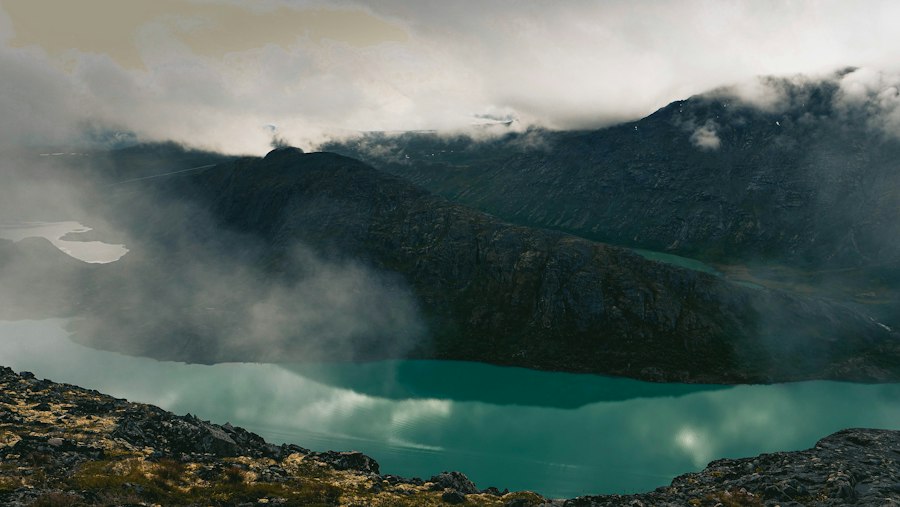
The revelation of ancient fishing practices in Jotunheimen has been a gradual process, pieced together through a combination of archaeological fieldwork and the analysis of historical records. Unlike coastal communities where evidence of fishing is often abundant and well-preserved, the harsh alpine environment of Jotunheimen presents unique challenges to archaeological preservation. Organic materials, such as fishing nets, lines, and wooden tools, are rarely found intact. However, the receding glaciers and melting snowfields, a stark consequence of climate change, have unexpectedly become catalysts for discovery, revealing lost artifacts and sites previously hidden beneath ice and permafrost.
Ice Age Relics: The Earliest Anglers
The earliest hints of human presence in Jotunheimen stretch back to the end of the last Ice Age, around 10,000 years ago. As the massive ice sheets retreated, nomadic hunter-gatherer groups began to explore the newly accessible territories. While evidence of their presence is often sparse, consisting of lithic scatters and temporary camp sites, researchers have begun to identify potential fishing tools and fishing-related activities in these early contexts. The discovery of finely crafted bone points, often barbed, found in association with higher-altitude lake deposits, strongly suggests their use as primitive fishing spears or even harpoons for larger fish. These early inhabitants would have relied on the abundant populations of Arctic char and trout that thrived in the cold, clear waters of glacial lakes. Their knowledge of fish behavior, spawning patterns, and preferred habitats would have been crucial for survival in these challenging environments. The lack of larger, more complex fishing gear at this stage is understandable, given the mobile lifestyle of these early peoples and the materials available to them. Their fishing strategies would have been opportunistic and highly efficient, utilizing their keen observational skills and intimate understanding of the local fauna.
Neolithic Innovations: Adapting to the Mountains
As human societies transitioned into the Neolithic period, marked by the development of agriculture and more settled lifestyles, the inhabitants of Jotunheimen continued to adapt and innovate. While agriculture was likely limited in the high mountains, these communities likely engaged in a mixed economy, incorporating hunting, gathering, and fishing into their subsistence strategies. Archaeological evidence from this period has revealed more sophisticated fishing tools, including net sinkers made from stone. These sinkers, often meticulously shaped and drilled, would have been used to anchor fishing nets, allowing for more passive and potentially more productive fishing methods. The presence of net sinkers suggests the development of more complex net-making techniques, perhaps utilizing plant fibers or animal sinews. Furthermore, the discovery of fish bones, particularly those of trout and Arctic char, in midden deposits at more permanent settlements, provides direct evidence of their dietary importance. Analysis of these bone remains can offer insights into the size and species of fish being caught, as well as potential seasonal variations in fishing activities. The resilience of these communities in establishing a sustained presence in the mountains during this period speaks to their advanced understanding of resource management and their ability to thrive in seemingly inhospitable terrain.
The Medieval Fishermen: A Thriving Tradition
The medieval period witnessed a significant intensification of fishing activities in Jotunheimen. Historical documents, including sagas and tax records, provide valuable insights into the organized exploitation of mountain fisheries. These records indicate that fishing was not merely a subsistence activity but had developed into a specialized craft, with certain individuals or groups dedicating themselves to this pursuit. The presence of larger, more established settlements in proximity to prime fishing grounds further supports this assertion. Researchers have unearthed evidence of more complex fishing infrastructure, such as remains of wooden fish traps and the stone foundations of drying racks. These structures suggest systematic approaches to catching and preserving fish, enabling longer-term storage and trade. The importance of fish as a food source during this era is undeniable, particularly given the limitations of agriculture at high altitudes. Fish provided essential protein and fats, contributing significantly to the nutritional well-being of these communities. The economic aspect of medieval fishing is also noteworthy, with evidence suggesting that surplus fish was traded with lowland communities, further integrating the mountain inhabitants into broader economic networks. This period represents a high point in the traditional use of Jotunheimen’s aquatic resources, demonstrating a sophisticated understanding of both fishing techniques and resource management.
Echoes in the Lakes: Unveiling Fishing Techniques
The specific methods employed by ancient inhabitants of Jotunheimen to catch fish are gradually being revealed through the interpretation of archaeological finds and the study of traditional ecological knowledge. These techniques, honed over generations, reflect a deep understanding of the mountain environment and the behavior of its finned inhabitants. The challenges of fishing in cold, clear alpine waters, often with limited visibility and challenging terrain, necessitated ingenuity and precision.
Spear Fishing: The Primal Pursuit
Spear fishing likely represents one of the earliest and most primal methods of acquiring fish in Jotunheimen. The discovery of finely crafted bone and antler points, some with intricate barbs designed to secure a struggling catch, strongly points to this practice. These spears would have been wielded by skilled hunters who could patiently stalk their prey in shallow waters or by the edges of lakes. The effectiveness of spear fishing would have been particularly pronounced during periods when fish congregated in shallower areas, such as during spawning seasons or in areas with reduced water depth. The development of specialized spear points, varying in size and design, suggests an understanding of targeting different species and sizes of fish. For instance, smaller, sharper points might have been used for smaller fish, while larger, sturdier points could have been employed for larger species. The ability to accurately gauge distance and strike with speed and precision would have been a critical skill honed through practice. The archaeological record, though often fragmented, provides compelling evidence that this direct, hands-on method was a cornerstone of early mountain fishing.
Netting and Trapping: The Art of Entrapment
As human societies became more settled and their technological capabilities advanced, more passive and potentially more efficient fishing methods, such as netting and trapping, gained prominence. The discovery of numerous stone net sinkers is a key indicator of the widespread use of fishing nets. These sinkers, carefully shaped and often drilled to allow for attachment to a net, would have been essential for anchoring nets in the depths of alpine lakes. The development of net-making itself would have been a significant technological leap, likely utilizing plant fibers such as nettle or flax, or animal sinews for durability. These nets could have been deployed in various ways: dragged across lakebeds, set in currents to intercept migrating fish, or anchored in deeper waters to capture a wider range of species. Alongside nets, evidence of fish traps also points to sophisticated methods of entrapment. These traps, often constructed from wood or woven branches, would have been strategically placed in shallow areas or narrow channels, designed to guide fish into an enclosed space from which they could not escape. The presence of both nets and traps suggests a multifaceted approach to fishing, allowing for different strategies depending on the time of year, water conditions, and available fish populations. The ingenuity involved in designing and deploying these tools highlights a deep understanding of aquatic environments and fish behavior.
Rod and Line Fishing: A Later Development?
The precise timing of the introduction of rod and line fishing to Jotunheimen remains a subject of ongoing research. While more common in later periods, the possibility of its presence in earlier epochs cannot be entirely discounted. The construction of a fishing rod would require a flexible but strong material, such as a thin sapling or a piece of animal bone. Fishing lines could have been made from plant fibers or animal sinew, and hooks could have been fashioned from bone, antler, or even thorns. The presence of small, finely crafted bone or antler hooks, though not as frequently found as net sinkers or spear points, does suggest their potential use. The effectiveness of rod and line fishing would have been dependent on the type of bait used and the angler’s knowledge of fish feeding habits. This method would have allowed for more selective fishing, targeting specific species and sizes of fish. While direct archaeological evidence for extensive rod and line fishing in the earliest periods of Jotunheimen’s human habitation is scarce, it is plausible that this technique, in its rudimentary forms, was present and developed over time, becoming more refined as technology and understanding progressed.
The Environmental Context: Sustaining Life in the High Country
The success and longevity of ancient fishing traditions in Jotunheimen were inextricably linked to the unique environmental characteristics of the region and the deep ecological knowledge possessed by its inhabitants. These mountains, with their challenging climate and distinct ecosystems, demanded a nuanced approach to resource management that ensured the continued availability of fish for generations.
Alpine Lakes as Fish Nurseries
The numerous alpine lakes scattered throughout Jotunheimen have long served as vital fish nurseries and havens. These pristine bodies of water, fed by glacial meltwater and snowmelt, typically boast cold temperatures and excellent water quality, creating ideal conditions for cold-water species such as Arctic char (Salvelinus alpinus) and various trout species (e.g., Salmo trutta). The relative isolation of many of these lakes, particularly those at higher altitudes, provided a natural buffer against overfishing from larger, more settled lowland populations. The intricate network of streams and rivers connecting these lakes also played a crucial role, facilitating fish migration and dispersal. Ancient fishermen would have possessed an intimate knowledge of these lake systems, understanding which lakes were most productive, the seasonal movements of fish within them, and the best locations for fishing at different times of the year. Their practices would have been adapted to the specific limnology of each lake, recognizing that different environments supported different fish populations and fishing strategies. The careful selection of fishing grounds, the timing of their endeavors, and the avoidance of over-exploitation were likely unspoken, yet fundamental, tenets of their resource management.
Seasonal Rhythms and Fish Behavior
The fishing traditions of Jotunheimen were deeply intertwined with the seasonal rhythms of the mountains and the predictable behaviors of fish. Spring and early summer, as the ice receded and water temperatures began to rise, would have been a crucial period for fishing. This was often when fish, particularly Arctic char, would move into shallower waters to feed and spawn. Their spawning runs, a time of heightened activity and vulnerability, would have presented significant opportunities for fishermen. However, the challenging conditions of early spring, with lingering snow and ice, would have necessitated specialized knowledge and equipment. As summer progressed and insect hatches became more prolific, trout would have become more active in lakes and rivers, providing further fishing opportunities. Autumn, with its decreasing temperatures and the onset of winter, would have represented a time for preparation. Fishing might have continued in open water areas, but the focus would likely have shifted to storing dried or smoked fish to endure the lean winter months. Understanding these seasonal patterns, including the specific spawning times and feeding grounds of different fish species, would have been paramount for successful and sustainable fishing. This deep knowledge of biological cycles was not just practical; it was essential for survival in a land where food resources could be scarce.
Sustainable Practices: A Legacy of Respect
The enduring nature of fishing traditions in Jotunheimen suggests a long-standing understanding of sustainable resource management. While direct evidence of formal conservation laws from prehistoric times is absent, the continuity of fishing practices across millennia implies a cultural imperative to avoid depleting fish stocks. This likely stemmed from a combination of factors, including a deep respect for the natural world, a recognition of the long-term consequences of over-exploitation, and the practical necessity of ensuring future food security. Practices such as releasing undersized fish, avoiding fishing during sensitive spawning periods, and limiting catches to what was needed for immediate consumption and preservation would have been implicitly understood and followed. The limited accessibility of many alpine lakes also likely contributed to natural forms of conservation. The sheer effort required to reach these remote fishing grounds would have naturally limited the number of people who could engage in intensive fishing. Furthermore, the interconnectedness of the mountain ecosystem would have been evident to its inhabitants; the decline of fish populations would have had ripple effects on other predators and the overall health of the environment. This inherent understanding of ecological balance, passed down through generations, represents a profound and valuable legacy of ancient fishing traditions.
In exploring the rich history of ancient fishing practices in the Jotunheimen mountains, one can gain insights into the survival strategies of early inhabitants who relied on the region’s abundant waterways. A fascinating article that delves into the significance of these practices can be found here, shedding light on how the natural environment shaped the culture and livelihoods of those who lived in this rugged landscape. Understanding these ancient methods not only highlights the ingenuity of our ancestors but also emphasizes the importance of preserving such knowledge for future generations.
The Enduring Legacy: Modern Relevance and Future Insights
| Metric | Details |
|---|---|
| Time Period | Bronze Age to Viking Age (circa 1500 BCE – 1000 CE) |
| Primary Fish Species | Arctic char, trout, grayling |
| Fishing Techniques | Stone and bone hooks, nets made from plant fibers, spears |
| Fishing Locations | Mountain lakes, rivers, and streams in Jotunheimen |
| Seasonality | Spring and summer months when ice melted |
| Archaeological Evidence | Fish bones, fishing tools, and remnants of drying racks |
| Estimated Catch Volume | Up to 50 kg per fishing trip per group |
| Purpose | Subsistence, trade, and ritual offerings |
The unraveling of ancient fishing traditions in Norway’s Jotunheimen Mountains is more than just an archaeological curiosity; it offers profound insights into human adaptation, ecological understanding, and the potential for modern applications. These rediscovered practices shed light on the ingenuity of past generations and provide valuable lessons for contemporary challenges in resource management and cultural preservation.
Preserving a Cultural Heritage
The recognition and documentation of ancient fishing traditions are crucial for the preservation of Norway’s rich cultural heritage. These practices are not merely historical footnotes but represent a living connection to the past, embodying the resilience, resourcefulness, and deep ecological knowledge of the people who inhabited these lands for millennia. By understanding and celebrating these traditions, communities can foster a stronger sense of identity and continuity. Educational initiatives, museums, and cultural heritage sites play a vital role in disseminating this knowledge, ensuring that these ancient skills and the stories associated with them are not lost to time. The stories of these early anglers offer a counterpoint to modern, often industrialized, approaches to resource utilization, highlighting the value of a more intimate and respectful relationship with the natural world. The ongoing research in Jotunheimen serves as a powerful reminder of the depth and complexity of human history within even the most remote landscapes.
Lessons for Modern Resource Management
The ancient fishing traditions of Jotunheimen offer valuable lessons for contemporary resource management, particularly in the context of climate change and increasing human pressure on natural ecosystems. The sustainable practices employed by these early communities, driven by necessity and a deep understanding of ecological limits, provide a model for responsible exploitation. In an era where many fish stocks are under threat, studying how our ancestors managed these resources in a seemingly more fragile environment can inform modern conservation strategies. This includes understanding the importance of seasonal fishing, respecting spawning periods, and avoiding overfishing. Furthermore, the detailed knowledge of local ecosystems that characterized these traditional practices highlights the value of traditional ecological knowledge (TEK) in scientific research and conservation efforts. By integrating TEK with modern scientific methodologies, we can develop more effective and holistic approaches to managing and preserving aquatic environments for future generations. The resilience demonstrated by these ancient communities in thriving within challenging alpine conditions also offers inspiration for adapting to environmental change.
The Role of Climate Change in Discovery and Future Challenges
The melting of glaciers and permafrost in Jotunheimen, a direct consequence of climate change, has ironically become a crucial driver for the discovery of these ancient fishing traditions. As ice recedes, it reveals artifacts and sites that have been preserved for thousands of years. This ongoing thawing presents both an opportunity for unprecedented archaeological insight and a significant challenge for the preservation of these newly exposed materials. The ephemeral nature of these discoveries means that rapid and careful documentation and excavation are essential. Beyond the archaeological context, climate change also poses future challenges to the very ecosystems that supported these ancient fishing practices. Changes in water temperature, water levels, and the distribution of fish species can impact the viability of current and future fishing. Understanding the historical resilience of these aquatic environments and the adaptive strategies of past human populations can provide valuable insights into how modern communities might navigate these evolving ecological landscapes. The future of fishing in Jotunheimen, as in many parts of the world, will undoubtedly be shaped by our ability to learn from the past and adapt to the environmental realities of the present and future.

The 7,000-Year-Old Secret Hidden Under a Lake
FAQs
What evidence suggests that fishing was practiced in the Jotunheimen mountains in ancient times?
Archaeological findings such as fishing tools, fish bones, and remnants of fishing camps indicate that fishing was a common activity in the Jotunheimen mountains in ancient times.
What types of fish were commonly caught by ancient fishermen in the Jotunheimen mountains?
Trout, Arctic char, and grayling were among the common types of fish caught by ancient fishermen in the Jotunheimen mountains due to the abundance of these species in the region’s lakes and rivers.
How did ancient fishermen in the Jotunheimen mountains catch fish?
Ancient fishermen in the Jotunheimen mountains used various methods to catch fish, including nets, traps, spears, and hooks made from materials such as wood, bone, and antler.
What role did fishing play in the daily lives of ancient inhabitants of the Jotunheimen mountains?
Fishing played a crucial role in the daily lives of ancient inhabitants of the Jotunheimen mountains, providing them with a vital food source, as well as materials for clothing, tools, and trade.
How has the practice of fishing in the Jotunheimen mountains evolved from ancient times to the present day?
While the basic principles of fishing remain the same, modern advancements in equipment and techniques have made fishing in the Jotunheimen mountains more efficient and accessible compared to ancient times.