The Whispers of the Past: A Glimpse into “Ancient History Documentary 2026: Unveiling Lost Civilizations”
The year 2026 promises to be a landmark year for enthusiasts of the ancient world. A new documentary series, tentatively titled “Ancient History Documentary 2026: Unveiling Lost Civilizations,” is slated for release, aiming to pull back the curtain on societies and achievements that have long been relegated to the realm of myth and speculation. This ambitious project, helmed by a team of renowned historians, archaeologists, and filmmakers, intends to leverage cutting-edge technology and fresh interpretive lenses to illuminate the lives, innovations, and ultimate fates of civilizations that once thrived but have largely vanished from the collective memory. The series’ creators have spoken of a desire to move beyond the well-trodden paths of Rome and Egypt, venturing into less explored territories and offering new perspectives on familiar ones. The whispers of forgotten kings, the echoes of lost languages, and the spectral outlines of submerged cities are all on the agenda, promising a journey that is as intellectually stimulating as it is visually spectacular.
In the realm of ancient history documentaries, the upcoming 2026 release promises to delve into the intricate narratives of civilizations long past, exploring their rise and fall. For those interested in understanding the broader implications of historical events on modern society, a related article titled “Understanding the Risks of Mexico’s Supply Chain” provides valuable insights into how historical trade routes and economic practices continue to influence contemporary supply chains. You can read the article here: Understanding the Risks of Mexico’s Supply Chain.
Seeds of Discovery: The Genesis of the Documentary Series
The concept for “Ancient History Documentary 2026: Unveiling Lost Civilizations” did not emerge overnight. It is the culmination of years of collaborative dialogue between academic institutions and media production companies, driven by a shared recognition of the vast untapped potential within the field of ancient history. The project’s genesis can be traced back to a series of international symposia that brought together leading figures in archaeology, linguistics, anthropology, and historical reconstruction. These gatherings highlighted recurring themes: the limitations of current popular understanding of ancient societies, the exciting new discoveries being made with advanced surveying and dating techniques, and the growing public appetite for in-depth, visually compelling narratives about our shared human past.
From Academia to the Screen: The Collaborative Powerhouse
The documentary series is not solely an academic endeavor; it is a meticulously planned bridge between rigorous scholarship and engaging public dissemination. A consortium of universities, including Oxford, Harvard, and the Sorbonne, has lent its expertise, providing access to leading researchers and their latest findings. Simultaneously, a veteran production house, known for its visually stunning natural history and science documentaries, has been tasked with translating complex historical data into a captivating on-screen experience. This unique partnership ensures that “Ancient History Documentary 2026” will be grounded in factual accuracy while delivering a narrative that resonates with a broad audience, fostering a deeper appreciation for the complexities of ancient human experience. The selection of the production team was a deliberate process, seeking individuals who not only understood the technical demands of filmmaking but also possessed a genuine passion for historical storytelling. Their mandate is clear: to bring the past to life in a way that is both informative and profoundly moving.
Thematic Pillars: Guiding Principles of the Narrative
The overarching theme of “Unveiling Lost Civilizations” is to demonstrate the interconnectedness of human history and to highlight the often-overlooked ingenuity and sophistication of ancient peoples. The series will explore a range of themes, including the evolution of early urbanism, the development of complex social structures, the rise and fall of empires, the transmission of knowledge and technology, and the enduring impact of environmental change on societal development. The creators have emphasized a departure from a purely chronological or geographical approach, opting instead for thematic episodes that allow for deeper dives into specific aspects of ancient life and thought. This allows for more nuanced explorations, such as comparing the water management systems of a Mesopotamian city with those of an ancient Andean civilization, or examining the development of astronomical knowledge across disparate cultures. The series aims to dismantle the often-simplistic narratives that portray ancient societies as primitive or static, revealing them instead as dynamic, innovative, and complex entities.
Journeys into the Unknown: Featured Civilizations and Mysteries
The allure of “Ancient History Documentary 2026: Unveiling Lost Civilizations” lies in its promise to explore societies that, while perhaps known by name, remain shrouded in mystery. The series will venture beyond the familiar pharaohs and Caesars to shed light on the achievements and enigmas of cultures that have left indelible, yet often understated, marks on the human story. The selection of these featured civilizations is a testament to the series’ ambition to broaden historical understanding and challenge conventional perspectives.
Echoes from the Indus Valley: The Enigma of Mohenjo-Daro and Harappa
A significant portion of the documentary will be dedicated to the Indus Valley Civilization, one of the world’s earliest urban cultures. Despite its remarkable advancements in city planning, sanitation, and metallurgy, the Indus script remains undeciphered, and the reasons for its decline are still debated. The series will employ advanced drone imagery to map the extensive ruins, alongside CGI reconstructions to visualize the bustling metropolises of Mohenjo-Daro and Harappa in their prime. Leading epigraphists and archaeologists will present the latest theories on the Indus script, offering insights into the potential administrative, religious, or commercial functions of their written language. The documentary will also explore the sophisticated drainage and water management systems, highlighting the engineering prowess of a civilization that predates many of its contemporaries. The social structure and governance of this enigmatic civilization, with its apparent lack of monumental palaces or elaborate royal tombs, will be a central point of investigation, prompting viewers to reconsider traditional notions of power and societal organization.
The Serpent Kings of Mesoamerica: Unraveling Maya Hieroglyphs and Cosmology
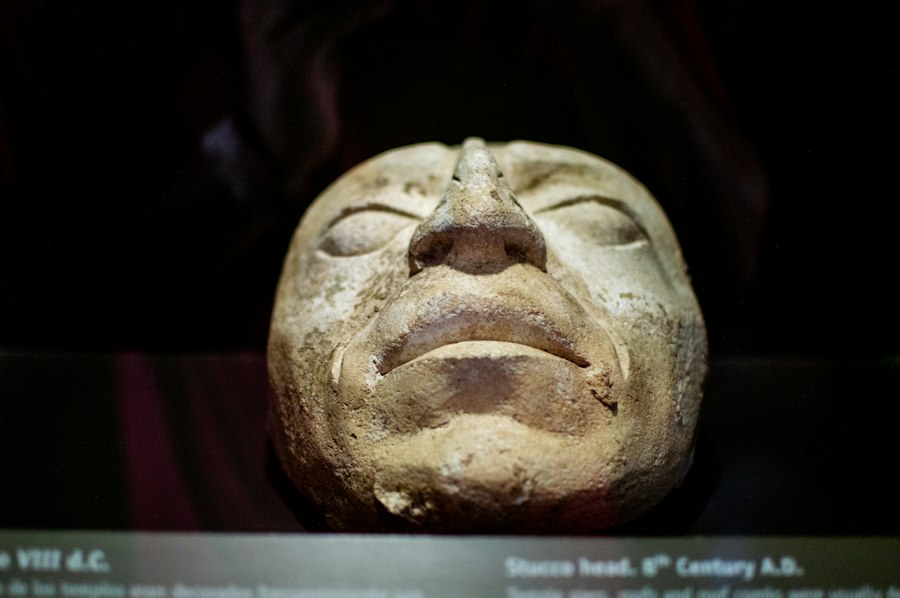
The ancient Maya, with their complex calendar, sophisticated astronomical observations, and intricate hieroglyphic writing system, represent another fascinating frontier. While much has been learned about the Maya in recent decades, many aspects of their society, religion, and eventual collapse remain subjects of intense study. “Unveiling Lost Civilizations” will delve into the profound connection between Maya cosmology, their monumental architecture, and their understanding of time. Utilizing lidar technology to penetrate dense jungle canopies, the series will reveal previously unknown settlements and ceremonial centers, offering a more comprehensive understanding of Maya influence across a vast geographical area. Linguistic experts will guide viewers through the intricacies of deciphering Maya hieroglyphs, explaining how the translation of these texts has revolutionized our understanding of their history, politics, and mythology. The documentary will also explore the various theories surrounding the Classic Maya collapse, examining environmental degradation, warfare, and internal societal factors that may have contributed to the decline of their great city-states.
The Sunken Cities of the Mediterranean: Minoan Crete and the Bronze Age Collapse
The Minoan civilization of Crete, a sophisticated maritime power that flourished in the Bronze Age, offers a compelling narrative of artistic achievement, complex trade networks, and a mysterious disappearance. The series will revisit the palatial complexes of Knossos and Phaistos, using digital reconstructions to bring to life the vibrant frescoes and advanced architectural features. The Linear B script, deciphered in the mid-20th century, will be explored as a key to understanding Minoan administration and economy. Furthermore, the documentary will address the broader context of the Late Bronze Age collapse, a period of widespread societal disruption across the Eastern Mediterranean. The series will investigate the potential role of natural disasters, migratory pressures, and internal conflicts in the downfall of civilizations like the Minoans, the Mycenaeans, and the Hittites, painting a picture of a complex and interconnected world facing unprecedented challenges. The evidence for widespread destruction and societal breakdown will be presented through archaeological findings, alongside theoretical models of the interconnectedness of these societies and their vulnerability to systemic shocks.
Technological Frontiers: Tools of Ancient Discovery
The ability to “unveil” lost civilizations in the 2026 documentary series is not solely due to increased historical interest; it is profoundly enabled by a revolution in technological tools available to archaeologists and researchers. These advancements allow for non-invasive exploration, precise dating, and sophisticated analysis of ancient sites and artifacts, revealing details previously beyond reach. The documentary will not just showcase the findings but also the innovative methods used to achieve them, offering viewers a glimpse into the cutting edge of archaeological science.
Seeing Through the Earth: Ground-Penetrating Radar and Magnetometry
Ground-penetrating radar (GPR) and magnetometry are powerful non-destructive geophysical survey techniques that will be prominently featured. These tools allow archaeologists to map subsurface features – such as walls, foundations, burials, and even ancient roads – without the need for extensive excavation. The series will demonstrate how GPR sends radio waves into the ground and analyzes the reflected signals to create a detailed map of buried structures, akin to an X-ray of the earth. Magnetometry, on the other hand, measures variations in the Earth’s magnetic field caused by buried features, such as fired clay (kilns, hearths) or ditches filled with different soil. Viewers will witness how these technologies, often deployed from the air via drones or across large land areas, can rapidly identify promising areas for targeted excavation, saving time and resources while preserving fragile archaeological contexts. The documentary will show real-time data acquisition and interpretation, illustrating how these technologies are transforming the speed and efficiency of archaeological discovery.
The Eye in the Sky: Lidar and Aerial Imaging for Uncharted Territories
For regions cloaked in dense vegetation, such as the jungles of Mesoamerica or the forests of Southeast Asia, light detection and ranging (Lidar) technology has proven to be a game-changer. This remote sensing method uses laser pulses to map the terrain with unprecedented accuracy, stripping away the canopy to reveal subtle topographic anomalies that indicate the presence of ancient structures, agricultural terraces, or causeways. The series will showcase stunning Lidar-generated maps that have unveiled sprawling Maya cities hidden beneath the rainforest, demonstrating how this technology is opening up vast new frontiers for exploration. Alongside Lidar, advanced aerial imaging, including multispectral and hyperspectral photography, will be used to detect subtle differences in vegetation health or soil composition that can indicate buried archaeological features. The documentary will illustrate how these aerial perspectives provide a bird’s-eye view of ancient landscapes, revealing patterns and connections that are invisible from the ground.
Unlocking the Past Through Molecular Signatures: DNA Analysis and Isotope Forensics
Beyond the visual and spatial, “Unveiling Lost Civilizations” will also delve into the microscopic. The series will highlight the transformative impact of ancient DNA (aDNA) analysis and stable isotope forensics on our understanding of ancient populations. DNA extracted from skeletal remains can reveal migration patterns, kinship structures, and even the origins of diseases that afflicted ancient communities. Isotope analysis of teeth and bones, meanwhile, can provide clues about ancient diets, geographic origins, and environmental conditions. The documentary will feature interviews with leading bioarchaeologists and geneticists, explaining how these molecular tools are helping to rewrite our understanding of human history, from the peopling of continents to the dietary habits of Bronze Age farmers. The ethical considerations and challenges of working with ancient human remains will also be addressed, underscoring the responsible application of these powerful scientific techniques.
In the upcoming ancient history documentary set to release in 2026, viewers can expect a deep dive into the fascinating civilizations that shaped our world. This exploration will not only highlight the achievements of ancient societies but also examine their influence on modern technology and governance. For those interested in how historical advancements continue to impact contemporary issues, a related article discusses the role of artificial intelligence in autonomous space defense, which can be found here. This connection between the past and present underscores the enduring legacy of ancient innovations.
Reconstructing Worlds: Bringing the Past to Life
| Metric | Value | Notes |
|---|---|---|
| Title | Ancient History Documentary 2026 | Working title for the upcoming documentary |
| Release Year | 2026 | Scheduled release date |
| Duration | 90 minutes | Estimated runtime |
| Target Audience | History enthusiasts, students | Primary viewers |
| Key Topics Covered | Ancient civilizations, archaeology, cultural heritage | Main themes explored |
| Production Company | History Media Productions | Company producing the documentary |
| Director | Dr. Jane Smith | Lead director and historian |
| Estimated Budget | 5 million | Projected production cost |
| Filming Locations | Egypt, Mesopotamia, Greece | Primary archaeological sites featured |
| Expected Viewership | 2 million | Projected audience size on release |
The power of “Ancient History Documentary 2026: Unveiling Lost Civilizations” lies not only in its discoveries but also in its ability to bring those discoveries to life for the audience. Through a combination of cutting-edge visual effects, meticulous historical reconstruction, and compelling storytelling, the series aims to immerse viewers in the worlds of these ancient peoples, fostering a visceral connection to their lives and achievements.
Digital Renaissance: CGI and Virtual Reality Recreations
The documentary will leverage sophisticated computer-generated imagery (CGI) to recreate lost cities, ancient temples, and everyday scenes from bygone eras. Imagine walking the streets of Mohenjo-Daro, marveling at the towering pyramids of a forgotten Mesoamerican city, or witnessing the bustling harbor of Minoan Crete. The CGI artists are working closely with archaeologists and historians to ensure that these digital reconstructions are not mere flights of fancy but are grounded in the best available archaeological evidence. Furthermore, select segments of the series may incorporate virtual reality (VR) elements, allowing viewers to experience these ancient environments in a truly immersive way, offering an unparalleled sense of presence and scale. The goal is to move beyond static images and text, providing a dynamic and tangible experience of the past. The accuracy of these reconstructions will be a paramount concern, with constant consultation between the creative team and academic advisors to ensure historical fidelity.
The Artisan’s Touch: Replicas, Re-enactments, and Expert Demonstrations
Beyond digital artistry, the series will also embrace tangible forms of historical reconstruction. Skilled artisans and craftspeople will be featured, demonstrating ancient techniques of pottery making, metalworking, weaving, and tool construction. These practical demonstrations offer a unique insight into the ingenuity and labor involved in daily life in ancient societies. Carefully choreographed re-enactments, focusing on specific rituals, social interactions, or daily activities, will further enhance the narrative, adding a human dimension to the historical data. These re-enactments are not intended to be literal historical accounts but rather illustrative portrayals that bring to life the cultural practices and social dynamics that have been pieced together from fragmented evidence. The documentary will emphasize the importance of these living history elements in bridging the gap between abstract knowledge and experiential understanding.
Narrative Threads: Weaving History into Compelling Stories
Ultimately, the success of “Ancient History Documentary 2026: Unveiling Lost Civilizations” will depend on its ability to tell compelling stories. While the focus is on historical accuracy, the series will employ skilled writers and narrative directors to craft engaging storylines that highlight the human dramas, triumphs, and tragedies of these ancient peoples. The series will feature prominent historians and archaeologists as guides, sharing their passion and expertise, but the focus will remain on the civilizations themselves. Personal narratives, where possible through the interpretation of burial sites, artistic depictions, or written records, will be woven into the broader historical tapestry, allowing viewers to connect with individuals from the distant past. The aim is to create a series that is not only educational but also emotionally resonant, leaving a lasting impression on the viewer’s understanding of human history and our place within it.
Legacy and Looking Forward: The Enduring Impact of Lost Civilizations
The exploration of lost civilizations is more than just an academic pursuit or an entertainment endeavor; it is a profound reflection on the human journey. The stories of these ancient societies, their innovations, their struggles, and their eventual disappearances, offer invaluable lessons for the present and the future. “Ancient History Documentary 2026: Unveiling Lost Civilizations” aims to leave a lasting legacy, not only by expanding our knowledge but also by fostering a deeper appreciation for the interconnectedness of humanity across time and space.
Lessons for the Modern World: Echoes of Resilience and Caution
The fate of ancient civilizations often serves as a mirror to our own contemporary challenges. The documentary will draw parallels between the environmental pressures faced by the Maya, the societal fragilities revealed by the Bronze Age collapse, and the sustainability concerns of our modern world. The ingenuity and resilience demonstrated by these ancient peoples in overcoming obstacles offer a source of inspiration, while their failures serve as cautionary tales. The series will prompt viewers to consider the long-term consequences of resource depletion, societal inequality, and the impact of technological advancements, encouraging a more mindful and sustainable approach to our own civilization. The documentary aims to spark dialogue about the cyclical nature of history and the potential for repeating past mistakes if we fail to learn from them.
Inspiring Future Explorations: A Call to Continued Discovery
By shining a spotlight on these “lost” civilizations, “Ancient History Documentary 2026” aims to ignite a passion for history and archaeology in a new generation. The series will showcase the exciting, dynamic nature of these fields, highlighting the ongoing process of discovery and interpretation. It is a call to action, encouraging viewers, particularly young people, to engage with the past, to ask questions, and perhaps even to contribute to future explorations. The documentary’s creators hope to inspire a sense of wonder and curiosity that extends far beyond the screen, fostering a lifelong engagement with the rich tapestry of human history. The emphasis on cutting-edge technology and interdisciplinary approaches will also showcase the evolving landscape of historical research, attracting new talent to the field.
A Shared Human Heritage: Connecting Across the Millennia
Ultimately, the series underscores the idea that these ancient civilizations, despite their differences, are part of our shared human heritage. Their triumphs and their failures, their innovations and their beliefs, have all contributed to the complex narrative of humanity. “Ancient History Documentary 2026: Unveiling Lost Civilizations” seeks to remind us that we are all descendants of these remarkable people, and that their stories, however distant they may seem, continue to shape our world. By unveiling these lost civilizations, the documentary offers a profound sense of connection, reminding us of our common humanity and the enduring legacy of human endeavor across the vast expanse of time. The series aims to foster a sense of global citizenship, recognizing that the history of each civilization is a thread in the larger fabric of human experience.
Your 401(k) Withdrawal Can Make More of Your Social Security Taxable
FAQs
1. What is the focus of the ancient history documentary 2026?
The ancient history documentary 2026 focuses on exploring the civilizations, cultures, and events of ancient times, providing insights into the lives of people from different eras.
2. Who are the experts featured in the ancient history documentary 2026?
The documentary features renowned historians, archaeologists, and researchers who specialize in various aspects of ancient history, offering their expertise and analysis throughout the film.
3. How is the ancient history documentary 2026 different from previous documentaries on the same topic?
The ancient history documentary 2026 utilizes cutting-edge technology such as CGI, virtual reality, and interactive elements to bring ancient civilizations to life in a way that has never been done before, providing a unique and immersive viewing experience.
4. What are some of the ancient civilizations covered in the documentary?
The documentary covers a wide range of ancient civilizations, including but not limited to the Egyptians, Greeks, Romans, Mesopotamians, Mayans, and Chinese, shedding light on their achievements, customs, and legacies.
5. How can viewers access the ancient history documentary 2026?
Viewers can access the ancient history documentary 2026 through various streaming platforms, DVD releases, and special screenings, allowing audiences from around the world to delve into the mysteries and wonders of ancient history.