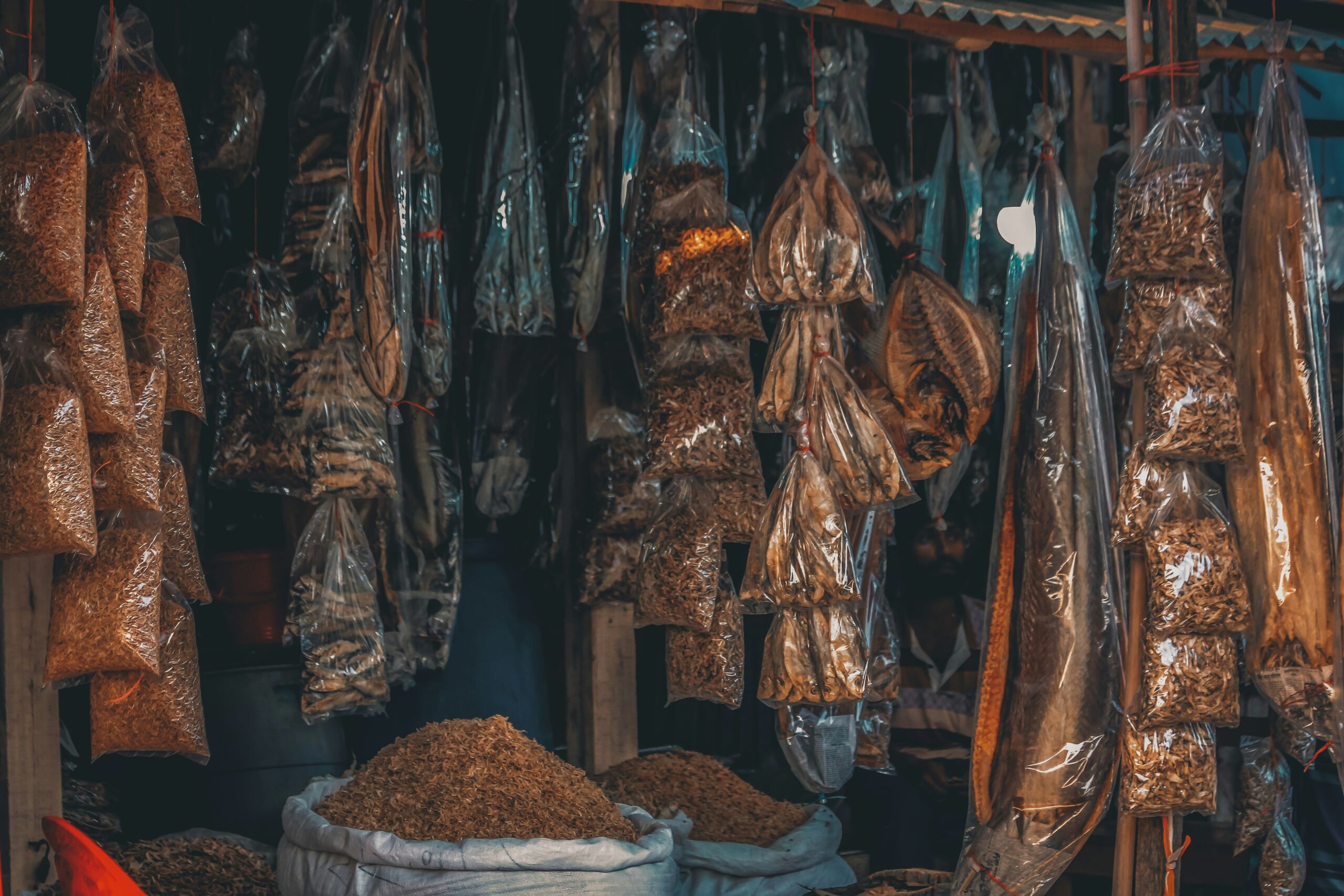
The subtle wisp of smoke, a ubiquitous byproduct of fire, has played a far more significant role in human history than mere illumination or warmth. For millennia, it has been a silent guardian of sustenance, a testament to human ingenuity in the face of perishable resources. The ancient history of using smoke to preserve food is a captivating narrative of discovery, adaptation, and a tradition that, though seemingly primitive, laid the groundwork for modern food preservation techniques and continues to be appreciated for its unique flavor and cultural resonance. This timeless practice, born from necessity, evolved into an art form, shaping diets, economies, and even settlement patterns across diverse civilizations.
The Dawn of Smoky Preservation: Accidental Discoveries and Early Innovations
The very genesis of food preservation through smoke is likely rooted in chance encounters. Early humans, mastering fire, would have inadvertently exposed their food stores to smoke emanating from hearths or, perhaps more significantly, from campfires where meat was being cooked or waste was being burned. The observation that food kept near these smoky fires lasted longer, resisted spoilage, and developed a novel taste would have been a pivotal moment in culinary history. This was not a planned scientific experiment, but rather a slow, iterative process of observation and replication.
Early Hominid Experiments with Fire and Food
While direct archaeological evidence of deliberate smoking by the earliest hominids is scarce, the increasing control over fire by species like Homo erectus approximately 1.5 million years ago would have inevitably led to interactions between fire, smoke, and food. It is plausible that discarded scraps of meat, left to dry near a smoldering fire, would have been noticed to last longer and possess a more appealing aroma or taste. These initial encounters, however rudimentary, represent the embryonic stages of a profound understanding of smoke’s preservative properties.
The Neolithic Revolution and the Rise of Sedentary Lifestyles
The advent of the Neolithic Revolution, marked by the development of agriculture and the establishment of settled communities, significantly amplified the need for food preservation. As humans began to cultivate crops and domesticate animals, surpluses of food became common. The inability to consume these surpluses immediately, especially during leaner seasons, necessitated methods to extend their shelf life. Smoke, being a readily available byproduct of cooking and heating in these permanent settlements, became an increasingly practical and accessible preservation agent. Communal hearths and the development of rudimentary structures would have facilitated the controlled exposure of food to smoke.
Early Civilizations and Documented Smoking Practices
As civilizations emerged and developed complex societies, evidence of deliberate food smoking becomes more concrete. Ancient Mesopotamian texts, for instance, hint at methods of preserving fish and meat, and while not explicitly detailing smoking, the context suggests practices that would have involved smoke exposure. The Egyptians, renowned for their sophisticated methods of food preparation and preservation, including salting and drying, also likely employed smoking for certain foodstuffs, particularly meats and fish intended for longer storage. While the specific techniques may have differed, the underlying principle of using smoke to inhibit spoilage was becoming widely understood. The ability to preserve food allowed for more stable food supplies, crucial for supporting larger populations and enabling the development of more complex social structures and specialized labor.
In ancient history, the practice of using smoke to preserve food has been a vital technique for ensuring the longevity of various perishable items. This method not only enhances flavor but also protects against spoilage caused by bacteria and fungi. For those interested in exploring the broader implications of traditional practices in modern contexts, a related article discusses the rise of nearshoring and Mexico’s growing appeal in the global market. You can read more about it here: The Rise of Nearshoring: Mexico’s Growing Appeal.
The Science Behind the Smoke: Chemical Properties and Preservation Mechanisms

While ancient peoples may not have understood the precise chemical reactions at play, their empirical observations led them to harness the preservative power of smoke. The effectiveness of smoking lies in a combination of factors, primarily the drying action of the smoke, the antimicrobial properties of certain smoke constituents, and the antioxidant effects that prevent fat rancidity. These elements work in concert to transform vulnerable foodstuffs into durable provisions.
Dehydration: The Primary Drying Agent
One of the most significant contributions of smoking to preservation is its dehydrating effect. The heat generated by the smoldering wood, even at low temperatures, contributes to the evaporation of moisture from the surface of the food. This reduction in water activity is crucial because microorganisms, the agents of spoilage, require water to thrive and multiply. By drawing out moisture, smoke creates an environment that is inhospitable to bacterial and fungal growth, significantly extending the food’s shelf life.
Antimicrobial Constituents: Smoke as a Natural Disinfectant
Beyond dehydration, smoke itself contains a complex array of chemical compounds, many of which possess potent antimicrobial properties. Phenols, aldehydes, and organic acids present in wood smoke act as natural disinfectants. Phenols, for instance, disrupt microbial cell membranes, while aldehydes can cross-link proteins essential for microbial survival. These compounds effectively inhibit the growth of a wide range of spoilage organisms and pathogens. The specific types of wood used would have influenced the chemical composition of the smoke and, consequently, its preservative efficacy and flavor profile. For example, hardwoods like oak and hickory tended to produce more desirable and effective smoke for preservation compared to softer, resinous woods.
Antioxidant Effects: Preventing Rancidity and Extending Flavor
Another critical benefit of smoking, particularly for fatty foods like meats and fish, is its antioxidant capacity. Certain compounds in wood smoke, such as phenolic antioxidants, can scavenge free radicals, which are unstable molecules that initiate and propagate oxidative reactions. These reactions lead to rancidity, the undesirable breakdown of fats that results in off-flavors and odors, and can render food unpalatable and potentially harmful. By inhibiting these oxidative processes, smoking helps to preserve the freshness and quality of fatty foods for extended periods. This not only prevented spoilage but also contributed to a desirable flavor, making smoked products a sought-after commodity.
Global Traditions: Diverse Approaches to Smoky Preservation

The practice of smoking food was not confined to a single region or culture. Rather, it emerged independently and evolved in myriad ways across the globe, reflecting local resources, dietary customs, and environmental conditions. From the frigid Arctic to the humid tropics, ingenious methods were devised to utilize smoke for preservation, each contributing a unique character to the culinary landscape.
Arctic and Subarctic Cultures: Preserving for the Long Winter
In the harsh, resource-scarce environments of the Arctic and subarctic regions, smoking played a vital role in survival. Indigenous peoples, such as the Inuit and various Siberian groups, developed sophisticated techniques for smoking fish and game, primarily to endure the long, unforgiving winters. Their methods often involved hanging the food in specially constructed smokehouses or near smoldering fires, utilizing the cold, dry air in conjunction with the smoke. The low temperatures would further slow down any potential microbial activity, while the smoke provided the essential preservative elements. Smoked meats and fish, such as salmon, seal, and caribou, were essential protein sources that could be stored for months, providing sustenance when fresh food was unavailable. The techniques were passed down through generations, refined by trial and error, and deeply integrated into their cultural practices.
European and Asian Culinary Heritage: From Peasant Staple to Delicacy
Across Europe and Asia, smoking became a cornerstone of food preservation, particularly for meats and fish. In Northern Europe, where refrigeration was non-existent for much of history, smoking was a primary method for preserving pork, bacon, and a variety of fish like herring and salmon. The development of smoking sheds and later, more elaborate smokehouses, allowed for more controlled and consistent preservation. In Asia, particularly in coastal communities, smoking was crucial for preserving seafood. Different woods and spices were often incorporated into the smoking process, adding distinct regional flavors. For example, in some parts of Eastern Europe, fruits were also smoked to aid in their preservation, imparting a unique smoky sweetness. This practice wasn’t limited to necessity; it evolved into a culinary art, with specific smoking methods yielding prized delicacies.
Indigenous Peoples of the Americas: Sustaining Hunter-Gatherer Lifestyles
Throughout the Americas, indigenous peoples, from the Plains tribes to the Pacific Northwest, employed smoking to preserve a wide array of foods. Bison, deer, salmon, and various fowl were often smoked after hunting to ensure their availability throughout the year. The methods varied greatly depending on the local environment and the specific game. Some groups would smoke meat thinly sliced and hung on racks, while others would use pit smokers or more elaborate structures. The smoking of pemmican, a mixture of dried meat, fat, and berries, was a testament to the effectiveness of this preservation technique, allowing nomadic tribes to travel long distances with a highly nutritious and shelf-stable food source. The integration of smoking into their traditions was essential for sustaining their hunting and gathering economies and ensuring food security.
The Evolution of Smoking Techniques: From Open Fires to Sophisticated Smokehouses
As human societies became more settled and their understanding of the process deepened, so too did the methods of smoking food evolve. The transition from simple exposure to open fires to purpose-built structures represented a significant leap in control and efficiency, leading to more consistent and effective preservation. This evolution mirrored the broader advancements in human technology and organization.
Early Methods: Open Fires and Natural Drying
The earliest forms of food preservation using smoke likely involved simply hanging food near a smoldering fire or in areas where cooking fires were consistently maintained. This was a passive approach, relying on the ambient smoke and airflow. While effective to a degree, this method lacked control over temperature, humidity, and smoke density, leading to variable results. The primary mechanism at play was the drying effect of the surrounding air, enhanced by the chemical compounds present in the smoke. Often, food would be placed on racks or hung from branches at a distance from the direct flames, allowing the smoke to envelop it.
The Emergence of Rudimentary Smokehouses
As people began to understand the benefits of controlled smoke exposure, rudimentary smokehouses began to appear. These were often simple structures, built from wood, thatch, or mud, designed to contain the smoke and allow for more consistent exposure of the food. Early smokehouses might have involved a pit for the fire or smoldering material, with a chimney or opening leading to a chamber where the food was suspended. This allowed for a more sustained and concentrated exposure to smoke, leading to better preservation and a more pronounced smoky flavor. The design often incorporated features to regulate airflow, allowing for cooler smoking (intended primarily for preservation) versus hotter smoking (for cooking and preservation).
Refined Designs and Specialized Equipment
Over time, these rudimentary structures evolved into more sophisticated smokehouses, some of which are still in use today. Designs incorporated features such as adjustable vents for temperature and airflow control, multiple levels for hanging food, and even rudimentary insulation. Different types of wood were experimented with to achieve specific flavor profiles and preservative qualities. In some regions, specialized smoking techniques emerged for particular food types. For example, cold smoking, where the food is exposed to smoke at low temperatures (typically below 30°C or 86°F), became a popular method for preserving fish and cured meats, as it retained the food’s texture and flavor while maximizing shelf life. Hot smoking, on the other hand, cooks the food while preserving it, often used for poultry and larger cuts of meat. The development of specific tools and implements for handling and preparing food for smoking also marked this evolutionary period.
In ancient history, various methods were employed to preserve food, and one of the most fascinating techniques involved the use of smoke. This method not only enhanced the flavor of meats and fish but also helped to inhibit the growth of bacteria, making it a vital practice for early civilizations. For those interested in exploring more about the innovative ways humans have adapted to their environments, you can read a related article that delves into the evolution of food preservation techniques by following this link.
The Enduring Legacy: From Necessity to Culinary Art and Modern Applications
| Time Period | Region | Type of Food Preserved | Smoke Source | Preservation Duration | Purpose/Benefit |
|---|---|---|---|---|---|
| Prehistoric Era (circa 7000 BCE) | Global (various ancient cultures) | Meat, Fish | Wood smoke (oak, hickory, pine) | Weeks to months | Prevent spoilage, extend shelf life |
| Ancient Egypt (circa 3000 BCE) | Egypt | Fish, Meat | Wood smoke from date palm and acacia | Several weeks | Preservation for trade and storage |
| Ancient China (circa 2000 BCE) | China | Meat, Fish, Poultry | Wood smoke from bamboo and hardwoods | Weeks to months | Preservation and flavor enhancement |
| Viking Age (circa 800-1100 CE) | Scandinavia | Fish (especially cod), Meat | Wood smoke from birch and pine | Months | Long-term storage for voyages |
| Native American Cultures (pre-1500 CE) | North America | Fish, Game Meat | Wood smoke from cedar, hickory | Weeks to months | Preservation and ritual purposes |
While modern refrigeration and advanced food preservation techniques have undoubtedly reduced the reliance on smoking for basic sustenance in many parts of the world, its legacy remains profoundly influential. The practice has transitioned from a necessity for survival to a cherished culinary art form, prized for its distinctive flavors and aromas. Furthermore, the underlying principles of smoke preservation continue to inform contemporary food science and industry.
The Flavor Factor: Smoking as a Culinary Enhancement
Today, smoking is largely embraced for its ability to impart unique and desirable flavors to food. The complex chemical compounds in wood smoke contribute a rich, savory, and often slightly sweet dimension that is difficult to replicate through other means. From barbecue ribs to smoked salmon and artisanal cheeses, the smoky essence has become a hallmark of gourmet cuisine. Chefs and home cooks alike experiment with different wood types, smoking temperatures, and durations to achieve a vast spectrum of taste profiles. The ritual of smoking, from tending the fire to the anticipation of the finished product, adds a cultural and experiential layer that elevates the culinary process.
Cultural Significance and Heritage Foods
Many traditional smoked foods are deeply embedded in the cultural heritage of various societies. These “heritage foods” are often associated with specific holidays, regional traditions, and family gatherings. The act of preparing and sharing smoked foods can evoke a sense of connection to the past and a celebration of ancestral culinary practices. For example, traditional Christmas hams, smoked trout in Nordic countries, or smoked paprika in Spain are more than just food items; they are symbols of identity and continuity. The preservation of these traditions is often a conscious effort to maintain a link to one’s cultural roots.
Modern Applications and Scientific Advancements
The principles of smoke preservation have been modernized and scientifically refined. While traditional smoking methods persist, the food industry now employs more controlled and standardized smoking processes, often using liquid smoke or manufactured smoke generators. These technologies allow for precise control over the chemical composition and intensity of the smoke, ensuring consistent quality and safety. Furthermore, scientific research continues to explore the health benefits and potential drawbacks of compounds found in wood smoke, leading to the development of methods that maximize flavor and preservation while minimizing the formation of undesirable byproducts. The understanding of antioxidant and antimicrobial mechanisms derived from ancient practices continues to inform the development of new food preservation strategies. The enduring appeal of smoked foods, from its ancient origins to its modern manifestations, speaks to its fundamental effectiveness and its timeless ability to enhance and preserve the bounty of the earth.

Life 20,000 Years Ago: How Humans Survived the Ice Age
FAQs
What is the history behind using smoke to preserve food?
Using smoke to preserve food dates back to ancient times when people discovered that exposing meat and fish to smoke helped to extend their shelf life. This method was commonly used before the invention of refrigeration.
How does smoking food help in preservation?
Smoking food helps in preservation by drying it out, creating an acidic surface, and adding antimicrobial properties to the food. The smoke also acts as a barrier, preventing insects and other pests from contaminating the food.
What types of food are commonly preserved using smoke?
Meat, fish, and cheese are commonly preserved using smoke. The process not only helps in preserving these foods but also imparts a unique flavor that is highly sought after by many people.
What are the different methods of smoking food for preservation?
There are two main methods of smoking food for preservation: cold smoking and hot smoking. Cold smoking involves smoking food at temperatures below 85°F (30°C) for an extended period, while hot smoking is done at higher temperatures, cooking the food as it smokes.
Are there any health concerns associated with consuming smoked foods?
While smoked foods are generally safe to eat, there are some health concerns associated with consuming them in excess. The compounds produced during the smoking process, such as polycyclic aromatic hydrocarbons (PAHs) and heterocyclic amines (HCAs), have been linked to an increased risk of certain cancers when consumed in large quantities.