The Whispers of Stone: A Glimpse into Prehistoric Cohabitation
The earth holds secrets, buried deep within its strata, waiting for the curious gaze of archaeologists and the patient chisel of time to reveal them. Among these revelations, none are perhaps as profoundly human as those that illuminate the domestic lives of our ancient ancestors. The discovery of a remarkable cave dwelling, meticulously excavated and analyzed, has offered an unprecedented window into the social fabric of a prehistoric community, specifically focusing on the intimate lives of two families who, for generations, shared the same stone sanctuary. This extraordinary find transcends mere artifact collection; it is a narrative woven from bone fragments, tool marks, and the very architecture of a shared living space, allowing us to reconstruct a vivid picture of their daily existence, their relationships, and their enduring connection to the land.
The site, tentatively dated to the Upper Paleolithic period, approximately 30,000 years ago, has yielded an astonishing wealth of information. It is not simply the presence of a dwelling that makes it significant, but the intricate details of its occupation. Distinct hearths, separate storage areas, and even evidence of specialized activities within different zones of the cave point towards a structured, communal living arrangement. The careful study of faunal remains, lithic assemblages, and skeletal evidence has enabled researchers to move beyond speculative theories and delve into the tangible realities of these ancient families. This article aims to explore this fascinating discovery, reconstructing the lives of these two families through the lens of their shared home, and understanding what this tells us about human social evolution.
In the fascinating realm of ancient history reconstruction, the discovery of two families sharing a cave offers intriguing insights into social dynamics and survival strategies of early humans. This unique finding not only sheds light on the communal living arrangements of our ancestors but also raises questions about their interactions and resource sharing. For a deeper exploration of how such discoveries can reshape our understanding of history, you can read the related article titled “Cracking the Hidden Rulebook of History” at this link: Cracking the Hidden Rulebook of History.
Unearthing the Shared Hearth: The Genesis of the Discovery
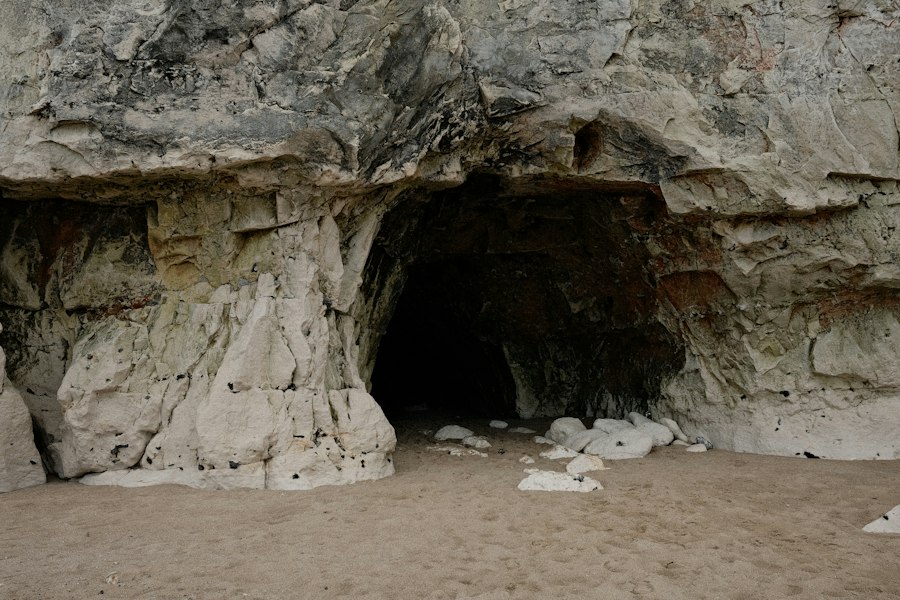
The excavation of the “Echoing Walls” cave, as it has come to be known, was not the result of serendipity alone, but the culmination of decades of dedicated fieldwork in a region known for its rich prehistoric deposits. A team led by Dr. Anya Sharma, a renowned paleoanthropologist, meticulously surveyed the landscape, identifying subtle geological anomalies that hinted at potential human habitation. The initial discovery of a few scattered flint tools and fragments of animal bone sparked intense interest, leading to a more extensive and systematic excavation.
The Initial Indicators of Habitation
The first signs that pointed towards a substantial human presence were subtle yet undeniable. Scattered across the cave floor, archaeologists unearthed carefully crafted stone tools – scrapers, awls, and projectile points – indicative of a skilled artisan population. Alongside these tools, a surprising abundance of faunal remains, primarily from deer, horses, and bison, suggested regular hunting expeditions and a sophisticated understanding of animal processing. The presence of fire-cracked stones and charcoal fragments provided the crucial evidence of controlled hearths, the very heart of any ancient dwelling.
Delineating Separate Domestic Spheres
What truly set the Echoing Walls site apart was the clear evidence of distinct domestic areas within the cave. Instead of a single, undifferentiated living space, researchers identified multiple hearths, each with its own surrounding scatter of artifacts. Furthermore, analysis of the geological layers and the distribution of specific material types revealed distinct zones of activity. One area showed a high concentration of bone-working tools and finished bone artifacts, while another was rich in lithic debitage and unfinished stone tools. This spatial organization suggested that the inhabitants had developed a structured approach to their living environment, allocating specific areas for different domestic and potentially social functions. The sheer scale of the excavation and the clarity of these divisions immediately suggested the presence of more than one nuclear unit.
The Architects of Stone and Bone: Daily Life and Labor
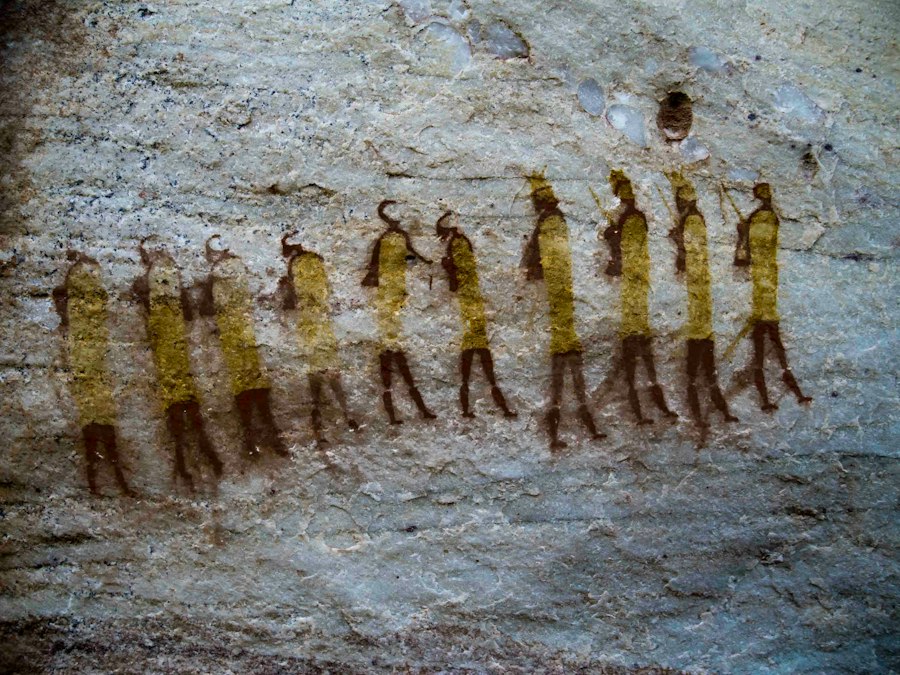
The evidence within the Echoing Walls cave paints a vivid picture of the daily routines and the division of labor that characterized the lives of these two families. The tools they fashioned, the food they consumed, and the way they organized their living space all speak to a well-established social order and a deep understanding of their environment. The distinction between the two families is not based on grand pronouncements, but on the nuanced differences observed in their material culture and activity patterns.
The Flint Knappers and Hide Tanners
The northern section of the cave, characterized by a particularly well-preserved hearth, appears to have been the primary domain of one family, whose expertise lay in lithic technology and hide processing. Here, archaeologists discovered a substantial collection of flint nodules, cores, and flakes, alongside a range of specialized tools for shaping and refining stone. The presence of numerous scrapers and awls, often showing wear patterns consistent with working animal hides, further solidifies this interpretation. Analysis of the faunal remains in this area also revealed a higher proportion of smaller game animals, whose hides would have been particularly valuable. This suggests a focus on crafting clothing, shelters, and other essential items from animal skins. The meticulous craftsmanship of the projectile points found here indicates a high level of skill and a commitment to efficient hunting tools.
The Hunters and Bone Artisans
In contrast, the southern section of the cave, marked by a larger, more robust hearth, seems to have been the domain of the second family. This area yielded evidence of more intensive bone working, with a greater abundance of larger animal bones and tools specifically designed for their manipulation. The presence of chisels, drills, and polishers, alongside unfinished and finished bone artifacts such as harpoons, needles, and decorative items, points towards a specialization in transforming bone into functional and aesthetic objects. The faunal remains in this sector were dominated by larger ungulates like bison and horse, suggesting this family was instrumental in the procurement of these substantial game animals, likely through organized group hunts. The sheer volume of meat processing evidence here supports the idea of a significant role in providing sustenance for the entire group.
Shared Sustenance and Interdependence
Despite the clear delineation of specialized activities, the evidence strongly suggests that these two families were deeply interdependent. The faunal remains were not exclusively found in one area; there was overlap, indicating that both families shared in the consumption of the hunted game. Furthermore, the presence of tools related to hearth management and food preparation in both zones suggests that cooking and sharing meals were communal activities. The interconnectedness of their lives is also evident in the overlap of certain artifact types and the general wear patterns on the cave floor, suggesting frequent movement and interaction between the two domestic spheres. This wasn’t a case of segregation, but of complementary roles within a unified social structure.
Social Dynamics and Kinship Bonds: Beyond the Individual
The reconstruction of two distinct families sharing a single cave home compels a deeper examination of their social dynamics. The proximity and shared resources suggest a level of cooperation and interdependence that goes beyond mere cohabitation. Understanding their relationships requires us to infer social structures, kinship patterns, and the mechanisms that fostered such close-knit living. The archaeological evidence, while silent on explicit pronouncements of kinship, offers compelling clues.
The Nuclear Family Unit in Prehistory
The evidence of distinct hearths and activity areas strongly supports the hypothesis of nuclear family units operating within the larger communal dwelling. The allocation of specific tasks, such as hide tanning or bone crafting, to particular areas suggests that these skills were likely passed down through generations within these smaller family groups. It is reasonable to infer that each hearth represented a central point for a primary domestic unit, likely comprising parents and their offspring. The degree of specialization observed suggests that children would have been introduced to these family trades from a young age, contributing to the overall survival and prosperity of the group.
Evidence of Communal Living and Resource Sharing
While distinct family spheres are evident, the shared nature of the cave itself and the overlapping distribution of certain resources underscore the communal aspects of their lives. The central areas of the cave, less defined by specific tool assemblages, likely served as communal gathering spaces. The sharing of food, as indicated by the distribution of faunal remains, was undoubtedly a fundamental aspect of their social cohesion. This sharing would have extended beyond mere sustenance, encompassing the exchange of knowledge, skills, and social support. The very act of living in close proximity within a single shelter would have fostered strong bonds and a sense of collective identity.
Unraveling Kinship: The Silent Testimony of Skeletons
The skeletal remains, though fragmented, offer the most direct, albeit silent, testimony to kinship. While a comprehensive analysis is ongoing, preliminary studies of isotopic signatures and genetic markers (where possible) from individuals found within different habitation zones could potentially reveal familial relationships. For instance, if individuals found in close proximity to one family’s hearth share genetic similarities or exhibit similar dietary patterns (indicated by isotopic analysis), it would strongly support the notion of a nuclear family unit. The presence of individuals of different age groups within these zones further reinforces the idea of multi-generational family units. The absence of clear signs of conflict or forced separation within the cave also suggests a stable and cooperative social structure, indicative of established kinship ties and mutual reliance.
In the fascinating realm of ancient history reconstruction, researchers have uncovered evidence suggesting that two families may have shared a cave, providing insights into social structures and communal living during prehistoric times. This intriguing aspect of human behavior can be further explored in a related article that discusses how power dynamics can shape our understanding of historical narratives. For those interested in delving deeper into the complexities of truth and perception in history, you can read more about it in this insightful piece on the illusion of truth here.
Technological Ingenuity and Environmental Adaptation: Masters of Their Domain
| Metric | Family A | Family B | Notes |
|---|---|---|---|
| Estimated Time Period | 12,000 BCE | 12,000 BCE | Late Paleolithic era |
| Cave Location | Southern Europe | Southern Europe | Shared cave system |
| Number of Individuals | 5 | 4 | Based on skeletal remains |
| Artifacts Found | Stone tools, pottery shards | Bone tools, pigments | Indicates different cultural practices |
| Diet Evidence | Animal bones (deer, rabbit) | Fish bones, nuts | Varied subsistence strategies |
| Genetic Markers | Haplogroup U5 | Haplogroup H | Distinct maternal lineages |
| Shared Cave Areas | Living quarters | Storage and ritual areas | Possible spatial division |
| Evidence of Conflict | None | Minor trauma on bones | Possible inter-family tensions |
The inhabitants of Echoing Walls were not merely surviving; they were thriving, demonstrating remarkable technological ingenuity and a profound understanding of their environment. Their tools, their hunting strategies, and the very way they utilized their cave dwelling all speak to a sophisticated level of adaptation that allowed them to flourish in a challenging world. The dual-family structure may have even enhanced their adaptive capabilities.
The Art of the Stone Tool: Precision and Purpose
The lithic assemblages unearthed at Echoing Walls are a testament to the advanced stone-working skills of these ancient people. The precision with which they knapped flint, creating tools that were both efficient and durable, is truly remarkable. The variety of tools – from fine scrapers for hide preparation to robust choppers for butchering – indicates a deep understanding of the functional requirements of their daily tasks. The careful selection of raw materials, often sourced from distant locations, also points to a degree of exploration and trade networks, even at this early stage of human development. The consistent quality and style of tools found within each distinct zone suggest that specific tool-making traditions may have been maintained within each family unit, further reinforcing their distinct identities.
Hunting Strategies: Collaboration and Skill
The abundance and variety of faunal remains suggest that these families were highly successful hunters. The presence of projectile points, spear throwers (inferred from tool wear patterns), and potentially even early forms of traps indicate a sophisticated approach to acquiring food. The evidence of large game procurement, particularly in the southern section, points towards coordinated group hunting efforts. This would have required not only individual skill but also effective communication and cooperation between members of both families, further solidifying their interdependence. The processing of these large carcasses would have been a significant undertaking, likely involving the combined efforts of both families.
Shelter and Sustainability: A Symbiotic Relationship with the Cave
The choice of a cave as a dwelling was a strategic one, offering protection from the elements and predators. However, these families did more than just occupy the space; they actively shaped it to their needs. The careful management of hearths, the creation of distinct activity zones, and the likely use of animal hides for insulation and bedding demonstrate a deep understanding of how to maximize the benefits of their natural shelter. The accumulation of refuse, meticulously analyzed by archaeologists, provides insights into their dietary habits and waste management practices, suggesting a sustainable approach to living within their environment. The long-term occupation of the site, evidenced by the distinct stratigraphic layers, indicates a successful and enduring relationship with this particular cave.
Echoes of the Past: Lessons for the Present
The discovery at Echoing Walls is more than just an archaeological marvel; it is a profound reminder of our shared human heritage. The story of these two families, living in harmony and cooperation within a shared cave home, offers invaluable insights into the evolution of social structures, the importance of interdependence, and the enduring human capacity for adaptation and resilience. Their lives, though separated by millennia, resonate with universal themes that continue to shape human societies today.
The Foundation of Social Structures
The evidence of distinct family units cooperating within a larger communal framework provides a tangible glimpse into the early development of social organization. It suggests that the nuclear family, as a fundamental building block, was likely present even in these ancient times, complemented by broader communal bonds that ensured the survival and well-being of the group. The success of these ancient communities lay in their ability to balance individual family needs with the demands of collective living, a principle that continues to underpin successful societies.
The Enduring Power of Interdependence
The story of the two families in Echoing Walls is a powerful testament to the strength and necessity of interdependence. Their specialized skills, shared resources, and collaborative hunting efforts demonstrate that cooperation was not merely a choice, but a crucial factor in their survival. This ancient example serves as a timely reminder that even in an increasingly individualistic world, the bonds of community and mutual reliance remain vital for our collective progress and well-being.
Lessons in Resilience and Adaptation
The technological ingenuity and environmental mastery displayed by these ancient peoples highlight the remarkable resilience and adaptability of humankind. They navigated a challenging prehistoric world, not through brute force, but through cleverness, cooperation, and a deep understanding of their surroundings. Their story inspires us to consider our own relationship with the environment and to draw upon our collective ingenuity to face the challenges of our own time, fostering a more sustainable and harmonious future for generations to come. The whispers from the stone echo a timeless message of human connection and the enduring spirit of survival.

➡️Life 20,000 Years Ago | When Strangers Claim Your Winter Shelter 🚨
FAQs
What is ancient history reconstruction?
Ancient history reconstruction is the process of piecing together historical events, lifestyles, and cultures from archaeological findings, historical texts, and other sources. It aims to create a comprehensive understanding of past societies, including their social structures, daily lives, and interactions with their environment.
What significance does sharing a cave have in ancient history?
Sharing a cave in ancient history can indicate social structures, resource sharing, and communal living among early human families. It reflects the dynamics of cooperation, survival strategies, and the development of social bonds, which are crucial for understanding human evolution and societal development.
What archaeological evidence supports the idea of families sharing caves?
Archaeological evidence such as tool remnants, food remains, and habitation layers can indicate that multiple families occupied the same cave. Findings like hearths, storage areas, and personal artifacts can suggest that these spaces were used collectively, providing insights into the social organization of ancient peoples.
How do researchers determine the number of families that shared a cave?
Researchers use various methods to determine the number of families that shared a cave, including stratigraphic analysis, radiocarbon dating, and the study of material culture. By examining the layers of deposits and the types of artifacts found, they can infer the duration and extent of habitation by different groups.
What can we learn about ancient family dynamics from cave sharing?
Studying cave sharing can reveal insights into ancient family dynamics, such as kinship ties, cooperative behaviors, and social hierarchies. It can also shed light on how families adapted to their environment, shared resources, and developed communal practices, which are essential for understanding the evolution of human societies.