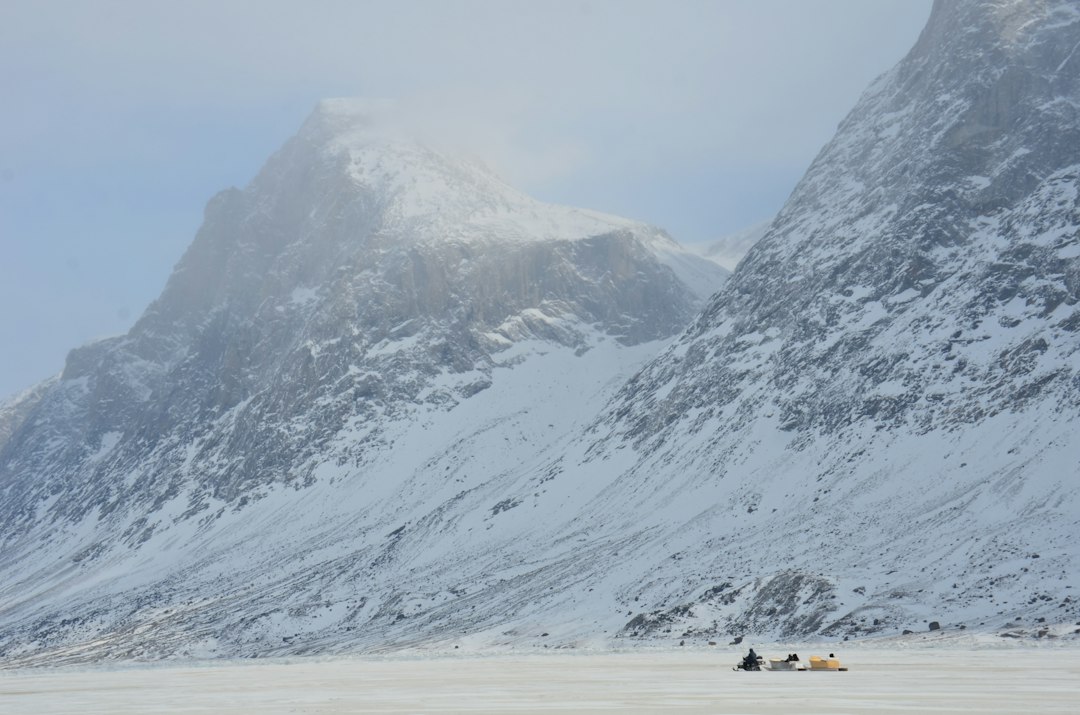
The biting wind, a constant, relentless force, sculpts the snowdrifts and numbs exposed flesh. The sun, a pale disc in the frigid sky, offers little warmth for months on end. For ancient humans, the Arctic was not merely a harsh environment; it was a formidable adversary, demanding an extraordinary array of adaptations for survival. These early inhabitants, venturing into landscapes of ice and snow, did not possess the technological marvels of today. Their resilience was forged through ingenuity, biological evolution, and a profound understanding of their unforgiving world. The story of their survival is a testament to the remarkable adaptability of the human species, a narrative woven from the threads of innovation, physiological change, and cultural transmission across millennia.
Ingenious Shelter and the Mastery of Fire
The most immediate threat in the Arctic is exposure to the extreme cold. Ancient humans, lacking insulated clothing and modern heating systems, had to rely on their wits and resourcefulness to create havens from the elements. Shelter was not a luxury; it was a fundamental prerequisite for life, and the development of sophisticated techniques for its construction marked a significant turning point in their ability to colonize and thrive in these challenging regions.
Dwellings of Ice and Stone
The materials available in the Arctic dictated the forms of these early dwellings. In areas with abundant snow, igloos, or more accurately, snow houses, became a remarkable solution. While the modern image of an igloo is often associated with Inuit culture, archaeological evidence suggests that snow-block dwellings have a much deeper history in the Arctic. The construction involved carefully cutting and stacking blocks of compacted snow. The unique thermal properties of snow, with its trapped air pockets, provided surprisingly effective insulation, maintaining an interior temperature significantly warmer than the external environment. The spherical shape of the igloo was also structurally sound, capable of withstanding heavy snow loads.
Beyond snow, stone and sod were also vital construction materials. In regions where snow cover was less consistent or for more permanent settlements, people utilized available rock and earth. Semi-subterranean dwellings, dug into the permafrost and covered with turf or animal hides, offered excellent insulation. The earth itself acted as a thermal buffer, protecting inhabitants from the harshest winds. The placement of these dwellings was also strategic, often utilizing natural windbreaks like hills or rock formations to further mitigate the effects of the cold. These structures were not simply rudimentary shelters; they were sophisticated engineering feats, demonstrating an intimate knowledge of local geology and climate.
The Life-Giving Embrace of Fire
The mastery of fire was arguably one of the most crucial adaptations for survival in the Arctic. Fire provided warmth, allowing humans to extend their active hours and protect themselves from hypothermia. It was essential for cooking food, making it more digestible and releasing vital nutrients. Furthermore, fire served as a crucial tool for processing materials, such as hardening wooden spear points or rendering animal fats.
The challenges of maintaining fire in the Arctic were considerable. Fuel, often scarce, had to be collected, transported, and carefully managed. This required foresight and a deep understanding of resource availability throughout the year. Different types of fuel would have been utilized depending on the region and season, including driftwood, animal dung, and dried grasses or mosses. The development of efficient fire-starting techniques, such as friction-based methods, would have been paramount. Beyond its practical applications, fire also played a significant social and psychological role. The hearth was the center of community life, a focal point for storytelling, social bonding, and the transmission of knowledge, offering a psychological anchor against the vast and often isolating wilderness.
Ancient human adaptation to Arctic weather is a fascinating topic that highlights the resilience and ingenuity of early humans in extreme environments. For a deeper understanding of how these early populations developed survival strategies in harsh climates, you can explore the article available at this link. It delves into the various techniques and tools used by our ancestors to thrive in the unforgiving Arctic landscape.
Sustenance in a Season of Scarcity
The Arctic environment presents unique challenges to food procurement. The short growing season and the harsh winters severely limit plant-based food sources for much of the year. Ancient Arctic inhabitants relied heavily on their hunting and fishing prowess, developing specialized techniques and tools to exploit the abundant, albeit often elusive, animal life. Their diet was a testament to their deep understanding of the local ecosystems and the migratory patterns of prey.
Hunting Strategies for a Frozen Landscape
The primary source of sustenance for ancient Arctic peoples was large game. Mammoths, woolly rhinoceroses, and other megafauna, now extinct, would have provided substantial amounts of meat, fat, and hides. Hunting these formidable creatures required exceptional skill, courage, and sophisticated cooperative strategies. Evidence suggests the use of specialized hunting techniques, such as driving herds into natural traps like ravines or towards cliffs. The development of projectile weapons, like spears and later bows and arrows, equipped with stone or bone points, was crucial for bringing down prey from a safe distance.
The focus of hunting would have shifted with the seasons. During the warmer months, land mammals like caribou and muskoxen would have been primary targets. As winter descended, marine mammals became increasingly important. Seals, walruses, and whales provided vital sources of fat, protein, and blubber, which was a crucial energy source and also used for lamps. Hunting seals from breathing holes in the ice or stalking them on ice floes demanded patience, stealth, and an intimate knowledge of ice conditions and animal behavior. The successful harvesting of these animals was not merely about obtaining food; it was about utilizing every part of the animal for survival, from meat and fat to hides for clothing and bones for tools.
Fishing: A Cold-Water Bounty
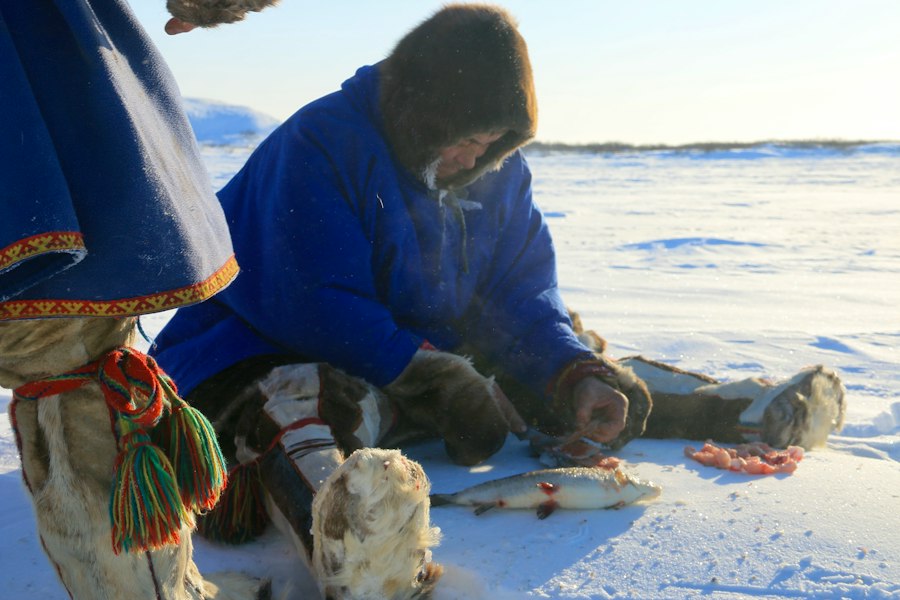
While hunting often captures the imagination, fishing played a similarly vital role in the Arctic diet. Rivers and lakes, though often frozen over, provided access to fish populations. Ancient peoples developed ingenious methods for fishing in these icy waters. Ice fishing, a technique still practiced today, would have been a common practice. This involved creating holes in the ice and using hooks and lines, or sometimes nets, to catch fish. The types of fish targeted would have varied depending on the location, but salmon, trout, and Arctic char were likely important staples.
Coastal communities also benefited from the rich marine life. They would have employed nets, spears, and fish traps to catch fish in shallower waters or at the mouths of rivers. The ability to preserve fish, often through drying or smoking, was also a crucial adaptation. This allowed for the storage of food resources, providing a buffer against lean periods and ensuring sustenance throughout the long Arctic winters. The consistent availability of fish, especially during periods when land-based hunting might be more challenging, made it a reliable and essential component of the ancient Arctic diet.
Clothing and Personal Protection: Armor Against the Frost
The naked human body is ill-equipped to handle the extreme cold of the Arctic. The development of specialized clothing was not merely a matter of comfort; it was a life-or-death necessity. Ancient Arctic inhabitants developed sophisticated methods for creating insulating garments from animal hides and furs, demonstrating an unparalleled understanding of material properties and garment construction.
The Art of Hide and Fur Preparation
The process of transforming raw animal hides into functional clothing was complex and time-consuming. This involved meticulous scraping to remove flesh and fat, followed by a process of tanning or curing to preserve the hide and prevent it from becoming stiff and brittle. Different tanning methods, likely involving brain tanning or using urine, would have been employed to achieve the desired softness and flexibility.
The choice of fur was also critical. Different animals provided furs with varying insulating properties. Seal fur, with its dense undercoat and hollow guard hairs, offered excellent insulation and water resistance. Caribou fur, known for its exceptional warmth due to its hollow structure, was highly prized for extreme cold conditions. The preparation of these furs involved careful cleaning and often combing to maximize their loft and insulating capacity.
Layering and Design for Optimal Insulation
Ancient Arctic clothing was not a single garment but a system of layers, each serving a specific purpose. The innermost layer, often made from the softest furs, was worn against the skin. This layer trapped body heat and wicked away moisture, preventing the chilling effect of sweat. Subsequent layers, often made from heavier furs or tanned hides, provided progressively more insulation.
The design of these garments was also highly specialized. Tunics, trousers, and mittens were tailored to fit snugly, minimizing air circulation and maximizing heat retention. Hoods were essential for protecting the head and face, which are particularly susceptible to heat loss. The use of drawstrings and ties allowed for adjustable fits, further optimizing insulation. The ability to create waterproof outer layers, often from seal intestines or bladders, was also crucial for protection against wind and snow. These garments were not simply functional; they were often adorned with intricate decorations, reflecting the artistic expression and cultural identity of their wearers.
Cognitive and Behavioral Adaptations: A Deep Understanding of the Environment
Beyond physical and technological innovations, the survival of ancient humans in the Arctic was underpinned by profound cognitive and behavioral adaptations. These involved a deep, almost intuitive, understanding of the environment, coupled with a cultural transmission of knowledge that ensured the survival of generations.
Navigating a World of Ice and Snow
The Arctic landscape is dynamic and unpredictable. Ancient inhabitants developed sophisticated skills for navigating this challenging terrain. This included an intimate knowledge of ice formations, snow conditions, and the signs of approaching weather changes. They understood the subtle shifts in the wind, the behavior of wildlife, and the telltale signs of danger, such as thin ice or potential avalanche zones.
The ability to travel long distances was essential for hunting, gathering resources, and maintaining social connections. This likely involved the development of efficient modes of transportation. While kayaks and umiaks are famously associated with later Arctic cultures, earlier inhabitants may have utilized rudimentary sleds pulled by humans or domesticated dogs, if available. The development of navigation techniques, potentially using celestial bodies or landmarks, would have been crucial for maintaining direction and orientation in vast, featureless landscapes.
The Importance of Social Structure and Knowledge Transmission
Survival in the Arctic was rarely an individual endeavor. Strong social structures and close-knit communities were vital for mutual support, resource sharing, and the collective effort required for hunting and defense. The sharing of food and shelter ensured that no one was left to perish alone.
The transmission of knowledge was a cornerstone of this social fabric. Elders played a crucial role in passing down essential survival skills, environmental knowledge, and cultural traditions to younger generations. This knowledge was not merely practical; it encompassed spiritual beliefs, storytelling, and the complex social etiquette that governed inter-group relations. Oral traditions would have served as invaluable repositories of information, ensuring that the hard-won lessons of survival were not lost to time. This cultural legacy, passed down through generations, was as critical to their long-term survival as any technological innovation.
Ancient human adaptation to Arctic weather is a fascinating topic that highlights the resilience and ingenuity of early populations. Researchers have uncovered evidence of how these communities developed unique survival strategies, such as specialized clothing and hunting techniques, to thrive in extreme conditions. For a deeper understanding of how different cultures adapt to their environments, you might find this article on the rise of the Mexican consumer interesting, as it explores modern adaptations in a different context. You can read more about it here.
Physiological Resilience: The Human Body’s Remarkable Capacity
| Adaptation | Description | Evidence | Estimated Time Period |
|---|---|---|---|
| Clothing | Use of animal skins and furs to insulate against cold temperatures | Archaeological finds of sewn animal hides and bone needles | Up to 40,000 years ago |
| Fire Use | Controlled use of fire for warmth and cooking | Charcoal and hearth remains in Arctic cave sites | Approximately 50,000 years ago |
| Dietary Adaptation | High-fat diet from marine mammals and fish to maintain energy and body heat | Stable isotope analysis of ancient human bones | Last 10,000 years |
| Physical Adaptations | Shorter limbs and stockier bodies to conserve heat (Bergmann’s and Allen’s rules) | Fossil skeletal measurements | Throughout the Late Pleistocene |
| Housing | Construction of insulated shelters such as igloos and tents made from bones and hides | Archaeological remains of dwellings and structural tools | Last 5,000 years |
While ingenuity and technology played a significant role, the human body itself possesses a remarkable capacity for adaptation. Over prolonged periods of living in cold environments, ancient Arctic populations likely developed subtle physiological changes that enhanced their resilience to the cold.
Acclimatization and Metabolic Adjustments
Humans are not born with the same tolerance to cold. However, through repeated exposure and acclimatization, the body can undergo significant changes. This involves a complex interplay of physiological responses aimed at conserving heat and generating warmth. One key aspect is improved peripheral circulation, allowing for better blood flow to the extremities, thus reducing the risk of frostbite.
Metabolic adjustments also likely played a role. Studies on populations living in cold climates suggest an increased basal metabolic rate, meaning the body burns more calories at rest to generate heat. This would have been supported by their high-fat diet, providing the necessary fuel for this increased metabolic activity. Furthermore, the body’s ability to regulate shivering responses may have become more efficient, allowing for more controlled and sustained heat generation when needed.
Fat Distribution and Brown Adipose Tissue
While not as pronounced as in some other mammals, humans also possess brown adipose tissue (BAT), also known as brown fat. This specialized type of fat is highly metabolically active and can generate heat directly, a process called non-shivering thermogenesis. It is believed that individuals who live in chronically cold environments may have a higher proportion or greater activity of BAT. This would have provided an additional layer of internal insulation and heat generation, offering a crucial advantage in surviving extreme cold. The gradual accumulation of subcutaneous fat, providing an overall insulating layer, would also have contributed to thermoregulation, though this is a less specialized adaptation compared to BAT. These physiological changes, though often subtle and difficult to detect in the archaeological record, represent a testament to the long-term evolutionary pressures that shaped human populations in Arctic regions.

Life 20,000 Years Ago: How Humans Survived the Ice Age
FAQs
How did ancient humans adapt to the harsh arctic weather?
Ancient humans adapted to arctic weather by developing unique clothing made from animal skins and furs to provide insulation and protection from the cold. They also built shelters such as igloos and sod houses to shield themselves from the extreme temperatures.
What role did diet play in ancient human adaptation to arctic weather?
Diet played a crucial role in ancient human adaptation to arctic weather. Ancient humans consumed high-fat and high-protein diets, including fish, seal, whale blubber, and other animal fats, to provide the necessary energy and nutrients to survive in the cold climate.
Did ancient humans have any genetic adaptations to arctic weather?
Yes, ancient humans living in arctic regions developed genetic adaptations to cope with the cold weather. These adaptations include changes in metabolism, increased production of heat-generating brown fat, and alterations in blood circulation to conserve heat.
How did ancient humans navigate the long periods of darkness in the arctic?
Ancient humans in the arctic adapted to the long periods of darkness by adjusting their sleep patterns and activity levels. They also used artificial light sources such as oil lamps and torches to extend daylight hours and maintain productivity during the winter months.
What are some archaeological findings that provide insights into ancient human adaptation to arctic weather?
Archaeological findings such as well-preserved clothing, tools for hunting and fishing, remains of shelters like igloos, and evidence of specialized diets rich in animal fats offer valuable insights into how ancient humans adapted to arctic weather conditions.