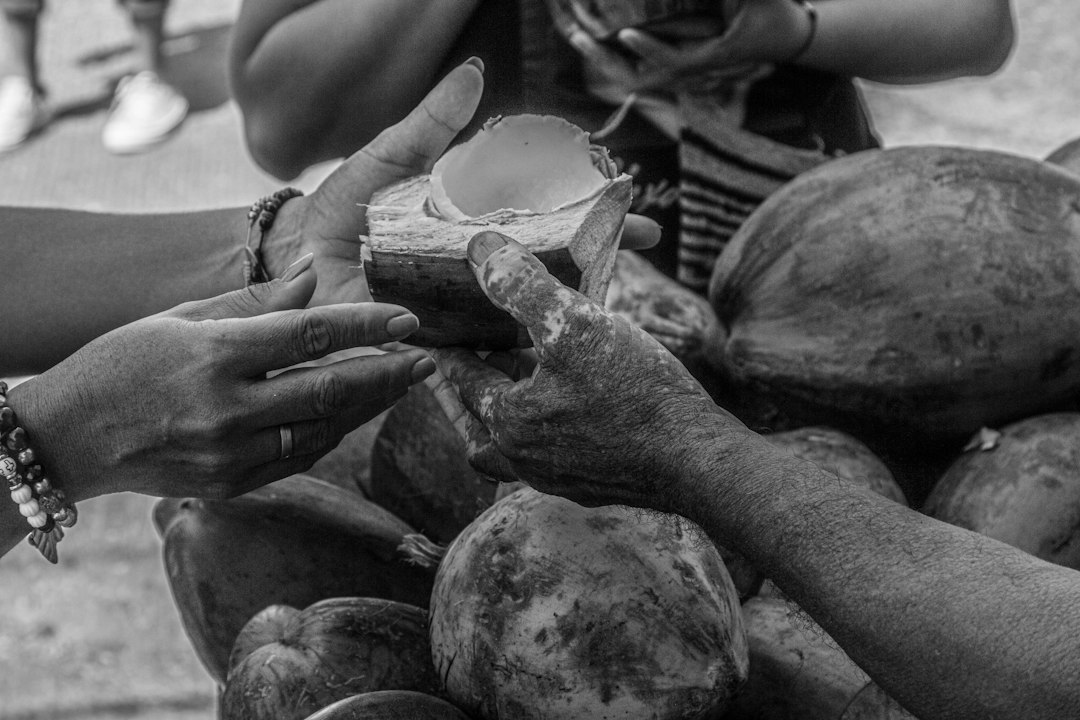
It’s a common image: a lone hunter bringing home a kill, the entire family gathered around. But what happens when the hunt fails, or the berries are scarce? How did our ancient ancestors manage to keep their families fed and thriving when resources were unpredictable and often in short supply? The answer lies in a concept far broader than just blood ties – it’s about unity, shared lives, and a very practical understanding of survival.
The Fabric of Ancient Households: More Than Just DNA
When we talk about ancient families, our minds often jump to genetics, to direct biological links. But recent discoveries are painting a much more nuanced picture. It turns out that the idea of “family” in the past was often built on much more than just who your parents were. It was about who you lived with, who you broke bread with, and who you relied on day in and day out.
Living and Eating Together: The Foundation of Belonging
Think about it: sharing a roof, a hearth, and, most importantly, food creates an undeniable bond. Studies looking at prehistoric burials in Europe and western Asia have revealed something fascinating. People buried side-by-side weren’t always closely related biologically. This strongly suggests that communities formed what we might call “families” through shared living spaces and the act of eating together – a practice known as commensality. This wasn’t just about filling stomachs; it was a ritual that solidified social ties and demonstrated mutual care and commitment. When food was scarce, sharing it became a powerful statement of belonging and survival.
Households as Chosen Families at Çatalhöyük
Consider the ancient settlement of Çatalhöyük, a bustling village that thrived thousands of years ago. Genetic analysis of individuals buried beneath the floors of these ancient homes has shown that many weren’t immediate blood relatives. This indicates that households in places like Çatalhöyük operated less like strict biological units and more like deliberately formed families. People chose to share space, resources, and the daily grind of survival together. This pooling of effort and sustenance was crucial in densely populated environments where individual survival might have been much tougher.
Medieval Caregiving: Beyond the Nuclear Unit
This pattern of forming caregiving units that extended beyond immediate family isn’t a phenomenon confined to the deep past. Evidence from medieval Sweden, through ancient DNA analysis, reveals similar trends. Adults and children buried together were frequently not close relatives. This points to the formation of non-biological caregiving groups, essentially chosen families. During times of hardship, like widespread disease or food shortages, these units would have pooled their labor and resources to ensure the survival of children and other dependents. It highlights a consistent human strategy of banding together for mutual support when life got tough.
In exploring the dynamics of ancient human societies, particularly their survival strategies in times of scarcity, it is fascinating to consider how familial bonds were strengthened through the sharing of limited resources. This concept of rationing not only highlights the importance of cooperation among early humans but also sheds light on the social structures that emerged as a response to environmental challenges. For a deeper understanding of how resource allocation and communal living have evolved over time, you might find the article on the secret military agenda of space exploration intriguing, as it touches on themes of collaboration and resource management in extreme conditions. You can read more about it here: The Secret Military Agenda of Space Exploration.
Sharing the Land: Navigating a Crowded World
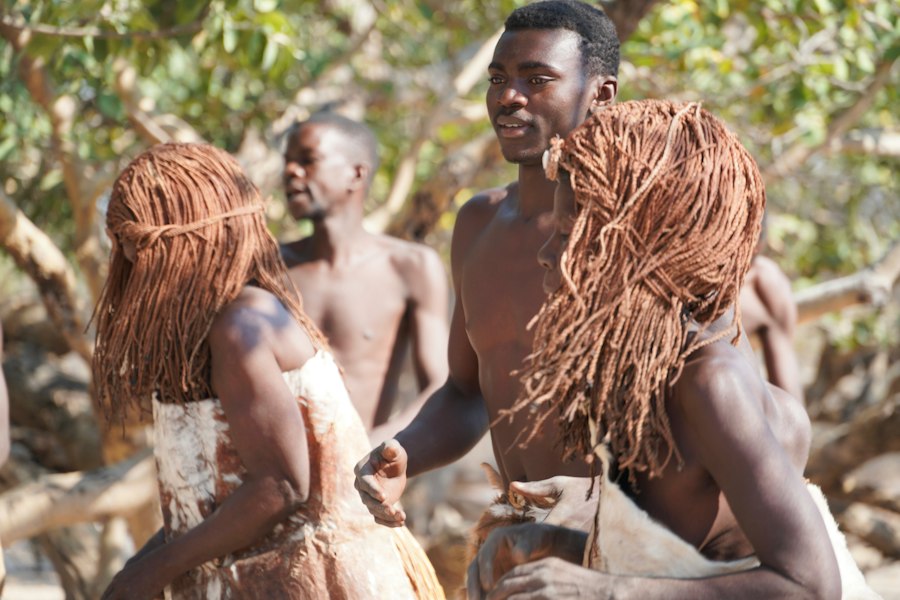
Our ancient ancestors didn’t just live in small, isolated family groups. They often found themselves sharing landscapes and, by necessity, resources with other early human species, as well as with the abundant megafauna of the time. This shared existence likely required complex strategies for resource acquisition and coexistence.
Multiple Species on the Same Hunting Grounds
In Ethiopia, fossil teeth from around 2.6 to 2.8 million years ago tell a story of coexistence. They indicate that an early Homo species and an unknown Australopithecus species were living side-by-side. This discovery sparks important questions about how these different groups managed their food sources. Did they compete directly for the same plants and animals, or did they find ways to divide or share these vital resources? Understanding this dynamic offers a glimpse into the challenges of resource management in early human ecosystems.
Coordinated Foraging in Ancient Kenya
The discovery of footprints in Kenya, dating back 1.4 million years, offers compelling evidence of coordinated group movement. These prints, attributed to eight Paranthropus boisei individuals, suggest that they weren’t just wandering aimlessly. Many researchers interpret this as a sign of them traveling together, likely to exploit resources in a more organized fashion across their environment. Moving and foraging as a group can increase efficiency, provide safety in numbers, and improve the chances of finding food in challenging conditions.
Following Megafauna Trails Out of Africa
Recent research on how our ancestors dispersed out of Africa has uncovered intriguing overlaps. It appears that early humans followed migration routes that were also used by enormous elephants in the Levant around 700,000 years ago. This suggests that humans and these megafauna shared habitats and possibly patterned their movements around the same resource-rich areas. Imagine groups of humans following ancient elephant trails, knowing that where large animals gathered, there was likely water and vegetation, creating natural corridors of opportunity.
Resourcefulness on the Edge: Making Do with Less
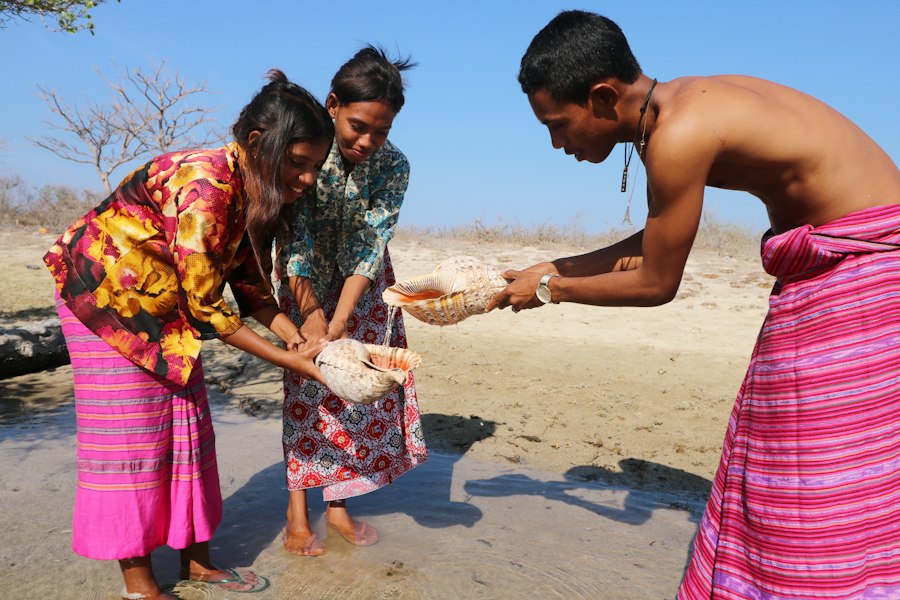
Survival wasn’t always about abundant harvests or successful hunts. Sometimes, it was about being incredibly clever and adaptable, making the most of what little was available, even if it meant being opportunistic scavengers.
The Flores “Hobbits” and the Art of Scavenging
The story of Homo floresiensis, the so-called “hobbits” of Flores Island, is a prime example of survival on the margins. New analyses of animal bones on the island reveal that these hominins were likely scavenging carcasses that had already been partially eaten by fearsome Komodo dragons. They used their stone tools not on prime cuts of meat, but on the leftovers, on the parts the dragons couldn’t or wouldn’t consume. This shows incredible flexibility and an opportunistic strategy to stretch scarce protein resources in a challenging island ecosystem. They weren’t the apex predators, but they knew how to survive by utilizing what was left.
Neanderthals: A Glimpse into Close-Knit Survival
Genetic evidence from 13 Neanderthals found in Siberia provides a rare, intimate look at a small, likely family-scale community. Analysis suggests this group consisted of about 10 to 20 closely related individuals, including a father and his teenage daughter. This snapshot suggests that Neanderthals, at least in this instance, relied heavily on tight social bonds and cooperation within a small, kin-based group to navigate their environment and secure their survival. Sharing the burdens and rewards of life within such a tight unit would have been essential when resources were uncertain.
The Power of the Collective: Expanding the Definition of “Family”
As human societies grew larger and more complex, so too did the structures that bound them together. The concept of “family” evolved to encompass larger alliances and coordinated efforts, allowing for the management of resources and the stability of much bigger populations.
Ancient Societies Structured Around Cooperating “Families”
Looking at the 4,000-year-old Shimao settlement in China, we see evidence of a complex, stratified society. Ancient DNA reveals that elites and commoners were integrated into a single political and social system. This wasn’t just a collection of unrelated individuals; it suggests large-scale forms of “family” and alliances were in play. These structures would have been crucial for coordinating the production and distribution of resources across a substantial population, ensuring the functioning of the entire settlement. It’s like an extended, societal-level family where everyone had a role.
Medieval Care Networks: Facing Crisis Together
As mentioned before, medieval Sweden provides another example of how caregiving extended beyond immediate biological ties. The formation of non-biological caregiving units, essentially chosen families, highlights a persistent human strategy to pool labor and food. During periods of intense stress, such as outbreaks of disease or widespread scarcity, these extended networks would have been vital for supporting vulnerable individuals. It underscores that survival, especially in crisis, often depended on a broader sense of collective responsibility.
In the study of ancient human societies, the practice of sharing scarce rations among family members was crucial for survival, especially during periods of resource scarcity. This communal approach not only strengthened social bonds but also ensured that all members had a better chance of enduring harsh conditions. For a deeper understanding of how ancient communities adapted to their environments and managed resources, you can explore this insightful article on mastering ancient climate control, which highlights sophisticated techniques for environmental regulation.
A Modern Echo: The Enduring Spirit of Shared Survival
| Metric | Description | Estimated Value | Unit |
|---|---|---|---|
| Family Size | Number of individuals sharing rations | 5 | persons |
| Daily Caloric Intake per Person | Average calories consumed per individual per day | 1200 | kcal |
| Total Daily Rations | Total calories available for the family per day | 6000 | kcal |
| Ration Scarcity Level | Degree of food scarcity experienced | High | Qualitative |
| Sharing Frequency | Number of times food is shared or divided daily | 3 | times/day |
| Survival Rate | Percentage of family members surviving under ration scarcity | 85 | % |
| Food Source Diversity | Number of different food types included in rations | 4 | types |
The challenges and strategies of our ancient ancestors are not entirely relics of the distant past. The fundamental human need for cooperation and shared sustenance echoes in our modern world, especially during times of hardship.
Nuns as a “Human Family” in Crisis
A poignant modern parallel can be found in the actions of Tibetan Buddhist nuns at Dolma Ling Nunnery in India during recent coronavirus lockdowns. Facing scarcity themselves, they deliberately reduced their own rations to share essential supplies like rice, flour, sugar, oil, and tea with 100 of the poorest local families. They explicitly framed this act of generosity as embodying the spirit of “one human family” in the face of adversity. This highlights how, even today, the understanding of community and shared responsibility can transcend individual needs and unite people in a common cause for survival and mutual support.

Life 20,000 Years Ago | When Your Ice Age Family Can’t Feed the Dog
FAQs
What does the term “ancient human family” refer to?
The term “ancient human family” typically refers to early human groups or communities that existed thousands of years ago, often characterized by their social structures, survival strategies, and interactions with their environment. These families were crucial in the development of human culture and social behavior.
Why was sharing scarce rations important for ancient human families?
Sharing scarce rations was vital for ancient human families as it fostered cooperation and social bonds within the group. In times of limited resources, sharing food and other necessities helped ensure the survival of all members, particularly vulnerable individuals such as children and the elderly, thereby enhancing the overall resilience of the community.
What types of resources did ancient human families typically share?
Ancient human families typically shared food resources such as hunted game, gathered plants, fruits, and nuts. They also shared tools, shelter, and knowledge about survival techniques, which were essential for their daily lives and overall well-being.
How did the practice of sharing influence social structures in ancient communities?
The practice of sharing influenced social structures by promoting egalitarianism and interdependence among group members. It often led to the establishment of roles within the community, where individuals contributed based on their skills, such as hunting or gathering, which helped to strengthen social ties and collective identity.
What evidence do researchers have about the sharing behaviors of ancient human families?
Researchers have gathered evidence about the sharing behaviors of ancient human families through archaeological findings, such as remnants of communal meals, tools, and storage facilities. Additionally, studies of contemporary hunter-gatherer societies provide insights into similar sharing practices, suggesting that these behaviors have deep evolutionary roots in human history.