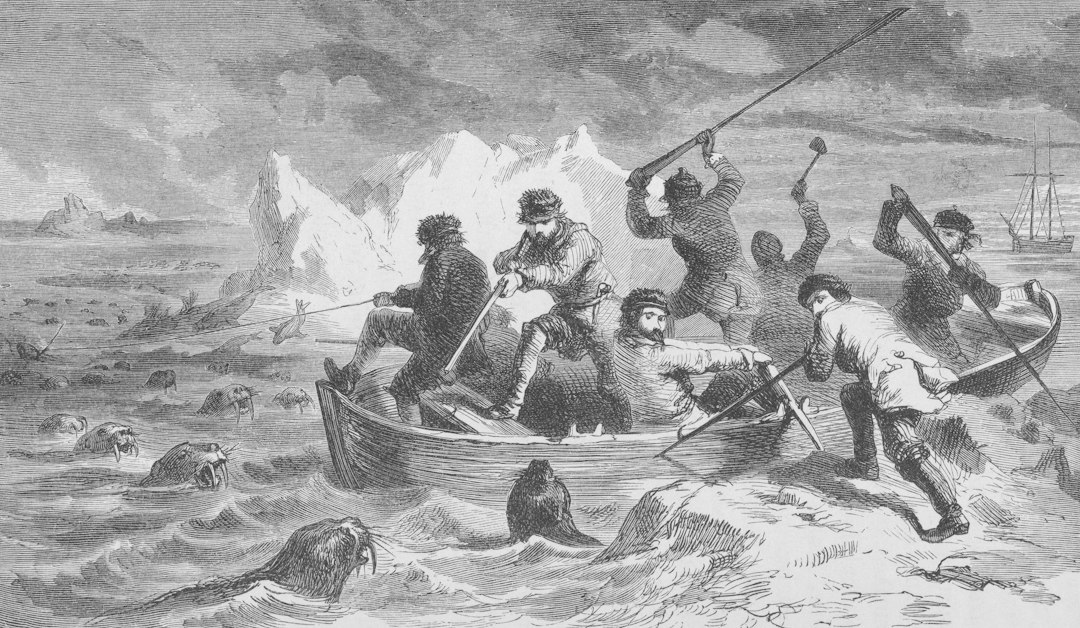
The story of human migration is often painted with broad strokes of terrestrial expansion, following game trails across continents and navigating mountain ranges. Yet, emerging research compels us to consider a parallel narrative, one deeply intertwined with the ebb and flow of water: ancient human fish translocation. This concept explores the deliberate or unintentional movement of fish populations by early human groups, not merely for sustenance, but potentially for a more complex web of reasons, including resource management, cultural practices, and the very shaping of aquatic ecosystems. Tracing these early aquatic migrations reveals a surprisingly sophisticated understanding of the natural world and highlights the profound impact early humans had on the environment long before the advent of large-scale agriculture.
The Riverine Highway: Fish as a Migratory Catalyst
The fundamental connection between humans and aquatic environments is undeniable. From the earliest hominin settlements emerging near freshwater sources to the coastal communities that thrived on marine bounty, water has consistently been a lifeblood. However, the idea of humans actively participating in the movement of fish, rather than simply consuming them, introduces a new dimension to our understanding of prehistoric human behavior. Rivers, lakes, and coastal zones served as natural highways, facilitating not only human movement but also the dispersal of aquatic life. The deliberate or accidental translocation of fish by ancient peoples suggests a level of ecological awareness and agency previously underestimated.
Following the Fins: Prehistoric Dependence on Aquatic Resources
For millennia, fish constituted a vital and readily accessible food source for human populations. Archaeological evidence, ranging from fossilized fish bones in ancient hearths to specialized fishing tools like bone hooks, nets, and weir remnants, unequivocally demonstrates the importance of fish in the diets of our ancestors. These discoveries are not limited to coastal or riverine societies; evidence of fish consumption has been found in remarkably inland locations, suggesting sophisticated transport mechanisms or, more intriguingly, deliberate stocking practices. The sheer abundance and reliability of fish compared to terrestrial game in many environments would have made them an attractive and crucial resource. This consistent reliance on fish likely fostered a deep observational understanding of fish behavior, spawning cycles, and migratory patterns. It is within this context of intimate knowledge that the concept of fish translocation begins to take shape. Early humans, intimately familiar with the life cycles of their aquatic prey, may have begun to experiment with ways to enhance their food security, leading to intentional movements of fish.
Accidental Encounters: Unforeseen Dispersal Pathways
Beyond deliberate actions, it is crucial to acknowledge the myriad ways in which humans could have inadvertently facilitated fish translocation. Early forms of trade and travel, even if primarily terrestrial, often involved crossing or following waterways. The transport of goods in rudimentary vessels, the construction of canals or irrigation systems for agricultural purposes, or even the movement of people and their possessions across shallow fords could have inadvertently carried fish eggs or juvenile fish. Imagine a community moving to a new settlement, carrying water and sediment in their vessels, unknowingly transporting the ova of a favored species to a new and potentially suitable habitat. Similarly, the construction of rudimentary dams or weirs, while primarily for fishing or water management, could have created barriers that, upon eventual collapse or modification, led to the downstream dispersal of fish populations that had accumulated behind them. These accidental introductions, though unintentional, would have had the same ecological consequences as deliberate translocations, shaping the genetic makeup and geographical distribution of fish species. The distinction between intentional and unintentional is a critical one for scientific interpretation, but both underscore the profound, and sometimes subtle, human influence on aquatic ecosystems.
The study of ancient human fish translocation offers fascinating insights into early human interactions with aquatic environments and the development of sustainable fishing practices. For a deeper understanding of how ancient civilizations navigated and mapped their surroundings, you may find the article on ancient cartography particularly enlightening. It explores the intricate knowledge systems that ancient cultures employed, which can shed light on their fishing strategies and resource management. You can read more about it here: Uncovering Ancient Cartography: Forbidden Knowledge.
The Art of Aquaculture: Early Management of Aquatic Life
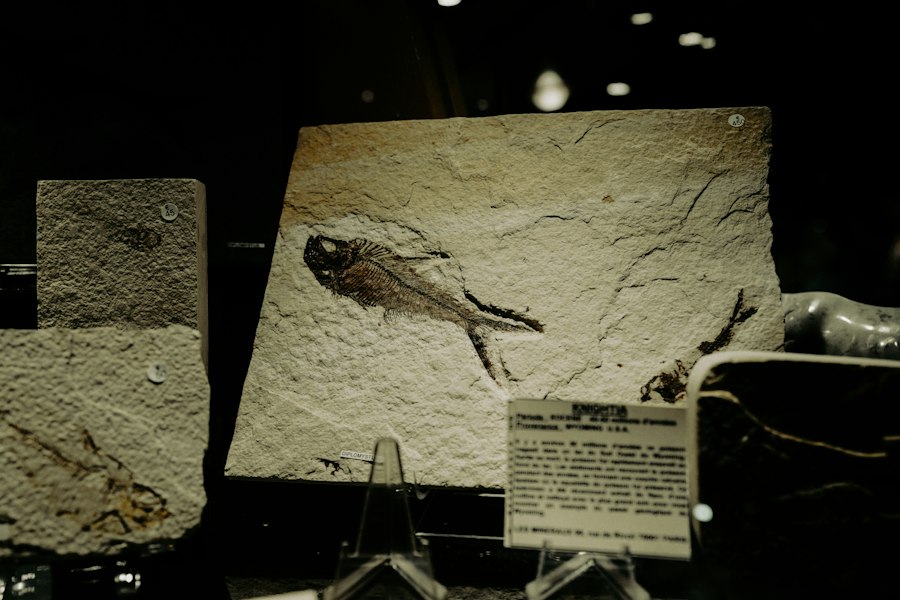
The notion of “aquaculture” typically conjures images of modern intensive fish farms. However, the ancient world likely possessed its own nascent forms of aquatic resource management that could be considered precursors to aquaculture. The deliberate introduction of fish into new bodies of water, whether to supplement existing populations or to establish new food sources, represents a fundamental step in this direction. This would have required a sophisticated understanding of suitable habitats, the reproductive biology of target species, and the potential for competition with native fauna.
Stocking the Lakes: Intentional Introductions for Food Security
The most compelling evidence for human-driven fish translocation lies in the archaeological record suggesting intentional stocking. Imagine a scenario where a once-abundant fishing ground is depleted, or a new settlement is established in an area with limited native fish populations. The logical response, for a society deeply reliant on fish, would be to supplement those stocks. This could have been achieved by capturing fish from a more abundant source and transporting them to the new location. The challenges of such an endeavor in the absence of modern preservation techniques are significant, implying a profound understanding of how to keep fish alive during transport, perhaps using perforated containers or specialized carrying vessels. The discovery of non-native fish species in prehistoric archaeological sites, particularly in inland lakes and rivers far from their natural ranges, strongly supports this hypothesis. Such introductions would not have been random; they would have been driven by specific needs, demonstrating a proactive approach to resource management and a remarkable ecological foresight. The success of such ventures would have depended on careful observation of fish behavior and habitat requirements, suggesting a deep, almost intuitive, knowledge of aquatic ecology.
Engineering Ecosystems: Modifying Waterways for Fish Passage
Beyond direct introductions, ancient peoples also actively modified their environments in ways that influenced fish populations. The construction of weirs, fish traps, and rudimentary dams, while often serving to concentrate fish for harvesting, could also have inadvertently altered fish migration routes. In some cases, these structures might have been designed to facilitate the passage of certain fish while blocking others, or to create protected nursery grounds. Over time, the cumulative effect of such modifications could have led to the redistribution of fish species. For instance, a series of small dams built over generations might have created isolated populations that eventually adapted to local conditions, or conversely, a collapse of a major weir could have released a large number of fish, both native and potentially introduced, downstream. The creation of artificial ponds or reservoirs, even if initially for irrigation or water storage, could also have served as novel habitats for fish, further contributing to their dispersal. These interventions, however primitive, demonstrate a capacity to engineer ecosystems, subtly shaping the distribution and abundance of aquatic life.
The Cultural Current: Fish in Ritual and Symbolism
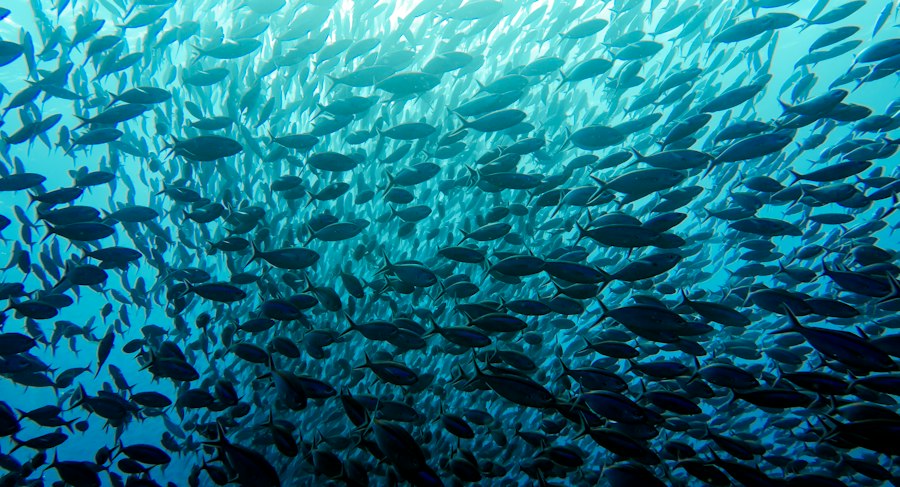
The influence of fish translocation may extend beyond mere subsistence and resource management. Fish, as vital elements of many ancient cultures, likely played significant roles in rituals, mythology, and symbolic practices, potentially influencing their deliberate movement.
Sacred Species: Fish in Religious and Spiritual Practices
Many ancient societies held certain animals in high regard, imbuing them with spiritual significance. Fish, given their life-sustaining properties and mysterious existence beneath the water’s surface, were frequently incorporated into religious beliefs and rituals. It is plausible that specific species of fish, revered for their perceived qualities or symbolic associations, might have been intentionally introduced to new areas as part of religious ceremonies or to establish populations in sacred lakes or rivers. Such introductions would not have been driven by utilitarian concerns but by a desire to connect with the divine or to imbue a location with spiritual power. The movement of sacred relics often involved the transport of associated flora and fauna; it is not inconceivable that the movement of culturally significant fish species followed a similar pattern. Evidence for this might be found in the geographical distribution of certain fish species correlating with the locations of ancient religious sites, or in iconography that depicts the deliberate transfer of fish. This aspect of fish translocation highlights the complex interplay between human beliefs, cultural practices, and ecological intervention.
Mythic Migrations: Legends and the Dispersal of Aquatic Life
The stories and legends passed down through generations often reflect the intimate knowledge and experiences of ancient peoples with their environment. It is possible that tales of fish migrating to new lands or being introduced by divine intervention could be allegorical representations of actual human-driven translocations. These myths, while not literal historical accounts, could preserve echoes of early human interactions with aquatic ecosystems. For example, a story about a mythical hero who brought a special fish to a barren lake might, in reality, be a simplified narrative of a successful human attempt to establish a new fish population. Understanding these cultural narratives alongside archaeological evidence can provide a richer, more nuanced picture of how ancient humans perceived and interacted with the aquatic world, and how their cultural frameworks might have spurred or legitimized the translocation of fish.
Unearthing the Evidence: Methodologies and Challenges
Investigating ancient human fish translocation is a complex undertaking, requiring interdisciplinary approaches and careful interpretation of often-fragmentary evidence. The absence of direct textual accounts from pre-literate societies means that researchers must rely on indirect indicators and sophisticated analytical techniques.
Genetic Footprints: Tracing Ancestry and Migration Patterns
The advent of ancient DNA (aDNA) analysis has revolutionized our ability to trace migration patterns, both human and animal. By extracting DNA from fossilized fish remains found in archaeological contexts, researchers can compare these genetic profiles to modern populations and to fish from different geographical regions. Significant genetic divergences between ancient and modern populations of the same species, or the presence of a species in a location where it is not naturally found, can be strong indicators of human-mediated translocation. This technique allows scientists to pinpoint the origins of introduced fish and to estimate the timing of their arrival. Furthermore, aDNA analysis can reveal the genetic diversity within a translocated population, offering insights into the number of individuals initially moved and the potential impacts on the genetic health of both the introduced and native populations. The challenges lie in the degradation of ancient DNA and the potential for contamination, requiring stringent laboratory protocols and careful interpretation.
Isotopic Signatures: Diet and Provenance of Ancient Fish
Stable isotope analysis, particularly of oxygen, carbon, and strontium isotopes, provides another powerful tool for reconstructing the provenance and diet of ancient fish. Different geographical regions possess unique isotopic signatures in their water bodies due to variations in geology, climate, and water sources. By analyzing the isotopic ratios in the fossilized skeletal remains of fish, scientists can determine the isotopic signature of the water in which the fish lived. If the isotopic signature of an ancient fish sample does not match the local geology of the archaeological site where it was found, it strongly suggests that the fish originated from a different environment and was likely transported there by humans. This method can help differentiate between locally caught fish and those that were translocated, offering crucial corroborating evidence for human intervention. Isotope analysis can also reveal dietary habits, providing further clues about the ecological niche occupied by the translocated fish and their integration into the local food web.
Archaeological Artefacts: Tools and Structures as Clues
The tangible remains of human activity offer direct evidence of how ancient peoples interacted with aquatic environments. The discovery of specialized fishing gear, such as nets with mesh sizes designed for specific species, or hooks crafted from bone or metal, can indicate a sophisticated understanding of fish populations. More importantly, the identification of ancient structures within or adjacent to waterways, such as weirs, dams, fish traps, or even artificial ponds, provides compelling evidence of human modification of aquatic habitats. The presence of non-native fish species in archaeological deposits, coupled with the proximity of such sites to evidence of aquatic engineering, forms a powerful case for intentional translocation. The study of the spatial distribution of these features and the types of fish remains associated with them can help reconstruct the methods and objectives of ancient peoples in managing and moving aquatic resources. For example, a series of weirs leading to a specially constructed pond might indicate a deliberate strategy to concentrate and hold fish for later consumption or for introduction into new waters.
Recent studies have shed light on the fascinating practice of ancient human fish translocation, revealing how early communities adapted to environmental changes by relocating fish species to new habitats. This intriguing aspect of human history not only highlights our ancestors’ resourcefulness but also raises important questions about sustainability and ecological balance. For a deeper understanding of how current climate challenges echo these ancient practices, you can explore a related article that discusses the urgent need for action in the face of environmental crises. Check it out here.
The Legacy of Aquatic Migration: Shaping Modern Ecosystems
| Metric | Description | Value/Estimate | Source/Period |
|---|---|---|---|
| Species Involved | Types of fish translocated by ancient humans | Salmon, Trout, Carp, Catfish | Various prehistoric to historic periods |
| Timeframe | Estimated period of earliest fish translocation | ~10,000 years ago | Late Paleolithic to early Neolithic |
| Distance of Translocation | Typical distances fish were moved by humans | Up to 100 km | Neolithic archaeological sites |
| Purpose | Reasons for fish translocation | Food resource management, aquaculture development | Prehistoric human settlements |
| Methods Used | Techniques for moving fish | Live transport in containers, seasonal migration facilitation | Ethnographic and archaeological records |
| Impact on Biodiversity | Effect of translocation on local ecosystems | Introduction of non-native species, genetic mixing | Ecological studies of ancient habitats |
The impact of ancient human fish translocation, though often invisible to the casual observer, continues to shape modern aquatic ecosystems. Understanding this historical process is not merely an academic exercise; it provides valuable insights into ecological dynamics and informs contemporary conservation efforts.
Echoes in Biodiversity: Past Introductions and Present-Day Fauna
The historical introduction of fish by ancient humans has undoubtedly contributed to the current patterns of biodiversity in many aquatic systems. Species that were once confined to specific river basins or lakes may now be found in entirely new regions due to centuries of human-mediated dispersal. This can have profound implications for ecological communities, leading to increased competition for resources, altered predator-prey dynamics, and even the displacement of native species. Recognizing the historical roots of these introductions is crucial for distinguishing between natural range expansions and human-induced changes. This historical perspective can help conservationists understand the resilience and vulnerabilities of different aquatic ecosystems and develop more effective strategies for managing invasive species and preserving native biodiversity. The long-term consequences of ancient human actions serve as a powerful reminder of the enduring impact of human activity on the natural world.
Lessons for Conservation: Informed Management of Aquatic Resources
The study of ancient human fish translocation offers valuable lessons for modern conservation practices. By understanding how early human societies interacted with and managed aquatic resources, we can gain insights into sustainable practices and the potential consequences of ecological intervention. For instance, understanding the factors that contributed to the success or failure of ancient introductions can inform decisions about reintroducing native species or managing introduced ones. It highlights the importance of considering the long-term ecological impacts of any manipulation of aquatic environments. Furthermore, the resilience of certain fish populations to ancient translocations, even in the face of limited technology, can offer clues about species adaptability and the potential for successful ecological restoration. Ultimately, by learning from the past, we can approach the challenges of contemporary aquatic resource management with greater knowledge and foresight. The story of ancient human fish translocation is a testament to the deep and complex relationship between humans and the aquatic world, a relationship that continues to unfold and impact our planet.

The 7,000-Year-Old Secret Hidden Under a Lake
FAQs
What is ancient human fish translocation?
Ancient human fish translocation refers to the practice of moving fish from one body of water to another by early human populations for various reasons.
Why did ancient humans engage in fish translocation?
Ancient humans translocated fish for reasons such as establishing new fisheries, increasing food resources, religious or ceremonial purposes, and as a form of trade.
Where have evidence of ancient human fish translocation been found?
Evidence of ancient human fish translocation has been found in archaeological sites around the world, including in Europe, Asia, Africa, and the Americas.
What methods did ancient humans use for fish translocation?
Ancient humans used various methods for fish translocation, such as carrying live fish in containers or baskets, transferring fish eggs or larvae, and physically transporting fish to new locations.
What impact did ancient human fish translocation have on ecosystems?
Ancient human fish translocation could have both positive and negative impacts on ecosystems, such as introducing new species, altering food webs, and affecting local biodiversity and habitats.