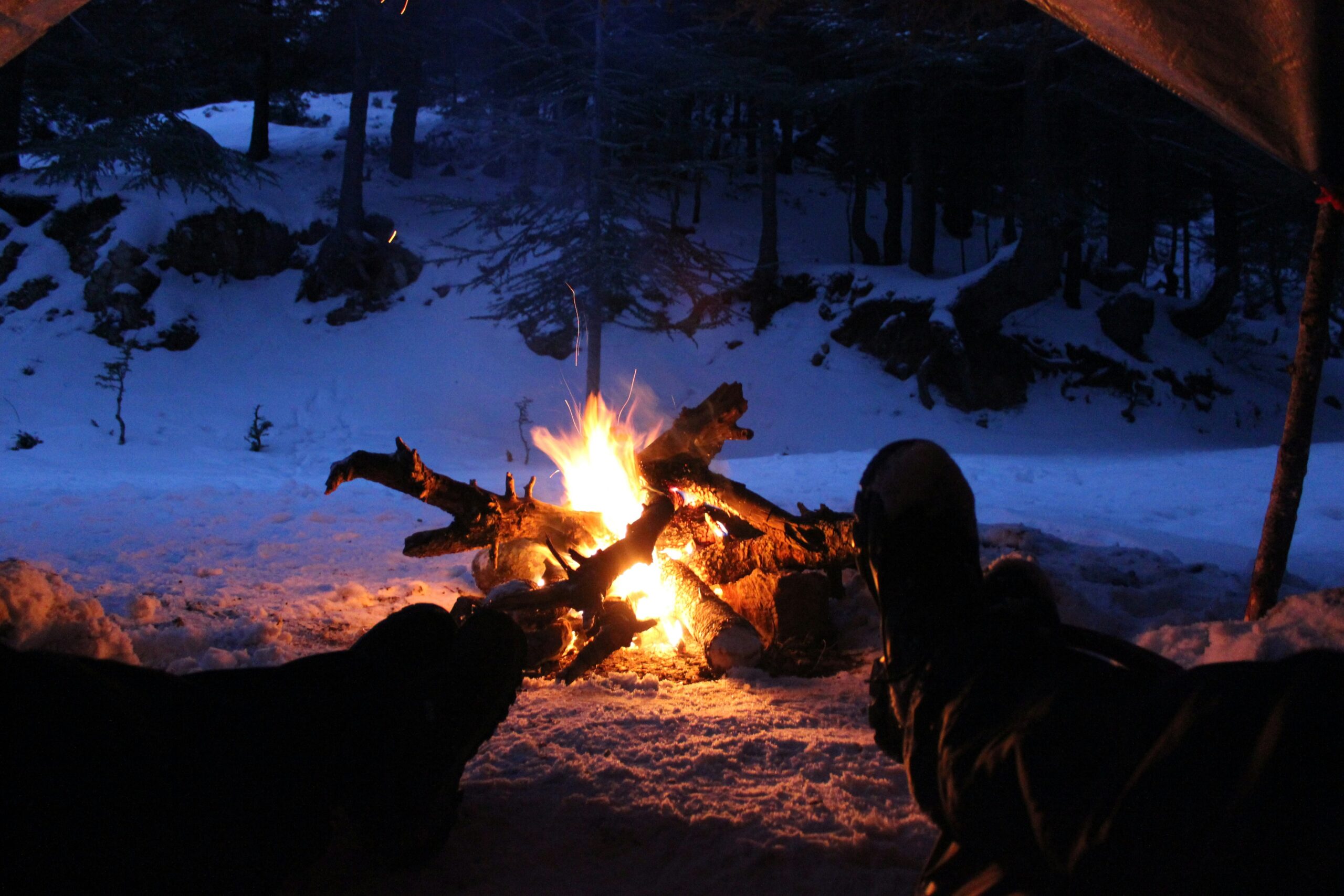
The biting wind, a primal force that stripped the world bare, signaled the relentless advance of winter for our ancient ancestors. Survival, an unceasing imperative, demanded a profound understanding of their environment and an extraordinary capacity for adaptation. These early humans, far from being passive victims of the elements, possessed a remarkable resourcefulness, a tapestry woven from ingenuity, observation, and skill, which allowed them to not only endure but often thrive through the harshest seasons. Their strategies for surviving winter offer a compelling glimpse into the foundational achievements of humanity.
Mastering the Cold: Shelter and Fire as Pillars of Survival
The immediate threat of winter was the profound drop in temperature. Without sophisticated heating systems or readily available insulation, early humans relied on a combination of strategic shelter and the transformative power of fire to ward off hypothermia. Their understanding of natural shelters and their ability to augment them demonstrate an acute spatial awareness and practical engineering prowess.
Leveraging Natural Defenses: Caves and Rock Overhangs
Caves and rock overhangs were invaluable natural resources. They provided a ready-made barrier against wind and precipitation, offering a degree of thermal stability that open-air camps could not match. Early humans would meticulously choose these locations, often prioritizing those with good drainage and proximity to water sources, which could freeze in colder months. They understood the microclimates within these formations, selecting spots that received maximum sunlight during the day, allowing stored heat to radiate slowly throughout the night. The selection was not random; it was a calculated decision based on years of accumulated knowledge about the local topography and its seasonal behavior. Evidence of prolonged occupation, such as layers of ash, discarded tools, and even fossilized human remains, attests to the vital role these natural shelters played in winter survival.
Constructing Artificial Sanctuaries: Huts and Dwellings
When natural shelters were unavailable or insufficient, our ancestors possessed the skill to construct their own. The earliest forms of artificial dwellings were likely simple, evolving from basic windbreaks to more complex structures. These might have included huts made from branches, animal hides, and mud, often plastered to create a more airtight seal. The construction techniques varied based on available materials and local climatic conditions. In regions with abundant timber, they would erect sturdy frameworks, weaving branches and reeds between them. In other areas, they might have utilized mammoth bones and hides, creating semi-subterranean dwellings that offered excellent insulation. The design often incorporated features to manage internal temperature, such as a central hearth for warmth and cooking, and a carefully engineered ventilation system to prevent smoke inhalation while still allowing some air circulation. The sheer effort and planning involved in building and maintaining these shelters during the harsh winter months underscores a deep commitment to collective survival and a sophisticated understanding of thermal dynamics.
The Indispensable Gift of Fire: Warmth, Light, and Protection
Fire was more than just a source of warmth; it was the lynchpin of winter survival. Its ability to transform raw materials, provide light in the long nights, and deter predators made it an essential tool. Mastering fire-making techniques, whether through friction methods like bow drills or hand drills, or by striking sparks from flint and pyrite, was a monumental achievement. Once established, keeping a fire alive required constant vigilance and resource management. They would gather ample fuel, carefully storing it to prevent it from becoming damp. The placement of the hearth within a dwelling was critical, designed to maximize heat distribution without causing structural damage. Beyond immediate warmth, fire facilitated the preservation of food through smoking and allowed for the preparation of a wider range of sustenance, making tough meats and roots more palatable and digestible. The psychological comfort of fire, a beacon against the oppressive darkness and cold, cannot be overstated, fostering a sense of security and community.
Ancient human resourcefulness during winter is a fascinating topic that highlights how early civilizations adapted to harsh conditions for survival. For instance, the article titled “The Silent Plague: Ancient Microbial Bloom” explores how ancient societies dealt with environmental challenges, including the impact of seasonal changes on health and resources. You can read more about this intriguing aspect of human history by visiting the article here: The Silent Plague: Ancient Microbial Bloom.
Sustenance in a Barren Landscape: Strategies for Securing Food

Winter presented a formidable challenge to the food supply. The abundance of summer fruits, berries, and easily accessible game diminished significantly, forcing our ancestors to employ innovative strategies to fill their larders. Their hunting techniques, food preservation methods, and opportunistic foraging demonstrate an intimate knowledge of animal behavior and plant cycles, even in their dormant states.
The Art of the Hunt: Adapting Strategies for Scarce Game
Hunting remained a primary source of protein, but winter necessitated a shift in tactics. Large migratory herds, a staple during warmer months, might have dispersed or moved to more sheltered areas. This required hunters to become more specialized, tracking individual animals or smaller groups. They developed sophisticated trapping techniques, utilizing the landscape to their advantage. Pit traps, snares, and deadfall traps were employed to capture game that might otherwise evade a direct chase. The creation of specialized hunting tools, such as longer and more powerful bows, and spears tipped with carefully crafted stone or bone points, reflected the need to bring down larger or more elusive prey. Knowledge of animal behavior was paramount – understanding where animals sought shelter, their feeding patterns even in winter, and their vulnerability during periods of extreme cold. This was a dangerous undertaking, demanding immense skill, patience, and courage, often performed in challenging weather conditions.
Preserving the Bounty: Techniques for Long-Term Storage
The successful hunts of warmer months, and even the leaner winter catches, needed to be preserved to sustain the group through the leanest periods. Our ancestors were masters of food preservation long before modern refrigeration. Smoking and drying were common methods for meat and fish, rendering them less susceptible to spoilage. Hides and furs, not only for warmth but also for other uses, were meticulously treated to prevent decay. They also developed methods for storing plant-based foods. Roots and tubers could be stored in cool, dry places, sometimes buried in the ground. Nuts and seeds, rich in fats and proteins, were gathered in abundance and kept in caches. Evidence suggests they understood the principles of fermentation, potentially using it to preserve certain foodstuffs and enhance their digestibility. The careful management of these preserved supplies was a critical element of survival, ensuring that the efforts of hunters and gatherers translated into sustained nourishment.
Rethinking the Larder: Edible Plants and Opportunistic Gathering
While the vibrant flora of summer vanished, the winter landscape still offered sustenance to those who knew where to look. Many plants, though dormant, provided vital nutrients. Edible roots and tubers could be dug from the frozen earth, often requiring significant effort to extract. Certain bark, such as that of the pine tree, could be processed for its inner cambium, offering carbohydrates and essential nutrients. Even some evergreen leaves, when prepared correctly, provided vitamins. Our ancestors were adept at identifying these resources, understanding which parts of plants were edible and how to prepare them to minimize toxins. They also practiced opportunistic gathering, scavenging for carrion when available, a risky but sometimes necessary endeavor. Their deep ecological knowledge allowed them to exploit every possible food source, demonstrating a remarkable ability to adapt their diets to the seasonal constraints.
Beyond the Basics: Tools and Technologies for Winter Resilience

The ingenuity of ancient humans extended beyond immediate needs for shelter and food. They developed specialized tools and technologies that significantly enhanced their ability to cope with winter’s challenges, demonstrating a forward-thinking approach to problem-solving and a capacity for innovation.
Crafting Clothing for Extreme Conditions: Hides and Furs
Protection from the cold was paramount, and the creation of effective clothing was a testament to their understanding of materials and their properties. Animal hides and furs were the primary insulation materials. The process of preparing hides was complex, involving scraping, stretching, and softening to make them pliable and durable. They learned to utilize different parts of the animal for different purposes, with thicker furs providing superior warmth. The tailoring of these materials into garments required significant skill. They would cut and stitch pieces together using bone needles and sinew, creating cloaks, leggings, and coverings for their feet. The design of these garments was functional, often incorporating hoods and wrappings to protect the face and extremities from the wind and snow. The effectiveness of their clothing was a direct reflection of their mastery over the available resources and their ability to transform raw materials into life-saving insulation.
Innovations in Tools: Adapting Implements for Seasonal Demands
The tools that served well in summer often needed to be adapted or augmented for winter use. For example, hunting tools were refined for greater power and precision. Ice chisels and axes, fashioned from stone or bone, would have been crucial for accessing water sources that had frozen over, or for breaking through ice to hunt aquatic prey. Snowshoes, likely developed independently in various regions, were a remarkable innovation that allowed for efficient travel over deep snow, preventing individuals from sinking and conserving precious energy. The creation of scraping tools and awls made from bone, flint, and other hard materials facilitated the intricate work of preparing hides and crafting clothing and other essential items. The development of specialized tools for tasks like digging through frozen ground or processing ice demonstrates a sophisticated understanding of the physical challenges imposed by winter and a proactive approach to overcoming them.
The Art of the Hearth: Enhancing Fireplace Efficiency
While the fire itself was essential, ancient humans also devised ways to maximize its effectiveness within their dwellings. The construction of more sophisticated hearths, often lined with stones to retain and radiate heat, was a significant improvement. They might have learned to create chimneys or rudimentary ventilation shafts to direct smoke away from living spaces, improving air quality and safety. The careful placement of these hearths within the dwelling, often in central locations, ensured that the warmth permeated the living area effectively. The understanding of how different materials like stone and clay conducted and retained heat was a form of early thermal engineering, contributing directly to the overall comfort and survival of the group.
The Social Fabric: Cooperation and Knowledge Transmission
Survival through winter was rarely an individual endeavor. The harshness of the season fostered a strong sense of community and interdependence. Cooperation was not merely beneficial; it was a fundamental requirement for the successful implementation of survival strategies, and the transmission of this knowledge across generations ensured the continuation of these vital practices.
Collective Endeavor: The Power of Shared Labor
Many winter survival tasks demanded more than one person. Hunting large game often required coordinated efforts to stalk, corner, and bring down prey. Constructing and maintaining shelters was a significant undertaking that benefited from multiple hands. Gathering and processing fuel for fires, especially in deep snow, was more efficient as a group. The sharing of food resources was also crucial; a successful hunt by one individual or group could sustain others, and vice versa. This collective labor extended to the care of the young and the elderly, ensuring that the most vulnerable members of the group were protected. The inherent social nature of early humans, amplified by the pressures of winter, forged strong bonds and a reliance on one another that was essential for the species’ persistence.
The Wisdom of the Elders: Passing Down Essential Skills
The accumulated knowledge of elders was an invaluable resource during winter. They possessed the deep understanding of animal behavior, plant properties, weather patterns, and successful survival techniques that had been honed over a lifetime. This knowledge was passed down through oral traditions, storytelling, and direct mentorship. Younger generations learned by observing, imitating, and practicing under the guidance of their elders. This transmission of practical skills was crucial, as each winter presented unique challenges that might not have been encountered in previous years. The elders served as living libraries of survival wisdom, ensuring that the community had the best possible chance of weathering the cold and returning to the abundance of spring.
Ritual and Belief: Psychological Fortitude in the Face of Adversity
While not directly practical in a tangible sense, the social and psychological aspects of winter survival cannot be overlooked. Shared rituals, ceremonies, and beliefs likely played a role in maintaining morale and fostering a sense of hope during the long, dark months. These activities could reinforce social bonds, provide a framework for understanding the natural world, and offer a sense of control and agency in the face of overwhelming environmental forces. The shared experience of enduring hardship together, coupled with the anticipation of spring’s return, would have been a powerful motivator and a crucial element in the psychological resilience of ancient human communities.
Ancient human resourcefulness during winter is a fascinating topic that highlights how early civilizations adapted to harsh conditions. For instance, the construction techniques used in monumental sites reveal a deep understanding of engineering and materials, which were crucial for survival in challenging climates. A related article discusses the impressive methods employed in the creation of massive structures, shedding light on the ingenuity of our ancestors. You can explore this further in the article about Baalbek’s massive stones, which showcases how ancient people overcame obstacles to thrive in their environments.
The Legacy of Winter Survival: Foundations of Human Civilization
| Metric | Description | Example | Impact on Survival |
|---|---|---|---|
| Clothing Innovation | Use of animal hides and furs to create insulated garments | Woolly mammoth fur cloaks | Improved body heat retention, reducing hypothermia risk |
| Shelter Construction | Building insulated shelters using natural materials | Snow caves, igloos, and wood-frame huts covered with hides | Protection from wind and cold, enabling longer winter habitation |
| Fire Management | Mastery of fire for warmth and cooking | Controlled hearths and fire pits inside shelters | Maintained warmth and cooked food, improving nutrition and morale |
| Food Storage | Preservation techniques to store food through winter | Drying, smoking, and freezing meat and fish | Ensured steady food supply during scarce winter months |
| Tool Adaptation | Development of specialized hunting tools for winter conditions | Bone and antler harpoons for ice fishing | Increased hunting efficiency despite harsh environment |
The resourcefulness displayed by our ancient ancestors in their struggle against winter laid the groundwork for much of what we consider the foundations of human civilization. Their innovations, their understanding of the natural world, and their capacity for cooperation were not merely survival tactics; they were the crucible in which human culture and technological advancement were forged.
Early Innovations: From Fire to Housing
The mastery of fire was a transformative event in human history, impacting everything from diet and safety to social organization and technological development. The construction of shelters, from simple windbreaks to more complex dwellings, represented early forms of architecture and engineering. These fundamental innovations allowed humans to expand into new territories and survive in climates that would have been previously uninhabitable. The need to address the challenges of winter spurred creativity and problem-solving that had far-reaching consequences for the trajectory of human development.
The Seeds of Agriculture and Social Structure
The careful management of resources, the preservation of food, and the planning required for winter survival hinted at the concepts that would later underpin agriculture. The need for communal effort and the organization of labor for hunting, gathering, and shelter construction laid the groundwork for more complex social structures and the development of leadership roles. The emphasis on shared knowledge and the transmission of skills fostered the development of culture and tradition, essential components of any enduring society.
A Testament to Adaptability: The Enduring Human Spirit
Ultimately, the story of ancient human survival through winter is a powerful testament to the adaptability and resilience of the human spirit. Faced with extreme challenges, our ancestors did not succumb; they innovated, collaborated, and persevered. Their ingenuity in harnessing natural resources, developing new technologies, and fostering strong social bonds enabled them to not only endure but to flourish. This enduring capacity for resourcefulness, honed in the face of winter’s fury, continues to be a defining characteristic of humanity, driving our progress and shaping our future.

Life 20,000 Years Ago: The Ultimate Ice Age Fight to Survive
FAQs
How did ancient humans stay warm during winter?
Ancient humans used various methods to stay warm during winter, such as building insulated shelters, wearing layers of animal skins, and using fire for heating.
What did ancient humans eat during the winter months?
Ancient humans relied on preserved food sources such as dried fruits, nuts, smoked meats, and fermented foods to sustain themselves during the winter months when fresh produce was scarce.
How did ancient humans navigate through snowy terrain?
Ancient humans used snowshoes, sleds, and skis to navigate through snowy terrain during winter. These tools helped them travel more efficiently and cover longer distances.
Did ancient humans have specific rituals or traditions during the winter season?
Ancient humans often had rituals and traditions during the winter season to celebrate the winter solstice, honor their ancestors, and ensure a successful transition into the new year. These rituals varied among different cultures and regions.
How did ancient humans adapt their daily routines during the winter months?
Ancient humans adjusted their daily routines during the winter months by conserving energy, spending more time indoors, and focusing on activities such as crafting, storytelling, and socializing within their communities.