The biting wind whipped across the rugged mountain ridges, a relentless force that tested the limits of even the hardiest of creatures. For ancient humans, these formidable landscapes presented a unique set of challenges, particularly during the unforgiving grip of winter. For millennia, these early inhabitants navigated the harsh realities of alpine environments, developing ingenious strategies to survive the freezing temperatures, scarce resources, and treacherous terrain. Recent archaeological discoveries, pieced together through meticulous excavation and advanced analysis, are now shedding remarkable light on the sophisticated survival techniques employed by our ancestors on these elevated strongholds.
Echoes from the Peaks: Unearthing Ancient Alpine Life
The discovery of a series of well-preserved archaeological sites nestled along high-altitude mountain ridges has provided an unprecedented window into the lives of ancient human populations who called these elevations home during the colder months. These sites, often located in naturally sheltered areas such as caves, rock overhangs, and protected alcoves, have yielded a wealth of artifacts that speak volumes about their resourcefulness and resilience. The careful selection of these locations underscores an acute understanding of the prevailing environmental conditions, prioritizing protection from the elements and access to vital resources.
The Geological Canvas: Understanding the Landscape’s Influence
The very topography of the mountain ridges played a crucial role in shaping human survival strategies. Ancient peoples understood the nuances of the landscape, recognizing areas that offered natural protection from the wind and snow. For instance, south-facing slopes, which received more sunlight, were likely favored for their slightly warmer microclimates and potential for plant growth, however limited. Caves and rock shelters provided immediate shelter from blizzards and extreme cold, acting as natural fortresses against the winter’s fury. The presence of water sources, such as glacial melt or perennial springs, also dictated settlement patterns. Proximity to these essential resources was paramount, especially when water bodies could freeze over. Archaeologists have noted the frequent association of ancient human sites with areas that would have retained snowmelt for longer periods, ensuring a consistent water supply. The geological formations themselves, like prominent rock outcrops, may have also served as navigational aids or strategic vantage points for observing game or potential threats.
Signs in the Stone: The Evidence of Habitation
The artifacts unearthed from these high-altitude sites are testament to a life lived in close harmony with the demanding mountain environment. Tools fashioned from stone, bone, and antler reveal sophisticated craftsmanship and a deep understanding of available materials. Projectile points, meticulously shaped for hunting, speak to the pursuit of game animals that were adapted to alpine conditions, such as mountain goats and ibex. Scrapers and awls, often made from animal bone, suggest the processing of hides for clothing and shelter construction, crucial for insulation against the cold. Hearths, indicated by concentrations of ash and charcoal, are perhaps the most direct evidence of human presence and activity. The careful management of fire was central to survival, providing warmth, light, and the ability to cook food. The analysis of hearth contents can even reveal dietary patterns, offering insights into the types of plants and animals that sustained these populations. The presence of grinding stones and pestles hints at the processing of tough plant materials, possibly roots or seeds, that would have been available even in winter.
Ancient human survival strategies in winter ridges have long fascinated researchers, particularly in how early communities adapted to harsh climates. A related article that delves into the historical context of these survival techniques is available at Uncovering Glacial History with the Piri Reis Map. This piece explores the geographical knowledge of ancient civilizations and how their understanding of glacial landscapes influenced their survival tactics during extreme winter conditions.
Forging Resilience: Shelter and Fire as Lifelines
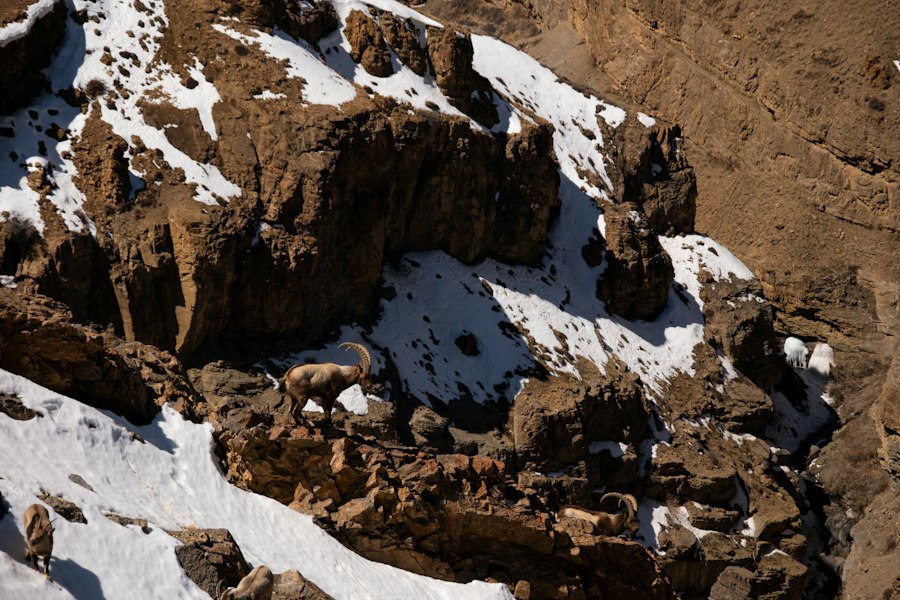
The most immediate threats posed by winter in mountainous regions are the extreme cold and the lack of readily available resources. Ancient humans addressed these challenges through a combination of structural ingenuity and the mastery of fire. Their settlements, though often ephemeral, were strategically designed to maximize protection and warmth.
Architectural Adaptations: Homes on the High Ground
The archaeological record indicates that ancient humans on mountain ridges did not simply rely on natural shelters; they actively modified and enhanced them. In caves and rock overhangs, evidence of constructed walls, often made from stacked stones or interwoven branches, has been found. These barriers served to further block out wind and snow, creating a more enclosed and protected living space. In more exposed locations, they likely constructed more temporary shelters, possibly using animal hides stretched over frameworks of branches or bone. The analysis of postholes and the arrangement of stones at some sites suggests the presence of semi-permanent structures, indicating a seasonal occupation rather than just fleeting visits. The use of natural materials readily available in the alpine environment was key. For example, tough, wind-resistant grasses and hardy shrubs could have been used for insulation and roofing. The orientation of these structures, where discernible, often points towards an understanding of solar gain, positioning entrances or main living areas to capture the most sunlight during the short winter days.
The Unseen Healer: The Power of Controlled Flames
Fire was not merely a source of comfort; it was an indispensable tool for survival. The ability to generate and maintain fire in harsh, windy conditions speaks to a sophisticated understanding of ignition materials and fuel management. Hearths discovered at these sites often exhibit careful construction, with stones arranged to contain the fire and reflect heat. The presence of specialized tools, such as fire drills or bow drills, may have been used to generate friction and ignite tinder. The fuel sources would have been carefully selected, prioritizing dry wood, bark, and possibly even animal dung, which burns with a steady heat. The smoke generated by these fires, while providing warmth, also likely played a role in deterring insects and potentially even signaling. The act of cooking food over open flames was not only essential for making certain plants edible and rendering meat digestible but also for preserving food through smoking. The careful study of ash and charcoal layers can reveal the types of wood used, offering clues about the local vegetation available to these ancient peoples.
Nourishing the Body: Sustenance in a Sparse Season
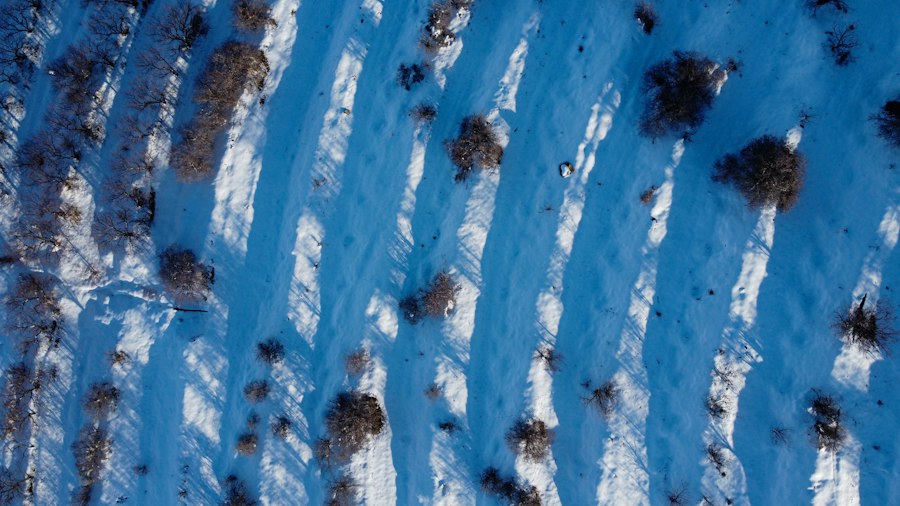
Winter presented a stark challenge to obtaining sustenance. The availability of edible plants dwindled, and game animals either migrated to lower altitudes or became more elusive. Ancient humans on mountain ridges developed a multifaceted approach to ensure their nutritional needs were met.
Hunting the Elusive: Strategies for Alpine Game
The primary source of protein and fat for these mountain dwellers was undoubtedly game. Their hunting strategies would have been highly adapted to the terrain and the behavior of alpine fauna. Projectile points, found in abundance, were likely used with bows, allowing for greater range and accuracy. The selection of prey animals is telling. Mountain goats and ibex, with their ability to navigate steep cliffs, would have been a primary target. These animals possess thick hides and layers of fat, providing valuable insulation for the humans who hunted them. Herding behaviors of these animals may have been exploited, driving them towards cliffs or natural traps. The presence of tools for butchering and processing carcasses, such as sharp stone flakes and bone knives, indicates that the entire animal was utilized, from meat and fat to hide and bone. The pursuit of smaller game, such as marmots or birds, may also have supplemented their diet, especially during periods when larger prey was scarce.
The Hidden Harvest: Utilizing Winter Flora
While plant life is significantly reduced in winter at high altitudes, it was not entirely absent. Ancient humans likely possessed a deep knowledge of the edible roots, tubers, and hardy greens that could be found. These would have required careful digging and processing. Archaeological evidence, such as grinding stones, suggests the preparation of tough plant materials. Some plants might have been stored from the warmer months, carefully preserved for later use. The ability to identify and utilize these resources would have been critical for supplementing their diet and providing essential vitamins and minerals that might be lacking from a purely meat-based diet. The knowledge of where to find these resources, often in sheltered valleys or beneath the snowpack, would have been passed down through generations. The presence of caches of dried berries or seeds at some sites further supports the idea of food storage and resource management.
Tools of Survival: Craftsmanship for the Cold
The challenges of the mountain winter necessitated the creation of specialized tools. These implements were not merely functional; they represented a sophisticated understanding of materials science and engineering, tailored to the specific demands of their environment.
From Stone to Implement: The Art of Lithic Technology
Stone tools were the bedrock of ancient human technology, and their development on mountain ridges was no exception. The selection of stone types was crucial. Hard, durable stones like flint or chert were ideal for creating sharp edges for cutting and scraping. Obsidian, where available, would have been prized for its ability to produce exceptionally sharp flakes. The techniques employed for knapping stone, from percussion flaking to pressure flaking, allowed for the precise shaping of tools for specific purposes. Projectile points, as mentioned, were vital for hunting, but other lithic tools included scrapers for preparing hides, awls for piercing materials, and knives for butchering. The wear patterns on these tools, examined under magnification, can reveal their specific uses, providing invaluable insights into the daily activities of these ancient peoples. The discovery of debitage, the waste material produced during stone tool production, at these sites indicates that tool manufacturing was occurring on-site, demonstrating self-sufficiency.
Beyond Stone: Bone, Antler, and Hide Technologies
The utilization of animal byproducts was as essential as stone in the ancient mountain survival toolkit. Bone and antler were remarkably versatile materials. They could be fashioned into strong needles for sewing, awls for piercing hides, harpoons for fishing (if nearby water sources allowed), and even containers or decorative items. The strength and durability of these materials made them ideal for tools that required resilience. Hide itself was a critical resource, transformed into clothing, shelter components, and bags for carrying provisions. The process of tanning and preparing hides would have involved scraping with stone tools and potentially the use of natural tannins from plants. The construction of these materials into usable forms, such as stitching together pieces of hide to create a warm parka or a sturdy tent, demonstrates a high level of textile and fabrication skill. The presence of bone spatulas and smoothers suggests the careful preparation of hides to make them pliable and waterproof.
Ancient human survival strategies in winter ridges have long fascinated researchers, particularly in understanding how early communities adapted to harsh climates. These strategies often involved innovative techniques for shelter, food preservation, and resource management. For a deeper exploration of how modern consumer behavior can reflect historical survival tactics, you might find this article on the rise of the Mexican consumer insightful. It highlights the adaptive strategies of contemporary societies, drawing parallels to those ancient practices. To read more, visit this article.
Social Dynamics and Knowledge Transmission
| Survival Strategy | Description | Effectiveness | Example Region | Materials Used |
|---|---|---|---|---|
| Layered Clothing | Wearing multiple layers of animal skins and furs to retain body heat. | High | European Mountain Ridges | Animal hides, sinew, fur |
| Fire Use | Building and maintaining fires for warmth and cooking. | High | Altai Mountains | Wood, dry grasses, stones |
| Snow Shelters | Constructing shelters from snow and ice to insulate against cold winds. | Medium | Arctic Ridge Areas | Snow blocks, ice, animal skins |
| Hunting and Food Storage | Hunting large game and preserving meat for winter months. | High | Rocky Mountain Ridges | Stone tools, animal traps, drying racks |
| Group Cooperation | Sharing resources and communal living to increase survival chances. | High | Himalayan Ridges | Shared food, communal shelters |
Surviving in such a challenging environment likely fostered strong social bonds and efficient methods of knowledge transmission. The successful navigation of mountain winters would have depended on cooperation, shared resources, and the passing down of vital survival information.
The Collective Advantage: Cooperation in the Wilderness
Life on the mountain ridges during winter was likely a communal endeavor. The dangers and demands of such an existence would have made individual survival exceptionally difficult. Archaeological evidence, such as the clustering of hearths within a single shelter or the sharing of tools and resources, points to cooperative living. Hunting large game, for instance, would have almost certainly required group effort. The processing of carcasses, the construction of shelters, and the gathering of scarce resources would have been more efficient when undertaken by a coordinated group. The sharing of food and warmth would have been essential for the survival of all members of the community, especially the young and the elderly. The long winter nights, spent huddled around a fire, would have provided ample opportunity for social interaction and bonding, reinforcing the sense of community.
The Legacy of Wisdom: Passing Down Essential Skills
The sophisticated survival strategies employed by these ancient mountain dwellers were not innate; they were learned and honed over generations. The transmission of knowledge, from the identification of edible plants to the most effective hunting techniques and the proper management of fire, was crucial for the continuation of their lineage. Oral traditions, storytelling, and direct mentorship would have played a vital role in imparting this vital information. The elderly, with their accumulated wisdom and experience, would have been invaluable repositories of knowledge. The archaeological record, while offering tangible evidence of their lives, also hints at this transmission of skills. The consistency in tool design across different sites and over time suggests a shared technological tradition. The very locations chosen for habitation, often passed down through familial or communal memory, reflect a deep, ingrained understanding of the landscape and its seasonal rhythms. The ability to adapt to changing environmental conditions, a hallmark of human resilience, would have been directly linked to the effective transmission of these crucial survival skills from one generation to the next. The insights gleaned from these high-altitude sites are not just glimpses into the past; they are a powerful testament to the enduring ingenuity and adaptive capacity of early humans in the face of nature’s most formidable challenges.
