
The Dawn of Apparel: Early Human Adaptations to Extreme Cold
The story of humanity is inextricably linked to its remarkable ability to adapt and thrive in diverse environments. Long before the advent of sophisticated technology, our ancient ancestors faced formidable challenges, none more pressing than the biting cold of ice ages. Survival in these harsh, glacial periods depended on a primal ingenuity, a deep understanding of the natural world, and the development of crucial tools and techniques. Among the most vital of these innovations was the creation of clothing, not as a matter of fashion or comfort, but as a fundamental necessity for life itself. These early garments, crafted from the readily available resources of fur and hide, were the first line of defense against the relentless chill, enabling our forebears to venture beyond the equator and colonize vast swathes of the planet previously considered uninhabitable. The development of this early apparel represents a pivotal moment in human evolution, a testament to our species’ capacity for problem-solving and our innate drive to overcome environmental obstacles. Without these rudimentary but effective coverings, the expansion of Homo sapiens across the globe would have been a far more arduous, if not impossible, undertaking.
Ancient humans faced numerous challenges in their quest for survival, particularly during harsh ice storms that tested their resilience and ingenuity. To combat the frigid temperatures, they crafted clothing from animal hides and furs, which provided essential insulation and protection against the elements. For a deeper understanding of how modern emergency economic powers can impact citizens during extreme weather events, you can read a related article that explores the implications of such situations at this link.
The Hunter-Gatherer’s Wardrobe: Procurement and Preparation of Raw Materials
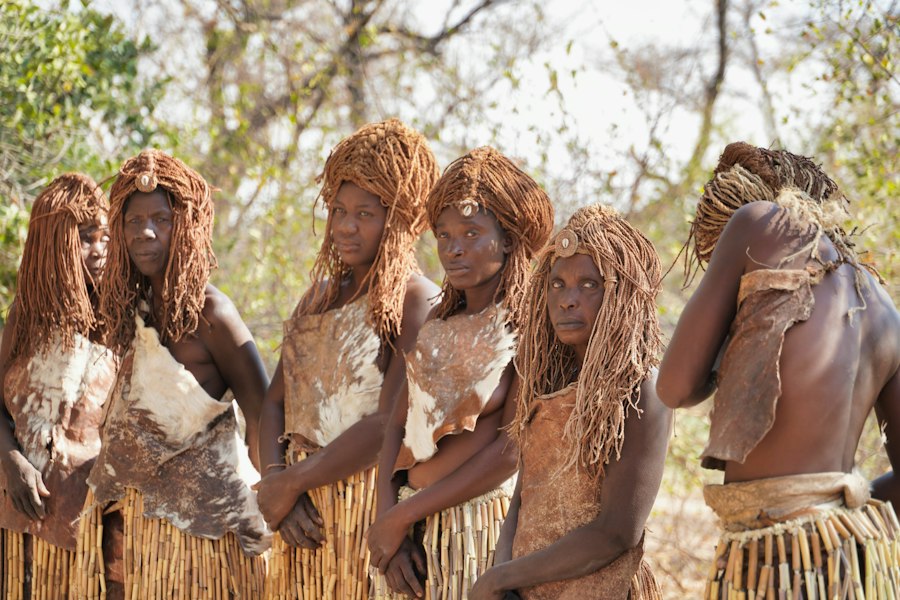
The effectiveness of ancient human clothing rested entirely on the quality and preparation of the materials used. These were not items purchased from a store; they were the direct spoils of the hunt or the result of careful observation and resourcefulness. The animals that roamed the ice-age landscapes provided not only sustenance but also the essential components for thermal protection. Mastering the procurement of these materials was a skill honed over generations, involving intricate knowledge of animal behavior, hunting strategies, and the precise moment to strike. The selection of specific animals was crucial, as different species offered varied qualities of fur and hide, suited for different purposes and climates.
Selecting the Right Pelts: A Matter of Life and Death
The choice of animal was a critical decision for early humans. Large mammals, such as mammoths, woolly rhinoceroses, and various species of deer and bison, were prime targets. Their thick, luxuriant fur provided exceptional insulation, trapping body heat effectively. Mammoth fur, in particular, was highly prized for its density and length, offering unparalleled protection against extreme cold. The undercoat of fine, downy hair, combined with longer guard hairs, created a natural barrier against wind and snow. Similarly, the hides of these animals, when properly treated, offered a durable and waterproof outer layer, shielding against moisture and abrasive conditions. Smaller animals, like rabbits, foxes, and even birds, were also utilized. While their pelts offered less bulk, they were valuable for their fine fur, ideal for lining garments and providing supple, less restrictive layers. The selection process was informed by an intimate understanding of the local fauna, their seasonal shedding patterns, and the specific advantages each species offered for different types of apparel. A hunter or gatherer who could consistently acquire the best pelts significantly increased their chances of survival and the well-being of their kin.
Skinning and Butchering: The Art of Resource Maximization
The process of obtaining usable materials began immediately after a successful hunt. Skinning an animal was a precise and often ritualistic procedure. The goal was to remove the hide with as little damage as possible, preserving its integrity for later use. Early humans likely used sharpened stone tools, such as flint scrapers and knives, to meticulously separate the hide from the underlying flesh and fat. This required considerable skill and patience, as a poorly executed skinning could render a valuable pelt unusable. The efficiency of these early tools, though rudimentary by modern standards, was remarkable, allowing for the effective dehairing and preparation of the hide.
Beyond the hide, other animal parts were also utilized. Bones were fashioned into needles, awls, and other tools essential for sewing and crafting. Sinew, the tough, fibrous connective tissue found in muscles, was a vital source of thread, strong enough to hold together seams and mend garments. Fat and marrow provided sustenance but also served as a primitive form of waterproofing and leather conditioner, helping to keep hides supple and resistant to the elements. The principle of “waste not, want not” was deeply ingrained in the survival strategies of ancient peoples, and every part of the animal was meticulously utilized, demonstrating an advanced understanding of ecological balance and resource management.
Crafting the Cold-Weather Arsenal: From Raw Hide to Wearable Garments
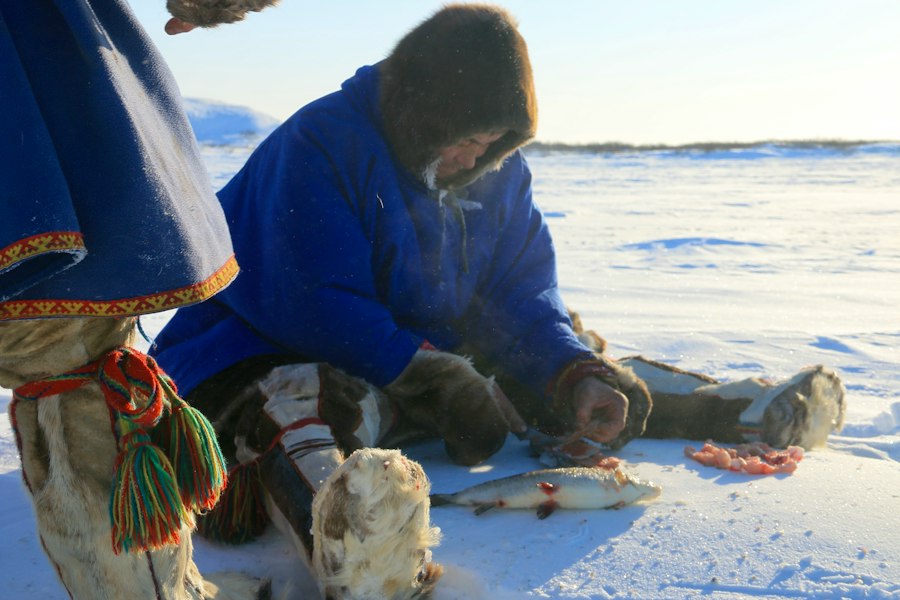
Once the raw materials were procured, the intricate process of transforming them into functional clothing began. This was not a simple matter of draping animal skins over the body. It involved a series of complex steps, requiring specialized tools and an intimate understanding of material properties. The objective was to create garments that were not only warm but also durable, flexible, and capable of withstanding the rigors of an unforgiving environment.
Preparing the Hides: The Crucial Stages of Tanning and Curing
The raw hides, fresh from the animal, were inherently stiff, prone to decay, and largely impermeable to moisture. To make them pliable, durable, and resistant to rot, a process of tanning and curing was essential. While definitive evidence of sophisticated tanning methods from the earliest periods is scarce, archaeological findings and ethnographic studies of contemporary indigenous cultures offer strong insights.
The initial step likely involved thoroughly scraping away any remaining flesh, fat, and membrane from the flesh side of the hide. This was followed by a process of softening, which could have involved repeatedly stretching and working the hide by hand or by pulling it over a rounded surface. For waterproofing and further preservation, the hides might have been treated with animal fats or oils. Rubbing fat into the hide would have helped to lubricate the fibers, making it more supple, and also created a barrier against water penetration. Smoking the hides, a technique still used by some indigenous groups today, was another crucial step. Exposing the hides to smoke, often from smoldering wood or dung, not only preserved them and made them more water-resistant but also imparted a desirable pliability and a distinct odor that might have served as camouflage or repellent to predators. Brain tanning, a method where animal brains were used to emulsify fats and oils that then bonded with the hide fibers, was likely a later development but incredibly effective in producing soft, durable, and washable leather.
The Art of the Stitch: Needlework and Garment Construction
The culmination of the material preparation process was the assembly of the actual garments. This required the development of sewing tools and techniques. The most crucial innovation was the bone needle, a finely crafted implement with a sharpened point and an eye for threading. These needles, often made from bird bones or fragments of larger animal bones, allowed for the precise joining of hide pieces.
Sinew, as mentioned earlier, served as the primary thread. It was likely pounded and separated into fine strands, then sometimes twisted to increase its strength. These sinew threads, passed through the eye of the bone needle, were used to meticulously stitch together the prepared hides. The stitches themselves were likely simple but effective, creating strong seams that could withstand significant tension. Overlapping seams, where the edges of the hide pieces were placed one over the other and then sewn, would have provided additional strength and helped to prevent drafts from entering the garment.
The design of these early garments was dictated by function. Simple tunics, leggings, and capes were common. The shapes were often derived from the natural form of the animal pelts, minimizing waste and maximizing coverage. The use of fur was strategic, with the fur often worn on the inside to provide maximum insulation directly against the skin. Outer layers might have been made from less-furred hides to offer greater protection against wind and abrasion. The layering of different types of skins and furs allowed for adaptability to varying temperature conditions, enabling individuals to add or remove garments as needed.
Beyond the Body: Protecting Extremities and Enhancing Mobility
While the torso and limbs were the primary focus of early clothing, the extremities – hands, feet, and head – represented critical vulnerable points in the fight against the cold. The loss of heat through these areas could quickly lead to frostbite and incapacitate even the most experienced hunter. Therefore, the development of specialized coverings for these body parts was as vital as the main garments themselves.
Footwear: Keeping Toes Warm and Preventing Frostbite
The development of footwear was a monumental achievement for ancient humans. Walking across frozen terrain, through snowdrifts, or over icy surfaces without protection would have been agonizingly difficult and dangerous. Early shoes were likely simple wrap-around designs made from thick hide or fur. These might have been secured with sinew ties or leather thongs. The construction would have focused on providing ample insulation and a degree of waterproofing.
Over time, more sophisticated designs emerged. Moccasins, with their soft, flexible soles and uppers stitched together, are believed to have early origins. These would have offered excellent insulation and freedom of movement. Some designs may have incorporated thick fur linings, enhancing warmth. The soles might have been reinforced with additional layers of hide to provide durability and protection against sharp objects. The ability to create footwear that allowed for efficient travel over varied and challenging terrain was crucial for hunting, gathering, and migration. The development of footwear was not just about comfort; it was about maintaining the dexterity and mobility necessary for survival.
Headwear and Hand Coverings: Essential for Sensory Input and Dexterity
The head is another area where significant heat loss occurs. Therefore, hoods, caps, and simple headbands made from fur or hide were essential. These not only provided warmth but also protected the face and ears from windburn and freezing temperatures. Some hoods may have been integrated into tunics, while others were separate pieces. The fur lining of these head coverings would have provided a soft, insulating barrier against the cold.
Gloves and mittens were also vital. For tasks requiring fine motor skills, such as flintknapping or preparing food, mittens that allowed for fingers to be kept together for warmth while still offering some dexterity were likely favored. As skills developed, more articulated gloves, potentially with separate finger stalls, might have been created. These would have been particularly useful for hunters who needed to handle weapons with precision or for artisans working with delicate materials. The ability to keep hands warm and functional was paramount for survival in cold climates, allowing for the continued pursuit of food and the creation of necessary tools and shelter.
Ancient humans faced numerous challenges in their quest for survival, particularly during harsh ice storms that tested their resilience and ingenuity. To withstand the biting cold, they crafted clothing from animal hides and furs, which provided essential insulation and protection against the elements. This adaptation not only helped them endure the frigid temperatures but also allowed them to thrive in their environments. For a deeper understanding of how ancient practices continue to influence modern survival strategies, you can explore this insightful article on the economic impact of nearshoring, which highlights how historical adaptations shape contemporary practices. Check it out here.
The Legacy of the Ice Age Wardrobe: Shaping Human History and Innovation
| Material | Description | Purpose | Example Usage |
|---|---|---|---|
| Animal Fur | Thick pelts from animals like mammoths, reindeer, and bears | Insulation and warmth against cold temperatures | Fur coats, cloaks, and boots |
| Animal Skins | Tanned hides from deer, elk, and other large mammals | Windproof outer layers and protection from moisture | Leather tunics, leggings, and gloves |
| Layering | Multiple layers of clothing made from fur and skins | Traps heat and provides better insulation | Inner fur garments with outer skin coverings |
| Bone and Sinew Fasteners | Bone needles and sinew threads used for sewing | Constructing and repairing clothing | Stitched fur and leather garments |
| Hooded Garments | Clothing with attached hoods made from fur | Protects head and neck from cold winds and ice | Fur-lined hoods and capes |
The development of clothing from fur and hide was not merely a short-term solution to immediate environmental challenges. It had profound and lasting impacts on the trajectory of human evolution, migration, and societal development. These early garments were more than just functional necessities; they were a testament to human adaptability, ingenuity, and the complex relationship between our species and the natural world.
Enabling Global Expansion: Conquering New Frontiers
The ability to create effective thermal clothing was a fundamental prerequisite for the dispersal of Homo sapiens out of Africa and across the globe. As early humans migrated into more temperate and eventually frigid regions, their survival depended entirely on their capacity to insulate themselves from the cold. The fur and hide garments they developed allowed them to exploit new territories, adapt to diverse ecosystems, and avoid the debilitating effects of hypothermia. This expansion led to the colonization of Eurasia, eventually reaching the Americas and Australia, demonstrating the crucial role of clothing in unlocking new continents and expanding the human footprint. Without this early apparel, humanity’s biological limitations would have severely restricted its geographical range, leaving vast portions of the Earth uninhabited by our species.
Driving Technological and Social Advancements
The challenges of creating and maintaining clothing from natural materials spurred significant technological and social innovation. The need for sharper tools for skinning and preparing hides, for needles and thread for sewing, and for knowledge of animal behavior and seasonal changes all contributed to the development of more sophisticated toolkits and a deeper understanding of the environment. Furthermore, the communal effort involved in hunting, processing hides, and crafting garments likely fostered stronger social bonds and cooperation within early human groups. The sharing of skills, the division of labor, and the collective responsibility for survival all contributed to the development of complex social structures. The creation of clothing, therefore, became an integral part of the cultural fabric, shaping not only individual survival but also the evolution of human societies. The skills associated with clothing production were passed down through generations, becoming a vital component of cultural heritage and identity. The “wardrobe” of the ice age was thus a cornerstone of human success, a silent but powerful force that propelled our species towards dominance on a global scale.

➡️Life 20,000 Years Ago | When Strangers Claim Your Winter Shelter 🚨
FAQs
What materials did ancient humans use for clothing during ice storms?
Ancient humans primarily used animal hides and furs to create clothing that provided insulation and protection against the cold. They would often use the skins of animals such as deer, seals, and bears, which were effective in keeping warmth in and cold out.
How did ancient humans make their clothing suitable for extreme weather?
To make their clothing suitable for extreme weather, ancient humans employed techniques such as layering, which involved wearing multiple garments to trap heat. They also used methods like sewing and tying to create fitted clothing that minimized exposure to the elements.
What role did fire play in the survival of ancient humans during ice storms?
Fire was crucial for ancient humans during ice storms as it provided warmth and a means to dry wet clothing. It also served as a source of light and a way to cook food, which was essential for maintaining energy levels in harsh conditions.
Did ancient humans use any tools to help with clothing production?
Yes, ancient humans used various tools to aid in clothing production, including bone needles for sewing and stone tools for scraping hides. These tools allowed them to create more durable and effective garments for protection against ice storms.
How did the clothing styles of ancient humans vary by region?
The clothing styles of ancient humans varied significantly by region due to differences in climate, available materials, and cultural practices. For example, those in colder northern regions often wore heavier furs and layered garments, while those in milder climates might have used lighter materials.