It might surprise you, but ancient humans did show compassion towards vulnerable animals. It wasn’t just about survival; there are compelling hints that our ancestors extended care beyond their immediate families and tribes to include creatures in need.
Early Sparks of Empathy: Beyond Survival
The idea that early humans, even our ancient relatives like Neanderthals, might have felt empathy for animals isn’t as far-fetched as it might seem. While we often picture these early populations focused solely on hunting and gathering, evidence suggests a more nuanced relationship with the animal kingdom.
When Compassion Extended Further
Consider the findings that point to compassion extending beyond one’s own immediate group. Some researchers suggest that early humans and even Neanderthals may have shown concern for individuals outside their own social circle. This isn’t just about protecting their own kin from predators; it’s about a more generalized sense of care. When this tendency to care for others is extrapolated, it logically includes other species. It’s not a huge leap to imagine that if they could extend kindness to strangers, they might also have felt it for animals facing hardship. This early form of empathy, though perhaps less articulated than our modern understanding, lays the groundwork for later, more formalized expressions of animal welfare.
The “Stranger” and the “Other”
The development of compassion often involves recognizing the “other” as deserving of consideration. While the primary “other” for early humans would have been other human groups, the capacity to see vulnerability and respond with aid is a fundamental aspect of social intelligence. This extends to animals, especially those that are young, injured, or otherwise helpless. The simple act of not harming a defenseless creature, or even offering a bit of food or shelter, speaks volumes about a capacity for kindness that transcends immediate utility. This isn’t about full-blown pet ownership as we know it, but a recognition of sentience and a response to suffering.
Ancient humans displayed remarkable compassion for vulnerable animals, as evidenced by archaeological findings that suggest they often cared for injured or sick creatures. This nurturing behavior not only highlights the deep bond between humans and animals but also reflects the early understanding of the importance of biodiversity and ecosystem balance. For a modern perspective on the complexities of human-animal relationships, you can explore the article on the challenges of overland shipping between the U.S. and Mexico, which touches on how these dynamics continue to evolve in contemporary society. You can read more about it here: The Challenges of U.S.-Mexico Overland Shipping.
Ancient Civilizations and Their Animal Ethics

As human societies grew more complex, so did their ethical frameworks, and many of these began to explicitly address the treatment of animals. This wasn’t always about universal rights, but about duty, respect, and avoiding unnecessary cruelty.
India’s Deep Roots of Ahimsa
Ancient India offers some of the most profound and enduring traditions regarding animal welfare. The concept of ahimsa, or non-violence, is central to Hinduism, Buddhism, and Jainism. This philosophy goes beyond simply refraining from killing; it encompasses a broader commitment to minimizing harm to all living beings.
The Principle of Non-Suffering
In Hindu and Buddhist thought, ahimsa is not just a passive avoidance of violence but an active cultivation of goodwill towards all life. This means that harming an animal, even one considered a lower life form, is seen as a transgression. The interconnectedness of all beings is a core belief, and causing suffering to an animal is believed to have repercussions, both karmically and ethically, for the perpetrator. This deeply embedded principle fostered a societal respect for animals that influenced daily life, dietary choices, and even the laws of the land.
Ashoka’s Royal Decrees
A remarkable historical example of this principle put into action comes from Emperor Ashoka of the Mauryan Empire in the 3rd century BCE. After a particularly brutal war, Ashoka converted to Buddhism and became a vocal advocate for peace and compassion. His edicts, inscribed on pillars and rocks across his empire, included specific protections for animals. He is reported to have banned blood sports, regulated the slaughter of animals for food, and established hospitals for both humans and animals. These decrees represent a significant governmental attempt to institutionalize compassion, demonstrating that even in ancient times, rulers could recognize the ethical imperative of animal care.
Jewish Tradition: A Mandate for Care
Jewish law and tradition contain specific instructions and principles that highlight a profound concern for the welfare of animals. These are not vague suggestions but concrete duties that have been interpreted and practiced for centuries.
Tza’ar Ba’alei Chayim: Preventing Cruelty
The Hebrew phrase Tza’ar ba’alei chayim translates to “the suffering of living creatures.” This concept forms a cornerstone of Jewish ethics regarding animal treatment. It is a prohibition against causing unnecessary pain or distress to animals. This isn’t just about preventing outright abuse; it’s about considering the animal’s well-being in practical situations.
Practical Examples of Responsibility
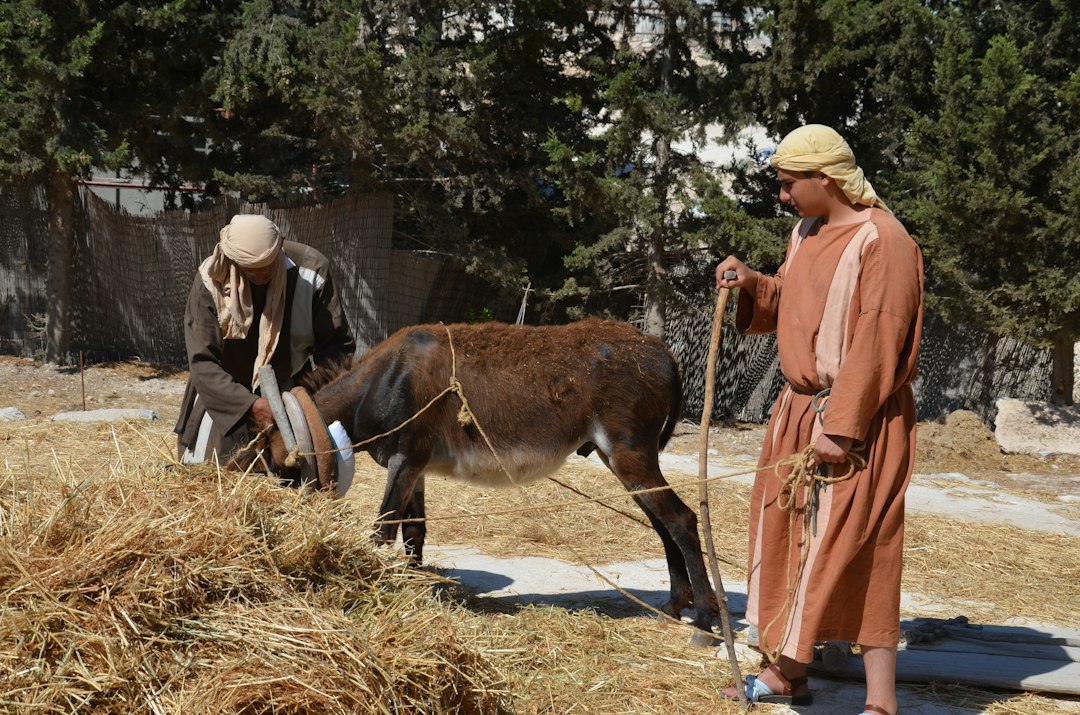
The application of Tza’ar ba’alei chayim is seen in various commandments. One well-known example is the prohibition against muzzling an ox while it is treading grain. The reasoning is that the animal should be allowed to eat some of the grain it is working to thresh. This highlights a focus on the animal’s needs and a recognition that its labor should not be performed under conditions that cause deprivation. Another poignant example, found in the Torah, is the instruction to help an enemy’s overloaded donkey. If you see your enemy’s donkey struggling under a heavy load, you are obligated to assist it, even if you do not feel goodwill towards the owner. This emphasizes that compassion for an animal transcends personal animosity.
Philosophical Currents: Debating Animal Suffering

The ancient world also saw thinkers and writers grappling with questions about animal sentience and our moral obligations towards them. These discussions, though varied in their conclusions, reveal a growing awareness of animal capacity for suffering.
Greco-Roman Reflections on Mercy
In the classical world of Greece and Rome, while not always the dominant perspective, there were clear voices advocating for and demonstrating compassion towards animals. These sentiments appear in literature and were debated by philosophers.
Literary and Artistic Portrayals
Evidence of pity and compassion toward animals can be found in Greek literature. Stories and poems sometimes depict animals in sympathetic ways, highlighting their loyalty, their suffering, or their connection to human lives. While often embedded within myths or fables, these portrayals suggest that audiences were expected to feel empathy for the animal characters. Archaeological findings, such as depictions of animals in art, can also hint at the human-animal bond and the value placed on certain creatures.
Philosophical Voices for Humane Treatment
Certain prominent Greco-Roman thinkers argued explicitly for more humane treatment of animals. Pythagoras, the philosopher and mathematician of the 6th century BCE, is often cited for his vegetarianism, which he linked to a belief in the transmigration of souls and a general principle of not harming living beings. Later, Plutarch, a Greek biographer and essayist of the 1st and 2nd centuries CE, wrote extensively on the topic. In his essays, such as “On the Eating of Flesh,” he challenged the common practice of eating meat, arguing that animals possess reason and feeling and that their slaughter is morally questionable. He urged readers to consider the suffering inflicted upon them. Other Stoic philosophers also touched on the idea of natural law, which could be interpreted to include duties towards other creatures.
The Complexity of Human Dominion
Many ancient religious traditions, while often placing humans in a position of stewardship or dominion over the natural world, simultaneously exhorted followers to show mercy and care to other species. This seemingly paradoxical stance highlights a sophisticated ethical understanding that acknowledged human agency and responsibility.
Religious Traditions and Their Dual Stance
Recent scholarship increasingly emphasizes the widespread nature of compassion towards animals within ancient religious traditions. It wasn’t an isolated concept but a recurring theme. Many texts from Jewish, Christian, and Islamic traditions, for example, acknowledge a hierarchy where humans are distinct and superior. However, this superiority was often coupled with an emphasis on the duties that came with it.
Exhortations to Care for the Lesser Beings
The pairing of human superiority with exhortations to show compassion to other species is a key insight. It means that the belief in human uniqueness wasn’t used as a justification for wanton cruelty. Instead, it often served as a basis for responsibility. If humans are gifted with reason and a moral capacity that other creatures lack, then they have a greater obligation to use that capacity for good, which includes alleviating the suffering of those who cannot speak for themselves. This created a framework where caring for animals was seen as a virtuous act, reflecting positively on the individual’s piety and moral character.
Practical Expressions: Animal Care in Daily Life
Beyond philosophical debate and religious mandates, there are glimpses into how ancient peoples actually cared for vulnerable animals in their everyday lives. These acts, though sometimes small, reveal a practical engagement with animal welfare.
Evidence of Caring for the Injured and Orphaned
Archaeological and textual evidence sometimes points to direct intervention on behalf of ailing or helpless animals. This could manifest in various ways, depending on the culture and the specific animal.
The Companion Animal Bond
While not always formalized as “pets” in the modern sense, evidence suggests that ancient humans formed bonds with certain animals, treating them with a degree of affection and care. This is particularly evident in the remains of animals found buried alongside humans, sometimes in ways that suggest a special relationship. The care given to working animals also points to an understanding of their needs. Injured working animals would have been valuable assets, and their recovery would have been a practical necessity. However, the level of care often extended beyond mere utility, suggesting genuine concern for their well-being.
Food and Shelter for the Needy
In times of scarcity or harsh weather, there are accounts and implications of communities providing food and shelter for animals, not just those directly involved in agriculture or labor. This could be through shared resources or by leaving out offerings. For instance, in some cultures, specific animals might have been allowed to roam freely in certain areas, finding sustenance and shelter without being overly harassed. This wasn’t necessarily about advanced animal welfare legislation but about a practical, community-level understanding of shared resources and the alleviation of immediate distress for creatures facing hardship.
Ancient humans demonstrated remarkable compassion towards vulnerable animals, often forming bonds that transcended mere survival needs. Evidence suggests that early communities not only domesticated certain species but also provided care for injured or orphaned wildlife, reflecting a deep understanding of interspecies relationships. For a fascinating exploration of how these early interactions may parallel modern governance issues, you can read more in this article about the complexities of authority and care in unexpected contexts here. This connection highlights the enduring nature of our responsibilities towards those who are weaker, whether in the animal kingdom or beyond.
The Enduring Legacy of Ancient Compassion
| Aspect | Description | Evidence | Significance |
|---|---|---|---|
| Feeding Injured Animals | Providing food to injured or sick animals to aid recovery | Archaeological sites with animal bones showing healed injuries | Indicates empathy and early animal care practices |
| Protection from Predators | Keeping vulnerable animals in safe enclosures or near human settlements | Remains of enclosures and evidence of domestication | Shows early domestication and protective behavior |
| Medical Treatment | Use of natural remedies or physical care for injured animals | Traces of medicinal plants near animal remains | Suggests knowledge of healing and care beyond humans |
| Emotional Bonding | Signs of attachment and care for animals beyond utility | Burial sites with animals placed alongside humans | Reflects social and emotional relationships with animals |
| Selective Breeding | Choosing animals with desirable traits for protection and care | Genetic studies showing early domestication patterns | Demonstrates intentional care and management of animal populations |
The historical threads of compassion towards animals, woven through ancient traditions, philosophies, and daily practices, form an important part of our collective human story. They remind us that empathy is not a modern invention but has deep roots.
Connecting Past and Present Concerns
Understanding the ways ancient humans related to and cared for animals provides valuable context for our contemporary discussions about animal welfare. It shows that the ethical questions surrounding our relationship with other species are not new but have evolved over millennia.
Learning from Historical Precedents
The examples from ancient India, Jewish tradition, and Greco-Roman thought demonstrate that ethical frameworks can and have been developed to encompass animal well-being. These historical precedents offer inspiration and a rich source of ethical reasoning. They show that compassion is not a deviation from human society but can be an integral part of it. By studying these historical expressions, we can gain a deeper appreciation for the long and varied journey of human empathy and its extension to the animal kingdom.
The Ongoing Evolution of Care
The concept of compassion and care for animals continues to evolve. While ancient societies had their limitations and their own forms of exploitation, their efforts to mitigate suffering and foster respectful relationships with animals laid important groundwork. Recognizing these early efforts helps us understand that the impulse to care for the vulnerable, whether human or animal, is a deeply ingrained and enduring aspect of our humanity, one that we continue to explore and expand upon today.

Life 20,000 Years Ago | When Your Ice Age Family Can’t Feed the Dog
FAQs
What types of vulnerable animals did ancient humans care for?
Ancient humans cared for a variety of vulnerable animals, including injured or orphaned wildlife such as birds, mammals, and reptiles. They often took in animals that were unable to fend for themselves due to injury, illness, or abandonment, providing them with food and shelter.
How did ancient humans provide care for these animals?
Ancient humans provided care through various means, including creating makeshift shelters, offering food, and nursing injured animals back to health. They utilized their knowledge of local flora and fauna to find appropriate diets for the animals they rescued.
What evidence do we have of ancient humans caring for animals?
Evidence of ancient humans caring for animals can be found in archaeological sites where remains of domesticated and wild animals show signs of human intervention, such as healed bones indicating care after injury. Additionally, cave paintings and artifacts depict humans interacting with animals, suggesting a bond and a level of care.
Did ancient humans have specific roles for caring for vulnerable animals?
In some ancient cultures, specific individuals or groups may have taken on roles related to animal care, such as shamans or healers who were believed to have a special connection with animals. These individuals often had knowledge of herbal remedies and techniques for treating injuries.
How did the care of vulnerable animals impact ancient human societies?
The care of vulnerable animals likely fostered a sense of community and cooperation among ancient humans, as they worked together to rescue and rehabilitate animals. This practice may have also contributed to the domestication of certain species, leading to stronger bonds between humans and animals, which benefited both parties.