The silent canvases of ancient rock faces, etched and painted by hands long turned to dust, offer a profound glimpse into the lives of prehistoric hunter-gatherers. These remarkable examples of rock art, scattered across continents and preserved for millennia, are more than mere decorative embellishments; they are vital archaeological records, a visual language that whispers stories of survival, belief, and the intricate social dynamics of our earliest ancestors. Deciphering these ancient narratives requires a multidisciplinary approach, drawing upon archaeology, anthropology, art history, and even environmental science, to reconstruct the world in which these images were created.
Unveiling the Palette and Pigments
The creation of rock art was a deliberate and often complex process, utilizing a range of natural materials that were readily available to hunter-gatherer communities. The pigments themselves are a testament to their intimate knowledge of the natural world, showcasing an understanding of geology and botany that allowed them to extract and prepare vibrant colors.
Earth’s Own Colors: Mineral Pigments
The most common pigments employed in prehistoric rock art are derived from minerals. Ochres, a group of naturally occurring clays colored by iron oxides, provided the foundational palette. Red ochres, ranging from bright vermilion to deep crimson, were achieved by using hematite. Yellows and oranges often came from limonite, another iron-bearing mineral. Other minerals, such as manganese oxides, could produce blacks and dark grays, while kaolin clays offered whites. The extraction of these minerals involved mining or collecting them from exposed deposits. The raw material would then be ground into a fine powder. This grinding process was likely done using stone tools, similar to those used for processing food. The fineness of the powder directly influenced the quality and application of the paint.
The Binder’s Embrace: Adhesion and Durability
Simply grinding minerals would not create a durable paint. A binding agent was essential to adhere the pigment particles to the rock surface and to protect the artwork from the elements. While direct evidence of binders is often scarce due to organic decomposition over time, scientific analysis has revealed common substances. Water was undoubtedly the most basic and readily available binder, creating a wash-like effect. However, for more permanent applications, animal fats, blood, egg whites, or plant saps were likely used. These organic binders would emulsify the mineral powders, creating a paste that could be applied with greater control and offered better adhesion. The presence of these binders also suggests a degree of experimentation and refinement in their artistic techniques.
Tools of the Trade: Application Methods
The application of these pigments was achieved through a variety of methods, each leaving its own subtle imprint on the artwork. Fingers were the most direct and intimate tools, used to daub, smear, and draw lines. Brushes, likely fashioned from animal hair, plant fibers, or feathers, would have been used for finer details and broader strokes. Evidence for brushes can sometimes be inferred from the texture and breadth of the painted lines. Blowing pigment through hollow reeds or bones onto the rock surface created stencils, a technique evident in the many handprints found in caves worldwide, where a hand was placed on the rock and pigment was blown around it, leaving a negative silhouette. Scraping, engraving, and pecking into the rock surface to create images also existed, often in conjunction with or as a precursor to painting. The combination of these techniques, sometimes within a single panel, highlights the versatility and ingenuity of these early artists.
Hunter-gatherer rock art provides a fascinating glimpse into the lives and beliefs of early human societies, showcasing their connection to the environment and their artistic expressions. For those interested in ancient civilizations and their innovative practices, a related article on the ancient Persian qanat system highlights another remarkable aspect of human ingenuity in managing natural resources. You can read more about this water management marvel in the article here: The Ancient Persian Qanat System: A Water Management Marvel.
Echoes of the Hunt: Depictions of Wildlife and Survival

The most pervasive theme in ancient hunter-gatherer rock art is undoubtedly the depiction of the natural world, particularly the animals that formed the cornerstone of their subsistence. These images are not simply naturalistic portrayals; they are imbued with meaning, reflecting the deep spiritual and practical connection between humans and their prey.
The Majestic and the Mundane: Animal Iconography
Herds of bison, deer, horses, and aurochs dominate many prehistoric rock art sites, their forms rendered with astonishing accuracy and vitality. These animals were not just food sources; they were powerful beings, central to the hunter-gatherer cosmology. The dynamic poses – galloping, charging, or even wounded – suggest a keen observation of animal behavior and an understanding of their power. Beyond the large game, smaller animals such as birds, fish, and reptiles also appear, reflecting the diverse dietary strategies of different groups. The choice of animals depicted can also offer insights into regional ecosystems and the specific prey favored by particular communities. Some animals might have held symbolic importance, perhaps representing spirits, totems, or elements of creation myths.
The Dance of Life and Death: Hunting Scenes
Explicit depictions of the hunt are relatively rare but incredibly informative. When they do appear, they often illustrate the cooperative nature of hunting strategies, with figures, sometimes stylized humans or anthropomorphic beings, shown wielding spears, bows, or traps. The inclusion of wounded animals or those being pursued emphasizes the danger and skill involved in acquiring sustenance. These scenes may have served not only as a record of successful hunts but also as a form of ritualistic practice, aimed at ensuring future success in the hunt. The psychological intensity of these moments, captured through dynamic composition and expressive lines, is palpable.
Sustenance and Spirituality: The Intertwined Relationship
The frequent and detailed representation of animals underscores their paramount importance in the lives of hunter-gatherers. Beyond their nutritional value, animals were woven into the fabric of their belief systems. They were often seen as intermediaries between the human and spirit worlds, possessing powers that could be harnessed or appeased. The act of depicting an animal could be a form of sympathetic magic, intended to imbue the hunter with the animal’s strength or to ensure its spirit would return. The placement of certain images, deep within caves or in prominent locations, further suggests a ritualistic or spiritual context for their creation. Understanding these symbolic layers is crucial to moving beyond mere observation to interpretation.
Navigating the Abstract: Symbols, Signs, and Meaning
While representational art is a significant component of hunter-gatherer rock art, abstract symbols and geometric patterns also play a crucial role. These enigmatic markings, often challenging to decipher, are thought to represent a complex system of communication, beliefs, and possibly even early forms of writing.
The Language of Lines: Geometric Motifs
Circles, dots, lines, grids, and zigzags are ubiquitous in prehistoric art. The sheer variety and repetition of these geometric forms suggest they held specific meanings within the cultures that created them. They might represent celestial bodies, geographical features, social structures, or abstract concepts. For instance, a series of concentric circles could symbolize the sun, the moon, or a vortex of spiritual energy. Grids might denote territories, pathways, or organized knowledge. The repeated use of certain motifs across different sites and time periods indicates a shared symbolic language or at least a common conceptual framework.
The Enigma of the Abstract: Anthropomorphs and Other Figures
Human figures in rock art often range from highly stylized to semi-realistic. The depiction of human forms can offer clues about clothing, adornment, and social roles. More intriguing are anthropomorphic figures – beings that blend human and animal characteristics. These figures are frequently associated with shamanic practices, suggesting they represent spirits, deities, or individuals undergoing transformation. They may also be part of creation myths or portrayals of mythological beings. The interpretation of these figures is often speculative, relying on ethnographic analogies and the context of their discovery.
Mapping the Mind: Potential for Narrative and Record-Keeping
Some researchers propose that certain arrangements of abstract symbols and figures might represent early forms of narrative or record-keeping. A sequence of marks could indicate a significant event, a journey, or a lineage. The interpretation of these potential narratives is highly complex, requiring careful analysis of spatial relationships, repetition, and comparison with known symbolic systems. The possibility that these markings served as a way to transmit knowledge across generations or to document important events in their history is a compelling area of ongoing research.
The Human Touch: Social Life and Ritualistic Practices
Beyond the depictions of animals and abstract symbols, rock art also provides tantalizing glimpses into the social lives, rituals, and belief systems of prehistoric hunter-gatherers. These images offer a window into their understanding of the world and their place within it.
The Communal Canvas: Gathering and Performance
Many rock art sites, particularly those with large panels or numerous figures, suggest a communal effort in their creation. These could have been important gathering places, where stories were told, rituals were performed, and knowledge was shared. The act of painting or engraving might have been a social event, involving the entire community or specific individuals responsible for artistic production. The location of some art within caves and shelters, often in areas not used for daily habitation, points towards a specialized purpose, possibly related to ceremonies or spiritual practices.
Rites of Passage and Spiritual Journeys: Shamanism and Initiation
The presence of anthropomorphic figures, complex abstract patterns, and images found in remote or sacred locations has led many scholars to link rock art to shamanism and ritualistic practices. Shamans, individuals believed to be able to communicate with the spirit world, may have created or commissioned these artworks as part of their spiritual journeys, initiation rites, or healing ceremonies. The imagery could represent visions experienced during altered states of consciousness, the spirits encountered, or the transformation of the shaman. The practice of decorating the body itself with pigments, which would have left temporary marks, might also be reflected in the more permanent rock art.
The Legacy of Ancestors: Beliefs and Cosmology
The enduring presence of rock art suggests a deep connection to place and to the spiritual landscape. The images may have served to mark sacred territories, commemorate ancestral beings, or reinforce social structures and kinship ties. The act of creating and maintaining these artworks could have been a way of connecting with the past, honoring ancestors, and ensuring the continuity of their traditions. The recurring motifs and styles found across vast geographical areas can also indicate cultural connections and shared belief systems among different hunter-gatherer groups. Understanding the rock art is, in essence, understanding their worldview.
Hunter-gatherer rock art provides a fascinating glimpse into the lives and beliefs of our ancient ancestors, capturing their experiences and the environment they inhabited. For those interested in exploring the deeper meanings behind these artistic expressions, a related article discusses the guardians of ancient knowledge and the significance of preserving such cultural heritage. You can read more about this topic in the article here. This connection between art and history highlights the importance of understanding the narratives that shape our human experience.
Unlocking the Past: The Enduring Significance of Rock Art
| Metric | Description | Example/Value |
|---|---|---|
| Age | Estimated time period when the rock art was created | 10,000 – 40,000 years ago |
| Location | Common regions where hunter-gatherer rock art is found | Southern Africa, Australia, Europe, Americas |
| Materials Used | Natural pigments and tools used for creating the art | Ochre, charcoal, hematite, stone tools |
| Common Themes | Typical subjects depicted in the rock art | Animals, hunting scenes, human figures, abstract symbols |
| Techniques | Methods used to create the rock art | Engraving, painting, pecking |
| Purpose | Hypothesized reasons for creating the rock art | Rituals, storytelling, territorial markers, spiritual beliefs |
| Preservation Status | Condition and threats to the rock art sites | Varies; threatened by weathering, vandalism, and development |
The study of ancient hunter-gatherer rock art is an ongoing endeavor, constantly pushing the boundaries of our understanding of prehistoric human cognition, culture, and social organization. Each new discovery and every refined analytical technique adds another layer to the intricate tapestry of our shared human past.
A Window into the Pre-Cognitive Mind: Early Symbolism and Abstract Thought
The existence of complex symbolic systems, evident in abstract motifs and anthropomorphic figures, challenges earlier notions of prehistoric minds as purely practical or instinct-driven. Rock art demonstrates an early capacity for abstract thought, for creating and manipulating symbols, and for engaging with complex belief systems. It provides tangible evidence of the development of human imagination and the emergence of distinct cultural identities. The ability to represent the world, both real and imagined, is a fundamental aspect of human consciousness, and rock art is a direct manifestation of this capacity.
Environmental Clues and Paleoecological Reconstructions
Rock art can also serve as valuable proxy data for paleoenvironmental studies. The animals depicted can indicate the fauna present in a region at the time of creation, providing insights into past ecosystems and climate conditions. For example, the presence of certain species might suggest warmer or colder climates, or the availability of specific types of vegetation. Changes in the types of animals depicted over time could even reflect shifts in environmental conditions or human adaptation strategies. This multidisciplinary approach allows for a richer understanding of the context in which these societies thrived or adapted.
The Global Archive: Preserving Our Shared Heritage
Rock art sites are invaluable cultural heritage, offering a unique and irreplaceable connection to our earliest human ancestors. Protecting these fragile artworks from natural erosion and human impact is paramount. Ongoing research, coupled with innovative conservation techniques, is essential to ensure that these silent storytellers can continue to share their wisdom with future generations. The global distribution of rock art underscores a shared human experience of artistic expression and symbolic communication, a testament to our enduring need to make our mark and to understand our place in the universe.
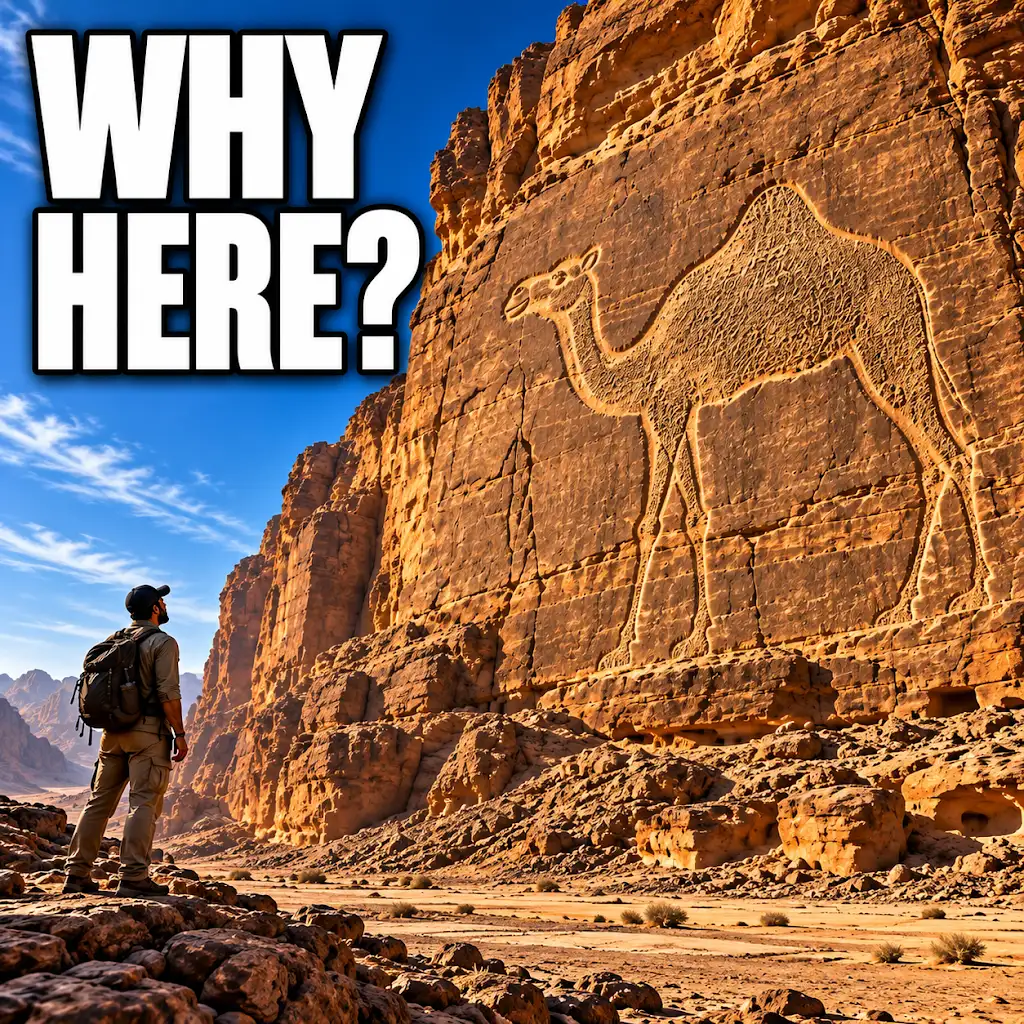
Why Were Giant Camels Carved Above the Desert?
FAQs
What is hunter-gatherer rock art?
Hunter-gatherer rock art refers to prehistoric drawings, paintings, and engravings created by ancient nomadic societies on rock surfaces. These artworks often depict scenes of hunting, gathering, and daily life.
Where can hunter-gatherer rock art be found?
Hunter-gatherer rock art can be found in various regions around the world, including Australia, Africa, Europe, and North America. These artworks are typically located in caves, rock shelters, and open-air sites.
What materials were used to create hunter-gatherer rock art?
Hunter-gatherer rock art was created using a variety of materials, including natural pigments like ochre, charcoal, and clay. These pigments were often mixed with water, animal fat, or plant juices to create paint for the artworks.
What themes are commonly depicted in hunter-gatherer rock art?
Common themes depicted in hunter-gatherer rock art include animals, human figures, hunting scenes, rituals, and symbols. These artworks provide valuable insights into the beliefs, practices, and daily lives of ancient hunter-gatherer societies.
What is the significance of hunter-gatherer rock art?
Hunter-gatherer rock art is significant as it provides a window into the cultural, social, and spiritual practices of ancient nomadic societies. These artworks also offer valuable information about the environment, wildlife, and resources available to these early human communities.