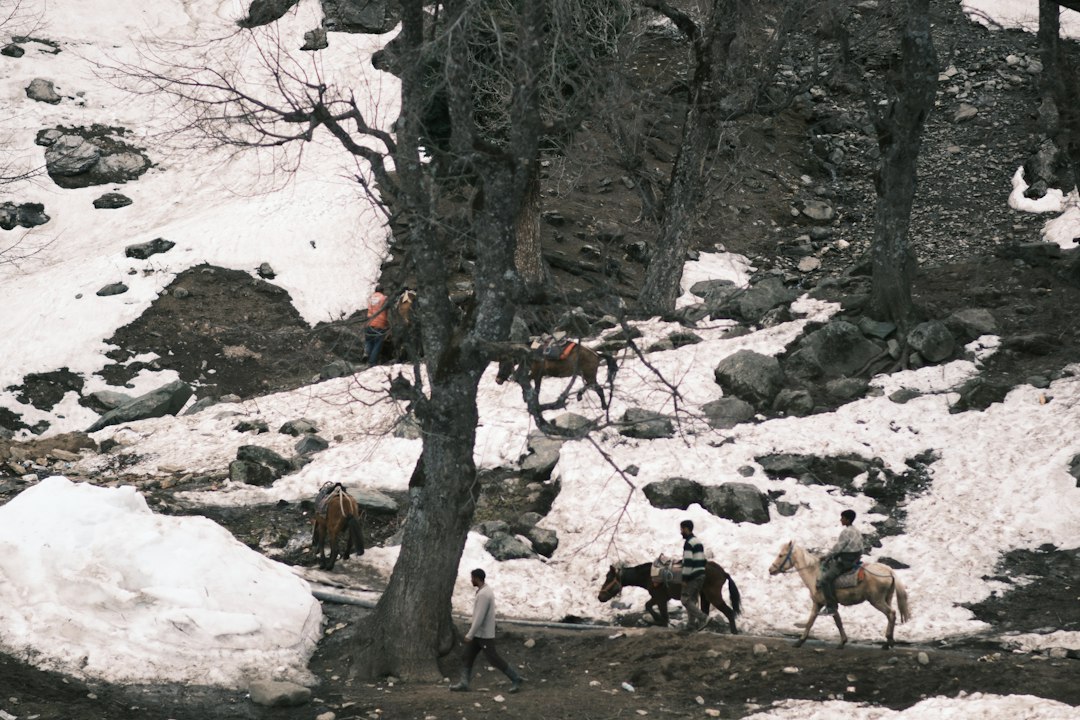
The biting wind howled like a hungry wolf, whipping snow into blinding blizzards that clawed at the rudimentary shelters of the Kaelen tribe. For weeks, the sun had been a pale, distant orb, offering little warmth and even less hope. Their world had shrunk to the immediate, desperate struggle for survival against a winter so brutal it threatened to extinguish their very existence. The ancient hunter-gatherers, accustomed to the ebb and flow of the seasons, found themselves on the precipice, confronting a starvation that felt as vast and unforgiving as the snow-laden plains surrounding them.
The Unrelenting Freeze and its Toll
The onset of the Great Freeze, as it came to be known in the tribe’s oral traditions, was not a gradual decline but a swift, brutal assault. The usual bounty of autumn, the scattering of late berries and the migratory birds heading south, had been meager. A series of unseasonable frosts had decimated the remaining edible plants, and the animals, sensing the impending hardship, had moved to more sheltered regions, their tracks vanishing like ghosts in the deepening snow. For the Kaelen, life had always been dictated by the land’s generosity, and now, the land was withholding its blessings with a ferocity they had never before witnessed.
Scarcity of Game
The primary challenge was the stark absence of their usual prey. The swift hares, which normally provided a crucial source of protein, had burrowed deep into the snowdrifts, their white fur making them nearly invisible and their burrows impenetrable. The larger game, the robust elk and the hardy wild boar, had migrated far beyond the Kaelen’s usual hunting grounds, seeking out valleys where the snow was less deep and vegetation still clung precariously to life. The hunters, armed with flint-tipped spears and expertly crafted bows, spent days tracking in the frozen wilderness, their breath pluming in the frigid air, only to return with empty hands and the gnawing ache of hunger in their bellies. Even the smaller creatures, the rodents and voles that were often overlooked, were proving elusive, their winter dormancy a formidable barrier. The Kaelen’s knowledge of animal behavior, honed over generations, was proving insufficient against the sheer scale of the scarcity.
Depletion of Stored Provisions
The reserves painstakingly gathered during the more bountiful seasons were dwindling at an alarming rate. Dried berries, smoked meats, and preserved roots, carefully rationed to see them through the lean months, were being consumed with a desperate speed that belied their careful conservation. Each mouthful was a stark reminder of the dwindling hope for the future. The elders, their faces etched with worry, recounted tales of previous winters, but none had ever been this severe. The stored food, normally a source of security, now represented a countdown to potential disaster. There were no reserves for the unexpected, for a winter that defied all previous experience. The very act of eating was becoming a painful acknowledgment of their precarious situation.
The Psychological Burden of Hunger
Beyond the physical pangs, the constant gnawing hunger inflicted a profound psychological toll. Irritability and a shortened temper became commonplace. The usual camaraderie and storytelling around the communal fire were replaced by hushed anxieties and fearful glances. Children, their bellies distended and their spirits low, cried more frequently, their small voices a constant lament that echoed the tribe’s collective despair. The elders, responsible for maintaining morale and guiding the community, found their own strength tested, the weight of their people’s suffering a heavy burden. The shared experience of hunger, while meant to unite, was instead creating fissures of fear and desperation. The hope that had always sustained them through hardship was beginning to falter, replaced by a chilling sense of vulnerability.
Ancient hunter-gatherers faced numerous challenges, particularly during harsh winter months when food scarcity often led to starvation. Their survival depended on their ability to adapt to changing environments and resource availability. A fascinating exploration of these ancient lifestyles can be found in the article “Uncovering Ancient Secrets: The Documentary,” which delves into the strategies employed by early humans to endure difficult winters. For more insights into this topic, you can read the article here: Uncovering Ancient Secrets: The Documentary.
The Kaelen’s Desperate Measures
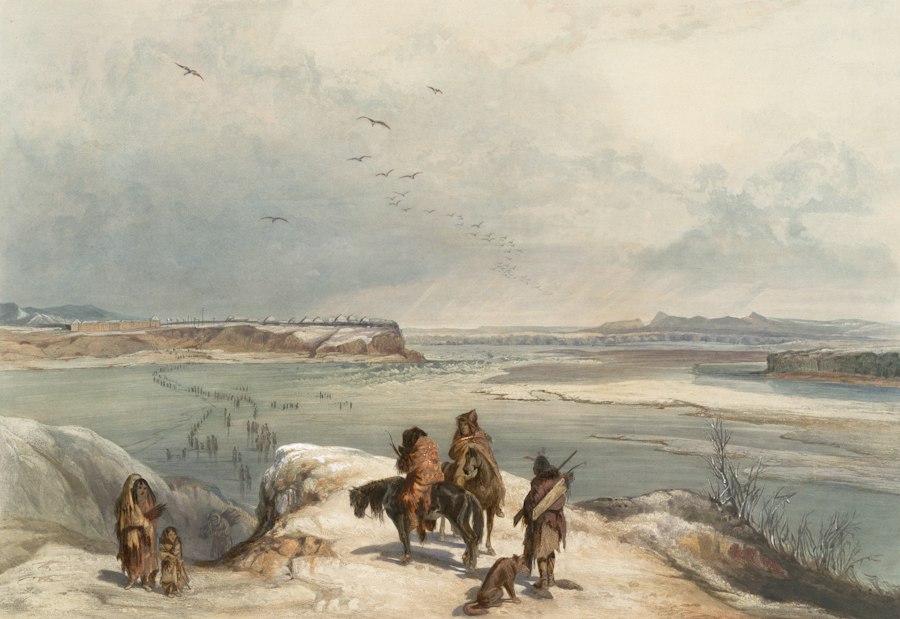
Faced with the grim reality of impending starvation, the Kaelen were forced to abandon their traditions and venture into increasingly risky endeavors. The survival instinct, primal and powerful, drove them to explore every conceivable avenue, even those that defied their ingrained wisdom and tested the limits of their courage.
Expeditions into Unknown Territories
Driven by desperation, scouting parties were dispatched to explore regions far beyond their ancestral lands. These were territories whispered about in hushed tones, lands supposedly haunted by spirits or inhabited by dangerous beasts. The risk of getting lost in the blizzard or encountering unforeseen dangers was immense, but the alternative – to remain and starve – was even more terrifying. These expeditions were a gamble, a throw of the dice against the overwhelming odds. The hunters, wrapped in thick animal hides, ventured into the blinding white, their knowledge of the stars and the subtle signs of the land their only guides. They faced treacherous ravines hidden beneath snowdrifts, navigated frozen rivers that threatened to crack beneath their weight, and endured the biting cold that seeped into their very bones. Each step was a prayer, each sunrise a fleeting moment of respite.
Rediscovery of Forgotten Resources
In their desperate search, the Kaelen began to re-examine their environment with a new, almost feverish intensity. They dug into snowdrifts with renewed vigor, hoping to uncover buried caches of late-season roots that had been overlooked. They ventured into the shadowed depths of the ancient forests, places usually avoided for their perceived dangers, searching for hardy mosses and lichen that could supplement their meager diet. Even the bark of certain trees, normally considered inedible, became a subject of desperate experimentation, boiled and scraped in the hope of extracting any trace of sustenance. This forced re-evaluation of their surroundings, born of necessity, led to the rediscovery of resources that had been forgotten or deemed unimportant in times of plenty. It was a testament to their adaptability, their refusal to succumb to despair.
Exploitation of Less Conventional Prey
The traditional prey animals were largely absent, pushing the Kaelen to consider creatures they would normally scorn or avoid. Insects, their larvae carefully extracted from beneath frozen logs, became a source of protein. The eggs of hibernating birds, discovered in well-hidden nests, were a rare and treasured find. Even the carcasses of animals that had succumbed to the cold or other predators, though unappealing, were scavenged for any meat that could be salvaged. This willingness to consume what was previously considered taboo or unpalatable was a stark indicator of their desperation, a shedding of cultural norms in the face of existential threat. Every calorie, no matter how unappetizing, became a precious commodity.
The Strain on Tribal Cohesion
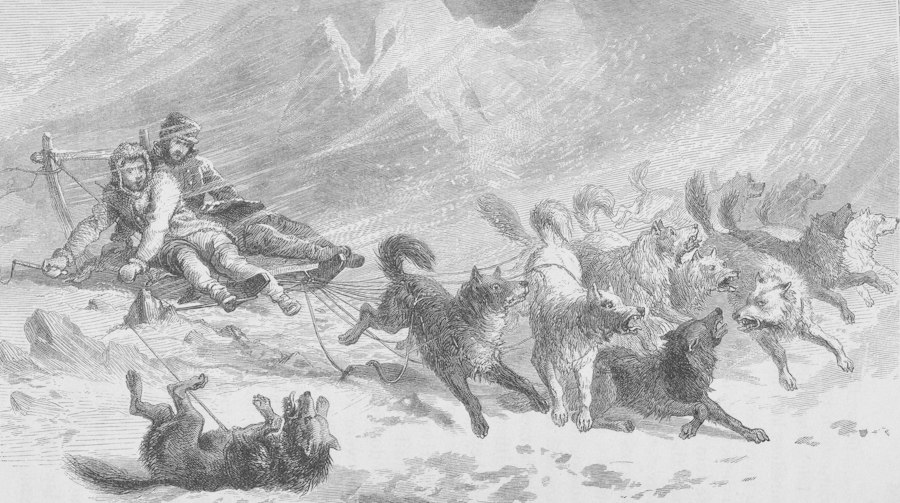
The relentless pressure of hunger and the desperate measures employed to combat it began to erode the social fabric of the Kaelen tribe. The bonds that had held them together for generations were tested to their breaking point.
Internal Conflicts and Resource Disputes
As the food stores dwindled and competition for what little remained intensified, minor disagreements escalated into bitter disputes. The equitable distribution of rations, once a matter of communal agreement, became a focal point of contention. Accusations of hoarding or unfairness, fueled by hunger-induced paranoia, began to surface. Arguments, often starting over a handful of dried berries or a meager piece of scavenged meat, would erupt with surprising ferocity, threatening to fracture the tribe from within. The shared hardship, which should have fostered unity, was instead exacerbating underlying tensions. The fear of individual starvation was overriding the collective good.
Erosion of Traditional Leadership Roles
The elders, whose wisdom and experience had always guided the tribe, found their authority challenged. Their pronouncements and rationing strategies, once accepted without question, were now met with skepticism and even defiance. The younger, more physically capable members, desperate for immediate solutions and resentful of the slow, measured approach of the elders, began to question their leadership. The traditional respect for age and experience, a cornerstone of their society, began to crumble under the relentless pressure of hunger. The elders, accustomed to being the voice of reason, found themselves struggling to be heard over the clamor of desperation.
The Rise of Individualistic Survival Strategies
In the face of widespread scarcity, a subtle shift towards individualistic survival began to emerge. While the communal spirit remained strong, some individuals, driven by an overwhelming instinct for self-preservation, started to prioritize their own immediate needs and those of their immediate families. This was not an outright betrayal of the tribe, but a desperate attempt to ensure some Kaelen survived, even if it meant bending the rules of communal sharing. Small caches of food might be hidden by individuals, or a hunter might choose to keep a slightly larger portion of a rare find for themselves. This gradual erosion of strict communalism, though understandable, was a significant departure from their established way of life.
Glimmers of Hope in the Bleakest Hour
Just as despair threatened to consume them entirely, the Kaelen experienced moments of unexpected fortune that offered a fragile flicker of hope. These were not grand victories, but small, vital instances of relief that reminded them of the resilience of life.
Unexpected Animal Encounters
Against all odds, the hunters, on particularly bleak expeditions, would sometimes stumble upon an animal that had been caught in a trap set by another animal, or had succumbed to the harsh elements in a relatively accessible location. These were not great hunts, but fortunate discoveries, providing much-needed protein and bolstering their flagging spirits. The discovery of a lone, weakened wolf, trapped in a narrow ravine, or the chance sighting of a large bird that had been brought down by the wind, offered a momentary reprieve from the gnawing hunger. These were serendipitous encounters, offering sustenance where none was expected.
The Discovery of Insulated Shelters
In their explorations of treacherous terrain, some scouting parties discovered natural caves or rock overhangs that offered better protection from the relentless wind and snow than their own crude shelters. These became temporary havens, allowing the Kaelen to conserve precious body heat and recover some of their strength. The discovery of a deep, dry cave, sheltered from the wind and large enough to accommodate several families, felt like finding an oasis in the frozen desert. It offered not just physical shelter, but a psychological respite from the constant battle against the elements.
The Return of a Small Game Migration
In a twist of fate that defied the patterns of the brutal winter, a small, unexpected migration of hardy winter rabbits and voles was observed moving through a sheltered valley. This was not the abundant bounty of autumn, but it was enough. The Kaelen hunters, their skills honed by weeks of desperate practice, managed to bring down enough of these small creatures to provide a crucial, albeit temporary, reprieve from the immediate threat of starvation. This small influx of game was a lifeline, a confirmation that even in the harshest conditions, nature could still offer a chance.
Ancient hunter-gatherers often faced the harsh reality of starvation during the winter months, as food sources became scarce and the challenges of survival intensified. Their ability to adapt and innovate was crucial for overcoming these seasonal hardships. For instance, some groups developed advanced techniques for food preservation and storage, which allowed them to sustain themselves through the cold months. This resilience is reminiscent of the innovative practices seen in other ancient cultures, such as the Maya, who mastered water filtration methods to ensure access to clean drinking water. To learn more about their remarkable techniques, you can read this insightful article on the power of Maya filtration here.
The Enduring Spirit of Survival
| Metric | Value/Estimate | Notes |
|---|---|---|
| Average daily caloric intake | 1200-1800 kcal | Reduced during winter scarcity |
| Typical protein sources | Small game, fish, nuts | Varied by region and season |
| Fat reserves in body | 5-15% body weight | Critical for surviving lean months |
| Starvation risk period | 2-4 months | Winter months with limited food availability |
| Average daily foraging time | 6-10 hours | Increased effort during scarce periods |
| Group size | 20-50 individuals | Small bands for resource sharing |
| Food storage methods | Drying, smoking, caching | Limited but crucial for winter survival |
| Mortality rate increase in winter | 10-30% | Due to starvation and cold stress |
As the Great Freeze began to loosen its grip, leaving behind a landscape scarred but not broken, the Kaelen tribe emerged from their ordeal irrevocably changed. They had faced the abyss of starvation and, through a combination of desperate ingenuity, unwavering resilience, and a touch of fortuitous luck, they had survived.
Lessons Learned and Traditions Adapted
The experience of this brutal winter left an indelible mark on the Kaelen. They understood, with a profound and visceral understanding, the fragility of their existence and the importance of foresight and adaptability. Their hunting techniques were refined, their knowledge of edible plants expanded, and their methods of food preservation were improved. The oral traditions were enriched with cautionary tales of the Great Freeze, ensuring that the lessons learned would not be forgotten by future generations. They learned to respect the power of nature in a way they never had before, and to appreciate the simple act of sustenance.
A Renewed Appreciation for Community
The shared struggle had, paradoxically, forged an even stronger sense of community. The disputes and internal conflicts of the darkest days were remembered, but they were now overshadowed by the collective triumph. The act of sharing the meager rations, of huddling together for warmth, and of supporting one another through the darkest hours, had reinforced the fundamental importance of their interconnectedness. The tribe had faced annihilation and, by clinging to one another, they had endured.
The Long Road to Recovery
The winter had taken its toll. Many had been weakened, and the scars of hunger would linger. But as the first shoots of spring began to push through the thawing earth, a sense of cautious optimism began to take root. The Kaelen, though battered and bruised, were alive. They would rebuild, they would replenish, and they would continue their age-old dance with nature, forever marked by the season they had stared starvation in the face and, against all odds, had survived. The harsh winter had tested them, but it had not broken them. The Kaelen, the ancient hunters and gatherers, had once again demonstrated their extraordinary capacity to endure.

20,000 Years Ago | The Coldest Journey in Human History
FAQs
What were some common food sources for ancient hunter-gatherers during the winter?
Ancient hunter-gatherers relied on a variety of food sources during the winter, including nuts, seeds, roots, and preserved meats from hunting expeditions during the warmer months.
How did ancient hunter-gatherers prepare for the winter months?
Ancient hunter-gatherers would often stockpile food supplies, such as dried meats and preserved fruits, to ensure they had enough to sustain them through the winter when food sources were scarce.
Did ancient hunter-gatherers face starvation during the winter?
Yes, ancient hunter-gatherer communities often faced the threat of starvation during the winter months when food was harder to come by. This led to strategies such as rationing and sharing resources within the community.
How did ancient hunter-gatherers adapt to survive harsh winter conditions?
Ancient hunter-gatherers developed various survival skills to endure harsh winter conditions, such as building insulated shelters, creating warm clothing from animal hides, and conserving energy during periods of scarcity.
Were there any rituals or traditions associated with food gathering during the winter among ancient hunter-gatherer societies?
Some ancient hunter-gatherer societies had rituals or ceremonies associated with food gathering during the winter months, often involving prayers or offerings to nature spirits for a successful hunt or harvest.