The Whispering Ground: Ancient Hunters and the Art of Tracking Without Snow
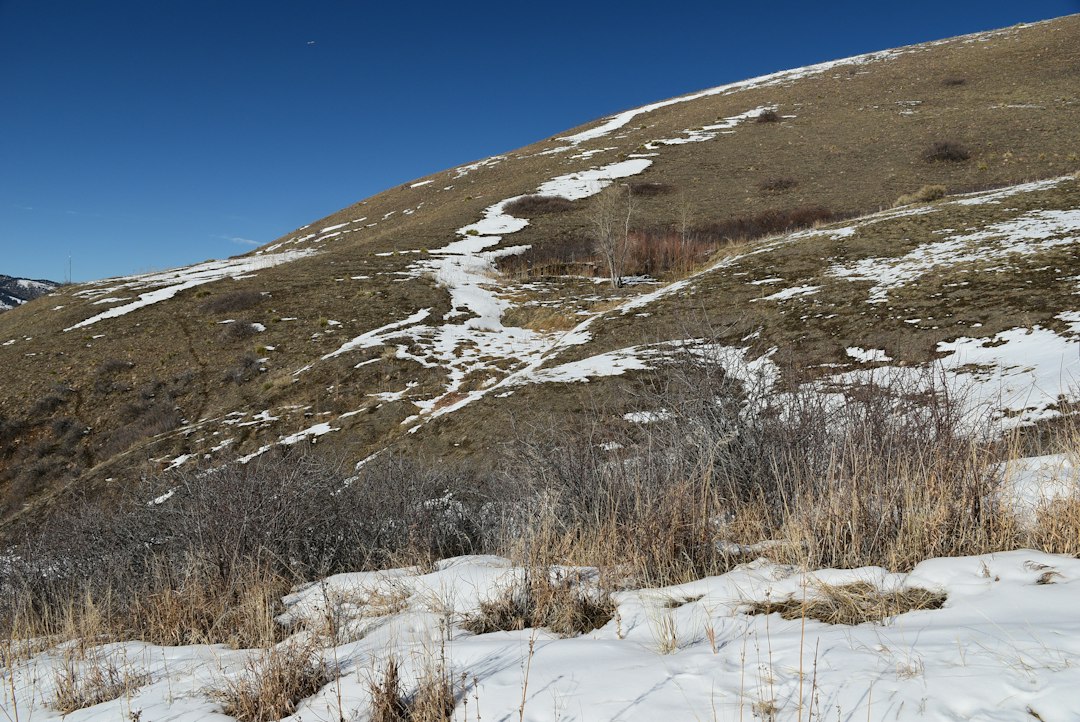
The biting wind, a relentless sculptor of the land, often strips away the most obvious clues for the hunter. In its icy embrace, the crisp, white canvas of snow, which typically cradles the story of a creature’s passage, is erased. Yet, for the ancient hunter, survival depended on an intimate understanding of the natural world, a knowledge passed down through generations. The ability to discern the faintest whisper of a presence when the snow offered no solace was not a skill, but a necessity. These masters of the wild, facing a landscape seemingly devoid of tracks, possessed a profound connection to their environment, learning to read the subtle language of the earth itself. They understood that the absence of snow-covered prints did not signify an empty territory, but rather a different kind of narrative, one etched into the very fabric of the land.
Ancient hunters faced the challenging task of tracking animals in snowy conditions, especially when the wind erased their tracks. They relied on keen observation and a deep understanding of animal behavior, often looking for subtle signs such as broken twigs, disturbed vegetation, or even the direction of the wind to infer the presence of their prey. For a fascinating exploration of how ancient civilizations utilized innovative methods and inventions, you can read more in this article about unbelievable ancient inventions, including those that might have aided in hunting strategies: Unbelievable Ancient Inventions.
Reading the Subtle Scars: Earth’s Memory of Passage
When snow is absent, the hunter’s gaze must shift from the pristine white to the more nuanced textures and disturbances of the ground. The earth, in its own way, remembers. Ancient trackers understood that even the slightest alteration in the soil, the grass, or the leaf litter could betray a recent passage. This required a heightened awareness of the natural state of the environment, recognizing deviations from the norm with an almost instinctive precision. They were not merely looking for a perfect imprint, but for any sign that the earth had been recently disturbed, that its quiescent state had been broken. This involved observing the seemingly insignificant, the almost imperceptible, and weaving these fragments of information into a coherent picture of the animal’s movements.
The Unbroken Blade: Grass as an Indicator
Grasses, ubiquitous in many hunting grounds, become a silent storyteller when snow is absent. Ancient hunters knew that a creature’s weight, however slight, would bend or break the stalks of grass. They learned to distinguish between the natural sways of the wind and the deliberate, directional pressure left by a passing animal. A patch of flattened grass, even without a distinct print, could indicate the direction of travel. The angle of the bend, the freshness of the break, and the pattern of disturbance all contributed to the story. A single, isolated bend might suggest a fleeting moment of hesitation or a quick darting movement, while a more extensive area of flattened vegetation pointed towards a steady, deliberate passage. They also observed how different types of grass reacted to pressure, understanding that a tall, brittle blade would break cleanly, while a more supple, flexible stem might simply be temporarily depressed, springing back with a slight crease. The keen eye could detect these subtle variations.
The Deeper Narrative: Soil Disturbance and Erosion
The composition of the soil itself offered valuable clues. Even without distinct footprints, the passage of a heavy animal could cause subtle shifts in the earth. Ancient hunters were adept at recognizing areas where the topsoil had been scuffed, displaced, or where small divots had been created. These disturbances might be barely visible, especially on harder ground, but a trained eye could detect a difference in texture or color. Furthermore, they understood the principles of erosion and how animal movements could accelerate these processes. A slight depression that had formed on a gentle slope, for example, might have been deepened by the repeated passage of a herd. Rainwater, channeled through these disturbed areas, could further accentuate the evidence. The hunter learned to look for subtle signs of water flow and accumulation, which might be directed or altered by the passage of animals.
The Fallen Leaf: A Fragile Testament
In forested environments, the carpet of fallen leaves is a particularly sensitive indicator. While the wind can rustle and rearrange leaves, ancient hunters could distinguish between the chaotic patterns of windblown debris and the more deliberate disturbance caused by a footfall. A leaf that has been crushed or torn, a small pile of leaves that has been scattered in a specific direction, or a patch where the leaf litter has been scuffed away could all point to a recent animal presence. They understood the different ways animals moved through leaf litter – the soft tread of a deer versus the more forceful crunch of a boar. The freshness of the disturbance was also crucial; a recently moved leaf would still retain its scent and its sharp edges, while an older disturbance would have been weathered by the elements. They also paid attention to the way the leaves settled after being disturbed, noting if they lay flat and undisturbed or if they were still in a state of slight disarray, indicating recent movement.
The Scent of Truth: Following the Invisible Trail
While visual cues are paramount when snow is absent, the ancient hunter was also a master of olfactory detection. Animals leave behind a scent, a subtle signature that the wind, even when it erases visual tracks, can still carry. This aspect of tracking required an almost primal reliance on the sense of smell, a cultivated ability to discern the unique fragrances of different species, and to differentiate them from the general odors of the forest. It was a skill honed through constant exposure and practice, a biological advantage amplified by focused intention. The hunter learned to recognize the musky scent of a deer, the pungent odor of a fox, or the earthy smell of a wild boar, and to associate these scents with specific locations and times.
The Breath of the Beast: Air Currents and Scent Distribution
The wind, though it erases physical prints, also becomes the vehicle for scent. Ancient hunters understood how wind currents carried olfactory information. They would move upwind of potential prey, using the breeze to bring the animal’s scent to them. This required a deep understanding of local wind patterns, how they shifted throughout the day, and how topography influenced their direction. A skilled tracker could also discern the density and direction of a scent plume, inferring the animal’s proximity and its general direction of travel. They learned to interpret the faintness or strength of a smell, understanding that a strong, consistent scent indicated a nearby animal, while a more diffuse and intermittent smell might suggest an animal that had passed through the area some time ago, or one that was moving erratically.
The Earth’s Perfume: Soil and Vegetation as Scent Reservoirs
The ground itself, when devoid of snow, can hold and release the scent of animals. The soil, especially if damp, can absorb and retain the scent of urine and droppings, releasing it over time. Similarly, vegetation can pick up and carry scents as an animal brushes against it. Ancient hunters understood that certain types of soil, like loamy earth or areas with a higher concentration of organic matter, were more effective at retaining scent. They also recognized that dense undergrowth and areas where animals frequently rubbed against trees could become significant scent markers. They learned to associate specific scents with specific environments, understanding that a particular musky smell might be stronger near a watering hole or a bedding area.
The Echoes of Presence: Behavioral Clues
Beyond direct physical evidence, ancient hunters were keenly attuned to the behavioral changes that an animal’s presence induced in the environment. These were not prints in the traditional sense, but rather subtle shifts in the natural world that indicated an animal had been, or was currently, present. This required a profound understanding of animal behavior, recognizing the patterns of movement, feeding, and resting. They understood that animals, like all living beings, interact with their surroundings in predictable ways, and that these interactions, even without a visible track, left an indelible mark.
The Disturbed Dwelling: Nests, Burrows, and Beds
The signs of an animal’s resting or nesting places were often clear indicators of their recent presence. Ancient hunters would look for disturbed vegetation that suggested a bedding down area, a place where an animal had rested and flattened the grass or leaves. They also recognized the tell-tale signs of burrows, dens, or nests, paying attention to any fresh digging, displaced earth, or recently chewed materials that indicated recent activity. Even if the animal was not present at that exact moment, knowing where it had recently been provided valuable information about its territory and potential future movements. They understood that these resting places were often chosen for their strategic advantages – offering shelter, concealment, or a good vantage point.
The Banquet of the Wild: Feeding Signs
The feeding habits of animals left their own distinctive clues, even when snow was absent. Ancient hunters would examine chewed vegetation, stripped bark, or the remnants of prey. The type of plant or bark that was eaten, the way it was consumed, and the quantity removed could all provide information about the species and even the age of the animal. They learned to distinguish between the grazing patterns of herbivores and the browsing habits of other animals. For instance, the clean, sharp break of a twig eaten by a deer contrasted with the ragged tear left by a rabbit. The presence of partially eaten carcasses, or the scattered remains of smaller prey, also indicated recent activity by predators. They would observe the specific plants a species preferred, and look for evidence of those plants being recently consumed.
The Water’s Tale: Tracks Near Hydration Sources
Water sources, such as streams, ponds, and springs, were magnets for animal activity, and therefore, prime locations for tracking, even without snow. Ancient hunters knew that animals needed to drink regularly, and their passage to and from water bodies left subtle disturbances. They would look for softened or muddied ground around the edges of water sources, scuffed vegetation where animals had entered or exited the water, and even the imprint of hooves or paws on wet sand or mud. These areas often revealed the most consistent and recent signs of animal passage, as they were regularly revisited. They also understood that the type of mud or sediment disturbed could offer clues about the size and weight of the animal.
Ancient hunters faced significant challenges when trying to track animals, especially when the wind erased their tracks in the snow. They developed keen observational skills and relied on various environmental cues to locate their prey. For a deeper understanding of how ancient techniques and modern practices intersect, you might find it interesting to explore how contemporary industries, such as electronics manufacturing, adapt to their environments. This connection between past and present highlights the importance of observation and adaptation in both hunting and manufacturing. You can read more about this in the article on Mexico’s electronics manufacturing hubs.
The Hunter’s Intuition: A Synthesis of Evidence
| Method | Description | Effectiveness | Challenges |
|---|---|---|---|
| Visual Inspection of Snow Patterns | Hunters observed subtle changes in snow texture and color where wind had partially covered tracks. | Moderate | Wind often blurred or erased tracks, making detection difficult. |
| Use of Scent | Relying on keen sense of smell to detect animal presence or disturbed snow areas. | Low to Moderate | Wind disperses scent, reducing reliability. |
| Following Natural Landmarks | Tracking animals by following terrain features like ridges, valleys, or water sources where animals frequent. | High | Requires deep knowledge of animal behavior and landscape. |
| Listening for Animal Sounds | Using auditory cues such as rustling or calls to locate animals when visual tracks are obscured. | Moderate | Wind noise can mask sounds; requires patience and experience. |
| Timing Hunts After Wind Calms | Waiting for periods of calm weather to track fresh footprints before wind erases them. | High | Requires patience and good weather observation skills. |
Ultimately, the ability of ancient hunters to find tracks when snow erased them was not about employing a single technique, but about a holistic integration of all the observable clues. It was about developing a profound intuition, a deep understanding of the interconnectedness of the natural world, and the ability to synthesize disparate pieces of information into a coherent whole. This intuition was not magic, but the product of countless hours of observation, practice, and learning from elders. It was the culmination of a life lived in intimate communion with the wilderness, where every rustle of leaves, every shift in the wind, and every subtle disturbance of the earth held meaning.
The Art of Deduction: Piecing Together the Puzzle
The process was akin to detective work. The hunter would observe a patch of flattened grass, a faint scent on the wind, or a disturbed patch of earth. These individual clues, on their own, might be inconclusive. However, by considering the context – the prevailing wind, the terrain, the time of day, and the known habits of local wildlife – the hunter could begin to deduce the animal’s likely path. A series of small disturbances leading towards a dense thicket, combined with a faint musky scent carried on the breeze, might suggest a deer seeking refuge. The hunter’s mind was a constant processing unit, weighing probabilities and making educated guesses. They learned to anticipate the animal’s next move based on its current behavior and the environment.
The Mental Map: Understanding Territorial Dynamics
A crucial element of this intuitive tracking was the hunter’s mental map of the territory. They understood the established trails, the watering holes, the favored feeding grounds, and the bedding areas of the local wildlife. This knowledge allowed them to interpret the subtle signs within the framework of known animal behavior. A disturbance in an area rarely visited by a particular species would be more significant than one in a well-trodden path. They understood that animals, especially in a world without human encroachment, often followed established patterns and routines, and knowing these patterns was key to predicting their movements. This mental map was not static, but evolved with each observation and each hunt.
The Primacy of Observation: Constant Learning and Adaptation
The most vital tool of the ancient hunter was their unwavering commitment to observation and continuous learning. They understood that the wilderness was a dynamic entity, and that animal behavior could change. They constantly refined their skills, learning from every successful hunt and every missed opportunity. The absence of snow was not a defeat, but an invitation to engage with the environment on a deeper, more nuanced level, to truly become one with the whispers of the land. Each sunrise brought new opportunities for learning, and each sunset provided time for reflection and mental recalibration. This relentless pursuit of knowledge was the bedrock upon which their survival, and their legacy, was built.

Life 20,000 Years Ago | When an Ice Age Wildfire Traps Your Primitive Family
FAQs
What techniques did ancient hunters use to find tracks in snow?
Ancient hunters employed various techniques to locate animal tracks in snow, including observing subtle changes in the snow’s texture, looking for disturbances in the surface, and using their knowledge of animal behavior to predict where animals might have traveled.
How did wind affect the visibility of animal tracks in snow?
Wind can erase or obscure animal tracks in snow by blowing snow over the imprints, creating a uniform surface that makes it difficult to distinguish tracks. Hunters had to be particularly observant and skilled to identify any remaining signs of movement.
What environmental cues did hunters rely on besides tracks?
In addition to tracks, hunters looked for other environmental cues such as broken branches, scat, and feeding signs. These indicators helped them determine the presence and movement patterns of animals in the area.
Did ancient hunters have specific times when tracking was easier?
Yes, ancient hunters often found tracking easier during certain times of the day, such as early morning or late afternoon, when animal activity was higher. Additionally, fresh snowfall could temporarily reveal tracks before wind or other elements obscured them.
What role did experience play in tracking for ancient hunters?
Experience was crucial for ancient hunters, as it allowed them to develop a keen eye for recognizing subtle signs of animal movement and understanding the effects of weather on snow conditions. Skilled hunters could interpret these signs more effectively than novices.