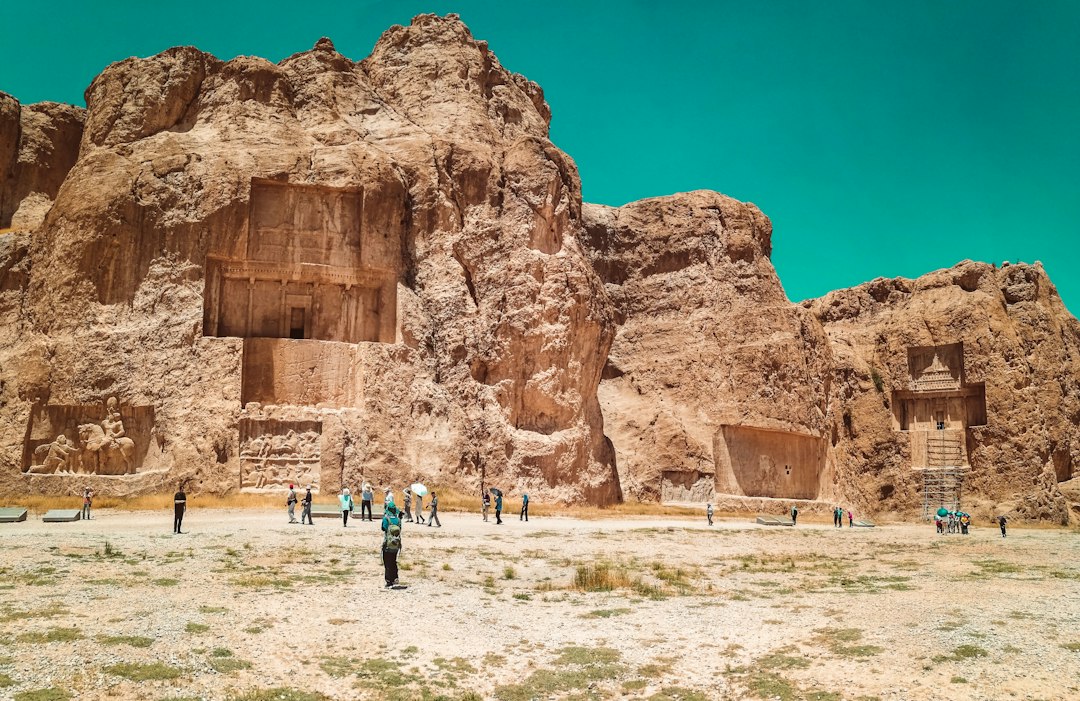
The arid expanses of ancient Iran, a vast territory characterized by harsh deserts and unforgiving climates, have long presented humanity with formidable challenges to survival and prosperity. Yet, far from being a barrier to human ingenuity, these formidable landscapes spurred an extraordinary era of innovation, particularly in the realm of agriculture. Ancient Iranians, through centuries of observation, experimentation, and adaptation, developed sophisticated techniques for desert farming and sustainable practices that not only allowed them to thrive in an often-hostile environment but also laid the groundwork for agricultural advancements that would resonate for millennia. Their achievements stand as a testament to human resilience and a profound understanding of ecological principles, offering invaluable lessons for contemporary approaches to sustainable land management and food security in arid regions worldwide.
Water Management: The Lifeblood of Arid Agriculture
The cornerstone of any successful agricultural enterprise in a desert is the effective management of its most precious resource: water. Ancient Iranians mastered this challenge, devising intricate systems that captured, stored, and distributed water with remarkable efficiency. Their understanding of hydrology, geology, and engineering allowed them to transform barren lands into fertile oases, a feat that required both technical prowess and a deep respect for the natural water cycle.
The Ingenuity of Qanats: Subterranean Lifelines
Perhaps the most iconic and enduring innovation in ancient Iranian water management is the qanat (also known as kariz). This ingenious system of underground channels, dug over vast distances, tapped into underground aquifers in mountainous areas and brought water to the arid plains for irrigation. The construction of qanats was a monumental undertaking, requiring meticulous planning, surveying, and excavation. Teams of skilled laborers, often working for years, would meticulously dig a series of vertical shafts, known as “wells” or “access shafts,” spaced at regular intervals, connecting them to a gently sloping horizontal tunnel at the bottom. This main tunnel, the qanat itself, ran downhill from the water source to the point of use, relying on gravity to transport the water.
The brilliance of the qanat system lay in its multifaceted advantages. By transporting water underground, it significantly reduced evaporation, a critical factor in arid climates where surface water bodies could lose a substantial portion of their volume to the sun. The shafts served multiple purposes: they allowed for the excavation of the main tunnel, provided ventilation for the workers, facilitated the removal of excavated material, and served as points for maintenance and repair. Furthermore, the qanats delivered water directly to agricultural fields and settlements, minimizing waste and ensuring a consistent supply. The precise gradient of the qanat was crucial; too steep, and the water would flow too quickly, eroding the tunnel and making it difficult to control; too shallow, and the water would not flow at all. Ancient Iranians developed sophisticated methods for measuring and maintaining these gradients, demonstrating a remarkable understanding of hydraulics. The longevity and widespread adoption of qanats across the Iranian plateau and beyond underscore their effectiveness and the ingenuity of their creators.
Cisterns and Reservoirs: Capturing Every Drop
In addition to qanats, ancient Iranians employed a variety of other methods to capture and store water. Where suitable underground aquifers were not readily available or for localized storage, they constructed sophisticated cisterns and reservoirs. These structures, often built of stone, brick, or a combination of both, were designed to collect rainwater, runoff from infrequent but intense storms, and surplus water from qanats.
Surface reservoirs, known as “band” or “sabats,” were often created by building dams or embankments across wadis (dry riverbeds) or depressions. These structures would impound water during rainy seasons, creating temporary lakes that could then be used for irrigation during drier periods. The construction of these reservoirs required an understanding of soil mechanics and structural engineering to ensure their stability against the force of water and the elements. Many of these ancient reservoirs are still in use today, a testament to their durable design.
Underground cisterns, often carved into bedrock or constructed with carefully sealed walls, were particularly effective for storing water from qanats or collected rainfall. These covered structures offered further protection against evaporation and contamination. The meticulous sealing of these cisterns, often using a form of bitumen or a specialized mortar, was essential to prevent leakage and maintain water purity. The presence of numerous such cisterns in ancient settlements across Iran highlights a culture deeply attuned to the value of water conservation.
Desert agriculture in ancient Iran showcases the innovative techniques employed by early civilizations to thrive in arid environments. The use of qanats, an ancient underground water management system, allowed these societies to cultivate crops despite the harsh climate. For a broader understanding of how resource management impacts civilizations, you may find it interesting to explore the article on the geopolitical race for Antarctic resources, which highlights contemporary challenges in resource allocation. You can read more about it here: Geopolitical Race for Antarctic Resources.
Sustainable Farming Techniques: Working with Nature, Not Against It
Beyond water management, ancient Iranians developed a suite of farming techniques that minimized environmental impact and ensured the long-term productivity of their land. These practices were born out of necessity, driven by the understanding that resources were finite and that the delicate balance of the desert ecosystem could not be exploited without consequence.
Terracing and Contour Farming: Harnessing Slopes
In the hilly and mountainous regions of Iran, where arable land was often limited to slopes, ancient farmers implemented terracing and contour farming techniques. Terracing involved the creation of leveled platforms or steps along hillsides, supported by retaining walls. This practice served several crucial functions: it prevented soil erosion by intercepting rainwater runoff, created flat surfaces suitable for cultivation, and allowed for more efficient water distribution across the cultivated area. The construction of these terraces required significant labor and a keen understanding of landscape management.
Contour farming, closely related to terracing, involved plowing and planting along the natural contours of the land, rather than up and down the slopes. This method slowed down the flow of water, allowing more of it to infiltrate the soil and reducing the erosive power of runoff. By following the curves of the land, farmers created a series of small depressions that captured water and sediment, further preventing soil loss. These techniques not only preserved soil fertility but also made marginal lands productive, expanding the agricultural potential of the region.
Crop Rotation and Fallow Periods: Replenishing the Soil
Ancient Iranian farmers recognized the importance of soil health and employed practices to maintain its fertility over time. Crop rotation, the practice of planting different types of crops in the same area in sequenced seasons, was a common method. Different crops have varying nutrient requirements and can also have beneficial effects on the soil. For instance, planting legumes, which fix nitrogen from the atmosphere into the soil, could replenish nutrients depleted by grain crops. This cyclical approach prevented the depletion of specific soil nutrients and helped to control pests and diseases that might target a single crop.
In conjunction with crop rotation, the practice of fallowing was also widespread. Fallow periods involved leaving a portion of the land uncultivated for a season or more. This allowed the soil to rest, recover its nutrient content, and improve its structure. During the fallow period, natural processes, such as the decomposition of organic matter and the action of soil microbes, would replenish the soil’s fertility. In some cases, fallow lands might be grazed by livestock, further enriching the soil with manure. This understanding of soil regeneration was critical for sustaining agricultural productivity in an environment where soil was a precious and easily degraded resource.
Diversification of Crops and Livestock: Resilience in the Face of Adversity
Ancient Iranian agriculture was characterized by a remarkable diversity of crops and livestock, which contributed to the overall resilience of their food systems. Rather than relying on a single staple crop, they cultivated a variety of grains, fruits, vegetables, and legumes suited to different microclimates and soil conditions. Wheat, barley, and various millets formed the basis of their grain production, while fruits like dates, pomegranates, figs, and grapes thrived in irrigated oases. Legumes such as lentils and chickpeas provided essential protein and nitrogen-fixing capabilities.
This diversification extended to livestock as well. Sheep and goats, well-adapted to grazing in arid and semi-arid regions, provided milk, meat, wool, and hides. Camels, with their exceptional ability to withstand drought and travel long distances, were vital for transportation and trade, and their milk and meat were also utilized. Donkeys and horses played crucial roles in agriculture and transport. The interdependency between crop cultivation and animal husbandry was a hallmark of their sustainable systems, with animal manure providing valuable fertilizer for crops, and crop byproducts feeding livestock. This holistic approach ensured that if one crop failed or one livestock species suffered from disease, the entire food system was not jeopardized, providing a robust buffer against environmental and economic shocks.
Seed Selection and Preservation: Preserving Genetic Diversity

The long-term success of agriculture hinges on the ability to preserve and improve desirable crop traits. Ancient Iranians understood the importance of seed selection and developed methods for preserving their harvests and ensuring the viability of seeds for future planting. This practice was not merely about saving seeds; it was about actively choosing and propagating plants that exhibited desirable characteristics such as drought tolerance, disease resistance, and high yield.
Selecting for Resilience: The Farmer’s Eye
Farmers meticulously observed their crops, identifying individual plants that performed exceptionally well, particularly under challenging conditions. These standout plants, which might have survived drought periods better, resisted pests, or produced a more abundant harvest, were singled out. Their seeds were then carefully collected and stored separately. This process of informal, farmer-led selection, honed over generations, led to the development of landraces and varieties that were highly adapted to the specific agro-ecological conditions of ancient Iran. This was a form of empirical breeding, where the farmer’s keen eye and practical experience guided the improvement of crops.
Traditional Storage Methods: Protecting the Future Harvest
The preservation of harvested seeds was as critical as their selection. Ancient Iranians employed a range of traditional storage methods to protect seeds from pests, moisture, and degradation. Seeds were often dried thoroughly before storage to reduce their moisture content, a key factor in preventing spoilage and fungal growth. They were then stored in cool, dark, and dry locations. Ceramic jars, woven baskets lined with natural materials like clay or bitumen, and even underground storage pits were used.
In some cases, seeds might be mixed with substances that deterred pests, such as ash or certain plant extracts. The practice of storing seeds in sealed containers, often within homes or dedicated granaries, ensured their protection. The successful propagation of crops year after year, and the maintenance of agricultural traditions over millennia, speaks volumes about the effectiveness of these ancient seed preservation techniques. This practice was not simply about immediate food security but about ensuring the continuity of agricultural knowledge and the genetic heritage of their crops for future generations.
Social and Economic Structures: Supporting Sustainable Agriculture
The sophisticated agricultural practices of ancient Iran were not developed in a vacuum. They were supported by intricate social and economic structures that fostered cooperation, facilitated the dissemination of knowledge, and provided the necessary labor and resources for large-scale projects. These societal frameworks were essential for the successful implementation and maintenance of the complex irrigation systems and sustainable farming methods.
Community Cooperation and Labor Sharing
The construction and maintenance of large-scale irrigation infrastructure, such as qanats and reservoirs, required immense collective effort. Ancient Iranian society was organized in ways that facilitated this cooperation. Village communities often operated on principles of shared responsibility and mutual aid. The construction of a qanat, for instance, would involve contributions of labor from multiple families or even entire villages, often organized through a system of reciprocal obligations or a formal labor tax.
Similarly, the management of water distribution from these systems was a communal affair, often overseen by elected officials or water masters who ensured equitable access and prevented disputes. This communal approach extended to other agricultural tasks, such as harvesting and pest control. The emphasis on collective action and the recognition of shared dependence on water and fertile land created a strong social fabric that underpinned the sustainability of their agricultural endeavors. This cooperative spirit ensured that vital infrastructure was built and maintained, and that the benefits of their labor were shared.
The Role of Knowledge Transmission and Innovation
The transmission of agricultural knowledge was a vital aspect of ancient Iranian society. This knowledge, encompassing the best times for planting, the most effective irrigation techniques, seed saving methods, and soil management practices, was passed down from generation to generation, primarily through oral traditions and apprenticeships. Elders and experienced farmers played a crucial role in educating younger generations, ensuring the continuity of best practices.
However, this was not a static system. Ancient Iranians were also receptive to innovation. As new challenges arose or as opportunities for improvement were identified, existing practices were adapted and new techniques were developed. The long lifespan of qanat systems, for example, suggests a continuous process of maintenance, repair, and even extension as agricultural needs evolved. This blend of tradition and innovation allowed their agricultural systems to adapt to changing environmental conditions and population growth, demonstrating a dynamic and forward-thinking approach to food production. The existence of specialized crafts related to agriculture, such as well-diggers, irrigation engineers, and millers, also speaks to a structured society that valued and supported agricultural expertise.
Desert agriculture in ancient Iran showcases the remarkable adaptability of early civilizations to arid environments, utilizing innovative irrigation techniques and crop selection to sustain their communities. For a deeper understanding of how resilience in agriculture can be applied to modern challenges, you might find it interesting to explore the article on resilience in small island developing states, which discusses similar themes of adaptation and sustainability in challenging climates. This connection highlights the timeless nature of agricultural innovation across different regions and eras. You can read more about it in this insightful piece here.
Legacy and Modern Relevance: Lessons from the Ancient Deserts
| Metric | Value/Description | Significance |
|---|---|---|
| Time Period | Circa 3000 BCE to 500 CE | Era of significant desert agriculture development in ancient Iran |
| Primary Crops | Barley, Wheat, Dates, Grapes | Staple crops adapted to arid conditions |
| Irrigation Techniques | Qanat system (underground canals) | Efficient water management in desert environments |
| Average Annual Rainfall | Less than 250 mm | Classifies region as arid desert, necessitating irrigation |
| Soil Type | Sandy and Loamy soils with low organic content | Required soil management for agriculture |
| Land Area Under Cultivation | Estimated thousands of hectares in oasis regions | Extent of agricultural activity in desert zones |
| Water Source | Mountain snowmelt and qanat channels | Critical for sustaining crops in arid climate |
| Crop Yield | Variable; barley ~1-1.5 tons/hectare | Indicative of productivity under desert conditions |
| Technological Innovations | Qanat construction, crop rotation, terracing | Enhanced sustainability and productivity |
The agricultural innovations of ancient Iran are not merely historical curiosities; they hold profound lessons for contemporary challenges in arid land management and sustainable agriculture. The ingenuity and foresight demonstrated by these ancient peoples offer a blueprint for how to thrive in water-scarce environments, emphasizing a holistic approach that integrates ecological understanding with technological solutions.
Enduring Wisdom for Arid Land Management
The principles behind qanat construction, for example, continue to inspire modern water engineers grappling with water scarcity. The concept of minimizing evaporation, tapping into groundwater sustainably, and using gravity for distribution remains relevant. While modern technology can enhance such systems, the fundamental understanding of water as a precious, finite resource, and the need for careful management, is a lesson directly inherited from ancient Iran. Similarly, their practices of terracing, contour farming, and soil regeneration offer practical strategies for combating desertification and soil erosion in many parts of the world today. The emphasis on working with natural gradients and preventing soil loss is universally applicable.
A Model for Sustainable Food Systems
The ancient Iranian model of diversified agriculture, crop rotation, and fallowing provides a powerful example of how to build resilient and sustainable food systems. In an era concerned with monocultures and the environmental impact of intensive farming, their approach highlights the benefits of biodiversity and ecological balance. The deep respect for the land and the understanding that long-term productivity requires nurturing rather than exploiting resources are crucial takeaways. Their integrated approach, where crops and livestock supported each other, offers a vision for more circular and less resource-intensive agricultural models. The legacy of ancient Iranian agriculture is a powerful reminder that human ingenuity, when coupled with a deep respect for the natural world, can transform even the most challenging environments into places of abundance and sustainability. Their achievements continue to resonate, offering valuable wisdom for building a more secure and sustainable future.
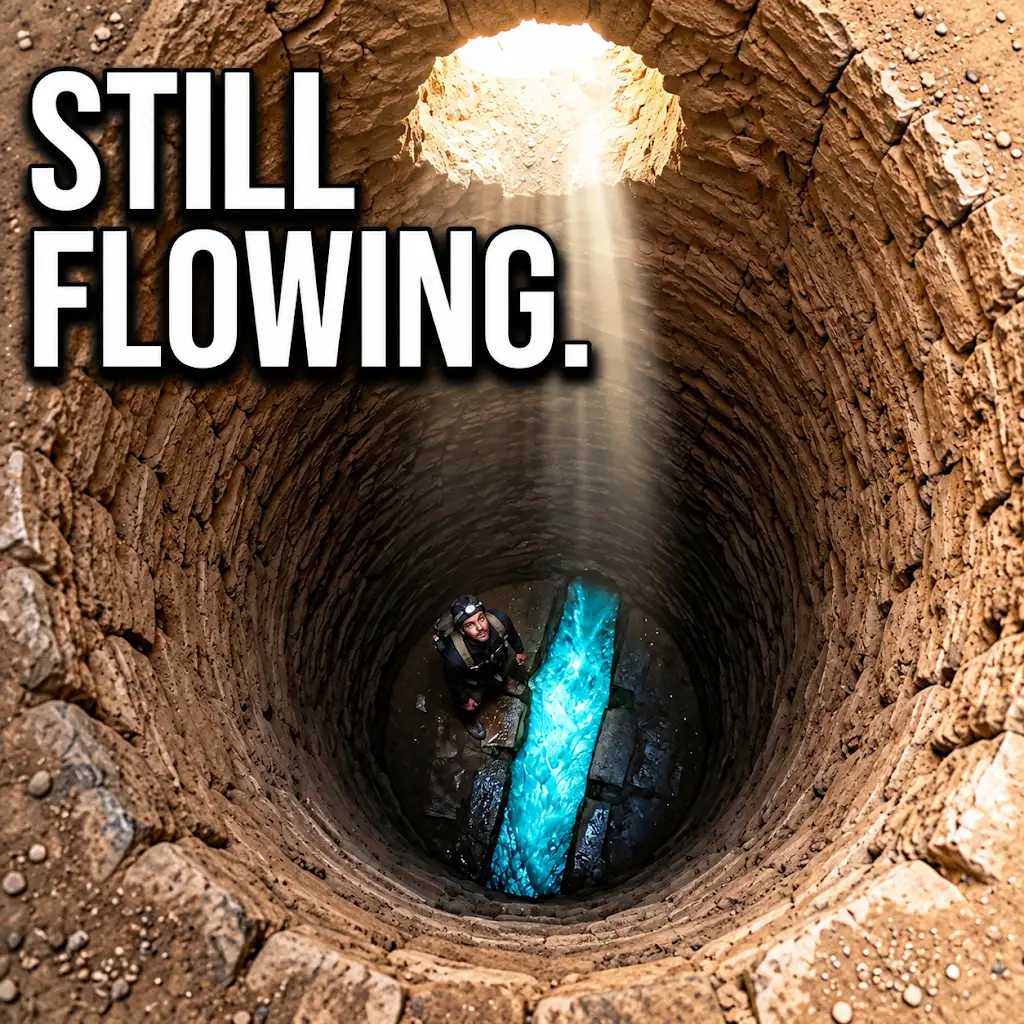
They Dug Water Tunnels Under the Desert… And They Still Flow
FAQs
1. What types of crops were grown in ancient Iranian desert agriculture?
Ancient Iranian desert agriculture focused on growing crops such as barley, wheat, dates, and various fruits like pomegranates and figs.
2. How did ancient Iranians manage to cultivate crops in desert regions?
Ancient Iranians utilized innovative irrigation techniques such as qanats (underground channels) and karez (vertical wells) to bring water to their fields, enabling successful crop cultivation in arid desert environments.
3. What role did the ancient Persian Empire play in the development of desert agriculture?
The ancient Persian Empire played a significant role in the development of desert agriculture by implementing large-scale irrigation projects, building infrastructure like aqueducts and dams, and promoting agricultural advancements through state support.
4. How did ancient Iranians adapt their agricultural practices to the desert climate?
Ancient Iranians adapted their agricultural practices to the desert climate by planting drought-resistant crops, constructing shade structures to protect plants from the sun, and strategically timing their planting and harvesting to optimize water usage.
5. What impact did ancient Iranian desert agriculture have on the region’s economy and society?
Ancient Iranian desert agriculture played a crucial role in the region’s economy and society by providing a sustainable food source, supporting trade networks through surplus production, and fostering the growth of urban centers and civilizations in arid regions.