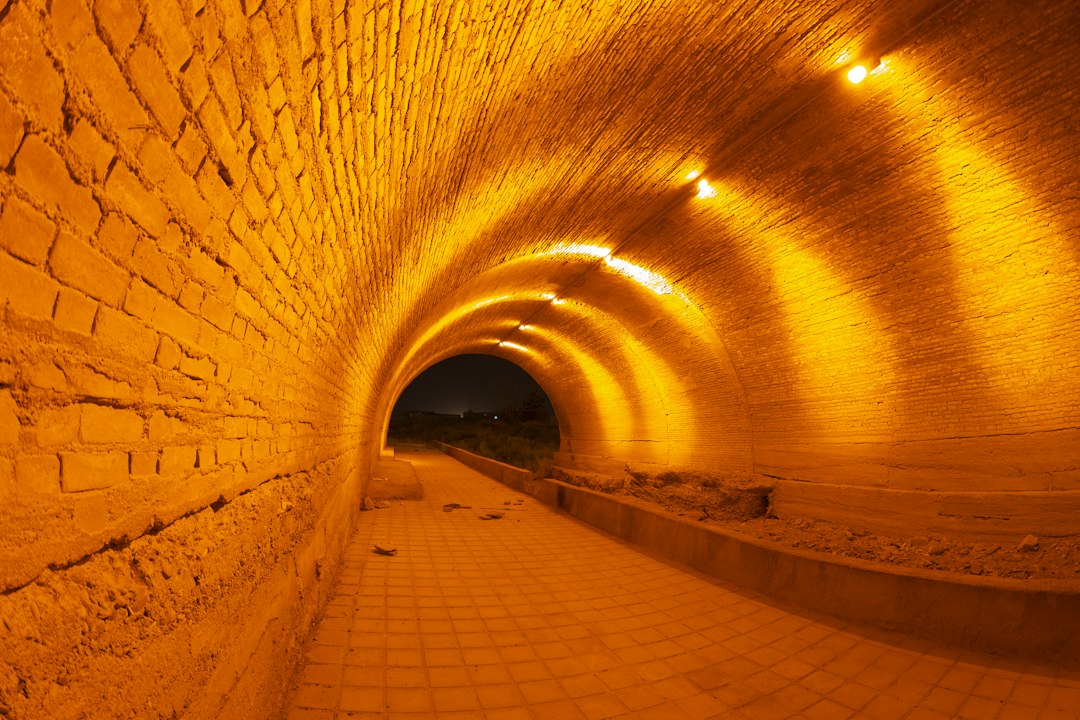
The arid landscapes of Iran, stretching across vast swathes of desert and semi-desert, have long presented a formidable challenge to human settlement and agriculture. Yet, for millennia, these seemingly inhospitable lands have supported thriving communities and sustained vibrant agricultural economies. The secret to this remarkable resilience lies in an ancient and ingenious system of underground water channels, known as qanats. These remarkable feats of engineering, predating even the Roman aqueducts, represent a sophisticated understanding of hydrology, geology, and social organization, and their legacy continues to influence water management practices in arid regions around the world. The qanat system, a testament to human ingenuity, is not merely a collection of tunnels; it is an intricate, interconnected network designed to capture, transport, and distribute precious groundwater with remarkable efficiency, transforming barren terrain into fertile oases.
The Genesis of the Qanat: A Response to Aridity
The development of the qanat system is intrinsically linked to the climatic conditions prevalent in the Iranian plateau. Characterized by low annual rainfall, high evaporation rates, and a reliance on unpredictable surface water sources, the region necessitated a reliable and sustainable method of accessing groundwater. The earliest evidence of qanat construction dates back to at least the first millennium BCE, with some scholars suggesting even earlier origins. This era, often associated with the rise of the Achaemenid Empire, saw a significant expansion and refinement of qanat technology, driven by the need to support growing populations and burgeoning agricultural endeavors.
The Geological Imperative and Hydrological Principles
The effectiveness of the qanat system hinges on a profound understanding of the local geology and hydrological principles. Qanats are constructed in regions where a permeable aquifer lies beneath an impermeable layer. The system typically begins with a mother well, strategically dug into the foothills or higher elevations of a mountain range, where groundwater is most abundant. This mother well serves as the access point to the aquifer. From this point, a gently sloping tunnel, known as the qanat itself, is excavated horizontally towards lower-lying areas, where the water is needed for irrigation or domestic use.
The gradient of the qanat is crucial. It must be steep enough to allow gravity to propel the water, but not so steep as to cause erosion or excessive water loss. This delicate balance was achieved through meticulous surveying and a deep understanding of the land’s topography. The construction process involved a series of vertical shafts, spaced at regular intervals along the qanat’s path. These shafts served multiple purposes: they provided ventilation for the workers excavating the tunnel, facilitated the removal of excavated material, and allowed for the monitoring and maintenance of the qanat’s gradient and integrity. The depth of these shafts varies, decreasing as the qanat progresses towards its destination, ensuring a consistent, albeit slow, flow of water.
Early Innovations and Precursors
While the Achaemenid period is often credited with the widespread adoption and refinement of qanats, the underlying principles may have been present in earlier, simpler forms. Evidence suggests that early Mesopotamian civilizations, facing similar arid conditions, may have experimented with rudimentary underground channels to access water. However, the scale, complexity, and systematic approach characteristic of the Iranian qanat system appear to have reached their zenith in ancient Persia. The development of sophisticated tools for excavation and the establishment of organized labor forces were essential for the construction and maintenance of these extensive underground networks. The transfer of knowledge and techniques across generations, coupled with a deep respect for water resources, laid the foundation for this enduring technology.
Underground water channels, known as qanats, have played a crucial role in Iran’s water management for centuries, showcasing the ingenuity of ancient engineering. These channels not only provide irrigation for agriculture in arid regions but also highlight the historical significance of water conservation methods in the country. For a broader perspective on environmental challenges related to water resources, you may find the article on the Maldives insightful, as it discusses the impending threats to a nation heavily reliant on its natural water systems. You can read more about it here: The Maldives: A Nation on the Brink of Collapse.
The Architecture of Water: Constructing the Qanat
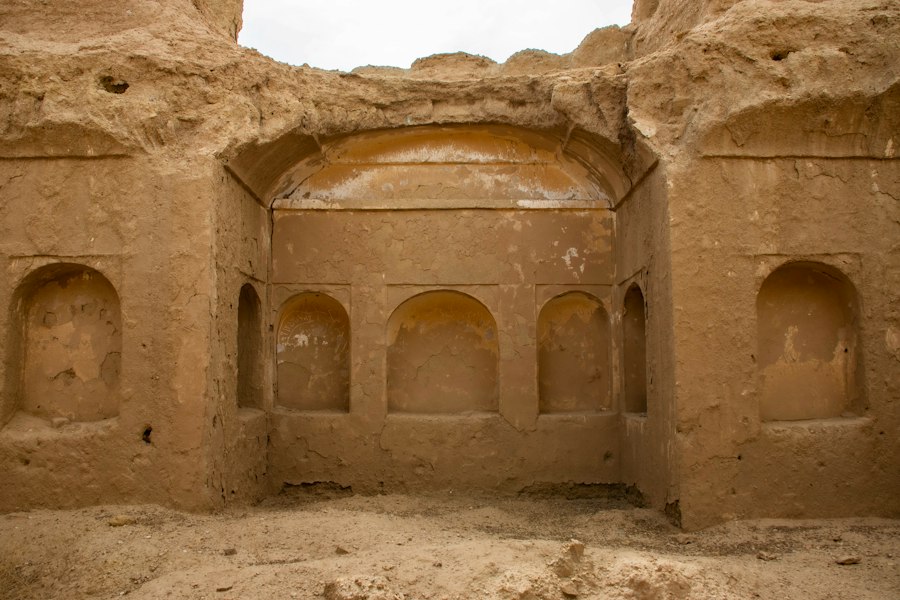
The construction of a qanat was a monumental undertaking, requiring significant planning, labor, and resources. It was a process that spanned years, sometimes even decades, and involved the coordinated efforts of specialized teams of engineers, surveyors, miners, and laborers. The success of a qanat depended on the precise execution of each stage of its construction.
Site Selection and Surveying: The Foundation of Success
The initial and perhaps most critical phase of qanat construction was site selection. Expert surveyors, often referred to as “water diviners” or “qanat masters,” would meticulously examine the terrain, identifying areas with the highest potential for groundwater. They would look for geological indicators such as specific vegetation patterns, depressions in the land, and the presence of artesian springs or seeps. The proximity of the water source to the point of use was also a key consideration, as the length of the qanat directly impacted construction costs and water loss through seepage.
Once a suitable location was identified, the surveying process began in earnest. Using simple but effective tools like plumb bobs, levels, and sighting sticks, surveyors would establish the precise gradient for the qanat tunnel. This involved carefully mapping the elevation changes along the proposed route. The accuracy of this initial survey was paramount; even a slight deviation could render the entire project unfeasible, leading to either a lack of water flow or excessive erosion and collapse.
Excavation Techniques: Tunneling Through the Earth
The excavation of the qanat tunnel was a labor-intensive and often perilous process. Teams of miners would work from both the mother well and the planned terminus of the qanat, excavating towards each other. The tunnels were typically narrow, often only wide enough for one person to work at a time, and were shored up with timber or stone to prevent collapse. The excavated earth and rock were then transported to the surface through the vertical shafts.
The construction of these vertical shafts was an integral part of the process. They were sunk at regular intervals, typically between 20 and 50 meters apart, depending on the geological conditions and the desired gradient. These shafts served not only as access points for excavation but also for ventilation, crucial for the survival of the miners working in the confined spaces. They also provided a means for regularly checking and adjusting the gradient of the tunnel. The deeper shafts near the mother well were essential for capturing water at its source, while the shallower shafts closer to the destination allowed for the gradual release of the water.
Lining and Reinforcement: Ensuring Longevity
The integrity of the qanat tunnel was paramount for its long-term functionality. Depending on the soil and rock composition, the tunnels were often lined with baked bricks, stones, or a mixture of clay and gravel to prevent collapse and minimize water seepage. In areas with unstable soil, more robust reinforcement techniques were employed, including the use of arched ceilings and buttresses. The meticulous craftsmanship involved in lining and reinforcing the qanat ensured its durability and the continuous flow of water for centuries. The selection of materials and construction methods was tailored to the specific geological challenges encountered along the qanat’s path, demonstrating a remarkable adaptive engineering approach.
The Lifeblood of Communities: Function and Distribution
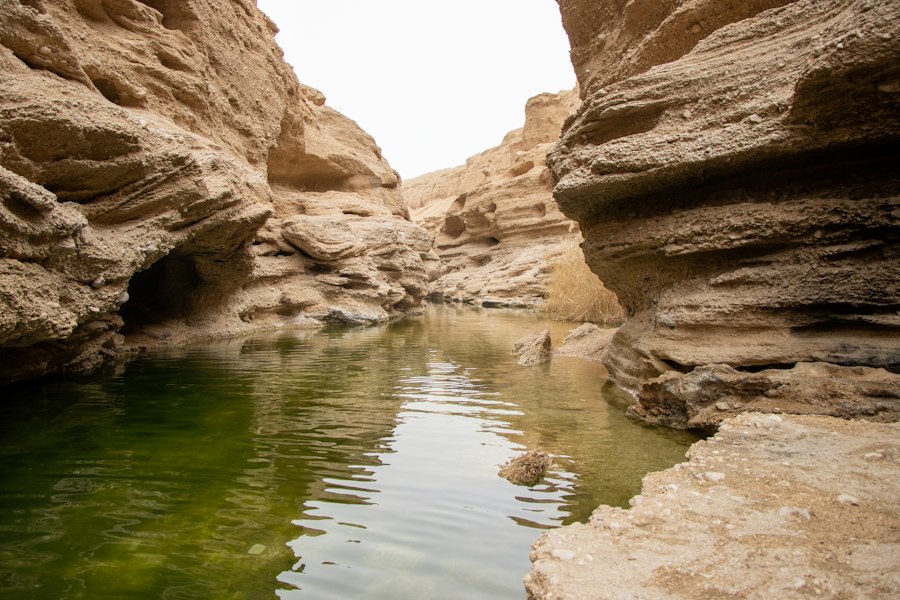
The qanat system was not merely an engineering marvel; it was the very lifeline of ancient Iranian communities. Its function extended far beyond simply delivering water; it shaped settlement patterns, supported agricultural development, and fostered a unique social structure centered around its maintenance and management.
Water Capture and Conveyance: Gravity’s Gentle Hand
The ingenious design of the qanat relies entirely on gravity for water conveyance. The gently sloping tunnel ensures that water flows continuously from the higher elevation of the mother well to the lower elevation of the distribution point. The flow rate was often modest, but consistent, providing a reliable supply of water even during prolonged dry periods. The careful construction and maintenance of the tunnel minimized water loss through seepage, ensuring that a significant portion of the captured groundwater reached its destination. The water temperature in the qanats remained consistently cool, providing a refreshing resource for both irrigation and domestic use.
Irrigation and Agriculture: Transforming Deserts into Gardens
The primary purpose of most qanats was to irrigate agricultural land. The water was typically released into a network of smaller surface channels, known as “tabar,” which distributed it to fields. This controlled irrigation allowed for the cultivation of a wide variety of crops, transforming arid plains into fertile gardens. Wheat, barley, fruits, and vegetables were all grown thanks to the qanats. The sustainable use of groundwater meant that agriculture could thrive without depleting surface water sources, which were often unreliable and prone to drought. The qanats enabled a level of agricultural productivity that was otherwise impossible in the region.
Domestic Use and Urban Life: Sustaining Settlements
Beyond agriculture, qanats also provided essential water for domestic consumption in villages and towns. The cool, clean water was channeled into public fountains, cisterns, and private homes, supporting the daily lives of the inhabitants. The presence of a reliable water supply was a major factor in the establishment and growth of settlements. In many instances, towns and cities grew around the availability of water from strategically located qanats. The system also contributed to public health by providing a cleaner and more consistent water source compared to often contaminated surface water.
The Social Fabric: Management and Maintenance
The success and longevity of the qanat system were intrinsically tied to its social organization. The construction, maintenance, and equitable distribution of water required a strong sense of community, clear rules, and a well-defined system of governance.
Collective Responsibility and Governance
Qanat construction and maintenance were often undertaken by a collective of landowners or villagers who shared ownership of the water rights. This collective responsibility ensured that the essential tasks of clearing silt, repairing breaches, and excavating new shafts were consistently carried out. A formal system of governance, often overseen by a qanat master or a council of elders, was responsible for allocating water rights, resolving disputes, and ensuring that each stakeholder received their fair share. This decentralized model of water management fostered a sense of ownership and cooperation among the users.
Water Rights and Equitable Distribution
The concept of water rights was deeply ingrained in the culture surrounding qanats. These rights were typically based on the proximity of land to a qanat or the amount of labor contributed to its construction and upkeep. A complex system of scheduling and measurement was employed to ensure the equitable distribution of water among the users. This might involve allocating water for specific periods of time or measuring the volume of water delivered. The emphasis on fairness and sustainability prevented the over-exploitation of this precious resource and ensured its availability for future generations.
The Role of the “Moeen” and Specialized Labor
Within the qanat system, specialized roles emerged. The “Moeen,” often a hereditary position, was responsible for surveying, overseeing construction, and managing the water distribution. These individuals possessed invaluable knowledge passed down through generations. Skilled laborers, including miners and masons, were essential for the physical construction and ongoing repairs. The symbiotic relationship between these skilled individuals and the community ensured the continuous operation of the qanats.
Recent studies have shed light on the intricate underground water channels in Iran, known as qanats, which have played a crucial role in the region’s agriculture and water management for centuries. These ancient systems not only showcase the ingenuity of early engineering but also highlight the ongoing challenges of water scarcity in arid regions. For a broader perspective on how global shifts in industry and resource management are influencing various regions, you might find this article on companies relocating from China to Mexico particularly insightful. It discusses the implications of such movements on local economies and resource utilization, which can be related to the challenges faced by regions like Iran. You can read more about it here.
The Legacy of Ingenuity: Enduring Relevance
| Metric | Description | Value/Estimate | Unit |
|---|---|---|---|
| Number of Qanats | Traditional underground water channels in Iran | 30,000 | Channels |
| Average Length of Qanat | Typical length of a qanat channel | 5,000 | meters |
| Total Length of Qanats | Combined length of all qanats in Iran | 150,000 | kilometers |
| Water Discharge Rate | Average water flow from qanats | 20-30 | liters/second |
| Year of Origin | Approximate time qanats were first developed | 1000 BCE | Year |
| Regions with Highest Density | Provinces in Iran with most qanats | Kerman, Yazd, Fars | Regions |
| Current Usage | Percentage of qanats still in use today | 30% | Percent |
Though many qanats have fallen into disuse due to the advent of modern pumping technologies and changing agricultural practices, their legacy endures. They stand as a testament to the ingenuity of ancient peoples and continue to offer valuable lessons for contemporary water management challenges.
Decline and Modern Alternatives
The rise of electric and diesel pumps in the 20th century offered a more immediate and seemingly efficient way to access groundwater. This led to the gradual decline of many qanats, as their labor-intensive maintenance became less attractive. However, the unbridled use of modern pumping technologies has also led to significant groundwater depletion and land subsidence in many regions, highlighting the inherent sustainability of the qanat system. The manual nature of qanat operation inherently limited the rate of water extraction, fostering a more balanced approach to groundwater use.
Revival and Adaptation: Lessons for the Future
In recent years, there has been a growing recognition of the importance and sustainability of qanat systems. Efforts are underway in Iran and other arid regions to revive and restore dormant qanats, recognizing their potential as a low-energy, environmentally friendly source of water. The principles of qanat construction and management offer valuable insights for developing sustainable water management strategies in arid and semi-arid regions globally. Their emphasis on community involvement, equitable distribution, and a deep respect for water resources remains highly relevant in the face of growing water scarcity. The qanat system, a product of ancient wisdom, continues to inspire solutions for modern challenges, reminding us that sometimes, the most effective innovations are rooted in the wisdom of the past. The lessons learned from these ancient waterways are not merely historical curiosities; they are practical blueprints for a more sustainable future.
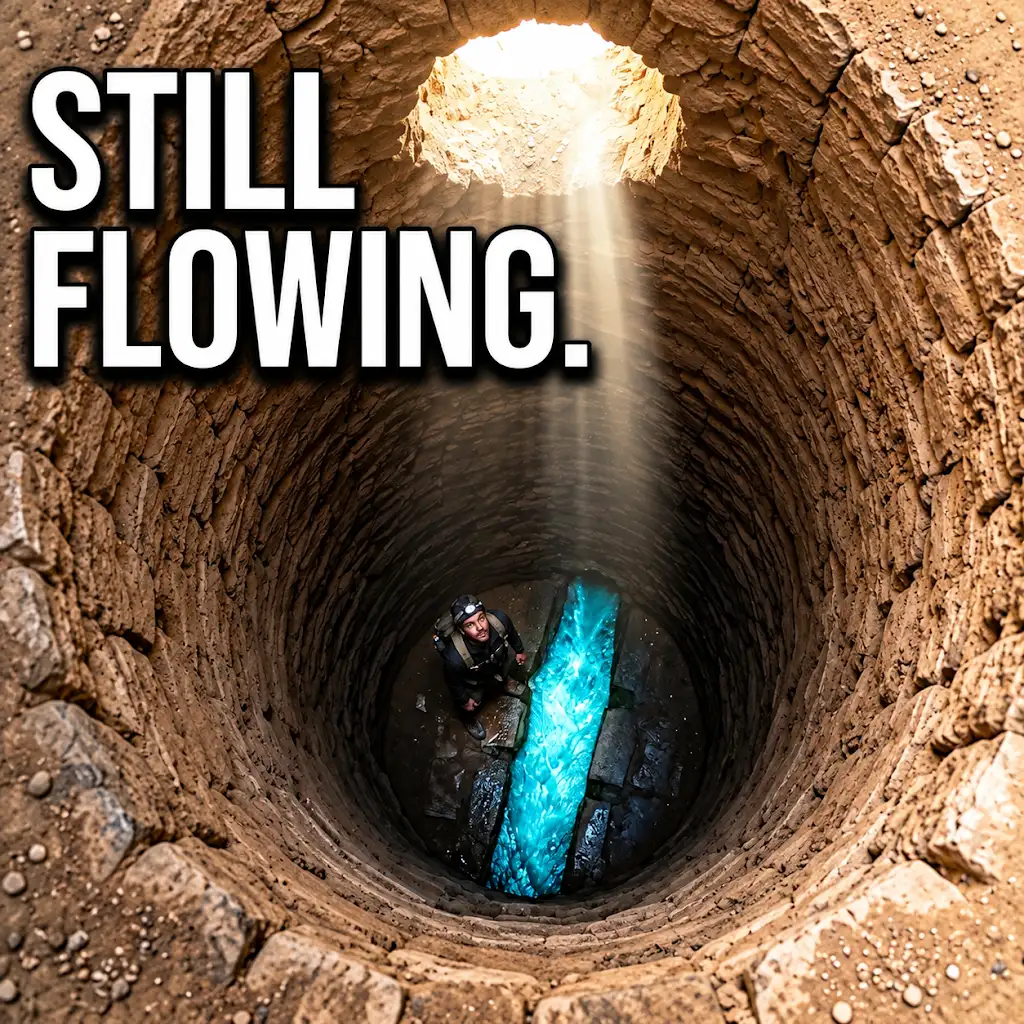
They Dug Water Tunnels Under the Desert… And They Still Flow
FAQs
What are underground water channels in Iran?
Underground water channels in Iran, known as qanats, are a traditional system of water supply that dates back over 3,000 years. These channels are underground tunnels that tap into groundwater sources and transport water over long distances to supply agricultural and urban areas.
How do underground water channels work in Iran?
Qanats work by using gravity to bring water from underground sources to the surface. A series of vertical shafts are dug to access the water table, and then a gently sloping tunnel is excavated to carry the water to where it is needed. The system relies on the natural slope of the land to move the water without the need for pumps.
What is the significance of underground water channels in Iran?
Qanats have played a crucial role in the development of agriculture and settlement in arid regions of Iran. They have enabled communities to access water for irrigation, drinking, and domestic use, allowing for the cultivation of crops and the establishment of permanent settlements in areas where water is scarce.
How are underground water channels maintained in Iran?
Maintaining qanats requires regular cleaning, repair, and desilting to ensure the smooth flow of water. Communities traditionally have systems in place for collective maintenance, with skilled workers known as mirab responsible for overseeing the upkeep of the channels.
Are underground water channels still in use in Iran today?
Yes, qanats are still in use in Iran today, particularly in rural areas where they continue to provide a reliable source of water for agriculture and daily needs. While modern technologies have supplemented water supply systems, qanats remain an important part of Iran’s water infrastructure and cultural heritage.