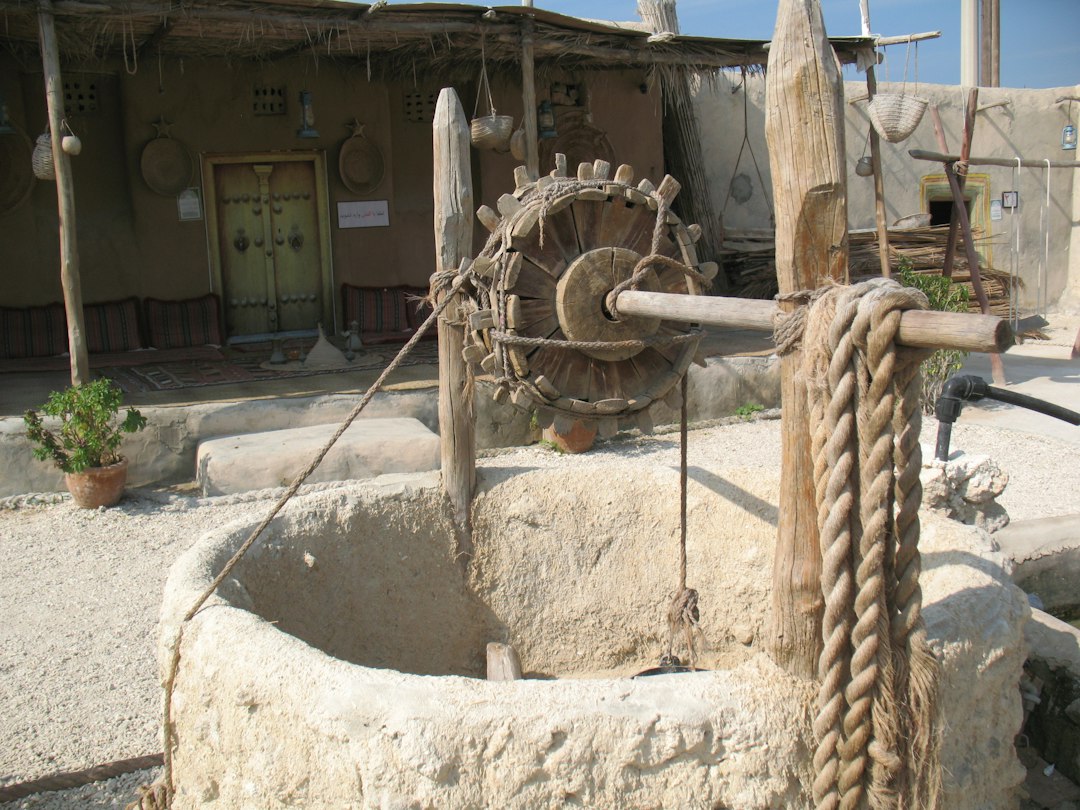
The stark beauty of the desert, a landscape often perceived as barren and unforgiving, belies a profound history of human ingenuity. For millennia, civilizations have not merely survived in these arid regions but have thrived, their prosperity inextricably linked to their mastery of water. Ancient irrigation technologies, born out of necessity and a deep understanding of their environment, represent some of the most remarkable feats of engineering and resourcefulness in human history. These innovations, developed in diverse desert cultures across the globe, not only sustained life and agriculture but also laid the groundwork for complex societies, urban development, and the very trajectory of civilization itself. From the fertile crescent to the dry valleys of the Americas, the story of desert irrigation is a testament to the enduring power of human adaptation and the relentless pursuit of life-giving water.
The Genesis of Arid Agriculture
The story of irrigation in desert environments begins with a fundamental challenge: the scarcity of water. Unlike societies situated near abundant rainfall, desert dwellers faced the constant threat of drought and the need to harness every drop of moisture available. This necessity fostered a deep observational understanding of the natural world, leading to the development of techniques that captured, stored, and distributed water efficiently. Early forms of irrigation were often simple, relying on the natural flow of rivers and seasonal rains, but over time, these rudimentary methods evolved into sophisticated systems that could transform arid lands into productive oases.
Early Water Harvesting and Divergence
The earliest attempts at irrigation in arid regions focused on capturing ephemeral water sources. This often involved the construction of simple dams or weirs across wadis (dry riverbeds) to trap flash floodwaters. These captured waters could then be channeled to nearby fields. Another common technique was divergence, where channels were dug to divert water from perennial rivers, such as the Tigris and Euphrates in Mesopotamia or the Nile in Egypt, to irrigate adjacent land. These early systems, while often requiring significant manual labor for construction and maintenance, were crucial for enabling the cultivation of crops beyond the immediate riverbanks, supporting a growing population and facilitating the emergence of settled agricultural communities. The success of these early endeavors provided the impetus for further innovation, as societies recognized the potential of controlled water management to secure their food supply and foster economic growth.
The Role of Observation and Environment
A key factor in the success of ancient desert irrigation was the intimate relationship between its practitioners and their environment. Generations of observation allowed communities to understand the subtle cues of their surroundings: the patterns of rainfall, the behavior of groundwater, and the topography of the land. This knowledge was not merely empirical; it was often interwoven with cultural beliefs and traditions, reinforcing a sense of responsibility towards water resources. The design of irrigation systems frequently reflected a deep respect for the natural contours of the land, utilizing gravity to move water with minimal effort. This understanding also extended to the selection of crops, with drought-resistant varieties being favored and techniques developed to conserve soil moisture, such as mulching with straw or dried vegetation. The interplay of careful observation, practical application, and environmental awareness formed the bedrock upon which these transformative technologies were built.
Ancient irrigation technology played a crucial role in transforming arid landscapes into fertile agricultural zones, allowing civilizations to thrive in desert environments. For a deeper understanding of how these innovations shaped societies and their economies, you can explore the article on the complexities of modern trade dynamics, which, while focused on contemporary issues, draws parallels to how resource management has historically influenced trade relationships. To read more, visit this article.
Mesopotamian Marvels: The Cradle of Civilization and Water Management
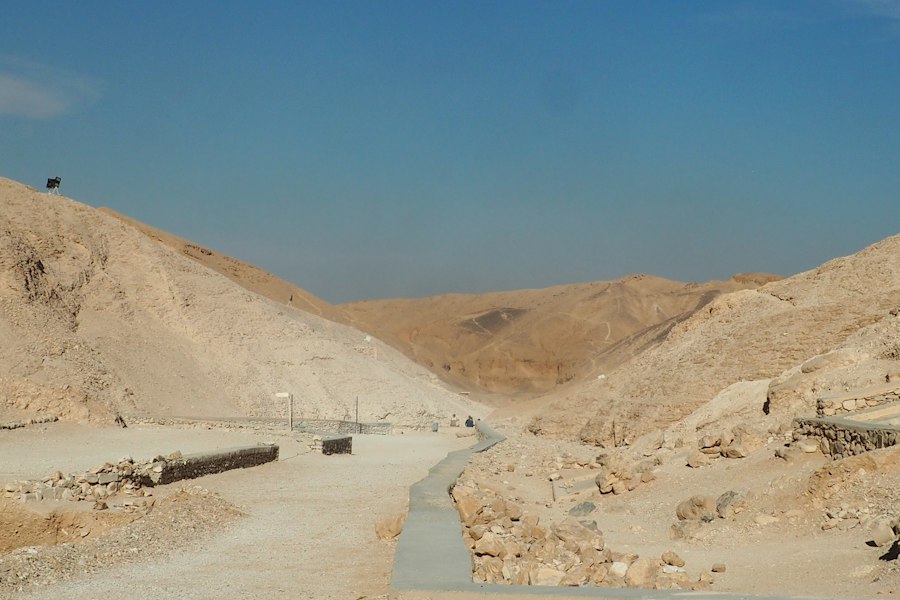
Mesopotamia, often called the “cradle of civilization,” owed its remarkable development in large part to its pioneering irrigation systems. Situated between the Tigris and Euphrates rivers, this region presented a classic arid environment where agriculture was impossible without human intervention. The ancient Sumerians, Babylonians, and Assyrians developed elaborate networks of canals, reservoirs, and dikes that transformed the Mesopotamian plains into fertile expanses capable of supporting large populations and fostering the growth of city-states. Their innovations not only enabled agriculture but also laid the foundations for complex social organization, governance, and technological advancement.
The Euphrates and Tigris: Lifelines of Antiquity
The Tigris and Euphrates rivers, with their unpredictable flood cycles, presented both a challenge and an opportunity for the Mesopotamians. Early irrigation likely involved simple diversion channels to capture floodwaters. However, as their civilization grew, so did the ambition and sophistication of their water management. They constructed extensive canal systems, some of which stretched for miles, to transport water from the rivers to fields far beyond their immediate banks. These canals were not merely ditches; they were engineered structures, often lined with brick or bitumen to prevent seepage, and equipped with sluice gates to control water flow. The construction and maintenance of these vast networks required a coordinated labor force and a centralized authority capable of planning, organizing, and resolving disputes over water allocation – early signs of sophisticated governance.
Reservoirs and Water Storage: Taming the Floods
Beyond canal networks, Mesopotamian engineers also recognized the importance of water storage. They built large reservoirs, often by excavating depressions in the land or by constructing earthen dams, to capture and hold water for use during drier periods. These reservoirs helped to mitigate the impact of fluctuating river levels and provided a more reliable water supply for irrigation. The ability to store water was crucial for ensuring a consistent harvest and for supporting populations during times of drought. The scale of these reservoirs, some capable of holding vast quantities of water, speaks to the engineering prowess and foresight of these ancient peoples. Their efforts to tame the floods and harness the rivers represent a monumental achievement in resource management that enabled the flourishing of one of the world’s earliest complex societies.
The Social and Political Implications of Irrigation
The development of large-scale irrigation in Mesopotamia had profound social and political consequences. The construction and maintenance of these complex systems required significant labor and coordination, leading to the rise of specialized roles and a more stratified society. Control over water resources became a source of power, and irrigation management often fell under the purview of rulers and religious institutions. Disputes over water allocation were common and likely led to the development of early legal codes and administrative structures to resolve them. The success of Mesopotamian agriculture, fueled by irrigation, supported a dense population, leading to the growth of cities, the development of trade, and the emergence of sophisticated administrative systems. In essence, the mastery of water in Mesopotamia was not just an agricultural feat; it was a catalyst for the very formation of civilization as we understand it.
Egyptian Ingenuity: The Nile’s Gift and Arid Resilience
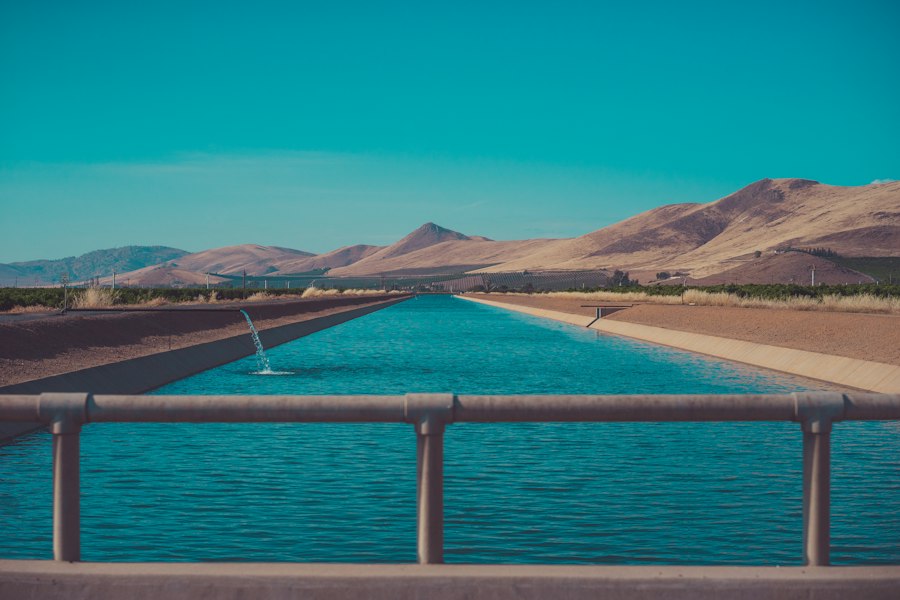
Ancient Egypt, a civilization that blossomed along the banks of the Nile River, provides another compelling example of how a desert society could harness water to achieve extraordinary success. While the Nile itself provided a predictable annual flood, the Egyptians developed ingenious methods to maximize its benefits and extend its reach, transforming a narrow strip of fertile land into a breadbasket for a vast empire. Their understanding of the Nile’s rhythm, combined with sophisticated engineering, allowed them to cultivate land far beyond the immediate floodplain, supporting a population that built monumental architecture and developed a rich cultural heritage.
The Annual Inundation: Nature’s Irrigation System
The lifeblood of ancient Egypt was the annual inundation of the Nile. For much of the year, the surrounding landscape was arid, but the summer monsoon rains in Ethiopia caused the Nile to swell, depositing nutrient-rich silt onto the floodplain. The Egyptians learned to work with this natural rhythm, timing their planting and harvesting to coincide with the receding waters. However, they did not merely rely on nature’s bounty; they actively managed it. They built dikes and levees to control the spread of the floodwaters, channeling them to irrigate specific areas and preventing damage to settlements. This symbiotic relationship with the Nile’s flood was the foundation of Egyptian agriculture and a testament to their keen observation of natural cycles.
Basin Irrigation: Maximizing Floodplain Fertility
A key irrigation technique employed by the ancient Egyptians was basin irrigation. They divided the floodplain into a series of basins, or enclosures, separated by earthen dikes. During the inundation, water was allowed to flow into these basins, where it would remain for several weeks, saturating the soil and depositing silt. Once the water was drained, the land was ready for planting. This method was highly effective in utilizing the fertile silt deposited by the flood and ensured that the land received adequate moisture for crop growth. The construction and maintenance of these basins, particularly in areas further from the main river channel, required considerable organizational effort and labor, reflecting the importance of water management in Egyptian society.
Shadufs and Sakias: Lifting Water to New Heights
As Egyptian civilization expanded and sought to cultivate land beyond the immediate floodplain, they developed technologies to lift water. The shaduf, a simple lever mechanism with a counterweight, allowed laborers to lift water from the Nile or from irrigation canals to higher ground for distribution to fields. Later, the sakia, a water wheel powered by oxen or humans, became a more efficient method for lifting larger quantities of water. These devices were crucial for extending the reach of irrigation and for increasing the cultivable land area, allowing for the sustained growth of the Egyptian population and the support of its monumental building projects. The development of these water-lifting devices marked a significant step in the control and expansion of agricultural potential in arid lands.
Desert Civilizations of the Americas: Adapting to Diverse Arid Climates
The arid regions of the Americas, from the southwestern United States to the highlands of Peru, also witnessed the development of remarkable ancient irrigation technologies. These civilizations, including the Hohokam, Anasazi (Ancestral Puebloans), and the Inca, faced unique challenges posed by their respective environments, from the sparse rainfall of the Sonoran Desert to the steep, mountainous terrain of the Andes. Their innovations, though diverse in form, all reflect a profound understanding of water scarcity and a persistent drive to sustain agriculture in the face of extreme aridity.
The Hohokam: Masters of Desert Canal Systems
In the Sonoran Desert of present-day Arizona, the Hohokam people constructed an extensive and sophisticated network of irrigation canals, some of which are still visible today. These canals, carved out of the desert floor, diverted water from the Salt and Gila rivers to irrigate vast tracts of land. The scale of these systems, stretching for miles and requiring significant engineering expertise to maintain a gentle gradient for water flow, is astonishing. The Hohokam also developed water-harvesting techniques, utilizing check dams and reservoirs to capture rainfall and runoff. Their ability to transform the arid desert into a productive agricultural landscape allowed for the growth of large settlements and a complex society.
The Anasazi (Ancestral Puebloans): Terraces and Water Harvesting
Further north, the Anasazi, ancestors of modern Pueblo peoples, developed ingenious methods to manage water in the arid Four Corners region. They employed terraced fields, built into hillsides, to slow down and capture rainwater and runoff, preventing soil erosion and allowing the soil to absorb moisture. They also constructed small dams and check dams in ephemeral streams to retain water. In more arid areas, they relied on careful water conservation techniques and the cultivation of drought-resistant crops like corn, beans, and squash. Their architectural innovations, such as the construction of pueblos with intricate water management features, further demonstrate their adaptation to water scarcity.
The Inca: Engineering in the High Andes
The Inca Empire, renowned for its vast territorial control and sophisticated administration, also mastered irrigation in the challenging Andean environment. In the dry coastal regions of Peru, they built extensive canal systems to divert water from rivers flowing from the mountains. High in the Andes, they developed intricate systems of terraces, known as andenes, which not only provided arable land on steep slopes but also served as a form of water management, capturing and channeling rainwater. The Inca also constructed sophisticated aqueducts, some of which are still functional today, to transport water over long distances, often across rugged terrain. Their understanding of gravity, hydraulics, and precise construction allowed them to irrigate vast agricultural areas, supporting a large population and the expansion of their empire. The Inca’s achievements in water management underscore the universal ingenuity of desert-adapted peoples in overcoming environmental limitations.
Ancient irrigation technology played a crucial role in transforming arid landscapes into fertile lands, enabling civilizations to thrive in desert regions. The innovative methods developed by early societies not only improved agricultural productivity but also laid the groundwork for future advancements in water management. For a deeper understanding of how historical innovations have shaped societies, you might find this article on the Civil War insightful, as it explores the intricate connections between technology and societal development. You can read more about it here.
The Legacy of Desert Irrigation: Enduring Lessons for Today
| Ancient Civilization | Irrigation Technology | Location | Time Period | Key Features | Impact on Desert Agriculture |
|---|---|---|---|---|---|
| Mesopotamia | Canal Irrigation | Tigris-Euphrates Valley | 3000 BCE – 500 BCE | Network of canals and dikes diverting river water | Enabled large-scale farming in arid floodplains |
| Ancient Egypt | Nilometer and Basin Irrigation | Nile River Valley | 3100 BCE – 30 BCE | Seasonal flooding management and basin irrigation | Supported crop cycles in desert surroundings |
| Persian Empire | Qanat System | Iranian Plateau | 1000 BCE – 700 CE | Underground tunnels to transport groundwater | Provided reliable water supply in arid regions |
| Ancient India | Stepwells and Reservoirs | Thar Desert | 600 BCE – 1200 CE | Stepwells for water storage and rainwater harvesting | Enhanced water availability during dry seasons |
| Ancient China | Dujiangyan Irrigation System | Sichuan Basin | 256 BCE | Diverted river water without dams for flood control | Improved irrigation in semi-arid regions |
The ancient irrigation technologies developed in desert environments are more than just historical curiosities; they offer a rich legacy of lessons and inspiration for contemporary challenges, particularly in the face of increasing water scarcity and climate change. These innovations, born out of necessity and a profound understanding of natural systems, demonstrate the power of human ingenuity in transforming seemingly inhospitable landscapes into cradles of civilization. Their enduring relevance lies not only in their engineering brilliance but also in the underlying principles of resourcefulness, adaptation, and respect for water that guided their creation.
Engineering Principles and Sustainable Practices
The engineering principles embedded in ancient desert irrigation systems – gravity flow, water storage, soil conservation, and efficient distribution – remain fundamental to modern water management. The careful selection of sites, the understanding of topography, and the construction of durable, yet often simple, structures all speak to a pragmatic and effective approach. Furthermore, the sustainability inherent in many of these ancient practices, where water was used judiciously and systems were often maintained through community effort, offers a valuable contrast to some of the more resource-intensive approaches of the modern era. Learning from these historical precedents can inform the design of more resilient and environmentally sound water infrastructure.
The Importance of Local Knowledge and Adaptation
A crucial takeaway from the study of ancient desert irrigation is the immense value of local knowledge and adaptation. These technologies were not imposed from without but were developed organically over generations, deeply embedded in the specific environmental and cultural contexts of each society. This highlights the importance of understanding and respecting the unique characteristics of arid regions and of involving local communities in the design and implementation of water management solutions. The best innovations are often those that are tailored to the specific needs and resources of a place, rather than attempting to apply generic solutions.
Water Conservation and Resourcefulness in a Changing Climate
In an era defined by growing water stress and the unpredictable impacts of climate change, the resourcefulness of ancient desert dwellers is more relevant than ever. Their ability to maximize the use of every available drop, to develop techniques for storing and conserving water, and to adapt their agricultural practices to fluctuating conditions provides invaluable insights. The ancient irrigation technologies served not only to sustain life but to foster thriving societies, proving that ingenuity and careful stewardship of water can overcome even the most daunting environmental challenges. Their legacy encourages a renewed focus on water conservation, efficient use, and innovative solutions for a water-secure future.

They Dug Water Tunnels Under the Desert… And They Still Flow
FAQs
What is ancient irrigation technology in the desert?
Ancient irrigation technology in the desert refers to the various methods and systems used by ancient civilizations to bring water to arid regions for agriculture and other purposes.
What are some examples of ancient irrigation technology used in desert regions?
Examples of ancient irrigation technology in desert regions include qanats, which are underground tunnels used to transport water over long distances, and terraced farming, which involves creating steps on hillsides to capture and retain water for crops.
How did ancient civilizations benefit from using irrigation technology in desert areas?
Ancient civilizations benefited from using irrigation technology in desert areas by being able to cultivate crops, support larger populations, and establish thriving settlements in regions that would otherwise be uninhabitable due to lack of water.
What challenges did ancient civilizations face when implementing irrigation technology in desert environments?
Ancient civilizations faced challenges such as water scarcity, evaporation of water in the hot desert climate, maintenance of irrigation systems, and potential conflicts over water rights when implementing irrigation technology in desert environments.
What is the significance of studying ancient irrigation technology in desert regions today?
Studying ancient irrigation technology in desert regions today provides insights into how past societies adapted to challenging environments, offers lessons for sustainable water management practices, and highlights the ingenuity of ancient engineering solutions that are still relevant in modern times.