
The Enduring Legacy of Ancient Waters: A Deep Dive into Prehistoric Fishing
The gentle lapping of waves against a reed-lined shore, the glint of sun on a smooth stone tool, the shared anticipation of a community gathered by the water’s edge – these are the sensory echoes of ancient lake fishing. Long before the advent of modern trawlers and sophisticated sonar, humankind developed ingenious and remarkably effective methods to coax sustenance from the freshwater depths. These timeless techniques, honed over millennia, not only provided vital food sources but also shaped the social structures, technological advancements, and cultural narratives of early human societies. Examining these ancient practices offers a profound glimpse into the resourcefulness and adaptability of our ancestors, revealing a deep and abiding connection with the aquatic environments that sustained them. The lakes, often cradles of early civilization, served as natural larder, their waters teeming with life that was carefully and skillfully harvested. This article will explore the diverse array of tools, strategies, and environmental considerations that characterized ancient lake fishing, demonstrating how these methods, though seemingly rudimentary, represented sophisticated solutions to the challenges of survival.
Ancient lake fishing methods have long fascinated historians and archaeologists, revealing the intricate techniques employed by early civilizations to sustain their communities. For those interested in exploring how ancient mariners navigated waterways and the significance of these skills in fishing practices, a related article can provide valuable insights. You can read more about this topic in the article titled “Navigating the Seas: Ancient Mariners and Their Lost Wayfinding Techniques” found at this link.
Ingenuity in the Toolkit: The Evolution of Fishing Gear

The most tangible evidence of ancient fishing practices lies in the remarkable array of tools unearthed by archaeologists. These implements, crafted from readily available natural materials, speak volumes about the ingenuity and observational skills of early peoples. From the simplest sharpened sticks to more complex bone and stone constructions, each tool was meticulously designed for a specific purpose, reflecting an intimate understanding of fish behavior and the aquatic environment. The development of these tools was not a static process; rather, it was a continuous evolution driven by necessity and accumulated knowledge, passed down through generations. The materials used, the designs employed, and the sheer variety of implements found at ancient lake sites underscore the central role fishing played in the lives of these communities.
Spear Fishing: The Direct Confrontation
Spear fishing was likely one of the earliest and most direct methods employed by ancient peoples. The fundamental principle involved a sharpened projectile, propelled by hand or with the aid of a throwing stick, designed to pierce and capture fish. The effectiveness of this technique depended heavily on the fisher’s ability to accurately judge distance, the speed and trajectory of the fish, and the clarity of the water. Numerous variations existed, utilizing different types of wood, bone, or antler for the spearhead. Some spears were simple, single-pointed shafts, while others featured multiple prongs, increasing the chances of a successful strike. The development of harpoons, with their barbed or detachable heads, represented a significant advancement, ensuring that a hooked fish was less likely to escape. Archaeological finds of spear points made from flint, bone, and obsidian at lake sites provide concrete evidence of this widespread practice.
The Evolution of the Spearhead: From Stone to Bone
The earliest spear points were likely fashioned from sharpened wood, a material that, while readily available, has not often survived the ravages of time. The transition to more durable materials like stone marked a crucial development. Flint knapping, a sophisticated art in itself, allowed for the creation of sharp, efficient points that could be hafted onto wooden shafts. These stone points ranged from simple leaf-shaped blades to more elaborate barbed designs. Bone and antler also became popular materials, offering a good balance of strength and flexibility, and often allowing for more intricate shaping, such as the creation of multiple tines on a single spearhead. The presence of these different materials and designs reflects regional variations in resource availability and evolving technological capabilities.
Hooks and Lines: The Subtle Art of the Enticement
The invention of the hook and line represented a significant leap forward in fishing technology, allowing for passive capture rather than active pursuit. This method relied on attracting fish with bait and then ensnaring them with a sharp, curved implement. The earliest hooks were likely made from bone, shell, or thorns, shaped into a curve and often sharpened at the point. The development of gorge hooks, small, straight pieces of bone or wood pointed at both ends and tied to a line in the middle, also offered an effective means of capture. When swallowed by a fish, the gorge hook would lodge crosswise in its throat. The lines themselves were typically made from plant fibers, such as flax or nettle, twisted together to form a strong cord. Evidence of hooks, made from bone and shell, and impressions of twisted fibers in hardened clay have been found at numerous ancient lake settlements, attesting to the widespread use of this technique.
The Enigma of Early Lines: Fibers and Form
The construction of fishing lines from plant fibers is a testament to the deep ecological knowledge of ancient peoples. They understood which plants yielded strong, pliable fibers and how to process them through techniques like retting and twisting. The process of creating strong cordage from these natural materials was a complex skill that required practice and precision. While the lines themselves are rarely preserved, the discovery of specialized tools, such as awls and needles used for preparing fibers, and impressions in sediment or clay, hint at the importance of this craft. The diameter and strength of these lines would have varied depending on the target species and the envisioned fishing scenario, from delicate lines for small fish to robust cords for larger catches.
Nets and Traps: The Power of the Collective Effort
Perhaps the most efficient methods for capturing larger quantities of fish involved the use of nets and traps. These techniques often required collaborative effort and a sophisticated understanding of fish migration patterns and behavior. Nets, woven from plant fibers or animal sinew, could be deployed in various ways, from simple hand nets for scooping fish from shallow waters to large seines that could be dragged across the lakebed. The size of the mesh was crucial, allowing smaller fish to escape while retaining the desired catch. Traps, constructed from wood, reeds, or stones, were designed to funnel fish into a confined space from which they could not escape. Weir traps, essentially underwater fences built across rivers or narrow lake channels, were particularly effective at channeling fish into enclosed areas during their seasonal movements. The discovery of net sinkers, carved stones with holes for attaching to nets, and the remnants of wooden trap structures at lake sites strongly suggest the widespread use of these communal fishing strategies.
The Architectural Marvels of Fish Weirs
Fish weirs represent a remarkable feat of ancient engineering, demonstrating an understanding of hydrology and animal behavior. These structures, often built by communities working in concert, could span considerable distances across rivers or narrow lake entrances. Typically constructed from interlocked branches, reeds, stones, or a combination thereof, they created V-shaped or funnel-like barriers designed to guide migrating fish into a catching pool or an area where they could be easily netted or speared. The seasonal construction and maintenance of weirs suggest a predictable understanding of fish runs and spawning cycles. The sheer scale and complexity of some excavated weir systems are a testament to the organizational capabilities and shared purpose of these ancient fishing communities.
Mastering the Environment: Strategies for Success
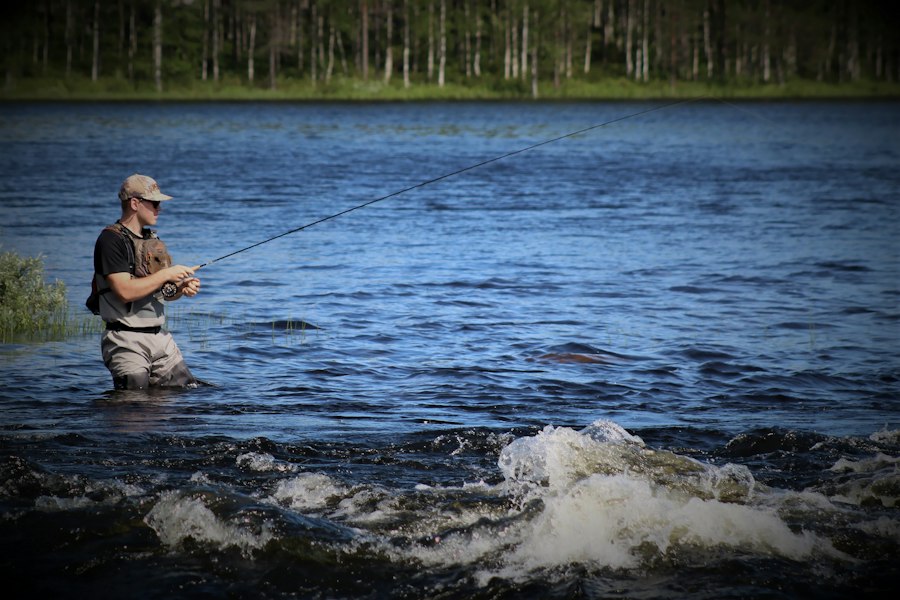
Beyond the tools themselves, the success of ancient lake fishing hinged on a profound understanding of the aquatic environment and the behavior of its inhabitants. Early anglers were not simply passive users of resources; they were active observers and manipulators of their surroundings. Their strategies were dictated by the seasons, the lunar cycles, the weather, and the specific characteristics of the lake itself. This deep ecological knowledge, passed down through generations, allowed them to predict fish movements, identify prime fishing grounds, and adapt their methods to changing conditions.
Seasonal Rhythms and Fish Migrations: The Pulse of the Lake
Ancient fishers were intimately attuned to the seasonal rhythms of their environment, understanding that fish populations fluctuated and migrated throughout the year. During spawning seasons, certain species would congregate in specific areas, making them vulnerable to capture. Ice fishing, for example, would have been a vital technique during winter months when lakes froze over, allowing access to fish that had gathered in deeper, warmer waters. The knowledge of when and where to find fish was as critical as the tools used to catch them. This understanding of seasonal patterns allowed for efficient resource management and ensured a more consistent food supply throughout the year.
Ice Fishing: A Winter’s Bounty
When lakes froze, a new set of challenges and opportunities emerged. Ancient peoples developed innovative techniques for ice fishing. This likely involved cutting holes through the ice using sharpened stones or bone tools and then employing lines with hooks or bait, or even using small hand nets. The stillness of the winter environment might have made fish more cautious, requiring different baiting strategies or more subtle approaches. The ability to fish through ice demonstrates a remarkable adaptability and a willingness to exploit all available resources, even in the harshest conditions.
Navigating the Depths: Boats and Watercraft
To access deeper waters and more productive fishing grounds, ancient peoples developed various forms of watercraft. dugout canoes, crafted from hollowed-out tree trunks, were common, offering a stable platform for spearing, netting, or setting lines. Coracles, small, lightweight boats made from animal skins stretched over a wooden frame, may also have been used, particularly for more agile maneuvering in shallower areas. The development of these watercraft extended the reach of the fisher, allowing them to exploit the full potential of their lake environments. The presence of boat remains or tools associated with boat construction at lake sites provides further evidence of their importance.
The Humble Dugout: A Vessel of Sustenance
The dugout canoe, a marvel of simple engineering, was a cornerstone of ancient lake fishing for many communities. Crafted by painstakingly hollowing out a single log, these canoes were surprisingly stable and maneuverable, allowing fishers to venture away from the shore and access deeper, more bountiful fishing areas. The selection of suitable trees, the techniques for shaping and hardening the wood, and the ability to propel these vessels efficiently across the water all point to a sophisticated understanding of woodworking and hydrodynamics. The dugout canoe was not just a means of transport; it was an essential tool that dramatically expanded the fishing capabilities of these ancient peoples.
Understanding Fish Behavior: Lures, Bait, and Timing
Beyond the physical tools and environmental knowledge, ancient fishers possessed a deep, intuitive understanding of fish behavior. They knew which baits were most attractive to different species, how to present them effectively, and the best times of day or night to fish. The use of artificial lures, fashioned from bone, shell, or brightly colored stones, was likely employed to mimic prey or attract curious fish. Observing the feeding habits and social interactions of fish allowed them to refine their strategies and increase their success rates. This understanding of piscatorial psychology was as vital as any physical implement.
The Art of the Lure: Mimicking Nature’s Call
The creation of artificial lures demonstrates a sophisticated level of observation and mimicry. Ancient artisans would have studied the natural food sources of fish and attempted to replicate them using available materials. Shiny objects, like polished shells or fragments of iridescent stone, could have been used to attract light-sensitive species. Carved bone or wood could have been shaped to resemble small invertebrates or fry. The effectiveness of these lures would have depended on their visual appeal, their movement in the water, and their ability to mimic the scent of natural prey. The discovery of such objects at fishing sites offers a tantalizing glimpse into this early form of enticement.
The Social Fabric of the Lake: Community and Collaboration
Ancient lake fishing was rarely a solitary pursuit. The effectiveness of many methods, particularly netting and weir construction, necessitated collective effort and sophisticated social organization. Fishing communities often worked together, sharing knowledge, labor, and the fruits of their labor. This collaborative approach not only ensured a more abundant and reliable food supply but also fostered strong social bonds and contributed to the development of shared cultural practices and traditions centered around the lake.
Shared Labor, Shared Bounty: The Power of Cooperation
Many ancient fishing techniques, such as the operation of large seine nets or the construction and maintenance of fish weirs, were simply not feasible for individuals or small family units. These endeavors required the coordinated effort of entire communities. This shared labor not only increased the efficiency and success of the fishing operation but also fostered a sense of collective responsibility and interdependence. The division of labor, with individuals specializing in net mending, boat building, or spear making, further contributed to the overall productivity of the group.
The Communal Catch: Distribution and Obligation
The distribution of the communal catch was a crucial aspect of social cohesion. While specific practices likely varied between communities, it is probable that a system of equitable distribution was in place, ensuring that all members of the community, including the elderly, the young, and those who might not have been actively fishing, received a share. This communal sharing reinforced social ties, prevented conflict, and ensured the survival and well-being of the entire group. The act of sharing the catch likely became imbued with ritualistic and symbolic meaning, further strengthening the cultural importance of fishing.
Ritual and Belief: The Sacredness of the Waters
For many ancient cultures, the act of fishing was not merely a utilitarian activity but also a deeply spiritual one. The lake and its inhabitants were often seen as imbued with spiritual power, and fishing rituals were performed to ensure a bountiful catch, appease spirits, and express gratitude. Offerings to water deities, prayers for success, and celebratory feasts after a successful harvest would have been common. These rituals reinforced the sacred connection between the community and their aquatic environment, underscoring the profound respect and reverence they held for the waters that sustained them.
Offerings to the Deep: Appeasing the Aquatic Spirits
It is highly likely that ancient fishing communities engaged in various forms of ritualistic offerings to the spirits of the lake. These offerings could have included fish from previous catches, food items, or specially crafted objects. The purpose of these offerings would have been multifaceted: to seek blessings for a successful fishing expedition, to express gratitude for the bounty received, or to placate potentially malevolent water spirits. The discovery of such artifacts, even if their exact purpose is debated, offers clues to the spiritual dimensions of ancient fishing practices.
Ancient fishing methods in lakes have long fascinated researchers, shedding light on the innovative techniques used by early civilizations to sustain themselves. For those interested in how ancient maps have revealed new insights into historical landscapes, a related article explores the intriguing discoveries made from a 1513 map that unveils an ice-free Antarctica. You can read more about this fascinating topic here. Understanding these connections helps us appreciate the resourcefulness of our ancestors in adapting to their environments.
The Enduring Echoes: Lessons from the Ancient Lakes
| Fishing Method | Region | Materials Used | Target Species | Effectiveness | Historical Period |
|---|---|---|---|---|---|
| Fish Traps | Lake Baikal, Siberia | Wood, Stone | Whitefish, Grayling | Moderate to High | Neolithic (circa 5000 BCE) |
| Spearfishing | Lake Titicaca, South America | Wooden Spears, Stone Tips | Trout, Catfish | High | Pre-Columbian Era |
| Net Fishing | Lake Victoria, Africa | Plant Fibers, Twine | Nile Perch, Tilapia | High | Iron Age |
| Hook and Line | Lake Geneva, Europe | Bone Hooks, Plant Fiber Line | Perch, Pike | Moderate | Bronze Age |
| Weir Fishing | Great Lakes, North America | Wooden Stakes, Brush | Sturgeon, Whitefish | Moderate to High | Archaic Period |
The ancient lake fishing methods, though rooted in the distant past, offer valuable insights into the enduring relationship between humans and their environment. These timeless techniques demonstrate a remarkable capacity for innovation, adaptation, and sustainable resource management. The ingenuity of their tools, the depth of their ecological knowledge, and the strength of their communal practices serve as a powerful reminder of what can be achieved through careful observation, collaboration, and a profound respect for the natural world. Studying these ancient practices allows us to not only appreciate the resilience of our ancestors but also to glean lessons that remain relevant in our own quest for sustainable living and harmonious coexistence with the planet’s precious aquatic resources. The legacy of these ancient fishers, etched in the sediment and echoed in the quiet murmur of the water, continues to speak to us across the ages.

The 7,000-Year-Old Secret Hidden Under a Lake
FAQs
What were some common ancient lake fishing methods?
Some common ancient lake fishing methods included using nets, traps, spears, and hooks made from materials such as wood, bone, and stone.
How did ancient civilizations catch fish in lakes without modern technology?
Ancient civilizations caught fish in lakes using various methods such as hand gathering, angling with simple hooks and lines, setting traps, and using nets made from natural materials.
Were there any specific techniques used for fishing in ancient lakes?
Yes, ancient fishermen often used techniques such as gill netting, seine netting, fish weirs, and fish traps to catch fish in lakes without the use of modern technology.
What role did fishing play in the daily lives of ancient lake-dwelling communities?
Fishing played a crucial role in the daily lives of ancient lake-dwelling communities as it provided a vital source of food, trade, and cultural significance, shaping their way of life and economy.
How did ancient lake fishing methods contribute to the development of fishing techniques over time?
Ancient lake fishing methods laid the foundation for the development of more advanced fishing techniques over time, influencing the evolution of fishing tools, strategies, and practices that are still used today.