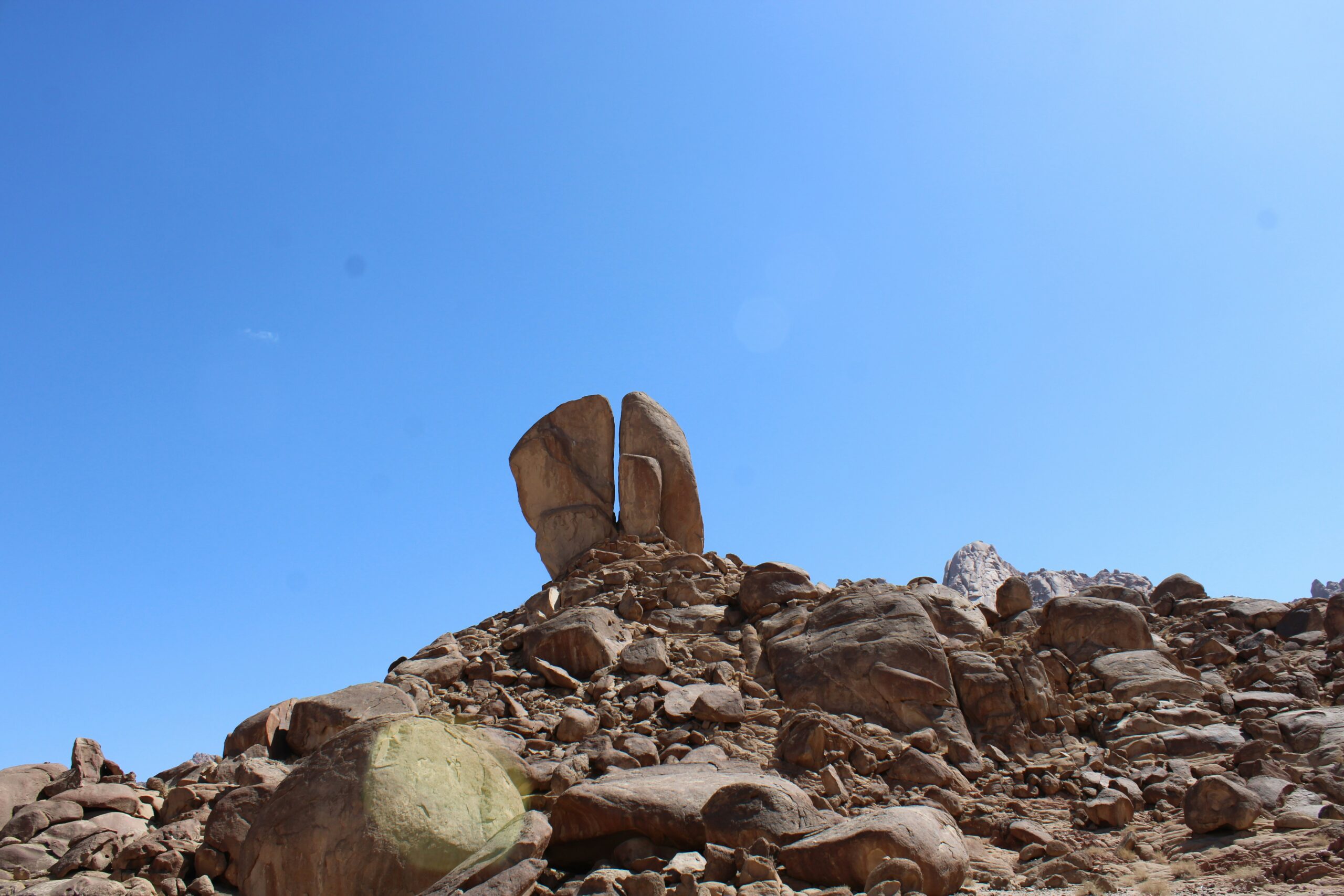
The arid landscapes of Arabia, long synonymous with vast deserts and unforgiving sands, are now yielding secrets that rewrite geological and climatic histories. For decades, paleontologists and geologists have been meticulously excavating fossilized remains that point to a dramatically different past for the Arabian Peninsula. The discovery of ancient marine shells, unearthed far from any present-day coastline, is not merely a curious finding; it is irrefutable evidence of vast, ephemeral seas that once covered significant portions of this now-arid region. These discoveries, scattered across the Arabian interior, are painting a vivid picture of a lost world, a testament to the profound and dynamic shifts our planet has undergone.
Echoes of Ancient Oceans in the Desert Sands
The presence of marine fossils in inland Arabia is a powerful indicator of past oceanic transgressions, periods when sea levels rose dramatically and inundated terrestrial environments. These shells, ranging from bivalves and gastropods to larger marine invertebrates, are not rare anomalies but are found in considerable concentrations in specific geological formations. Their preservation is often remarkable, offering intricate details of their original form and species. The sheer volume and diversity of these marine remnants suggest that these were not mere shallow tidal flats but substantial bodies of water that persisted for significant geological timescales. Understanding the nature and extent of these ancient seas is crucial to unraveling the paleogeography and paleoenvironment of Arabia.
Interpreting the Fossil Assemblage
The identification of specific marine species found in these inland deposits provides crucial clues about the conditions under which they lived. Different marine organisms have distinct environmental preferences regarding salinity, depth, temperature, and substrate. By analyzing the types of shells present, scientists can infer the characteristics of the ancient Arabian seas. For instance, the presence of certain types of corals or mollusks might indicate warm, shallow, and relatively clear waters, while the discovery of deep-sea species would suggest much larger and deeper oceanic incursions. The degree of fossilization, the orientation of the shells, and the presence of associated marine sediment all contribute to a more comprehensive understanding of the paleoecosystem.
Dating the Evidence
Radiometric dating techniques are indispensable in establishing the age of these marine deposits. Methods such as uranium-lead dating of associated carbonate rocks or potassium-argon dating of volcanic ash layers interbedded with the fossils provide precise chronological frameworks. These dates allow scientists to correlate the Arabian marine events with global sea-level fluctuations and climate shifts. The timing of these transgressions is critical; it helps to determine whether they were driven by long-term geological processes like plate tectonics and the formation of ocean basins, or by more transient climatic phenomena such as interglacial periods with significantly higher sea levels. The discovered shells, therefore, act as time capsules, offering glimpses into specific epochs of Earth’s history.
Recent research has shed light on the intriguing presence of ancient marine shells found in inland Arabia, suggesting significant historical environmental changes and migration patterns. These findings are discussed in detail in the article “Environmental Migration: Understanding the Impact on Communities,” which explores how such archaeological evidence can provide insights into past human adaptation to shifting climates. For more information, you can read the full article here: Environmental Migration: Understanding the Impact on Communities.
Unveiling the Paleogeography of a Lost Arabia
The distribution of these ancient marine shell deposits across the Arabian Peninsula is not random. Mapping these fossiliferous locations reveals distinct patterns that illuminate the paleogeography of the region. These patterns indicate the shorelines and approximate extents of ancient seas, offering a stark contrast to the peninsula’s present-day arid topography. The implications extend beyond mere geological mapping, touching upon questions of ancient climate, biodiversity, and even the potential for early human migration routes.
Tracing Ancient Shorelines
By pinpointing numerous sites where marine shells are found, geologists can meticulously reconstruct the likely boundaries of these ancient bodies of water. This process involves examining geological maps, remote sensing data, and field observations to connect the dots between scattered fossiliferous outcrops. The presence of specific coastal indicators, such as fossilized beach deposits or evidence of wave action, further refines these reconstructions. The result is a dynamic map of Arabia, not as a singular landmass, but as a mosaic of coastlines, islands, and extensive shallow seas that ebbed and flowed over millions of years.
The Arabian Sea’s Ancient Reach
Evidence suggests that the ancient Arabian seas were not confined to isolated lakes or ephemeral inundation zones. In many instances, the fossils point to a connection with larger oceanic systems, likely the ancestral Arabian Sea or even the wider Tethys Ocean. The vastness of these marine incursions is a remarkable revelation, indicating that much of what is now central and northern Arabia was once submerged. This expansive marine environment would have supported a rich and diverse marine ecosystem, a far cry from the sparse desert life seen today.
Reconstruction of Ancient Climates and Environmental Conditions

The discovery of marine shells inland Arabia is a powerful proxy for understanding the paleoclimate of the region. The existence of large bodies of water implies significantly different atmospheric conditions compared to the present-day hyper-arid climate. These findings necessitate a re-evaluation of the climatic history of Arabia, suggesting periods of greater rainfall and humidity, potentially supporting more lush terrestrial environments along the ancient coastlines.
Hydrological Cycles of the Past
The presence of extensive seas directly points to a more active hydrological cycle. This suggests periods where precipitation was significantly higher, feeding rivers that would have flowed into these seas. Furthermore, evaporation rates would have been moderated by the presence of large water bodies, contributing to a more humid atmosphere. Understanding these past hydrological regimes is crucial for reconstructing the broader climatic patterns of the Earth during these ancient periods.
Implications for Terrestrial Ecosystems
Where there were seas, there were often bordering landmasses that would have supported vibrant terrestrial ecosystems. The increased humidity and potential for rainfall would have fostered the growth of vegetation, creating habitats for a range of flora and fauna. While the direct fossil evidence for these terrestrial environments may be scarcer than the marine shells, the presence of ancient seas provides a strong environmental context for inferring their existence and characteristics. This suggests that Arabia, in its ancient past, might have been a far more hospitable environment for life than its current desert guise implies.
Geological Processes and Tectonic Influences
The inundation of the Arabian interior by seas is fundamentally linked to large-scale geological processes, primarily plate tectonics and eustatic sea-level changes. The Arabian Peninsula’s geological history is characterized by rifting, the formation of oceanic basins, and significant vertical movements of the Earth’s crust. These tectonic forces have played a paramount role in shaping the landforms and influencing the distribution of ancient seas.
Plate Tectonics and Rift Valleys
Arabia’s geographical position is a consequence of its separation from Africa due to the opening of the Red Sea rift. This rifting process has caused the Arabian plate to move and rotate, creating significant geological stresses and consequent topographic changes. The formation of rift valleys and the subsidence of landmasses along continental margins are directly linked to these tectonic activities, providing the basins for the ancient seas to form and persist. The uplift and subsidence of different parts of the Arabian plate would have also influenced the extent and depth of these marine incursions.
Eustatic Sea-Level Fluctuations
Beyond local tectonic influences, global sea-level changes, known as eustatic sea-level fluctuations, have also played a critical role. During periods of interglacial warmth, massive ice sheets melt, releasing vast quantities of water into the oceans, thus raising global sea levels. These higher sea levels would have allowed the oceans to transgress far inland, inundating low-lying continental areas, including parts of Arabia. The marine shell deposits therefore provide tangible evidence of these global climatic and oceanic shifts, locked within the geological record of the Arabian Peninsula.
Recent studies have unveiled fascinating insights into the presence of ancient marine shells found in inland Arabia, suggesting significant historical connections to maritime activities. These discoveries have sparked interest in understanding how ancient cultures interacted with their environments and utilized resources. For a deeper exploration of historical maps and their implications on our understanding of ancient civilizations, you can read more in this article about the Piri Reis map and its accuracy debate. The findings related to marine shells could provide context to the navigational knowledge of the time, as discussed in this article.
Rethinking Arabia’s Past and Future Environmental Potential
| Metric | Value | Unit | Description |
|---|---|---|---|
| Age of Shell Deposits | 5 to 10 | Million Years | Estimated age range of ancient marine shell deposits found inland Arabia |
| Shell Species Identified | 15 | Species | Number of distinct marine shell species identified in inland Arabian sites |
| Average Shell Size | 3.5 | cm | Average length of marine shells found in inland Arabia |
| Salinity Level at Time of Deposition | 35 | ppt (parts per thousand) | Estimated salinity of water when shells were deposited |
| Depth of Ancient Sea | 50 to 100 | meters | Estimated depth of the ancient sea covering inland Arabia |
| Carbonate Content in Sediments | 60 | % | Percentage of carbonate minerals in sediment layers containing shells |
The discovery of ancient marine shells in inland Arabia is more than just a historical curiosity; it is a profound revelation that compels a re-evaluation of the region’s past and offers new perspectives on its future environmental potential. It underscores the dynamic nature of our planet and the dramatic transformations that landscapes can undergo over geological timescales. This knowledge has implications for understanding climate change, resource exploration, and even the potential for future geological changes in the region.
Lessons from Paleoclimates for Modern Challenges
The study of ancient climates, as illuminated by these marine fossils, provides invaluable data for understanding the Earth’s climate system. By analyzing past periods of significantly different climatic regimes, scientists can refine climate models and better predict the potential impacts of ongoing global warming. The evidence of past wetter periods in Arabia could inform strategies for water management and the potential for sustainable agriculture in arid regions. Understanding the mechanisms that led to past sea-level rise can also offer insights into future coastal vulnerability.
Implications for Resource Exploration and Geohazards
The geological formations associated with these ancient marine deposits can also be of interest for resource exploration, particularly for hydrocarbons. Ancient marine environments often lead to the formation of sedimentary basins that can trap oil and gas. Furthermore, understanding the geological history of the Arabian Peninsula, including its tectonic activity and past inundation, is crucial for assessing geohazards such as earthquakes and potential future sea-level rise. The shells, therefore, are not just fossils but are markers of significant geological processes that continue to shape the region. The ongoing research into these ancient seas promises to continue unveiling the deep and complex history of Arabia, a history far richer and more dynamic than the sands suggest.
Why Were Giant Camels Carved Above the Desert?
FAQs
1. What is the significance of finding ancient marine shells inland Arabia?
Ancient marine shells found inland Arabia provide evidence of past marine environments in the region, indicating that the area was once covered by water.
2. How old are the ancient marine shells found in inland Arabia?
The ancient marine shells found in inland Arabia are estimated to be millions of years old, dating back to a time when the region was submerged under water.
3. What types of marine shells have been discovered in inland Arabia?
Various types of marine shells have been discovered in inland Arabia, including gastropods, bivalves, and other mollusks that are typically found in marine environments.
4. How did the ancient marine shells end up inland in Arabia?
The ancient marine shells were likely transported inland through geological processes such as tectonic movements, sea level changes, or the shifting of sediment over millions of years.
5. What can the study of ancient marine shells in inland Arabia tell us about the region’s geological history?
The study of ancient marine shells in inland Arabia can provide valuable insights into the region’s geological history, including past climate conditions, sea level fluctuations, and the movement of tectonic plates that shaped the landscape over time.