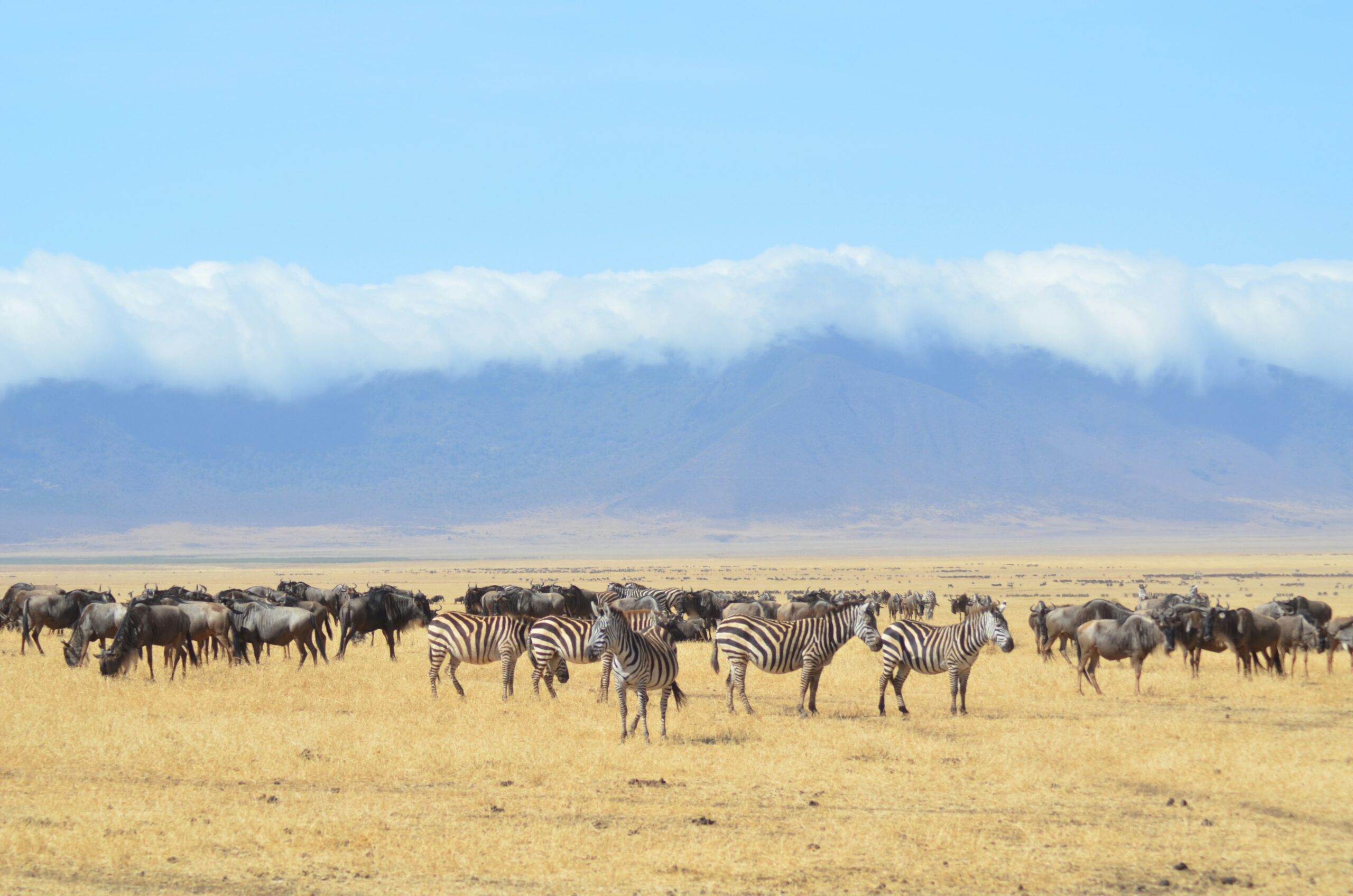
The dust of millennia lies thick upon the Earth, obscuring the epic journeys undertaken by creatures of immense scale. Long before humanity etched its mark upon the planet, colossal herbivores and their predators navigated vast landscapes, driven by instincts honed over countless generations. These ancient megafauna, the mammoths, mastodons, giant ground sloths, and their contemporaries, did not merely inhabit their environments; they were active participants in shaping them, their migrations weaving intricate patterns across continents. Tracing these prehistoric herd journeys offers a profound glimpse into a lost world, revealing ecological dynamics and survival strategies that continue to resonate with life on Earth today. Understanding these ancient migrations is not simply an exercise in paleontology; it is a testament to the interconnectedness of life and the enduring power of evolutionary adaptation.
Echoes of the Ice Age: The Mammoths’ Grand Circuits
The woolly mammoth, an icon of the Pleistocene epoch, is perhaps the most familiar of the ancient megafauna. These shaggy behemoths, adapted to the cold, roamed across Eurasia and North America, their lives dictated by the seasonal availability of food and the imperative to reproduce. Their migrations were not random wanderings but rather highly organized circuits, dictated by the slow unfolding of climatic cycles and the geological features of their immense territories.
Following the Green Wave: Seasonal Foraging Strategies
Mammoths were primarily grazers, their broad, flat molars perfectly suited for stripping grasses and sedges. Their migratory patterns were thus intimately linked to the ephemeral bounty of vegetation. As the ice sheets retreated and advanced, so too did the treelines and the grasslands. Herds would follow the receding snowlines in spring, moving northward to exploit the fresh, nutrient-rich shoots of emerging grasses. As summer waned and winter’s chill approached, they would reverse their course, seeking out sheltered valleys and more resilient vegetation that could sustain them through the harsh months. Fossil evidence, including the distribution of mammoth remains and associated plant material, strongly suggests these seasonal movements. Locations rich in mammoth bones often correlate with areas that would have provided optimal foraging during specific times of the year, indicating established migratory corridors.
Waterways as Highways: Navigating by Rivers and Coasts
Ancient river systems and coastlines likely served as vital arteries for mammoth migration. These features offered reliable sources of water and, in some cases, provided easier passage through challenging terrain. The presence of mammoth remains near ancient riverbeds, often in association with sediment layers indicative of flooding or alluvial deposition, hints at their use of these waterways as routes. Furthermore, coastal migrations might have offered access to different food sources, such as seaweed or salt-tolerant plants, and potentially served as a way to avoid inland predators or extreme weather. Evidence of mammoths on islands, sometimes isolated for long periods, further supports the idea of their ability to traverse water, either through shallow crossings or on precarious ice bridges.
The Shadow of Predators: Following the Hunt
The migrations of megaherbivores were inextricably linked to the movements of their apex predators. Saber-toothed cats, dire wolves, and early humans would have followed the same herd movements, creating a dynamic ecological dance. Predators would have learned the established routes, anticipating the arrival of prey. This interplay between hunter and hunted would have shaped the very paths the herds took. Areas where large predators congregated, often near watering holes or bottlenecks in terrain, would have influenced the migration routes, forcing herbivores to adapt their movements to minimize risk. The distribution of predator fossils alongside herbivore remains in certain sites can provide clues about these co-dependent migratory patterns.
Recent studies on prehistoric migration patterns of megafauna herds have revealed fascinating insights into how these massive animals adapted to changing climates and landscapes. For a deeper understanding of the interconnectedness of ancient ecosystems and the impact of human activity on wildlife, you may find the article on Mexico’s electronics manufacturing hubs particularly interesting. It explores how modern industrial practices can influence environmental conditions, drawing parallels to the historical shifts that affected megafauna migration. You can read more about it here: Exploring Mexico’s Electronics Manufacturing Hubs.
The Giant Sloth’s Slow Ramble: Adapting to a Changing Landscape
The giant ground sloths, such as Megatherium and Eremotherium, were another dominant force in the prehistoric Americas. These immense herbivores, some reaching the size of elephants, were not as migratory in the same sense as mammoths. Their movements were more likely dictated by localized resource availability and a slower, more deliberate pace of life. However, evidence suggests they did undertake significant journeys, albeit at a different tempo.
Foraging for Foliage: Seeking Out Woody Vegetation
Unlike the grass-dependent mammoths, giant ground sloths were primarily browsers, their diets consisting of leaves, twigs, and fruits. This dietary specialization meant their movements were driven by the availability of suitable arboreal vegetation. They would have moved through forests and woodlands, consuming vast quantities of plant matter. Their sheer size and strength allowed them to push through dense undergrowth and even uproot small trees to access their food. Fossil discoveries in areas with past forest cover, often far from open grasslands, point towards their preference for wooded environments and the journeys undertaken to find these resources.
Localized Drifts: Adapting to Climate Fluctuations
While not characterized by the grand seasonal circuits of mammoths, giant ground sloths likely engaged in more localized drifts in response to climate change. As forests expanded or contracted with glacial and interglacial periods, these sloths would have shifted their ranges accordingly. A gradual shift in their fossil distribution over time can indicate a slow, continuous migration in response to changing vegetation patterns. Periods of drought or increased rainfall could also have influenced their movements, pushing them towards areas where water and food remained available. Their ability to digest tough, fibrous plant material might have allowed them to persist in areas that other herbivores could not.
The Longevity of Existence: Long-Term Range Occupation
The immense size and relatively slow reproductive rates of giant ground sloths might have led to longer periods of occupation within specific territories compared to smaller, faster-breeding herbivores. While they did migrate, these journeys might have been over longer timescales, driven by significant environmental shifts rather than short-term seasonal variations. Their presence in widely separated fossil sites could indicate a gradual expansion of their range over millennia, a slow but steady ramble across the continents. This contrasts with the more rapid, predictable movements of herd animals.
Mastodon’s Mosaic: Diverse Routes Across a Shifting Continent

The American mastodon, a close relative of the mammoth but with a more robust build and distinctive conical cusps on its molars, also navigated the prehistoric North American landscape. Their dietary habits and preferred habitats differed from woolly mammoths, leading to distinct migratory patterns and a more mosaic distribution across the continent.
Woodland Wanderers: Browsing on Twigs and Leaves
Mastodons were primarily woodland browsers, favoring a diet of twigs, leaves, and bark from trees and shrubs. This preference placed them in different habitats than their grazing mammoth cousins. They would have frequented more forested areas, swamps, and open woodlands. Their fossil remains are often found in environments that were once heavily wooded, suggesting they moved through these landscapes in search of sustenance. This dietary distinction means their migratory corridors would have followed the distribution of suitable woodlands, which could have been influenced by soil type, drainage, and past fire regimes.
Following the Water: Navigating by Wetlands and Rivers
Like mammoths, mastodons relied on consistent access to water. Their preference for wooded areas often meant they were found in proximity to wetlands, bogs, and river systems. These water sources would not only have provided drinking water but also a rich supply of aquatic and semi-aquatic vegetation. Migrations might have been channeled along river valleys and through wetland complexes, offering both food and a navigable path. The presence of mastodon remains in peat deposits and ancient lake beds further supports their connection to these water-rich environments.
Specialized Movement Patterns: Evidence from Fossil Sites
The distribution of mastodon fossils suggests a different migratory pattern than that of woolly mammoths. While mammoths appear to have undertaken more expansive, circumpolar migrations, mastodon populations might have been more localized and adapted to specific regional environments. Some evidence suggests they might have moved between different woodland patches within a broader region, rather than undertaking long-distance, multi-seasonal journeys. This “patchy” movement could be linked to the ephemeral nature of certain food sources within their preferred habitats.
The Role of Paleoenvironmental Reconstruction: Unlocking Ancient Pathways
Understanding the ancient megafauna migrations is deeply intertwined with our ability to reconstruct past environments. The Earth’s climate and landscapes have undergone profound transformations since the Pleistocene, and deciphering these changes is crucial for interpreting the movements of prehistoric creatures.
Pollen and Paleosols: Reading the Vegetational History
The analysis of pollen grains preserved in ancient sediment layers (paleosols) provides a detailed record of past vegetation. By identifying the types and abundance of pollen, scientists can reconstruct the flora of a region at a specific time. This allows them to infer the types of food available to megafauna and, consequently, the likely routes they would have taken to access these resources. For instance, a sudden increase in grass pollen might indicate the expansion of grasslands, potentially attracting grazers like mammoths, while an increase in tree and shrub pollen would point to areas favored by mastodons and ground sloths.
Isotope Analysis: Tracing Diet and Geographic Origin
Stable isotope analysis of fossilized bones and teeth offers invaluable insights into the diet and geographic origin of ancient animals. By examining the ratios of isotopes like carbon, oxygen, and strontium, researchers can determine what the animals ate and where they lived. For example, variations in strontium isotopes can indicate movement across different geological terrains. If a mammoth’s bone shows strontium ratios consistent with a region hundreds of miles away, it strongly suggests a migratory journey between those locations. Similarly, carbon isotope ratios can reveal whether an animal was primarily a grazer or a browser, further informing our understanding of their migratory needs.
Fossil Distribution and Sedimentology: Mapping the Ancient Trails
The geographical distribution of megafauna fossils, when analyzed in conjunction with geological and sedimentological data, helps map out ancient migration corridors. The clustering of fossils in certain areas, often along ancient riverbeds, mountain passes, or coastlines, points to these as favored routes. Sedimentological studies can reveal evidence of trampling by large animals, or the deposition of remains in locations that would have served as staging grounds or resting places along a migratory path. The layering of different sediment types can also indicate seasonal deposition events, such as floods, which might have been experienced by migrating herds.
Recent studies have shed light on the prehistoric migration patterns of megafauna herds, revealing how these massive animals adapted to changing climates and landscapes. Understanding these patterns not only provides insight into the survival strategies of ancient species but also highlights the interconnectedness of ecosystems. For a deeper exploration of how ancient civilizations navigated environmental challenges, you can read about their resilience in this article on surviving drought in ancient cities.
The Legacy of Movement: Megafauna Migration and Modern Ecosystems
| Megafauna Species | Migration Period | Primary Migration Routes | Estimated Distance (km) | Migration Drivers | Notable Findings |
|---|---|---|---|---|---|
| Mammoth (Mammuthus primigenius) | Late Pleistocene (50,000 – 10,000 years ago) | Siberia to North America via Bering Land Bridge | Up to 4,000 km | Climate change, vegetation shifts | Seasonal migrations following plant growth cycles |
| Saber-toothed Cat (Smilodon fatalis) | Late Pleistocene (40,000 – 10,000 years ago) | North and South America, localized herd movements | Variable, typically under 500 km | Prey availability, territorial behavior | Migration linked to prey herd movements |
| Giant Ground Sloth (Megatherium) | Late Pleistocene (30,000 – 10,000 years ago) | South America, primarily east-west movements | Up to 1,000 km | Seasonal food availability | Limited long-distance migration, more localized |
| Woolly Rhinoceros (Coelodonta antiquitatis) | Late Pleistocene (50,000 – 10,000 years ago) | Eurasian Steppe, east-west migration | Approximately 2,500 km | Climate fluctuations, forage availability | Migration corridors aligned with steppe vegetation |
| American Mastodon (Mammut americanum) | Late Pleistocene (40,000 – 10,000 years ago) | North America, river valleys and forested areas | Up to 1,500 km | Seasonal climate changes, water sources | Migration patterns influenced by glacial cycles |
The ancient migrations of megafauna were not merely events of the distant past; they had a profound and lasting impact on the ecosystems they inhabited, and their legacy continues to influence the ecological dynamics of the present day.
Shaping the Landscape: Megaherbivore Impact
The sheer size and grazing/browsing habits of these ancient creatures played a significant role in shaping landscapes. Their constant movement, feeding, and defecation distributed seeds, nutrients, and organic matter across vast distances. This continuous disturbance prevented the unchecked growth of certain plant species and promoted biodiversity by creating mosaic landscapes of varied vegetation. Imagine herds of mammoths clearing areas of young trees, creating open grasslands that then supported a different suite of plant and animal life. This process of “ecosystem engineering” by megafauna is a critical aspect of understanding past and present ecological functioning.
The Seed Dispersal Network: A Continent-Wide Exchange
Megafauna were exceptional seed dispersers. As they consumed fruits and seeds, these were passed through their digestive systems and deposited in new locations, often far from the parent plant. This long-distance seed dispersal was crucial for the recolonization of landscapes after disturbances, the genetic exchange between plant populations, and the establishment of new habitats. The patterns of plant distribution we see today may, in part, be a result of the dispersal networks established by these ancient giants.
The Ghosts of Migratory Routes: Modern Echoes
While the megafauna themselves are gone, the ancient migratory routes they carved may still hold ecological significance. Modern wildlife often follows similar corridors, utilizing landscapes that have been shaped and influenced by millennia of large animal movement. Rivers, valleys, and mountain passes that once guided mammoth herds may still be vital pathways for present-day animals. Understanding these ancient pathways can inform modern conservation efforts, helping to identify and protect critical wildlife corridors that have a deep historical ecological basis. The study of ancient megafauna migration, therefore, is not just about reconstructing the past; it is about understanding the deep ecological roots of the present.

20,000 Years Ago | The Coldest Journey in Human History
FAQs
What is megafauna?
Megafauna refers to large or giant animals that lived during prehistoric times, such as mammoths, mastodons, saber-toothed cats, and giant sloths.
How did megafauna herds migrate during prehistoric times?
Megafauna herds migrated in search of food, water, and suitable habitats. They followed seasonal patterns and moved across vast distances to meet their survival needs.
What factors influenced the migration patterns of megafauna herds?
The migration patterns of megafauna herds were influenced by climate change, availability of resources, competition with other species, and natural barriers such as mountains, rivers, and oceans.
Did megafauna herds migrate in groups or individually?
Megafauna herds typically migrated in groups for safety and efficiency. Traveling in herds provided protection against predators and allowed for better coordination during long journeys.
How do scientists study the prehistoric migration patterns of megafauna herds?
Scientists study the prehistoric migration patterns of megafauna herds by analyzing fossil records, examining isotopic signatures in bones and teeth, conducting genetic studies, and using computer simulations to reconstruct ancient landscapes and migration routes.