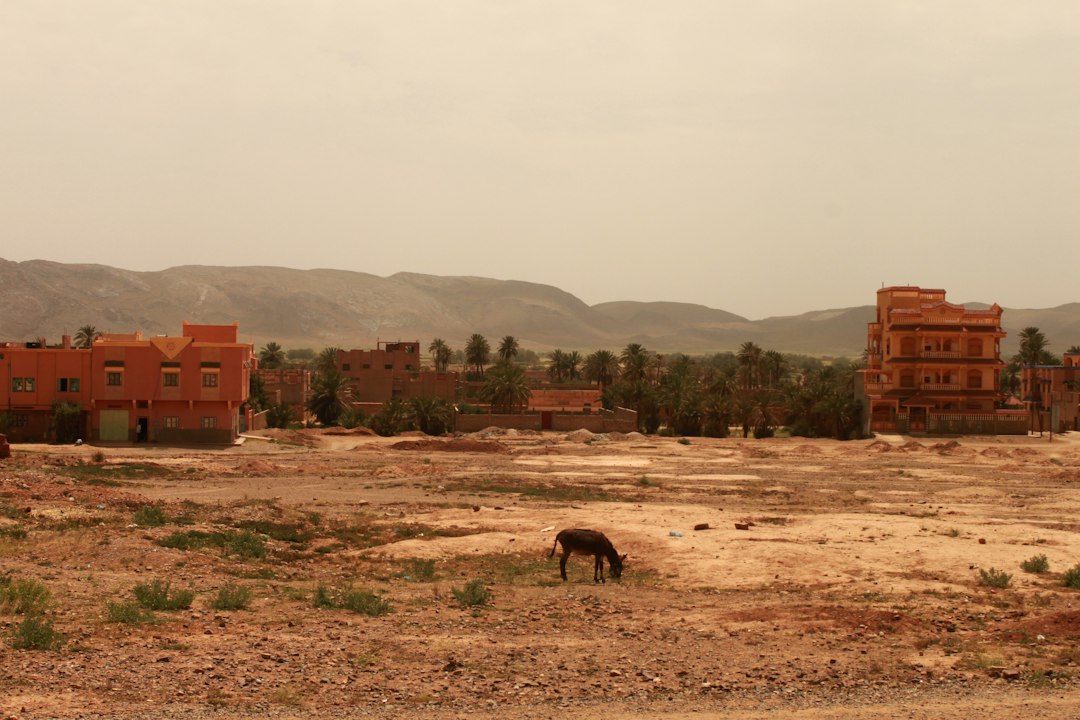
The arid landscapes of Morocco, often perceived as a stark and unchanging canvas, have long held secrets of human ingenuity and adaptation. Recent archaeological discoveries in the pre-Saharan region have begun to peel back the layers of time, revealing a remarkably sophisticated ancient farming settlement that offers profound insights into the dawn of agriculture in North Africa. This site, yet to be fully cataloged by the wider archaeological community, represents a pivotal moment in understanding how early human populations transitioned from nomadic hunter-gatherer lifestyles to settled agricultural communities, meticulously shaping their environment to sustain a growing population. The implications of these findings extend beyond mere chronology, illuminating the development of complex social structures, resource management strategies, and the very foundations of civilization in this historically significant part of the continent.
Unearthing the Foundations of a Lost Community
The discovery was, in many ways, serendipitous. While conducting a broader survey of regional geological formations, a team of archaeologists stumbled upon a series of tell-tale signs: subtle changes in soil composition, unusual concentrations of flint tools, and the unmistakable faint outlines of ancient structures barely visible beneath centuries of windblown sand. Initial excavations, meticulously carried out to preserve the delicate stratification of the site, quickly confirmed the presence of a substantial, long-abandoned settlement. Unlike ephemeral encampments, the foundations of this community were built to last, suggesting a degree of permanence and a deep commitment to the location. The sheer scale of the recovered artifacts, ranging from pottery shards to agricultural implements, pointed towards a population that was not only present but actively engaged in sustained agricultural practices. The careful placement of dwellings, the presence of communal spaces, and the evidence of specialized areas for food processing all coalesced to paint a vivid picture of a thriving, organized society.
Initial Survey and Site Identification
The process of identifying the settlement began with a comprehensive remote sensing survey, utilizing ground-penetrating radar and magnetic gradiometry. These non-invasive techniques allowed researchers to map subsurface anomalies without disturbing the fragile archaeological context. The data revealed distinct patterns of rectilinear and curvilinear structures, indicative of human construction, as well as areas of concentrated activity. Following this preliminary phase, targeted test excavations were initiated. These shallow trenches served to confirm the presence of cultural material and to assess the depth and preservation of the archaeological layers. The recovery of diagnostic artifacts, such as pottery fragments with distinctive decorative motifs and stone tools exhibiting specific wear patterns, provided crucial clues about the age and cultural affiliation of the inhabitants. The consistent appearance of these artifacts across multiple excavation units strongly suggested a single, cohesive settlement rather than a series of disconnected sites.
The Role of Landscape and Geology
The choice of this particular location was far from accidental. The settlement is situated in a valley that, even in its present-day semi-arid state, hints at a past abundance of water. Geological analysis of the surrounding bedrock and soil strata has revealed evidence of ancient riverbeds and ephemeral lakes, suggesting that the region once supported a more verdant ecosystem. The presence of fertile alluvial soils, deposited by past watercourses, would have provided an ideal substrate for cultivation. Furthermore, the surrounding hills likely offered natural protection from harsh winds and provided access to crucial resources such as timber and wild game, which would have supplemented the diet of the early farmers. Understanding the palaeoenvironmental conditions of the site is paramount to deciphering the success and sustainability of its agricultural endeavors.
Ancient Moroccan farming settlements provide fascinating insights into the agricultural practices and societal structures of early civilizations in the region. These settlements, characterized by their innovative irrigation techniques and crop cultivation methods, played a crucial role in the development of sustainable farming in arid environments. For a broader understanding of how ancient civilizations adapted to their surroundings, you might find this article on lunar exploration interesting, as it discusses the challenges and strategies of utilizing resources in extreme environments. You can read more about it here: The Moon: Ultimate High Ground for Exploration.
Evidence of Early Cultivation Techniques
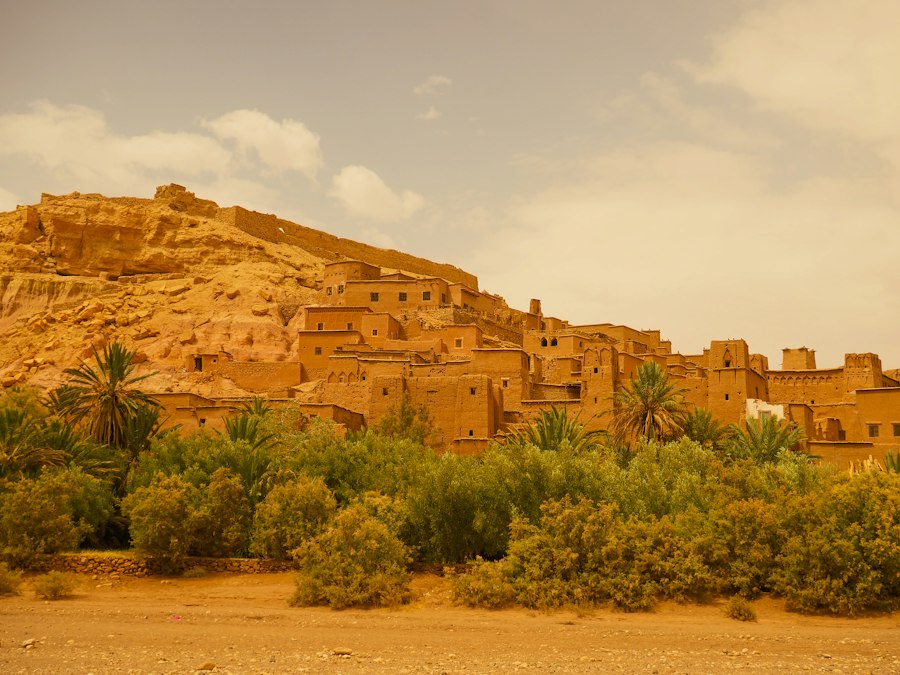
The most compelling aspect of this discovery lies in the concrete evidence of agricultural practices. This is not a site where farming is inferred; it is a site where it is demonstrably present, etched into the very fabric of the landscape and preserved in the tools and remains unearthed. The careful study of soil samples, the analysis of botanical remains, and the examination of specialized tools have illuminated the sophisticated techniques employed by these early Moroccan farmers. They were not simply subsisting; they were actively cultivating, managing, and improving their environment to meet their needs.
Cultivated Crops and Farming Tools
Analysis of pollen and phytoliths recovered from hearths and storage pits has definitively identified a range of cultivated crops. Among the most significant finds are the remains of emmer wheat and barley, staple grains that formed the backbone of early agricultural economies across the Fertile Crescent and beyond. Evidence also suggests the cultivation of legumes, such as lentils and chickpeas, which would have provided essential protein and helped to replenish soil nutrients through nitrogen fixation. The agricultural toolkit unearthed at the site is equally telling. The presence of polished stone axes and adzes indicates their use for clearing land and preparing fields. Numerous sickle blades, fashioned from flint and often exhibiting wear patterns consistent with harvesting grain, were found in significant quantities. Grinding stones and pestles, some still bearing the faint residues of processed grains, attest to the labor-intensive process of transforming harvested crops into usable food.
Irrigation and Water Management
Perhaps the most surprising revelation is the evidence of rudimentary irrigation systems. While not on the scale of later Roman or Egyptian engineering, the site displays a deliberate manipulation of water resources. Channels carved into the landscape, some still discernible as shallow depressions, appear to have been designed to divert water from nearby ephemeral streams or springs to irrigate cultivated fields. The strategic placement of these channels, coupled with the careful selection of land with natural drainage advantages, suggests a sophisticated understanding of hydrology. In some areas, stone barriers and terraces have been identified, likely intended to slow down water runoff, prevent soil erosion, and retain moisture in the fields, crucial in an environment prone to drought. This points to a proactive approach to water management, a necessity for reliable crop yields in a challenging climate.
Settlement Layout and Societal Organization
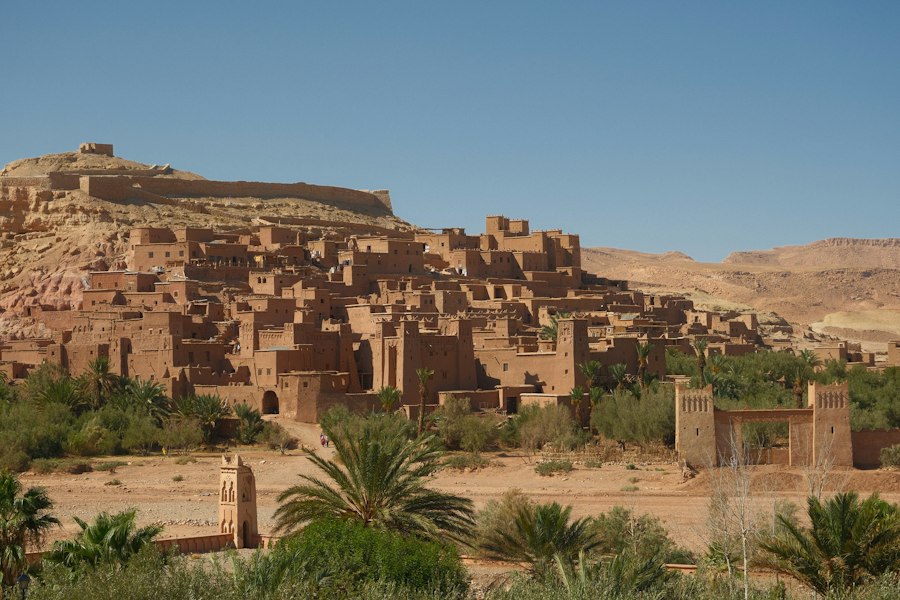
The spatial organization of the ancient settlement offers a window into the social structure and daily lives of its inhabitants. The arrangement of dwellings, communal areas, and specialized activity zones suggests a degree of planning and cooperation that goes beyond a simple collection of households. The careful consideration of resource distribution and communal needs implies a developing societal framework.
The study of ancient Moroccan farming settlements reveals fascinating insights into the agricultural practices and social structures of early civilizations in the region. These settlements, characterized by their innovative irrigation techniques and crop diversification, played a crucial role in sustaining communities and fostering trade. For those interested in exploring the advancements in agricultural systems, a related article discusses the integration of autonomous systems in modern farming, which can be seen as a contemporary parallel to the ingenuity of ancient practices. You can read more about it in this article.
Residential Structures and Dwelling Design
The residential structures at the site are typically characterized by stone foundations and wattle-and-daub walls, with evidence of thatched roofs. The dwellings vary in size, suggesting some differentiation in status or family size, but generally appear to be organized around courtyards. These courtyards likely served as private work areas, social spaces, and possibly for keeping small livestock. The presence of hearths within the dwellings indicates domestic heating and cooking. Evidence of post-holes suggests the construction of more permanent features within the homes, possibly for storage or sleeping platforms. The systematic layout of these structures, with clear pathways connecting them, indicates a planned community rather than haphazard growth.
Communal Spaces and Resource Management
Beyond

They Found a 4,000-Year-Old Defense Line in Morocco
FAQs
What is an ancient Moroccan farming settlement?
An ancient Moroccan farming settlement refers to a historical site where agricultural activities were carried out by ancient Moroccan communities. These settlements typically include structures such as houses, storage facilities, and irrigation systems.
How did ancient Moroccans practice farming in these settlements?
Ancient Moroccans practiced farming in these settlements by cultivating crops such as wheat, barley, olives, and grapes. They also raised livestock such as sheep, goats, and cattle. Irrigation techniques were used to ensure successful crop growth in the arid climate.
What tools and techniques were used in ancient Moroccan farming settlements?
Ancient Moroccan farming settlements utilized tools such as plows, sickles, and hoes for cultivating the land and harvesting crops. They also employed irrigation techniques such as canals, wells, and water wheels to ensure a steady water supply for their crops.
What role did ancient Moroccan farming settlements play in the local economy?
Ancient Moroccan farming settlements played a crucial role in the local economy by providing food resources for the community and surplus goods for trade. The agricultural products from these settlements were often exchanged with other regions for commodities not locally available.
What can we learn from studying ancient Moroccan farming settlements?
Studying ancient Moroccan farming settlements can provide insights into the agricultural practices, social organization, and technological advancements of ancient Moroccan societies. It can also help us understand the environmental challenges they faced and how they adapted to sustain their communities.