The year 2026 promises to be a watershed moment for Moroccan archaeology, as a series of ambitious research projects and unexpected finds are poised to redefine our understanding of the kingdom’s rich and complex past. From the windswept Atlantic coast to the rugged Atlas Mountains and the enigmatic Sahara, new discoveries are emerging from the earth, offering tantalizing glimpses into ancient civilizations, forgotten trade routes, and the deep roots of Moroccan culture. These ongoing investigations, bolstered by advancements in technology and an increasing international collaboration, are not merely adding chapters to history; they are rewriting them, challenging long-held assumptions, and bringing to light previously unknown narratives.
Unearthing the Dawn of Human Ingenuity in the North African Landscape
The early human story in Morocco is undergoing a significant re-evaluation in 2026, with new excavations revealing a more sophisticated and nuanced picture of our ancient ancestors. The focus has increasingly shifted towards understanding not just the presence of early hominins, but their behaviors, their technological innovations, and their interactions with the environment.
Paleolithic Settlements Along the Atlantic Seaboard
The coastal regions of Morocco have long been recognized as crucial areas for understanding Paleolithic life. In 2026, renewed efforts at sites like Jebel Irhoud, a UNESCO World Heritage site already famous for its Neanderthal fossils, are yielding deeper insights into the daily lives of early humans. Beyond the hominin remains themselves, archaeologists are meticulously analyzing faunal assemblages, lithic scatters, and paleoenvironmental data. Preliminary findings suggest a more complex subsistence strategy than previously assumed, with evidence of marine resource exploitation becoming more pronounced at certain stratigraphic levels. This indicates an adaptability and resourcefulness in early Moroccan populations that rivals those found in other parts of the world. The sheer abundance and diversity of stone tools recovered from newly opened trenches point to advanced knapping techniques and the development of specialized toolkits for a variety of tasks, from hunting to food processing and tool maintenance. Furthermore, isotopic analysis of bone fragments is providing crucial data on diet and migration patterns, suggesting both localized resource utilization and potentially more extensive movement across the landscape, driven by seasonal availability or climatic shifts. The presence of ochre pigments in association with these early settlements also hints at early symbolic behavior, further enriching the understanding of cognitive abilities.
Neanderthal Adaptations in Inland River Valleys
Moving inland, research in the river valleys of the Atlas foothills is illuminating the adaptability of Neanderthals to diverse environments. Sites that were previously considered marginal are now revealing significant evidence of Neanderthal occupation, suggesting that these hominins were not solely confined to coastal or cave environments. New excavations at previously under-explored locations are uncovering hearths, tool caches, and evidence of sophisticated hunting strategies adapted to inland fauna. The analysis of these finds indicates a deep understanding of the local ecosystems, including the migratory patterns of large game and the seasonal availability of plant resources. The discovery of projectile points, though rare, at some of these inland sites is particularly noteworthy, prompting further debate about Neanderthal hunting technologies and their potential for more effective long-range predation. Comparative studies with contemporary European Neanderthal sites are also a key focus, aiming to identify potential cultural exchanges or independent technological developments within the North African context. The challenges posed by the drier inland climate may have also spurred unique innovations in shelter construction or resource management, aspects that are now being intensely investigated.
The Enigmatic Aterian Industry’s Evolution
The Aterian industry, characterized by its distinctive tanged points, remains a subject of intense study. In 2026, new data from ongoing excavations is providing a more granular understanding of its chronological spread and regional variations. Researchers are employing advanced dating techniques, including Optically Stimulated Luminescence (OSL) and Electron Spin Resonance (ESR), to refine the timeline of Aterian tool production and usage. The findings suggest a longer duration and a wider geographical distribution for this industry than previously estimated, potentially extending into periods previously thought to be dominated by other cultural traditions. Analysis of the raw material sources used for Aterian tools is also revealing intricate trade networks, indicating that communities were not isolated but actively exchanged resources and ideas over significant distances. The purpose of the tanged points themselves continues to be a point of discussion, with ongoing experiments and microscopic analysis of wear patterns on recovered artifacts aiming to shed light on their specific functions, whether as spear tips, projectiles, or perhaps even tools for processing hides. The diversity in the form and manufacture of these points across different sites hints at regional traditions and evolving technological capabilities.
Recent discoveries in ancient Morocco archaeology have shed light on the region’s rich history and its connections to early civilizations. A fascinating article titled “Unearthing Pre-Flood Civilization Clues” explores these findings and their implications for our understanding of ancient societies. For more insights into this captivating topic, you can read the full article here: Unearthing Pre-Flood Civilization Clues.
Roman Legacy and Pre-Roman Roots in Northern Morocco
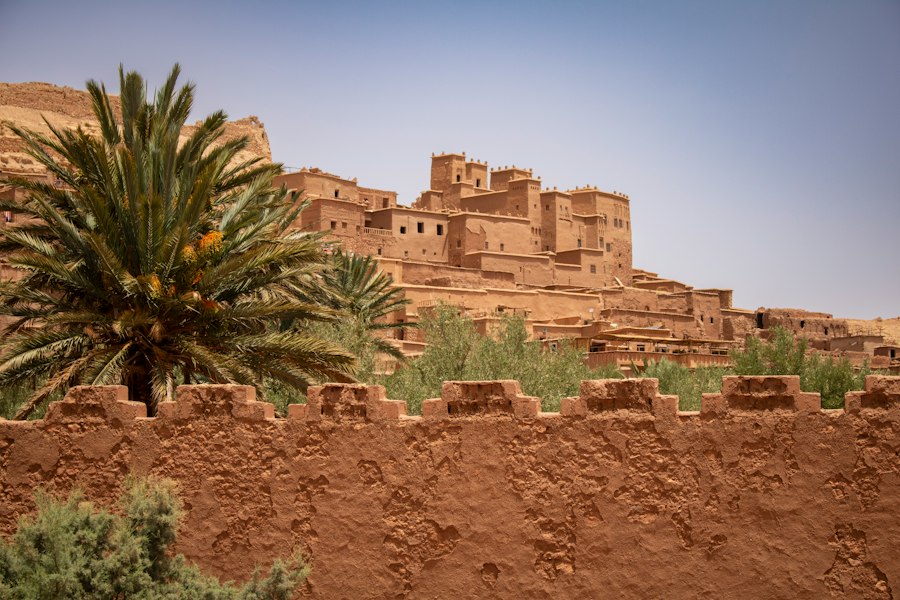
The northern reaches of Morocco, strategically positioned to influence Mediterranean trade and interaction, continue to yield significant archaeological revelations in 2026, particularly concerning the Roman period and the cultures that preceded it.
Unveiling the Urban Fabric of Volubilis
The magnificent Roman city of Volubilis, a UNESCO World Heritage site, remains a focal point of archaeological research. In 2026, excavation efforts are concentrating on previously unstudied sectors of the city, aiming to expand our understanding of its urban planning, economic activities, and social stratification. New discoveries of residential areas, workshops, and public spaces are providing a more complete picture of daily life for the city’s inhabitants. The excavation of a large mosaic floor in a newly uncovered peristyle has revealed intricate scenes depicting mythological narratives and local fauna, offering invaluable insights into Roman artistic tastes and cultural influences. Beyond the purely architectural, the analysis of imported pottery shards, amphorae fragments, and coinage is shedding light on Volubilis’s extensive trade connections with other parts of the Roman Empire, from Italy and Greece to Egypt and beyond. The identification of specific trade routes and the types of goods exchanged are crucial for understanding Morocco’s role in the wider Roman economic network. Furthermore, ongoing research into the city’s water management systems and agricultural hinterland is revealing sophisticated engineering and resource management practices.
Recent discoveries in ancient Morocco archaeology have shed light on the region’s rich history, revealing artifacts that date back thousands of years. These findings not only enhance our understanding of early civilizations in North Africa but also connect to broader discussions about ancient cartography and exploration. For those interested in the intricacies of historical maps, a fascinating article titled “Unraveling the Piri Reis Map Controversy” explores the significance of ancient navigation and its implications for our understanding of the past. You can read more about it here.
Punic and Phoenician Settlements on the Coast
The Phoenician and Punic presence in Morocco, dating back to the first millennium BCE, is becoming increasingly clear with new discoveries along the Atlantic coast. Sites like Lixus, a ancient city with a rich Phoenician and Roman history, are undergoing renewed investigation. In 2026, archaeologists are focusing on uncovering more evidence of the Phoenician port infrastructure and their settlements before the Roman conquest. The discovery of intact Phoenician pottery, bronze artifacts, and architectural elements is helping to reconstruct the layout and daily life of these early maritime communities. The analysis of epigraphic finds, such as inscriptions on stelae and pottery, is crucial for understanding the language and administrative structures of these Punic settlements. These inscriptions often provide names of individuals, deities, and local officials, offering a direct connection to the people who lived there centuries ago. The economic activities of these coastal communities, particularly their involvement in maritime trade and the exploitation of marine resources like garum (fish sauce), are also being explored through the analysis of faunal remains and the discovery of specialized processing facilities. The relationship between these Phoenician settlements and the indigenous Berber populations is another area of keen interest, with evidence of cultural exchange and interaction being meticulously sought.
Indigenous Berber Civilizations Before Roman Domination
Beyond the well-documented Roman and Punic layers, the archaeological focus in 2026 is also intensifying on the indigenous Berber civilizations that flourished in Morocco before and during Roman rule. Understanding their social structures, technological achievements, and spiritual practices is essential for a complete historical narrative. New excavations at sites in the Rif Mountains and the pre-Saharan fringes are revealing well-preserved settlements, burial sites, and evidence of sophisticated agricultural techniques. The discovery of unique pottery styles, bronze weaponry, and decorative artifacts is helping to define the material culture of these pre-Roman Berber societies. The analysis of burial mounds (tumuli) is providing insights into their social hierarchy, belief systems, and funerary practices. The presence of certain imported goods within these burials, even from distant lands, suggests pre-existing trade networks that predated Roman influence. Linguistic and genetic studies are increasingly being integrated with archaeological findings to build a more comprehensive understanding of the origins and movements of these ancient Berber populations. The resilience and adaptability of these indigenous cultures in the face of external influences are a testament to their enduring strength.
The Sahara’s Ancient Waterways and Desert Cultures
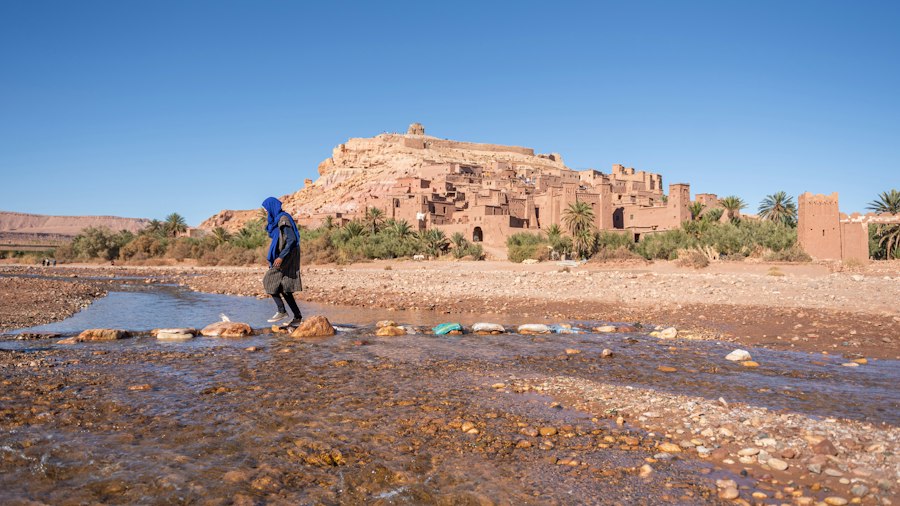
The vast Sahara Desert, once a lush landscape teeming with life, is increasingly revealing its ancient secrets in 2026, particularly concerning the periods when water was more abundant and human populations were more widespread.
Prehistoric Rock Art and Human Habitation
The stunning prehistoric rock art found throughout the Moroccan Sahara continues to captivate and inform. In 2026, new expeditions are utilizing advanced imaging techniques, including drone-based photogrammetry and lidar scanning, to document and analyze these ancient galleries with unprecedented detail. These techniques allow for the creation of high-resolution 3D models of the rock art sites, enabling researchers to study the compositions, techniques, and contexts of the engravings and paintings without physically touching the fragile surfaces. The subject matter of the art, depicting scenes of hunting, herding, and elaborate ceremonies, offers invaluable insights into the beliefs, social structures, and daily lives of the people who inhabited the Sahara thousands of years ago. The identification of previously unrecorded sites in remote and difficult-to-access areas is expanding our geographical understanding of prehistoric human activity in the region. The dating of associated archaeological layers, through radiocarbon analysis of organic materials found in proximity to the art, is providing a chronological framework for these artistic expressions, placing them within the broader context of Saharan environmental changes.
Evidence of Ancient River Systems and Lake Margins
Geological and archaeological research in 2026 is providing compelling evidence of ancient river systems and lake margins that once traversed the Sahara, supporting significant human populations. The study of sedimentary deposits, paleochannels, and fossilized flora and fauna is reconstructing the paleoenvironmental conditions of these wetter periods. Archaeological sites located on the shores of these ancient water bodies are yielding a wealth of artifacts, including stone tools, pottery, and evidence of fishing and animal husbandry. The discovery of well-preserved settlements near ancient lakebeds highlights the reliance of these early Saharan communities on these vital water sources. The analysis of pollen and phytoliths from these deposits is revealing the types of vegetation that once thrived, painting a picture of a savanna-like environment in areas now characterized by extreme aridity. Understanding the duration and intensity of these wetter phases is crucial for comprehending the ebb and flow of human habitation in the Sahara and the eventual adaptations that led to more nomadic lifestyles. The intersection of geology, paleoclimatology, and archaeology is proving to be a powerful multidisciplinary approach to understanding this dynamic region.
Emerging Insights into Saharan Trade Routes and Nomadic Lifestyles
The Sahara, far from being an impenetrable barrier, was traversed by ancient trade routes that connected diverse communities. In 2026, archaeological investigations are increasingly focusing on identifying the routes and the goods that were exchanged across this vast desert landscape. The discovery of ancient caravan routes marked by stone cairns and the identification of oasis settlements that served as vital stopping points are shedding light on the logistics of trans-Saharan trade. Artifacts such as beads, pottery, and metal objects found at these sites indicate connections with regions far beyond the Sahara, suggesting a sophisticated network of exchange that predates later Arab influences. Furthermore, the study of nomadic burial sites and their associated material culture is providing insights into the social organization and spiritual beliefs of the ancient nomadic peoples who adapted to life in the desert. The resilience and ingenuity of these nomadic cultures, in developing unique strategies for survival and resource management in an extreme environment, are a testament to their deep

They Found a 4,000-Year-Old Defense Line in Morocco
FAQs
What significant archaeological discoveries have been made in ancient Morocco in 2026?
In 2026, archaeologists in ancient Morocco made significant discoveries, including a well-preserved Roman villa with intricate mosaics, a burial site containing artifacts from the Carthaginian era, and a temple dedicated to a previously unknown deity.
How do these recent archaeological findings contribute to our understanding of ancient Morocco?
These recent discoveries provide valuable insights into the cultural, religious, and social practices of ancient Morocco, shedding light on the interactions between different civilizations that once thrived in the region.
What techniques are archaeologists using to uncover and preserve these ancient artifacts?
Archaeologists are utilizing advanced technologies such as ground-penetrating radar, 3D scanning, and drone surveys to locate and map archaeological sites. They are also employing meticulous excavation methods and conservation techniques to preserve the artifacts once they are unearthed.
Are there any upcoming archaeological expeditions planned for ancient Morocco in the near future?
Yes, there are several upcoming archaeological expeditions planned for ancient Morocco in the near future, focusing on unexplored regions and sites that have the potential to reveal more about the history and civilizations of the area.
How can the public get involved or support archaeological efforts in ancient Morocco?
The public can support archaeological efforts in ancient Morocco by staying informed about new discoveries, visiting archaeological sites as tourists, volunteering for excavation projects, and donating to organizations dedicated to preserving and studying the region’s cultural heritage.