The Aquatic Cargo: Early Innovations in Live Fish Transport
The image of ancient peoples carefully carrying baskets brimming with wriggling fish across land might seem peculiar at first glance. Yet, this seemingly simple act represents a profound understanding of biological needs and a sophisticated adaptation to environmental limitations, laying the groundwork for what we now recognize as aquaculture. Before the advent of refrigeration or advanced transportation networks, the ability to move live aquatic resources was not merely a matter of convenience, but a critical element of survival, trade, and cultural development. The challenges were immense: maintaining water quality, preventing injury, and ensuring the fish survived the journey. Examining the archaeological and ethnographic evidence offers a compelling glimpse into the ingenuity of our ancestors and their early mastery of live fish transport, a practice that predates formal agriculture and underscores the deep, symbiotic relationship between humans and aquatic ecosystems.
Ancient civilizations often exhibited remarkable ingenuity in their daily practices, including the transportation of live fish for sustenance and trade. This fascinating aspect of their culture is explored in various studies, shedding light on their methods and the significance of fish in their diets. For those interested in the mysteries of ancient practices, a related article discussing the alignment of the Giza Pyramid and its potential connections to ancient life can be found here: The Giza Pyramid Alignment Mystery.
Navigating the Waters: Challenges of Ancient Aquatic Transport
The successful transport of live fish across distances presented a formidable array of environmental and logistical hurdles for ancient societies. Unlike terrestrial animals that could be driven or herded, fish are entirely dependent on an aquatic medium for respiration, buoyancy, and thermoregulation. Removing them from their natural habitat immediately initiated a cascade of physiological stresses that, if not managed, would inevitably lead to mortality.
The Breath of Life: Oxygen Depletion and Water Quality
The most immediate and critical challenge was oxygen. Fish extract dissolved oxygen from water through their gills. In a confined container, the dissolved oxygen supply is finite and rapidly depleted by the fish’s metabolic processes. As fish respire, they also release waste products, such as ammonia, which can quickly become toxic in stagnant water. Ancient peoples, lacking the understanding of dissolved oxygen levels or chemical filtration, had to rely on empirical knowledge and intuitive methods to mitigate these risks.
Their solutions, though rudimentary from a modern scientific perspective, were remarkably effective. The use of porous containers, such as woven baskets made from reeds, rushes, or split wood, allowed for some degree of water exchange with the surrounding air. This passive aeration, while limited, was better than completely sealed vessels. Furthermore, the practice of selecting only healthy, robust fish for transport was likely crucial. Sick or weak individuals would have succumbed even faster to the stress of confinement. The choice of water itself also played a role; perhaps certain water sources, known for their clarity or perceived vitality, were preferred for transport vessels.
The Peril of Pressure: Physical Stress and Injury
Beyond the chemical challenges, the physical stresses of transport posed significant threats. The constant jostling and movement associated with any form of travel – whether carried on foot, by animal, or in a rudimentary boat – could inflict severe physical damage. Fish, with their delicate fins, scales, and internal organs, are susceptible to bruising, tearing, and internal trauma. Predators, even small ones, could also pose a threat if introduced into shared transport containers.
Ancient transporters developed various strategies to minimize these risks. The containers themselves were often designed with smooth interiors to reduce abrasion. Padding, perhaps with wet moss or vegetation, might have been employed to cushion the fish. The speed and gait of the carriers were also likely adjusted to be as smooth as possible. For longer journeys, the practice of replenishing water from fresh sources at regular intervals would not only help with oxygen levels but also wash away accumulating waste products. This suggests a cyclical approach to transport, where stops were made not just for the carriers’ rest but for the well-being of their aquatic cargo. The selection of appropriate species was also a factor; some fish, due to their sturdier build or less delicate fin structures, might have been favored for long-distance transport.
Temperature Turmoil: The Thermal Tightrope
Water temperature is another vital factor influencing fish physiology. Fish are ectothermic, meaning their body temperature is regulated by their environment. Rapid or significant temperature fluctuations can shock their systems, impairing gill function, immune responses, and overall survival. Transporting fish across diverse climates or during different seasons presented a considerable thermal challenge.
Ancient peoples, attuned to seasonal changes and local microclimates, likely employed strategies to mitigate temperature extremes. When transporting fish in hot weather, they might have traveled during cooler parts of the day, such as early morning or late evening. Carrying water in shaded areas or using damp coverings on the transport vessels could have helped to keep the water temperature lower. Conversely, in colder conditions, they might have sought ways to insulate the containers or traveled during warmer periods. The selection of appropriate water sources also played a role; deeper water sources tend to be more stable in temperature than shallow ones. The ability to source water from habitats with similar temperature regimes to the destination would have been a significant advantage.
The Vessels of Vitality: Ancient Innovations in Container Design
The success of live fish transport hinged on the development of containers that could sustain the fish and withstand the rigors of travel. While archaeological evidence for such containers can be ephemeral, consisting of fragmented materials or inferred from context, the available clues point to a remarkable degree of innovation and adaptation. These early vessels were not simply passive carriers; they were engineered solutions designed to address the specific biological needs of aquatic life.
Woven Wonders: Baskets and Their Adaptations
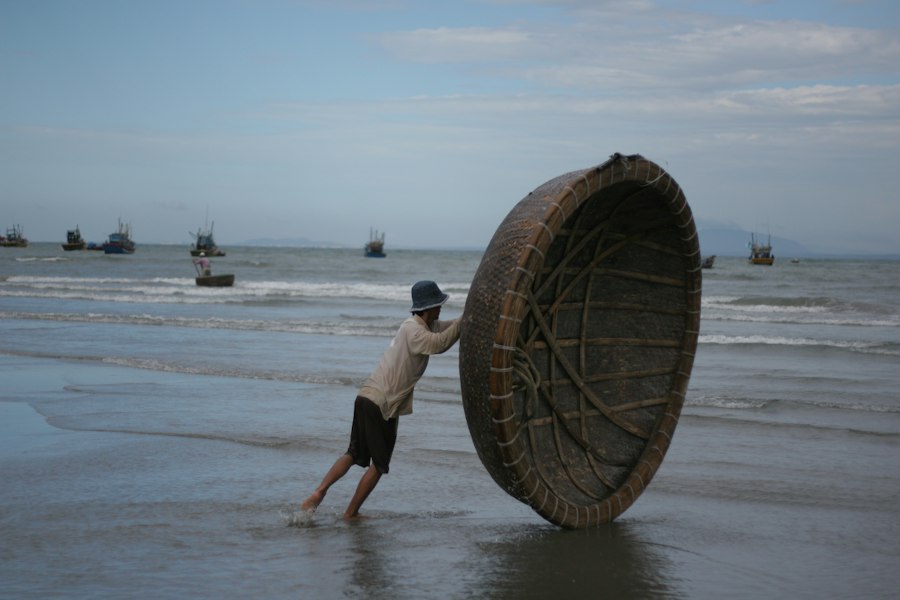
Woven baskets, crafted from readily available natural materials, formed the backbone of ancient fish transport. The flexibility and porosity of these materials offered a crucial advantage. Materials like reeds, rushes, willow branches, and split bamboo were intricately woven to create containers of varying sizes and shapes. The inherent spaces between the woven strands allowed for a degree of water exchange, facilitating passive aeration. This was a far more effective method than using solid, non-porous containers, which would quickly lead to suffocation.
The design of these baskets was likely tailored to the specific types of fish being transported. For smaller, schooling fish, finer weaves might have been employed to prevent escape, while for larger, more robust species, looser weaves could have been acceptable. Some baskets may have featured lids or covers, woven tightly to prevent fish from jumping out, but still allowing for airflow. The addition of handles or rigging for carrying by individuals or animals further demonstrates the practical considerations that went into their design. Evidence from various cultures suggests that these baskets were often kept wet during transit, either by periodically dipping them in water or by splashing water over them, further contributing to oxygenation and temperature regulation.
Beyond the Basket: Exploring Other Container Possibilities
While woven baskets are the most commonly inferred or directly evidenced containers, it is plausible that other materials and forms were utilized. Large gourds, with their natural cavity, could have served as rudimentary water containers. Clay pots, especially those with a slightly porous unglazed finish, might have offered a more durable, albeit less aerated, option for shorter journeys or for species that could tolerate less oxygen. In coastal or riverine communities, hollowed-out logs or even specially constructed floating containers, perhaps lined with buoyant materials, could have been employed for shorter, water-based transfers.
The careful selection of materials was also critical. Wood that readily absorbed water, like certain types of bamboo, or reeds known for their flexibility and durability, would have been preferred. The craftsmanship involved in weaving these containers, ensuring they were watertight enough to hold the fish and water but porous enough to allow for some gas exchange, speaks to a sophisticated understanding of material properties. The repair and maintenance of these containers would have also been an integral part of the process, with evidence of patching and re-weaving likely existing in the archaeological record, though often not preserved.
The Human Element: Practices and Knowledge Transfer
The successful and sustained practice of transporting live fish across ancient landscapes was not solely a matter of technological innovation; it was deeply intertwined with human knowledge, cultural practices, and the transmission of skills. This was a learned art, passed down through generations, and refined through observation and adaptation to local environments.
Empirical Wisdom: Generations of Aquatic Insight
The knowledge required to transport live fish was fundamentally empirical. It was derived from centuries of close observation of aquatic ecosystems and the behavior of fish within them. Ancient peoples understood, through practical experience, that fish needed water, that this water could become “bad,” and that continuous movement or fresh supplies were beneficial. They learned which species were more resilient, which times of day were best for travel, and how to handle the fish without causing undue harm.
This wisdom was not codified in scientific journals but lived and breathed within communities. Elders would impart their knowledge to younger generations, demonstrating techniques for selecting healthy fish, weaving appropriate containers, and navigating routes that offered access to water sources. The success or failure of a particular transport endeavor would provide immediate feedback, leading to the refinement of techniques over time. This continuous learning cycle, driven by necessity and environmental interaction, formed the basis of their expertise.
Trade, Tribute, and the Spread of Aquatic Goods
The ability to transport live fish undoubtedly played a significant role in ancient trade networks and the establishment of political entities. Live fish represent a valuable commodity, providing a source of fresh protein that could be transported far from its origin. This allowed for the development of specialized fishing communities that could supply inland settlements or urban centers with fresh seafood, a luxury in many non-coastal areas.
Furthermore, live fish could have served as valuable tribute or diplomatic gifts. Offering a live, prized fish from a distant river or lake would have been a testament to the giver’s reach and resources. The movement of live fish therefore facilitated not only economic exchange but also cultural diffusion and the establishment of alliances. The spread of fishing technologies and transport techniques would have followed these same pathways, carried by traders, migrants, and emissaries. The presence of certain fish species in archaeological sites far from their natural habitats can be indirect evidence of such transport practices.
Ritual and Sustenance: The Dual Role of Aquatic Resources
Beyond their practical and economic value, live fish likely held symbolic and ritualistic significance in many ancient cultures. Their ability to thrive in a different realm, their seemingly effortless movement through water, and their association with life-giving forces could have imbued them with spiritual importance. The careful transport of live fish for rituals, sacrifices, or sacred ceremonies would have demanded the highest levels of skill and respect for the aquatic creatures.
This dual role – as both a sustenance source and a symbolic entity – further underscores the importance of mastering their transport. The need to preserve their vitality for both practical and ritualistic purposes would have driven the development of ever more sophisticated methods. The act of transporting live fish, therefore, was not just about moving a resource; it was an integral part of their cultural and spiritual landscape, reflecting a deep reverence for the natural world and its bountiful aquatic gifts.
Ancient people often developed innovative methods for transporting live fish, which played a crucial role in their diets and economies. This practice not only showcased their understanding of aquatic ecosystems but also highlighted their resourcefulness in ensuring a steady food supply. For a deeper exploration of how ancient societies navigated various challenges, including resource management, you can read more in this insightful article about the role of geography in conflict resolution. To learn more, visit this article.
Archaeological Echoes: Unearthing the Evidence of Aquatic Journeys
| Region | Time Period | Method of Carrying Fish | Purpose | Fish Species | Estimated Distance Carried |
|---|---|---|---|---|---|
| Ancient Egypt | c. 3000 BCE | Clay pots with water | Transport for aquaculture and food | Nile Tilapia | Up to 10 km |
| Mesopotamia | c. 2500 BCE | Leather bags filled with water | Trade and farming | Carp | Several kilometers |
| Ancient China | c. 2000 BCE | Basket containers with water | Stocking ponds and markets | Common Carp | Up to 15 km |
| Indus Valley | c. 2500 BCE | Water-filled containers | Food supply and aquaculture | Catfish | Several kilometers |
| Pre-Columbian Americas | c. 1000 BCE | Leaf-lined baskets with water | Relocation and trade | Trout | Up to 5 km |
While the physical evidence of ancient live fish transport is often scarce and challenging to interpret, archaeological findings, combined with ethnographic parallels and logical inferences, paint a compelling picture of these early aquatic endeavors. The ephemeral nature of organic materials used in containers and the perishable state of fish themselves mean that direct proof is rare, but indirect clues are abundant.
Sites of Sustenance: Settlements and Their Aquatic Connections
The analysis of faunal remains at ancient settlement sites provides crucial insights into dietary practices and the likely sources of food. The presence of fish species in inland settlements, far from their natural aquatic environments, strongly suggests the existence of transport mechanisms. The condition of the bones, whether whole or fragmented, can offer clues about how the fish were prepared, but the presence of fish species that could not have naturally occurred in the local waters is the primary indicator of transport.
Archaeological investigations at ancient fishing villages or coastal settlements often reveal specialized tools and infrastructure related to fishing and potentially fish processing. While direct evidence of live transport containers might be rare, the presence of large quantities of fish scales, spines, and otoliths (ear bones) can indicate processing activities, and the geographical distribution of these remains can point to the reach of their fishing and trade networks. The discovery of intact or partially intact woven basket fragments, especially if found in conjunction with fish remains, would be a significant piece of evidence.
The Footprints of Transport: Trade Routes and Resource Management
The study of ancient trade routes and the geographical distribution of raw materials can indirectly illuminate the practice of live fish transport. If certain high-value fish species are found in archaeological contexts far from their origin, it implies a system of exchange that required the preservation of the commodity’s quality, which for fish would mean live transport. This is particularly relevant for species that lose their value or spoil rapidly when not kept fresh.
Furthermore, the location of settlements relative to water bodies and potential overland routes can provide context. A settlement located at a crossroads of ancient routes, with evidence of fish consumption, but situated in a region with limited local aquatic resources, strongly suggests the import of fish, likely in a live state to maintain freshness and value. The management of water sources along these routes, perhaps evidence of wells or collection points for replenishing water in transport vessels, could also be a subtle indicator of organized transport.
Ethnographic Parallels: Living Traditions as Archaeological Guides
When direct archaeological evidence is limited, ethnographic studies of contemporary or historically documented societies with similar environmental and technological contexts can serve as invaluable guides. Many indigenous communities around the world have long-standing traditions of transporting live fish using methods that likely mirror those employed by their ancient ancestors.
Observing how these communities manage their aquatic resources, the types of containers they use (woven baskets, gourds, etc.), the techniques they employ for keeping fish alive (aeration, water replenishment, minimizing stress), and the distances they travel can offer a tangible understanding of the practices of ancient peoples. These living traditions provide a framework for interpreting fragmentary archaeological findings and help to fill the gaps in our knowledge about the daily lives and ingenuity of past societies. The transmission of these skills and knowledge, from ancient times to the present, highlights the enduring effectiveness of these early innovations.
Ancient people often developed fascinating methods for transporting live fish, showcasing their ingenuity and understanding of aquatic life. This practice not only ensured a fresh supply of food but also reflected their deep connection to the environment. For those interested in exploring more about ancient civilizations and their remarkable skills, you can read an insightful article on Minoan celestial navigation that sheds light on their advanced knowledge and techniques. Discover more about this intriguing topic in the article here.
The Legacy of Aquatic Cargo: Paving the Way for Modern Aquaculture
The ancient practices of live fish transport, though seemingly rudimentary by today’s standards, represent a pivotal stage in humanity’s relationship with aquatic resources. These early innovations were not just about survival or immediate consumption; they laid the foundational understanding and logistical groundwork for the development of sophisticated aquaculture systems that are essential to global food security today.
From Catch to Cultivation: The Evolutionary Leap
The ability to transport live fish was a crucial intermediary step between simple foraging and full-scale cultivation. By successfully moving fish from one location to another, ancient peoples demonstrated a capacity to control and manipulate aquatic populations beyond their immediate natural habitats. This understanding of how to sustain fish life outside of their original environment was a prerequisite for the eventual domestication and controlled breeding of aquatic species.
The logistical challenges inherent in live transport – managing water quality, oxygen levels, and preventing stress – forced a deeper engagement with the biological needs of fish. This empirical knowledge, accumulated over millennia, provided the essential insights that would later inform the design of ponds, tanks, and hatcheries. The early transporters were, in essence, the first experimental aquaculturists, learning through trial and error how to keep aquatic life viable under managed conditions.
The Foundations of Food Security: Sustaining Populations
In many regions, the ability to transport live fish was critical for ensuring a consistent and reliable food supply. Inland communities, far from abundant natural fisheries, could access protein-rich resources through trade networks facilitated by live transport. This reduced reliance on unpredictable harvests or the spoilage of transported dead fish. The capacity to move live fish allowed for a more resilient food system, capable of buffering against local environmental fluctuations or overfishing in specific areas.
Furthermore, the practice of transporting live fish may have also contributed to the sustainability of wild populations. By being able to access fish from different locations, communities might have reduced the pressure on their immediate local fisheries, allowing them to recover. This suggests an early, albeit perhaps unconscious, understanding of resource management principles that are central to modern sustainable aquaculture.
A Continuing Tradition: Modern Aquaculture’s Roots
Modern aquaculture, with its advanced technologies and scientific understanding, owes a significant debt to the ancient practices of live fish transport. The principles of maintaining water quality, providing adequate oxygen, and minimizing stress remain central to successful fish farming. The development of specialized transport systems, from aerated tanks to specialized live haul trucks, are direct descendants of the early woven baskets and carefully managed journeys.
The legacy of these ancient innovators is evident in every aquaculture operation worldwide. Their ingenuity in overcoming the challenges of moving live aquatic cargo demonstrates a profound and enduring connection between humans and the aquatic world, a connection that continues to shape our food systems and our understanding of biological stewardship. The ancient art of carrying living fish across the land is a testament to human adaptability, foresight, and the deep-seated drive to harness and manage the resources of our planet for sustained survival and prosperity.

The 7,000-Year-Old Secret Hidden Under a Lake
FAQs
1. Were ancient people known to carry live fish?
Yes, there is evidence to suggest that ancient people did carry live fish for various purposes.
2. Why would ancient people carry live fish?
Ancient people likely carried live fish for food, religious ceremonies, trade, or as pets.
3. What methods did ancient people use to transport live fish?
Ancient people used various methods such as water-filled containers, specially designed baskets, or even small ponds to transport live fish.
4. In which ancient cultures was the practice of carrying live fish common?
The practice of carrying live fish was common in ancient cultures such as the Egyptians, Greeks, Romans, and Chinese.
5. What significance did live fish hold for ancient people?
Live fish held significance for ancient people in terms of sustenance, religious symbolism, economic value, and as a form of entertainment or decoration.