
Harnessing the Sun and Stone: Ancient Persian Water Wisdom
The vast, sun-baked expanses of the ancient Persian plateau, a land often perceived as unforgivingly arid, were in fact home to a sophisticated agricultural system that defied the apparent limitations of its environment. For millennia, Persian farmers, driven by ingenuity and a profound understanding of their landscape, developed remarkable techniques to coax life from the desert. These methods were not merely about survival; they represented a transformative approach to land management, turning seemingly barren regions into fertile oases capable of sustaining complex societies. The core of this achievement lay in the ingenious manipulation and conservation of water, the most precious resource in a land where rainfall was scarce and unpredictable.
Ancient Persian desert farming techniques are a fascinating subject that highlights the ingenuity of early civilizations in arid environments. For those interested in exploring related topics, you might find an intriguing perspective on the intersection of ancient practices and modern technology in the article about the military agenda of space exploration. This article provides insights into how historical agricultural methods can inform contemporary strategies for sustainability in harsh conditions. You can read more about it here: The Secret Military Agenda of Space Exploration.
The Ingenious Architecture of Underground Waterways
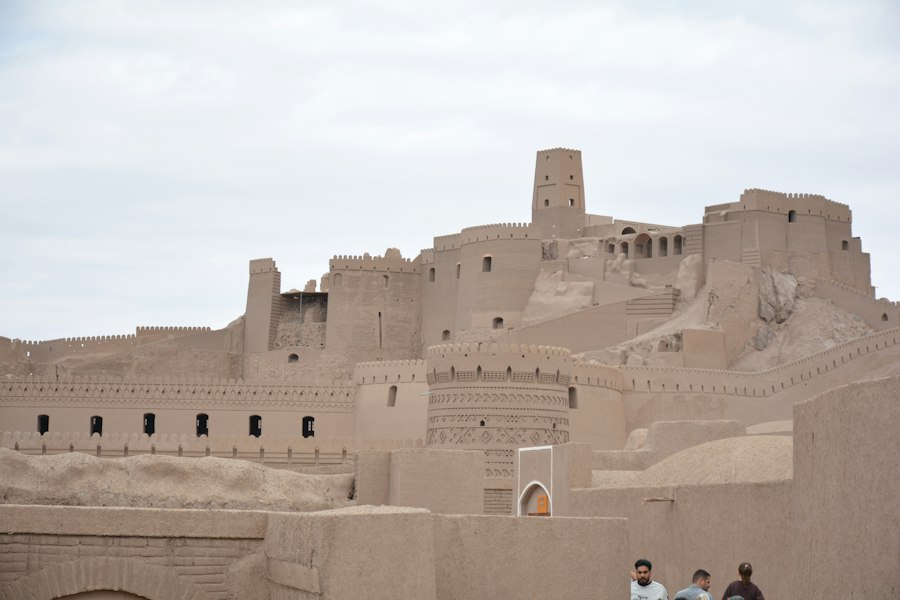
Perhaps the most iconic and influential of ancient Persian agricultural innovations is the qanat system. These remarkable feats of engineering represent a profound understanding of hydrology and an unwavering commitment to sustainable water management. The qanat, a gently sloping underground tunnel, tapped into subterranean water sources, typically in foothills or higher elevations, and channeled water over long distances to agricultural fields and settlements in lower-lying arid plains. This system was a paradigm shift from surface irrigation, which suffered immense losses due to evaporation in the harsh desert climate.
The Art and Science of Qanat Construction
The construction of a qanat was a labor-intensive and technically demanding process, requiring meticulous planning and execution. It began with the careful selection of a suitable water source, often identified by the presence of specific vegetation or slight depressions in the ground. Engineers would then meticulously survey the terrain, calculating the optimal gradient for the qanat to ensure a steady, gravity-driven flow without excessive speed that could cause erosion.
The digging itself involved a series of vertical shafts, known as “mother wells” or “access shafts,” sunk at regular intervals along the intended path of the qanat. These shafts served multiple crucial purposes: they provided ventilation for the workers digging underground, allowed for the removal of excavated soil, and enabled regular inspection and maintenance of the tunnel. The deeper the qanat became, the more challenging the digging, often requiring specialized tools and techniques to excavate through layers of rock and sediment.
The horizontal tunnel, the heart of the qanat, was dug connecting the bottom of these vertical shafts. This underground conduit was typically lined with stone or fired bricks to prevent collapse and minimize water leakage. The precision required in maintaining the correct gradient throughout the entire length of the qanat was extraordinary, often stretching for many kilometers. A slight deviation could result in water pooling, stagnation, or insufficient flow at the destination. The dedication and skill of the qanat diggers, often referred to as “moghannīs,” were legendary, and their craft was passed down through generations.
The Lifeline of Arid Agriculture
Once completed, a qanat acted as a reliable and constant source of water, effectively creating arable land in regions that would otherwise remain desolate. This steady supply allowed for predictable crop cultivation, moving beyond the vagaries of seasonal rainfall. The water delivered by qanats was typically cleaner and cooler than surface water, as it bypassed the direct exposure to the sun and potential contamination. This improved water quality contributed to healthier crops and a more efficient use of the precious resource.
The economic and social impact of qanats was profound. They facilitated the development of permanent settlements, fostered population growth, and supported thriving agricultural economies. Villages and towns were often strategically located around the outlets of qanats, transforming the desert landscape into a network of interconnected green spaces. The maintenance of these qanats was a communal responsibility, fostering strong social bonds and cooperative water management practices. The success of the qanat system is evident in its enduring legacy, with many still functioning today, a testament to the brilliance of ancient Persian engineering.
Beyond the Qanat: Complementary Water Harvesting Techniques
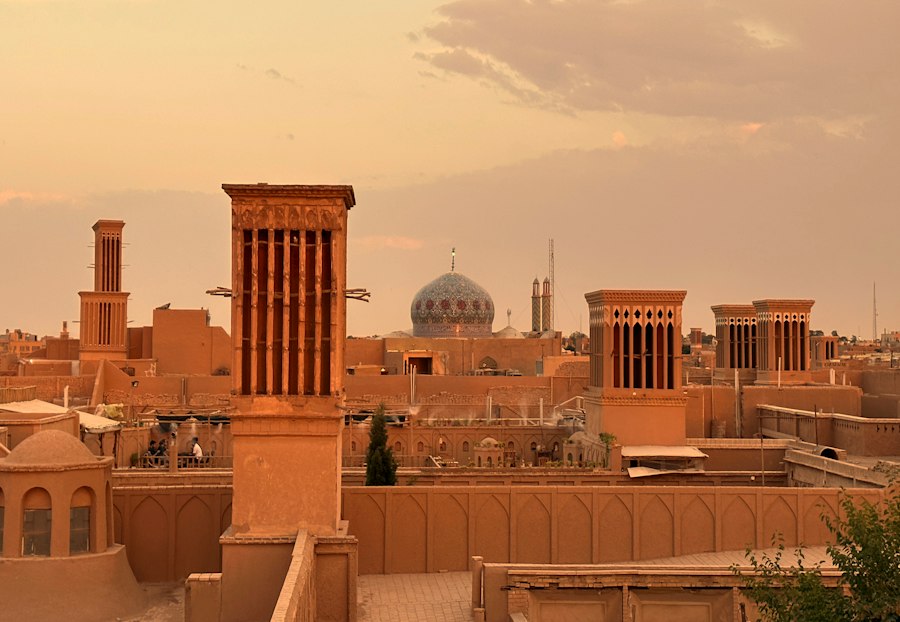
While qanats were the crown jewels of ancient Persian water management, they were not the sole solution. Recognizing the sporadic nature of rainfall, even in areas served by qanats, resourceful farmers employed a suite of complementary techniques to capture and store every drop of precious water. These methods, often implemented on a smaller scale, were crucial for maximizing agricultural productivity and ensuring resilience in the face of drought.
Cisterns and Reservoirs: Capturing the Skies’ Bounty
The simplest and most widespread method of water harvesting involved the construction of cisterns and reservoirs. In areas with slightly higher rainfall or where surface runoff was common, farmers dug pits and lined them with clay or stone to create reservoirs. These would fill during seasonal rains, providing a reserve for drier periods. Larger, more sophisticated reservoirs were often integrated into urban planning, serving both irrigation and domestic needs.
Cisterns, often built within or near settlements, were designed to collect rainwater directly from rooftops and courtyards. These underground or semi-underground structures helped to keep the stored water cool and protected from evaporation. The careful design of the collection surfaces and the diversion channels leading to the cisterns ensured maximum capture of even infrequent downpours. Some ancient cities boasted impressive networks of interconnected cisterns, capable of sustaining their populations for extended periods without external water sources. The skill in sealing these structures to prevent leakage was paramount, often involving specialized plastering techniques.
Terracing and Contour Farming: Working with the Slopes
In hilly or mountainous regions, where slopes presented a challenge for water retention, Persian farmers employed terracing and contour farming. Terracing involved the creation of level platforms on hillsides, supported by low walls or embankments. These terraces served to intercept rainwater runoff, allowing it to percolate into the soil rather than being lost as surface flow. The flattened surfaces also provided stable ground for cultivation.
Contour farming involved plowing and planting along the natural contours of the land. This practice, when combined with other water-harvesting measures like small bunds or ridges, slowed down the speed of water runoff, allowing more time for infiltration. By breaking up the natural slope, these techniques effectively reduced soil erosion and conserved moisture, making previously difficult-to-farm slopes productive. The systematic implementation of these techniques transformed arid hillsides into patchwork quilts of fertile fields.
Cultivating Resilience: Adaptive Farming Practices
The success of ancient Persian agriculture was not solely dependent on engineering marvels; it was also deeply rooted in a sophisticated understanding of plant physiology and soil science. Farmers developed a range of adaptive practices that maximized crop yields in challenging conditions and ensured the long-term sustainability of their agricultural systems. These practices were honed over centuries of observation and experimentation.
Crop Rotation and Fallowing: Nurturing the Soil
A cornerstone of ancient Persian agricultural wisdom was the understanding of soil health. Farmers recognized that continuous cropping of the same plants depleted specific nutrients and degraded soil structure. To combat this, they practiced crop rotation, systematically planting different crops in sequence on the same land. This helped to replenish soil nutrients, break disease cycles, and manage pest populations naturally.
For instance, legumes like lentils and chickpeas were often rotated with grains like wheat and barley. Legumes are known for their ability to fix nitrogen from the atmosphere, enriching the soil for subsequent grain crops. Furthermore, periods of fallowing, where land was left uncultivated for a season or more, were common. This allowed the soil to recover its fertility, conserve moisture, and improve its physical structure. The decision of when to fallow and which crops to rotate was often based on deep local knowledge of soil types and historical rainfall patterns.
Drought-Resistant Crops and Seed Selection
Ancient Persian farmers were adept at selecting and cultivating crops that were naturally adapted to arid and semi-arid conditions. They favored varieties of grains, legumes, and fruits that exhibited a higher tolerance to drought, heat, and salinity. These hardy crops required less water and could survive periods of prolonged dryness that would devastate less resilient species.
The careful selection of seeds from the most robust and productive plants was a crucial practice. This ensured that over generations, the cultivated varieties became increasingly well-suited to the local environment. This process of natural and artificial selection, driven by the harsh realities of desert agriculture, led to the development of unique and resilient crop landraces, many of which were highly nutritious and adapted to local culinary traditions.
Ancient Persian desert farming techniques have long fascinated historians and agricultural experts alike, showcasing how innovative practices allowed civilizations to thrive in arid environments. One particularly insightful article discusses the evolution of agricultural methods in challenging climates, drawing parallels with modern practices in different regions. For those interested in exploring this topic further, you can read about it in the article on industrial real estate in Mexico, which highlights how adaptation and resource management are crucial in various landscapes. Check it out here.
The Socio-Economic Fabric of Desert Agriculture
| Metric | Value | Details |
|---|---|---|
| Time Period | c. 1000 BCE – 500 CE | Ancient Persian desert farming flourished during the Achaemenid and Sassanian empires |
| Primary Crops | Wheat, Barley, Dates, Grapes | Crops adapted to arid conditions and irrigation methods |
| Water Management System | Qanat | Underground channels to transport water from aquifers to surface fields |
| Average Qanat Length | 5-10 km | Varied depending on terrain and water source location |
| Annual Rainfall | Less than 150 mm | Desert regions with minimal natural precipitation |
| Soil Type | Sandy Loam | Well-drained soil suitable for desert agriculture |
| Farming Techniques | Terracing, Crop Rotation, Irrigation | Methods to maximize water use and soil fertility |
| Estimated Agricultural Yield | 1,000 – 1,500 kg/ha (wheat) | Yield under qanat irrigation in desert conditions |
| Labor Force | Community-based | Maintenance of qanats and farming was a collective effort |
The sophisticated agricultural practices of ancient Persia were not isolated technical achievements; they were inextricably woven into the social and economic fabric of the region. The management of water and land resources fostered unique forms of social organization, governance, and economic interdependence. The collective nature of many of these practices necessitated strong community structures and a shared sense of responsibility.
Communal Water Management and Governance
The maintenance and distribution of water from qanats and other communal water sources required robust governance structures. Water rights were often clearly defined, and disputes were resolved through established legal frameworks or community councils. The efficient and equitable distribution of water was paramount to preventing conflict and ensuring the survival of the community.
In many areas, a hereditary position of “water master” or “mirab” existed. These individuals were responsible for overseeing the operation of the qanat, ensuring its proper functioning, and allocating water to different users based on established rules and needs. Their authority was respected, and their decisions were binding. This system of communal water management fostered a sense of shared ownership and responsibility, reinforcing social cohesion.
Economic Specialization and Trade
The surplus agricultural production generated by these advanced farming techniques allowed for a degree of economic specialization and the development of trade networks. Regions that were particularly fertile due to abundant qanat water could produce a surplus of grains, fruits, and other foodstuffs. This surplus could then be traded with neighboring communities or more arid regions, contributing to the economic prosperity of the wider Persian world.
The development of sophisticated irrigation systems also facilitated the cultivation of cash crops and specialized products. For instance, the production of saffron, a highly valuable spice, was often concentrated in areas with favorable conditions and skilled agricultural practices. This economic diversification and trade further strengthened the interconnectedness of ancient Persian societies and their ability to thrive in challenging environments.
Ancient Persian desert farming is a fascinating topic that reveals how early civilizations adapted to challenging environments. The innovative techniques developed by Persian farmers allowed them to cultivate crops in arid regions, showcasing their ingenuity and resilience. For a deeper understanding of agricultural practices in historical contexts, you might find this article on desert farming particularly insightful, as it explores the relationship between environmental challenges and agricultural strategies throughout history.
The Enduring Legacy of Persian Desert Farming
The agricultural innovations of ancient Persia were not fleeting successes; they left
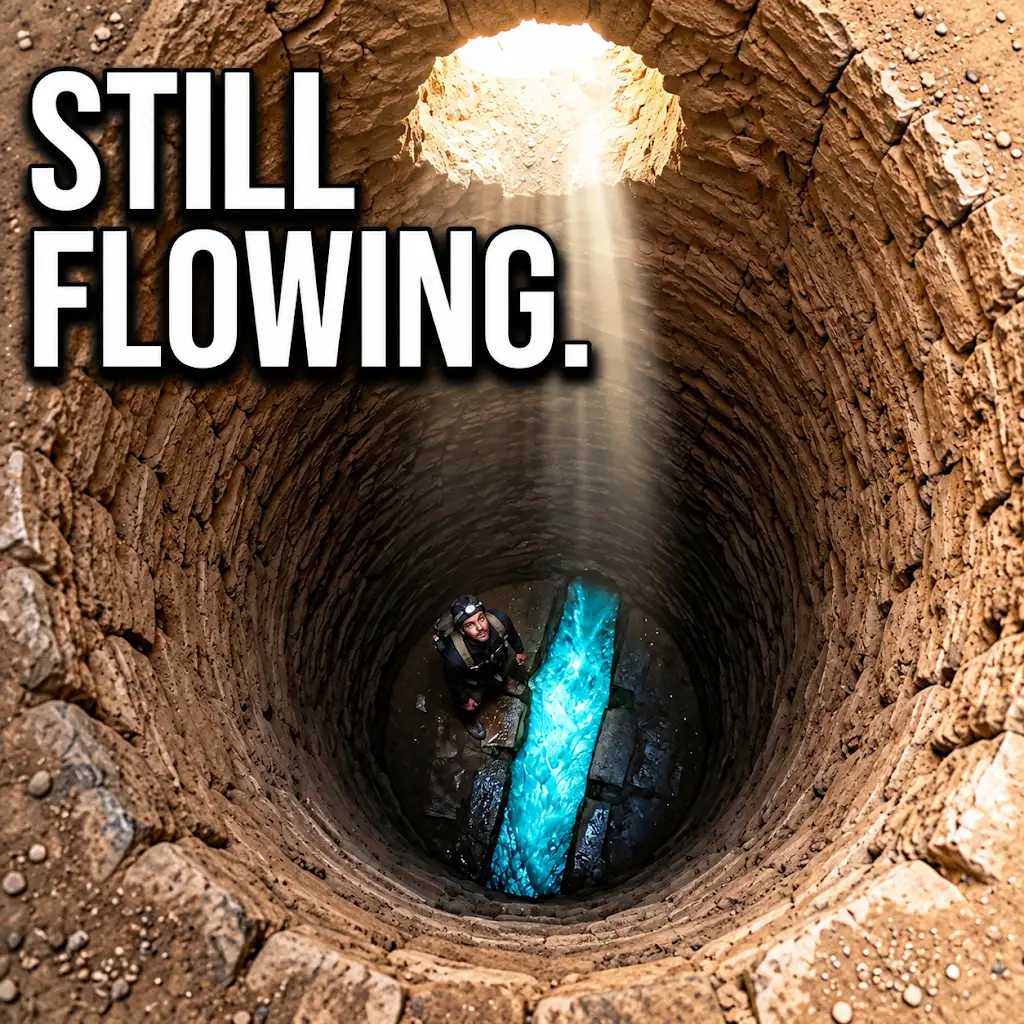
They Dug Water Tunnels Under the Desert… And They Still Flow
FAQs
What is ancient Persian desert farming?
Ancient Persian desert farming refers to the agricultural practices used by ancient Persians to cultivate crops in arid and desert regions, such as the Iranian plateau. These farming techniques were developed over thousands of years and were essential for sustaining life in harsh desert environments.
What were some key features of ancient Persian desert farming?
Ancient Persian desert farming relied on innovative irrigation systems, such as qanats (underground channels), to bring water from distant sources to the fields. Additionally, terracing of hillsides, crop rotation, and the use of drought-resistant crops were common practices in ancient Persian agriculture.
Which crops were commonly grown through ancient Persian desert farming?
Ancient Persians cultivated a variety of crops using desert farming techniques, including wheat, barley, dates, figs, pomegranates, and various legumes. These crops were well-suited to the arid climate and provided essential nutrients for the population.
How did ancient Persians adapt to the challenges of desert farming?
Ancient Persians developed sophisticated water management techniques, such as the construction of underground aqueducts and reservoirs, to ensure a stable water supply for their crops. They also practiced soil conservation methods and carefully selected crops that could thrive in arid conditions.
What is the significance of ancient Persian desert farming in history?
Ancient Persian desert farming played a crucial role in the development of civilization in the region, allowing communities to flourish in otherwise inhospitable environments. The agricultural innovations of ancient Persians influenced farming practices in neighboring regions and contributed to the cultural and economic prosperity of the Persian Empire.