The arid landscapes of ancient Persia, stretching across vast swathes of what is now Iran, presented a formidable challenge to human settlement and agricultural development. Survival, let alone prosperity, was inextricably linked to the ability to harness and manage the scarce water resources available. It is within this context of environmental constraint that the ingenuity of ancient Persians flourished, leading to a sophisticated and enduring legacy of water management technologies. Their innovations in irrigation and, most notably, the construction of qanats, represent a pinnacle of ancient engineering, shaping not only their society but also influencing water systems across a significant portion of the ancient world. This article delves into the rich history of ancient Persian water management, exploring the evolution of their irrigation techniques and the remarkable system of qanats that became synonymous with their prowess.
The Genesis of Persian Water Wisdom
The story of ancient Persian water management is as old as civilization in the region itself. Long before the rise of empires, early inhabitants recognized the vital importance of water and began to develop rudimentary methods for its collection and distribution. The proximity of fertile river valleys, such as those of the Tigris and Euphrates, provided an initial impetus, but the vast majority of the Persian plateau is characterized by aridity, necessitating more creative solutions. The earliest forms of water management likely involved simple rain catchment systems and the exploitation of natural springs. However, the true “water wisdom” of Persia emerged as a response to the perpetual challenge of securing a reliable water supply for agriculture, which formed the bedrock of their economy and society.
Early Agricultural Settlements and Water Dependence
The Fertile Crescent, bordering much of ancient Persia, was home to some of the earliest agricultural societies. These nascent communities, dependent on predictable rainfall and riverine systems, laid the groundwork for understanding water’s role in sustenance. As settlements expanded and populations grew, the limitations of rain-fed agriculture became increasingly apparent. The need to cultivate crops beyond the immediate vicinity of rivers and to buffer against periods of drought drove the search for more systematic approaches to water management. Archaeological evidence from sites across the Iranian plateau points to the development of early irrigation channels, diverting water from rivers and streams to agricultural fields. These early canals, though less complex than later systems, demonstrate a foundational understanding of gravity-fed water distribution and the need for organized labor to construct and maintain them.
The Influence of Geography and Climate
The geographical and climatic realities of the Persian plateau were the primary architects of its unique water management strategies. The region is characterized by high mountain ranges that capture winter snow and rainfall, which then flows down into arid plains and basins. This pattern, while presenting the challenge of transporting water from its source to areas of need, also offered a critical opportunity. The understanding that water often existed underground, percolating from the highlands through porous rock layers, was a crucial insight. Furthermore, the extreme diurnal and seasonal temperature fluctuations necessitated efficient water use to minimize evaporation. The ancient Persians developed a deep, almost intuitive, understanding of their environment, observing patterns of rainfall, groundwater flow, and the behavior of plants, which informed their technological advancements.
Persian water history is a fascinating subject that explores the intricate relationship between ancient civilizations and their water management systems. For those interested in understanding how water has shaped cultures and economies throughout history, a related article can be found at this link, which discusses the broader implications of resource management in different contexts.
The Evolution of Surface Irrigation
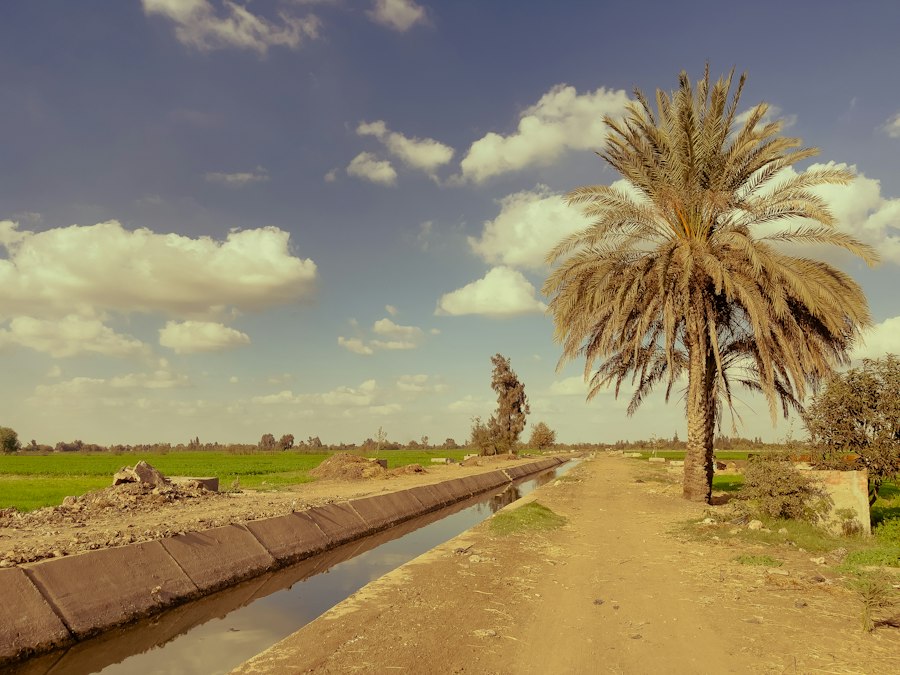
Before the widespread adoption of qanats, surface irrigation techniques formed the primary method of delivering water to crops in ancient Persia. These methods, while simpler in concept than subterranean systems, still required considerable engineering skill, labor, and organizational capacity. The goal was to capture available water, be it from rivers, springs, or cisterns, and guide it across agricultural land in a controlled manner. The development of these systems was a gradual process, refined over centuries through trial and error and the accumulation of practical knowledge.
Canal Networks and Diversion Structures
The construction of canals and diversion structures was central to ancient Persian surface irrigation. Rivers were the most significant source of water, and early engineers devised methods to dam or partially obstruct their flow to create reservoirs or to divert water into man-made channels. These diversion structures, often built from stone, earth, and reeds, were designed to regulate the volume and timing of water release. The canals themselves, dug by hand, varied in size and complexity, some being mere ditches and others more substantial arteries designed to carry water over long distances. The maintenance of these canals was a constant task, requiring regular desilting and repair to ensure efficient water flow. Communities often organized communal labor for these tasks, reflecting the shared reliance on these vital infrastructure projects.
Water Distribution and Control Techniques
Once water was diverted into the canal system, the challenge shifted to its equitable and efficient distribution to individual fields. This involved a hierarchy of channels, from main canals to smaller distribution ditches that branched out to individual plots. The ancient Persians developed sophisticated techniques for managing this distribution. They employed sluice gates, often made of wood or stone, to control the flow of water into different sections of the canal network. This allowed for the allocation of water based on crop needs, the availability of water at any given time, and the social or economic importance of different agricultural areas. The concept of water rights and the establishment of rules governing water sharing were likely integral to the functioning of these systems, preventing disputes and ensuring the optimal use of a precious resource. Flood irrigation, where fields were inundated with water, was a common practice, but the careful control of these inundations was key to preventing waterlogging and soil erosion.
The Role of Reservoirs and Cisterns
In regions with less consistent surface water flow or for purposes of water storage, reservoirs and cisterns played a crucial role. These structures were designed to capture and hold water, providing a buffer against dry periods or for use during times of peak demand. Reservoirs were often formed by constructing earthen dams across valleys or by excavating large basins. Cisterns, on the other hand, were typically smaller, underground structures designed to collect rainwater or water diverted from nearby sources. The construction of these storage facilities required considerable engineering foresight, ensuring their structural integrity and preventing leakage. The ability to store water allowed for a more reliable agricultural output and provided a vital resource for domestic use, especially in arid urban centers.
The Ingenuity of the Qanat System
The crowning achievement of ancient Persian water engineering, and arguably their most enduring legacy, is the qanat system. This revolutionary method of tapping into underground aquifers and transporting water over vast distances without significant loss due to evaporation represented a paradigm shift in water management. The qanat, a subterranean channel, is a testament to the ancient Persians’ deep understanding of geology, hydrology, and engineering principles. It allowed them to cultivate land far from natural water sources, transforming barren landscapes into fertile oases and supporting the growth of large, prosperous cities.
Principles of Qanat Construction
The construction of a qanat was a monumental undertaking, requiring meticulous planning and execution. The process began with identifying a potential water source – typically an alluvial fan at the base of a mountain range where groundwater was abundant. Engineers would then locate the appropriate gradient for the main tunnel, ensuring that gravity would carry the water from the aquifer to the surface without the need for pumps. Vertical access shafts, known as wells, were dug at regular intervals along the proposed route of the qanat. These shafts served multiple purposes: they allowed for the removal of excavated earth, provided ventilation, and enabled regular inspection and maintenance of the tunnel. The main tunnel itself was carefully excavated by hand, following a consistent slope and maintaining a uniform cross-section to ensure optimal water flow. The precise angle of the slope was critical; too steep and the water would flow too quickly, causing erosion; too shallow and it would stagnate.
The Structure and Functionality of Qanats
A typical qanat consists of three main components: the mother well (or intake well), the subterranean tunnel, and the outlet. The mother well is the deepest shaft, located at the highest point of the qanat, where it taps into the underground water table. From the mother well, the main tunnel, often several kilometers long, slopes gently downhill towards the destination. This tunnel is usually large enough for a person to walk through and is lined with stones or bricks in areas prone to collapse. The final section of the qanat emerges at the surface, where the water is released for irrigation or domestic use. The outlet of a qanat is often a carefully constructed channel or basin, designed to distribute the water efficiently to fields or into a settlement’s water system. The qanat’s subterranean nature is its greatest advantage, as it significantly minimizes water loss through evaporation, a critical factor in arid and semi-arid climates.
The Socio-Economic Impact of Qanats
The qanat system had a profound and transformative socio-economic impact on ancient Persia. It enabled the establishment of thriving agricultural communities in previously uninhabitable regions, leading to increased food production and population growth. The reliable water supply facilitated the cultivation of a wider range of crops, contributing to economic diversification and prosperity. Furthermore, qanats provided a consistent source of clean water for urban centers, supporting the development of large cities and complex social structures. The construction and maintenance of qanats often involved significant communal effort and organization, fostering strong social bonds and contributing to the development of sophisticated legal and administrative systems to manage water rights and responsibilities. The economic benefits generated by qanat-fed agriculture and settlements were substantial, contributing to the wealth and power of Persian empires throughout history.
Water Management Beyond Qanats
While the qanat system stands as a paramount example of Persian water ingenuity, it is important to recognize that ancient Persians employed a diverse range of water management techniques. Their approach was holistic, integrating various methods to optimize the use of this precious resource across different geographical contexts and societal needs. These complementary systems demonstrate a comprehensive understanding of water’s lifecycle and its multifaceted role in sustaining life and civilization.
Dams and Reservoirs for Surface Water Management
In addition to the subterranean qanat system, ancient Persians were skilled builders of dams and reservoirs to harness surface water. These structures were vital for capturing floodwaters from seasonal rivers and storing them for later use, especially in regions where underground water sources were less accessible or insufficient. The remains of ancient dams, some remarkably well-preserved, attest to their engineering prowess. These dams, often constructed from stone, earth, and mortar, were designed to withstand considerable water pressure and to control the release of water for irrigation and other purposes. The creation of artificial lakes behind these dams provided a stable water supply, allowing for more intensive agriculture and the support of larger populations. The management of these surface reservoirs often involved complex irrigation networks that fed water from the reservoirs to agricultural lands.
Innovative Watermills and Power Generation
The harnessing of water power was another area of significant innovation in ancient Persia. Watermills, powered by the flow of rivers or diverted water channels, were used for grinding grain and other forms of mechanical labor. While the exact origins are debated, evidence suggests that watermills were developed and utilized in the Persian world, contributing to increased efficiency in food processing and other industries. The controlled release of water through canals could also be used to power other mechanical devices, indicating an early understanding of hydraulics and the potential for water to serve as a source of energy. This further diversified their water utilization strategies, moving beyond mere irrigation and storage.
Urban Water Supply and Sanitation Systems
The development of sophisticated urban water supply and sanitation systems was a critical aspect of ancient Persian civilization, particularly in their grand cities. Beyond the qanats that supplied water to urban centers, intricate networks of pipes, cisterns, and public fountains were constructed to distribute water efficiently throughout the city. Evidence of lead pipes and well-maintained channels suggests advanced plumbing techniques. Furthermore, sanitation was not neglected; systems for waste disposal and drainage were implemented to maintain public health. The careful planning and execution of these urban water systems underscore the interconnectedness of water management with the overall health, functionality, and grandeur of their cities.
The intricate history of water management in Persia is a fascinating subject that highlights the ingenuity of ancient civilizations in adapting to their environment. For those interested in exploring how historical narratives intertwine with contemporary issues, a related article discusses the implications of sovereignty in modern contexts, which can be found here. This connection between past and present underscores the importance of understanding water rights and governance, a theme that resonates throughout Persian water history.
The Enduring Legacy and Global Impact
| Period | Water Management System | Key Features | Significance | Approximate Era |
|---|---|---|---|---|
| Ancient Persia | Qanat System | Underground channels to transport water from aquifers to surface | Enabled agriculture in arid regions, sustainable water supply | Circa 1000 BCE onwards |
| Achaemenid Empire | Canals and Reservoirs | Large-scale irrigation canals and water storage systems | Supported large urban centers and agriculture | 550–330 BCE |
| Sassanian Period | Advanced Qanat Networks | Expansion and maintenance of qanat systems, water mills | Improved agricultural productivity and urban water supply | 224–651 CE |
| Islamic Golden Age | Water Engineering Innovations | Introduction of water wheels (norias), improved irrigation techniques | Enhanced water distribution and agricultural efficiency | 8th–14th centuries CE |
| Modern Era | Dams and Modern Irrigation | Construction of large dams, modern canals, and water treatment plants | Increased water storage, hydroelectric power, urban water supply | 20th century onwards |
The innovations in water management developed by ancient Persians, particularly the qanat system, had a far-reaching and enduring legacy that extended well beyond their geographical borders. Their techniques were adopted and adapted by subsequent civilizations, influencing water management practices across continents and laying the groundwork for modern hydrological engineering. The ingenuity and resilience demonstrated by the ancient Persians in overcoming environmental challenges through their mastery of water continue to inspire and inform.
The Spread of Qanats to Other Cultures
The qanat system, a distinctly Persian innovation, proved to be so effective that it was replicated and adapted by numerous cultures across the ancient world. From the Arabian Peninsula and North Africa to the Indian subcontinent and even parts of China, the principles of subterranean water transport were adopted. These transplanted qanats, often built by or under the influence of Persian engineers and merchants, transformed arid landscapes in these regions, enabling the growth of agriculture and the establishment of new settlements. The spread of this technology is a testament to its universality and the ingenuity of its creators. In many instances, these systems have continued to function for centuries, providing vital water resources to communities.
Influence on Modern Water Engineering
The fundamental principles behind ancient Persian water management, particularly the understanding of gravity flow, aquifer tapping, and efficient water distribution, continue to be relevant in modern water engineering. While modern technologies have advanced dramatically, the core concepts of understanding hydrological cycles, managing groundwater, and designing efficient conveyance systems owe a debt to the early pioneers. The qanat, in its simplicity and effectiveness, serves as a historical case study in sustainable water management, offering lessons in resourcefulness and environmental adaptation that remain pertinent today. The careful observation of natural processes and the development of infrastructure that works in harmony with the environment are lessons that modern engineers can still learn from.
Preservation and Contemporary Relevance
Despite the passage of millennia, many ancient Persian water systems, including qanats, are still in use today, providing water for agriculture and domestic consumption in parts of Iran and neighboring countries. The recognition of their historical and cultural significance has led to efforts towards their preservation and documentation. UNESCO World Heritage sites, such as the ancient Persian qanats, highlight their importance as invaluable examples of human ingenuity. The study of these ancient systems offers critical insights into sustainable development, particularly in arid regions facing increasing water scarcity due to climate change. Their enduring functionality serves as a powerful reminder of the timeless value of clever, resource-efficient engineering. The ingenuity of ancient Persians in managing water is not merely a historical curiosity but a source of inspiration and practical knowledge for the challenges of the present and future.
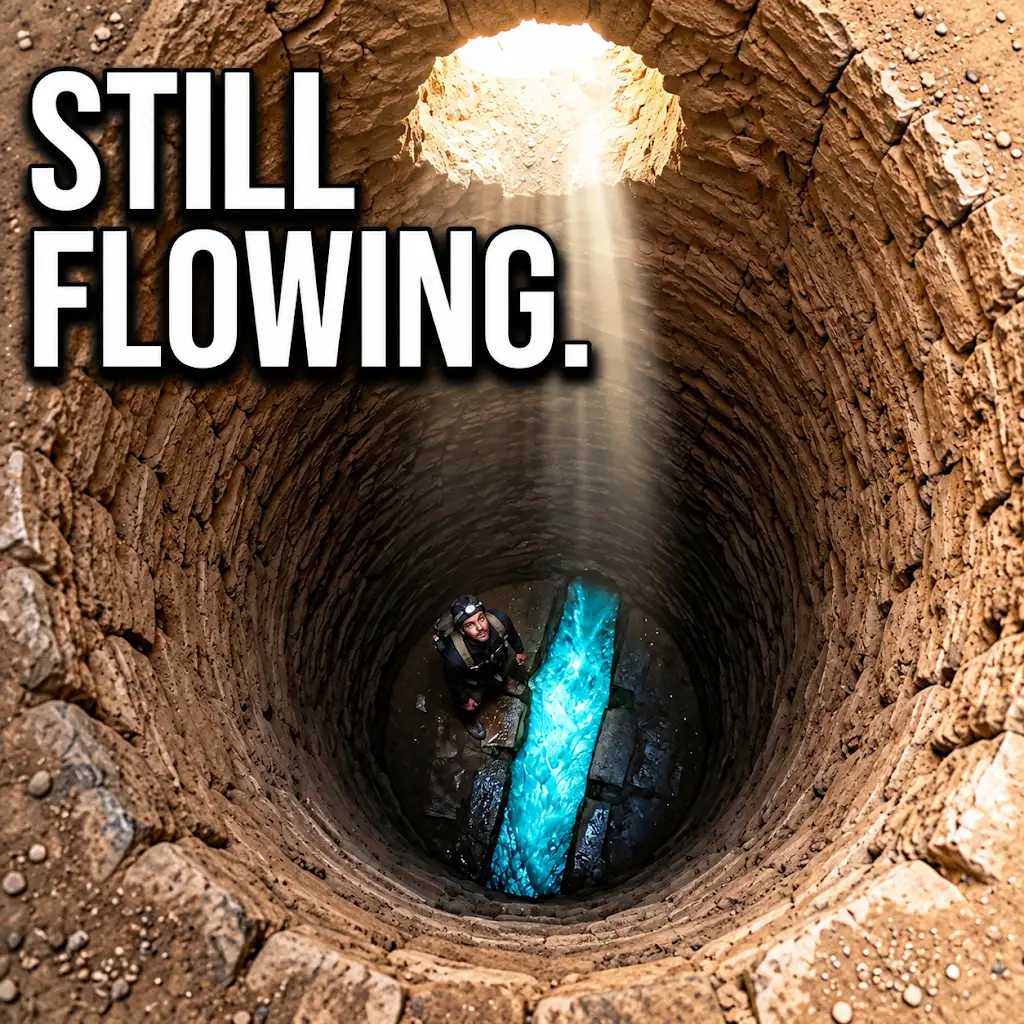
They Dug Water Tunnels Under the Desert… And They Still Flow
FAQs
What is the significance of water in Persian history?
Water has played a crucial role in Persian history as it has been essential for agriculture, trade, and the development of civilizations in the region.
How did ancient Persians manage their water resources?
Ancient Persians developed an advanced system of qanats, underground channels that tapped into groundwater sources and transported water over long distances for irrigation and drinking purposes.
What impact did the Achaemenid Empire have on water management in Persia?
The Achaemenid Empire, under the rule of Cyrus the Great and Darius the Great, constructed numerous dams, canals, and reservoirs to improve water distribution and agricultural productivity in Persia.
How did the Sassanian Empire contribute to the development of water infrastructure in Persia?
The Sassanian Empire built an extensive network of underground tunnels called “karez” to bring water from mountain springs to arid regions, showcasing their innovative approach to water management.
What is the legacy of Persian water management techniques in modern times?
Many of the ancient Persian water management techniques, such as qanats and karez, have influenced modern irrigation systems in the region and continue to be studied for their sustainable and efficient practices.