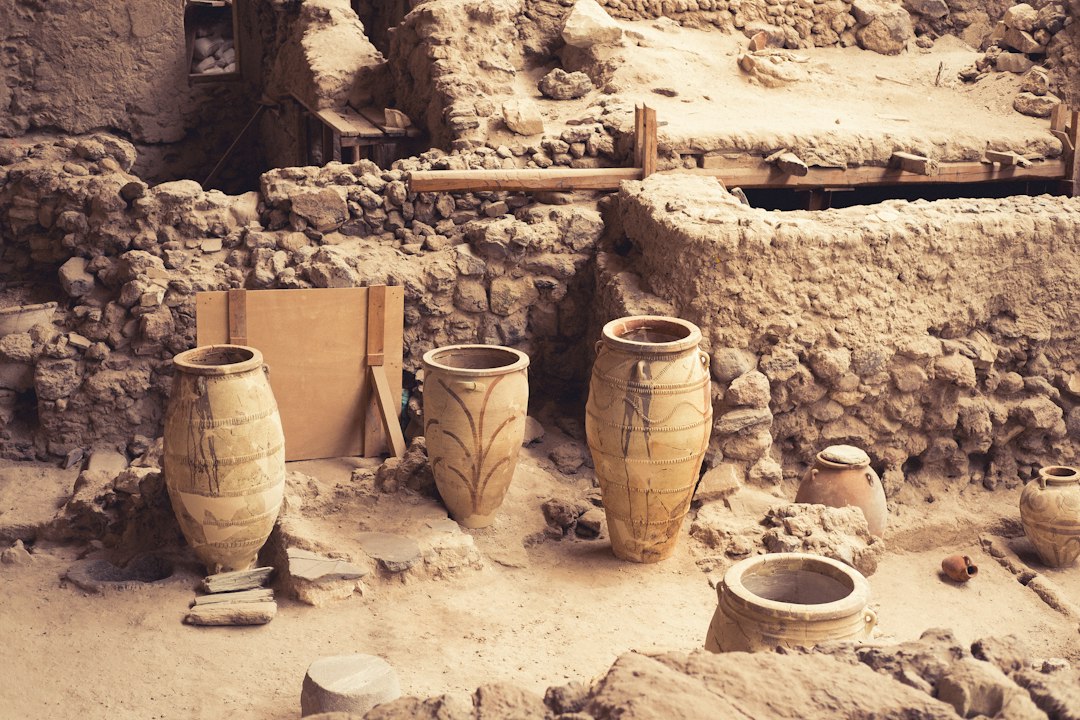
The arid plains and rugged mountains of ancient Persia presented a formidable challenge to human settlement. Water, the lifeblood of any civilization, was a precious and often scarce resource. Yet, against these odds, the ancient Persians developed a revolutionary and remarkably ingenious system for water management that allowed them to thrive in seemingly inhospitable landscapes. This system, known as the qanat (also spelled kanat or kariz), was a testament to their advanced engineering skills, deep understanding of hydrogeology, and foresight in resource planning. For millennia, qanats served as the primary source of water for irrigation, drinking, and industrial purposes across a vast swathe of the Middle East and beyond, leaving an indelible mark on the history of human ingenuity and sustainable development.
The Genesis of the Qanat: Addressing Aridity and Necessity
The development of the qanat system was not a sudden invention but rather an evolutionary response to the persistent environmental pressures faced by ancient Persian societies. The geographical realities of the Iranian plateau – characterized by high altitudes, low rainfall, and a pronounced seasonal variation in water availability – necessitated innovative solutions. The limited surface water, often found in swift, ephemeral rivers or dwindling springs, was insufficient to support significant agricultural development or the growth of urban centers. This scarcity fostered a culture of resourcefulness and a deep appreciation for every drop of water.
The Subterranean Revelation: Harnessing Underground Aquifers
The fundamental principle behind the qanat is its ability to tap into underground water tables, specifically the alluvial fans that form at the base of mountain ranges. These formations are rich in permeable gravel and sand, which act as natural reservoirs, collecting rainwater that percolates down from higher elevations. However, this water often lies deep beneath the surface, inaccessible through conventional wells. The qanat system ingeniously overcomes this challenge by creating a gentle, gravity-fed slope from the water source to the point of use, effectively bringing this hidden resource to the surface. This subterranean approach offered several critical advantages over surface water diversions or open wells. It protected the water from evaporation in the scorching sun, a significant problem in arid climates, and prevented contamination from surface debris and pollutants. The consistent, cooler temperature of the groundwater also made it ideal for both drinking and agriculture. The origins of qanat technology are believed to date back to at least the early first millennium BCE, with evidence suggesting its development and refinement in regions like western Iran. Early forms may have involved rudimentary collection shafts, but the true qanat system emerged with the systematic excavation of long, gently sloping tunnels.
The Role of Geography and Geology
The success of the qanat system is inextricably linked to the specific geological and topographical conditions prevalent in many parts of ancient Persia. The presence of layered sedimentary rock formations, interspersed with permeable strata, provided the necessary conditions for the formation of deep aquifers. The mountainous terrain also offered the elevation differential required to drive the flow of water through gravity alone. The broad alluvial fans, created by millennia of erosion from mountain slopes, acted as natural collectors and storage areas for groundwater. The Persians’ keen observation of natural phenomena, such as the locations of resilient vegetation or the presence of springs even during dry seasons, would have guided their initial explorations for suitable water sources. This intimate knowledge of their environment, combined with practical engineering, laid the groundwork for the qanat’s widespread adoption.
The ancient Persians developed sophisticated methods for water management that were crucial for their survival and agricultural success in arid regions. They constructed qanats, an underground system of tunnels that transported water from aquifers to fields and settlements, demonstrating their advanced engineering skills. This historical context is particularly relevant today as we face modern challenges related to water scarcity and displacement. For a deeper understanding of how climate change is influencing migration patterns and creating modern-day climate refugees, you can read more in this article: Climate Refugees: The Growing Crisis of Displacement.
The Mechanics of a Masterpiece: Construction and Design
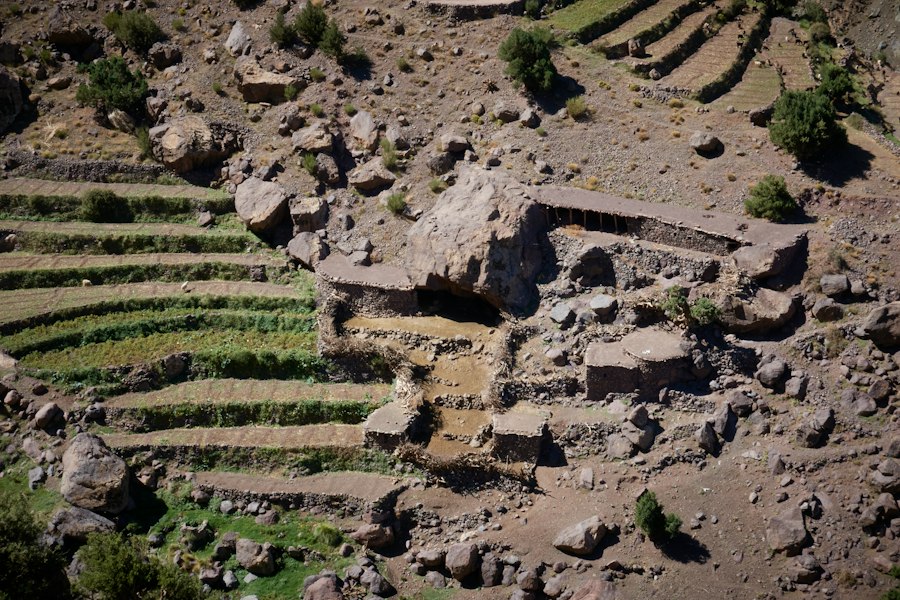
The construction of a qanat was a monumental undertaking, demanding immense labor, precision, and a profound understanding of engineering principles. It was a process that could take years, even decades, to complete, and required meticulous planning and execution. The efficiency and longevity of a qanat depended on a careful balance of gradient, tunnel size, and the strategic placement of ventilation shafts.
The Mother Well and the Gradient Principle
The starting point of any qanat is the “mother well” or “vertical shaft.” This is the deepest point of the system, located at the source of the underground aquifer. From this point, the tunnel begins to descend, following the natural topography towards the surface at the point of intended use, typically a village or agricultural fields. The gradient is crucial: it must be steep enough to allow water to flow, but not so steep as to cause erosion within the tunnel or rapid water discharge that could destabilize the structure. A typical gradient might range from 1:1000 to 1:2000, a seemingly slight incline that, over several kilometers, is sufficient to convey a steady stream of water. The precise determination of this gradient was a critical step, often achieved through the use of simple but effective surveying tools and techniques, reflecting a sophisticated understanding of geometry and measurement. The construction would proceed simultaneously from the mother well downwards and from the delivery point upwards, with workers excavating towards each other. This allowed for greater efficiency and provided intermediate access points for ventilation and debris removal.
Ventilation Shafts: Breathing Life into the Tunnels
A vital component of the qanat system, often overlooked in simpler irrigation methods, were the ventilation shafts. These vertical shafts, dug at regular intervals along the length of the tunnel, served multiple essential purposes. Firstly, they provided much-needed oxygen for the workers excavating the tunnel, especially in the deeper sections where air circulation would naturally be poor. Without these shafts, prolonged excavation would have been impossible and extremely dangerous. Secondly, they facilitated the removal of excavated earth and debris, which could be hauled up using baskets or rudimentary lifting devices. Thirdly, and perhaps most importantly for the long-term functionality of the qanat, these shafts allowed for the monitoring and maintenance of the tunnel. They provided access points for inspecting the tunnel walls for collapses, clearing blockages, and ensuring the continued flow of water. The spacing of these shafts was determined by factors such as the depth of the tunnel, the permeability of the soil, and the need for regular airflow. In flatter terrain, the shafts would be more frequent, while in more sloped areas, they could be spaced further apart.
The ancient Persians developed sophisticated methods for acquiring water, which were crucial for their survival and agriculture in the arid landscapes they inhabited. They constructed qanats, an underground system of tunnels that transported water from aquifers to populated areas, ensuring a reliable supply for irrigation and daily use. For a deeper understanding of how ancient civilizations adapted their technologies for resource management, you can explore this insightful article on resource management. This innovative approach not only supported their agricultural practices but also played a significant role in the expansion and sustainability of the Persian Empire.
Tunnel Construction: Precision in the Earth
The excavation of the qanat tunnel was an arduous and dangerous task. Workers, often skilled laborers using simple tools like picks, shovels, and chisels, would painstakingly dig through soil, sand, and rock. The tunnel walls were typically left unlined, relying on the natural stability of the earth. However, in areas with unstable soil, or where greater longevity was desired, sections of the tunnel might be reinforced with baked bricks or stone. The cross-section of the tunnel was generally kept narrow, just wide enough for a person to work comfortably, typically between 0.5 to 1 meter in width and 1 to 1.5 meters in height. This minimized the amount of material that needed to be excavated and reduced the structural load on the tunnel. The meticulous attention to maintaining the correct gradient throughout the entire length of the tunnel was paramount. Any deviation could lead to water pooling, silting, or a complete cessation of flow. This required a high degree of skill and constant vigilance from the excavators, guided by the surveyors.
The Flow of Life: Water Distribution and Management
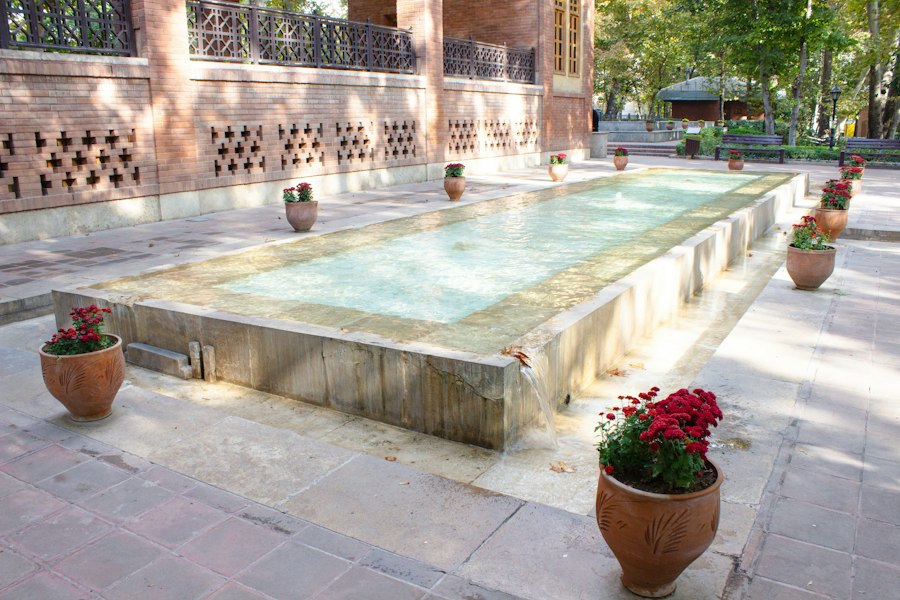
Once constructed, the qanat system became a lifeline, a constant and reliable source of water that transformed arid landscapes into fertile oases. The managed release and distribution of this precious resource were as critical as its extraction, ensuring its equitable use and preventing waste.
From Source to Surface: The Gentle Descent
The water, once collected in the mother well, would begin its journey underground towards the delivery point. The gentle slope ensured a steady, continuous flow, unaffected by the vagaries of surface weather. This constant supply of groundwater was a stark contrast to the unpredictable nature of rain-fed rivers or seasonal springs. As the tunnel approached the surface, the water would emerge into a collection basin or reservoir, often a stone-lined structure designed to manage the flow and prevent erosion at the point of emergence. From this reservoir, the water would be channeled through a network of smaller irrigation ditches (known as “jub” or “joob” in Persian) to reach the fields. The controlled release of water was a key aspect of agricultural practices, allowing for systematic irrigation and crop cultivation.
Community Governance and Water Rights
The management and maintenance of qanats were often a communal affair, fostering a strong sense of cooperation and shared responsibility among the communities that depended on them. Water rights and distribution schedules were meticulously established and adhered to, often codified in customary laws and regulations. These rules ensured that all users, from individual farmers to entire villages, received their fair share of water. Disputes over water allocation were typically resolved through established arbitration processes, reflecting the high value placed on this essential resource and the need for harmonious coexistence. The maintenance of the qanat itself was a shared burden, with villagers contributing labor or resources to clear silt, repair collapses, and ensure the continued flow. This collective stewardship was crucial for the long-term sustainability of the qanat system.
Agricultural and Urban Sustenance
The qanat system was the bedrock upon which ancient Persian agriculture flourished. It enabled the cultivation of crops in regions that would otherwise have been barren, supporting a growing population and fostering economic prosperity. Cereals, fruits, and vegetables were grown in abundance, and the reliable water supply allowed for multi-cropping and improved yields. Beyond agriculture, qanats also provided water for domestic use, supplying fresh, clean drinking water to settlements. In larger towns and cities, qanats were integrated into urban planning, with branches extending to public baths, fountains, and residential areas. The availability of a consistent water source was a major factor in the establishment and growth of many ancient Persian cities, transforming previously marginal lands into centers of civilization.
Enduring Legacy and Modern Relevance
Though many qanats have fallen into disuse or have been supplanted by modern water infrastructure, their legacy continues to resonate. The principles of qanat engineering offer valuable lessons for contemporary water management challenges, particularly in arid and semi-arid regions facing water scarcity.
A Testament to Ingenuity and Sustainability
The qanat system stands as a powerful testament to the ingenuity and resourcefulness of ancient civilizations. It demonstrates how human beings, through careful observation, deep understanding of their environment, and sophisticated engineering, could harness natural resources in a sustainable manner. The qanat’s reliance on gravity, its protection of water from evaporation and contamination, and its emphasis on community management all contribute to its inherently sustainable design. For centuries, it provided a reliable water supply without the need for external energy sources, a remarkable achievement in a pre-industrial age. The longevity of many qanats, some of which continued to function for over a thousand years, speaks volumes about the quality of their construction and the effectiveness of their design.
Echoes in the Modern World: Adapting Ancient Wisdom
In the face of increasing global water stress, climate change, and growing populations, the ancient qanat system is experiencing renewed interest. Modern engineers and hydrologists are studying qanats to understand their effectiveness and to explore ways in which their principles can be adapted to contemporary water management strategies. Techniques for mapping and rehabilitating existing qanats are being developed, and new qanat-like systems are being considered in regions facing similar environmental challenges. The traditional knowledge embedded within qanat construction and management, particularly regarding water conservation and equitable distribution, offers valuable insights for developing more resilient and sustainable water systems in the 21st century. The qanat, once a marvel of ancient engineering, continues to offer inspiration and practical solutions for the water challenges of our modern world.
The qanat system, with its elegant simplicity and profound effectiveness, represents a pivotal moment in the history of human civilization’s interaction with its environment. It was a system born out of necessity, honed by millennia of experience, and sustained by the collective efforts of communities. Its legacy is etched not only in the physical remains of these subterranean arteries but also in the enduring lesson that human ingenuity, coupled with a deep respect for nature, can overcome even the most challenging environmental constraints. The qanat stands as a powerful reminder that the solutions to many of our modern problems might well be found by looking to the wisdom of the past.
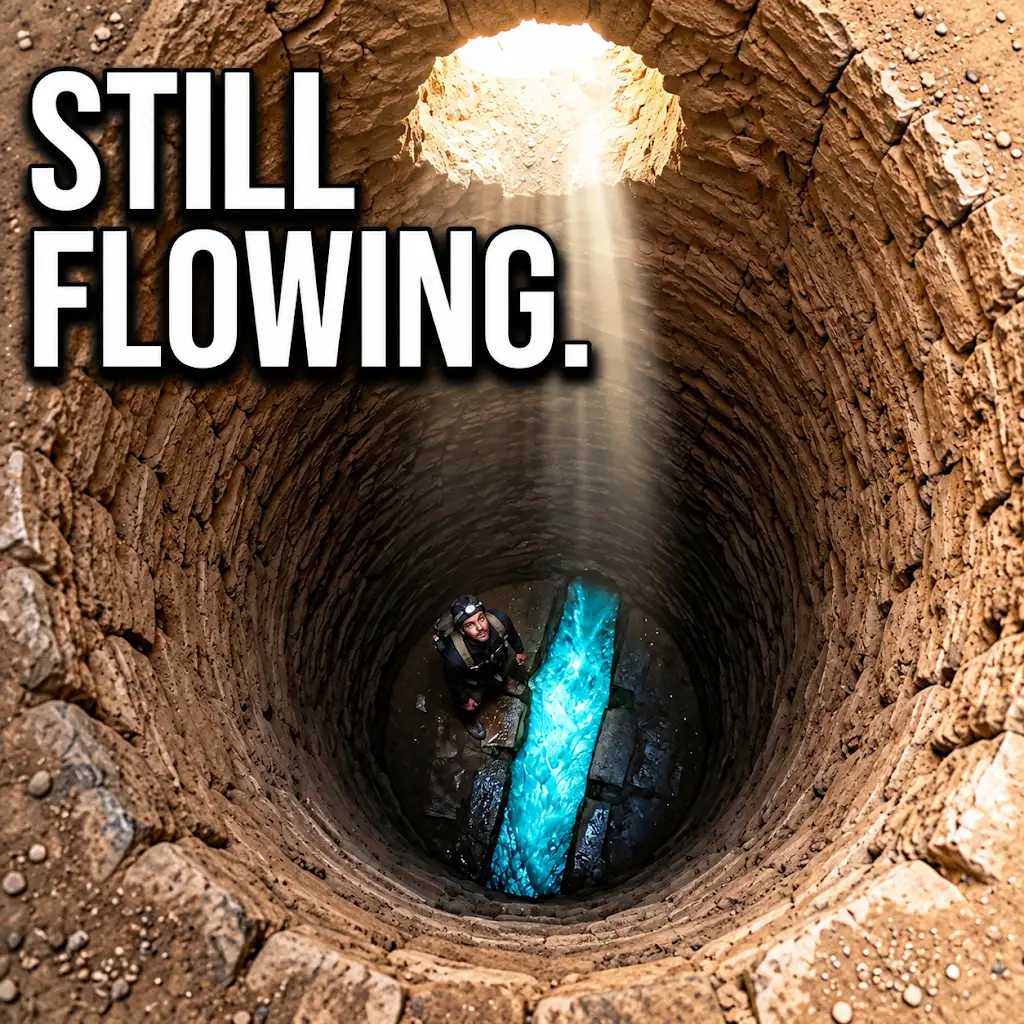
They Dug Water Tunnels Under the Desert… And They Still Flow
FAQs
1. How did ancient Persians transport water over long distances?
Ancient Persians used a system of underground aqueducts called qanats to transport water over long distances. These tunnels were dug at a slight downward slope to channel water from a water source, such as a spring or river, to the desired location.
2. What materials were used to construct qanats?
Qanats were typically constructed using a combination of stone, brick, and mortar. The tunnels were carefully engineered to maintain a consistent downward slope to ensure the efficient flow of water.
3. How did ancient Persians access water from qanats?
A vertical access shaft, known as a mother well, was dug periodically along the length of the qanat to allow people to access the water. Buckets or other containers were used to draw water from these shafts for various purposes.
4. How did ancient Persians ensure the cleanliness of the water in qanats?
Ancient Persians implemented various methods to maintain the cleanliness of water in qanats. These included using settling basins to allow sediment to settle out before the water entered the qanat system and periodically cleaning the tunnels to prevent blockages.
5. Were qanats only used for transporting water in ancient Persia?
Qanats served multiple purposes in ancient Persia beyond transporting water. They were also used for irrigation, providing a reliable water supply for agriculture, as well as for cooling and ventilation in underground structures such as homes and storage facilities.