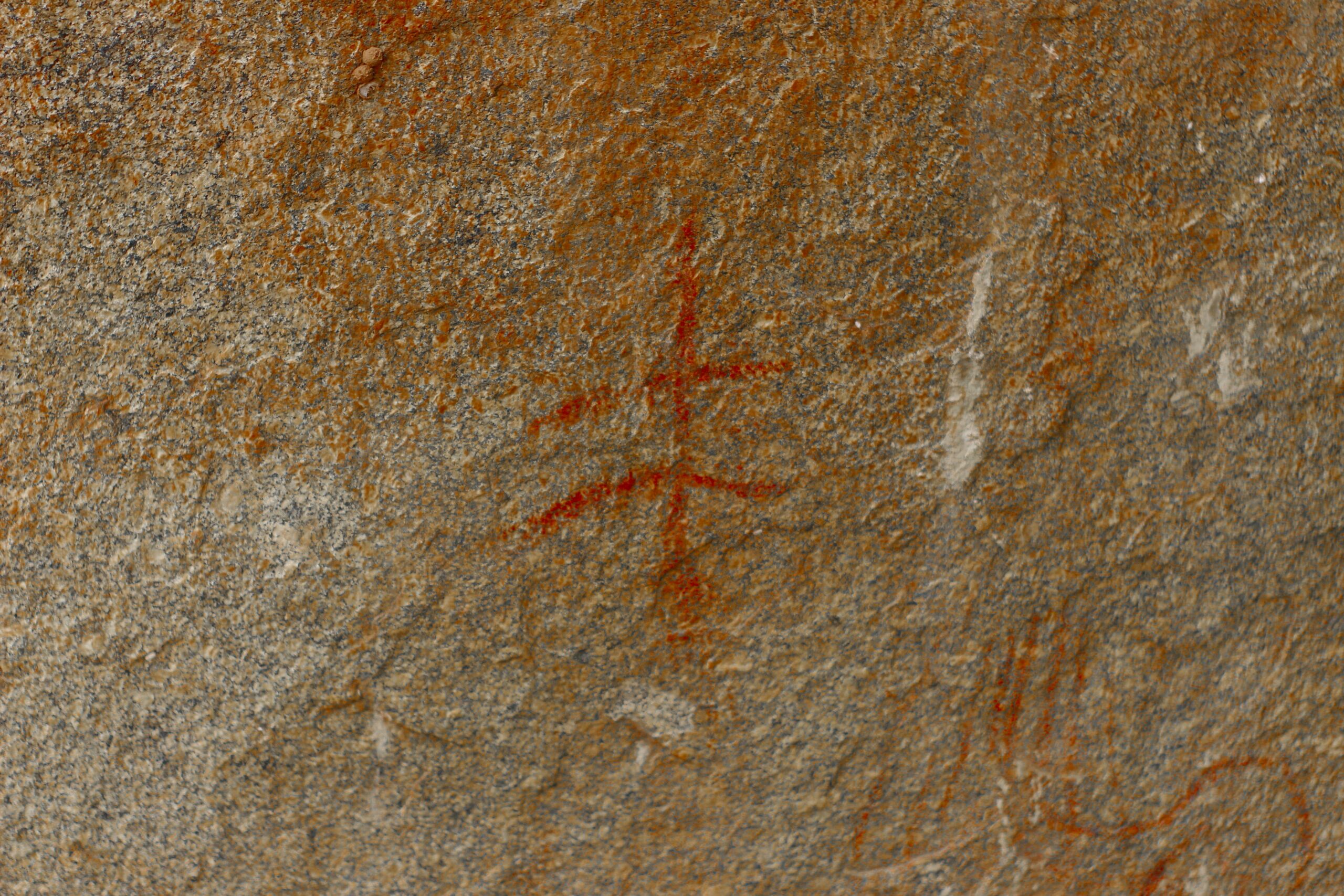
The silent sentinels of stone, etched by hands long turned to dust, offer a tantalizing glimpse into the minds of our earliest ancestors. These ancient rock carvings, found scattered across continents in caves, cliff faces, and isolated boulders, represent one of humanity’s oldest forms of artistic and symbolic expression. For millennia, these intricate designs have pondered archaeologists, anthropologists, and art historians alike, prompting a fundamental question: why did early humans dedicate their precious time and effort to create these enduring marks upon the landscape? While definitive answers remain elusive, a confluence of compelling theories, supported by archaeological evidence and ethnographic parallels, suggests a multifaceted motivation, rooted in the very fabric of their existence.
The Symbolic Landscape of the Past
The creation of rock art was not a random act. It was deeply embedded within the worldview and social structures of early human societies. These carvings were more than just pretty pictures; they were imbued with meaning, serving a variety of purposes that transcended simple aesthetic appreciation. Understanding the context in which this art was created is crucial to unlocking its secrets.
Communication and Narrative Threads
One of the most widely accepted theories posits that rock art served as a form of communication and storytelling. In societies that lacked written language, visual representations became vital for transmitting knowledge, preserving history, and reinforcing social bonds. Imagine a hunter returning from a successful expedition, meticulously carving the image of the prey onto a cave wall, perhaps to commemorate the kill, teach younger hunters about the animal’s behavior, or recount the events of the hunt. Such depictions could have served as mnemonic devices, aiding in the oral transmission of vital information passed down through generations.
The recurring motifs and stylistic variations found in different geographical regions suggest that these images were part of a shared visual language. Certain symbols might have represented specific animals, spiritual beings, or even abstract concepts. The repetition of certain figures, such as the ubiquitous hand stencils, could have conveyed messages of presence, identity, or even ritualistic claims to territory. The narratives woven into these carvings likely encompassed creation myths, ancestral stories, and accounts of significant events that shaped their communities.
Spiritual and Ritualistic Engagements
Beyond mere communication, rock art is often interpreted as having profound spiritual and ritualistic significance. Many researchers believe that these carvings were integral to shamanistic practices, religious ceremonies, and attempts to connect with the supernatural world. Caves, often dark and mysterious, were frequently sites for rock art, and their liminal nature may have made them potent locations for spiritual journeys and interactions with spirits.
Shamans, acting as intermediaries between the human and spirit realms, may have used the art to document their visions, invoke protective spirits, or guide souls. The abstract and geometric patterns sometimes found in rock art are particularly intriguing in this regard, as they are often associated with altered states of consciousness and trance-like experiences. The act of carving itself could have been a ritualistic act, a form of prayer or offering to the deities or spirits they believed governed their lives. The placement of certain carvings, deep within caves or in prominent, accessible locations, could also indicate their role in specific ceremonies or pilgrimage routes.
Marking Territory and Social Identity
The creation and display of rock art could also have served to demarcate territories and assert social identity. In a world where boundaries were fluid and resources could be scarce, visual markers would have been essential for defining tribal lands, sacred sites, or areas of particular importance. Carvings on prominent rock faces could have acted as territorial claims, signaling to other groups who held dominion over a particular region.
Furthermore, the unique styles and motifs found in different regions suggest a connection to group identity. The art could have acted as a visual signature for a particular clan or tribe, reinforcing a sense of belonging and shared heritage. The transmission of artistic styles from one generation to the next could have been a conscious effort to maintain cultural continuity and differentiate themselves from neighboring groups. This could have been particularly important during periods of migration or inter-group conflict.
Ancient people carved rock art for various reasons, including spiritual expression, storytelling, and marking territory. These artworks often served as a means of communication, conveying important cultural narratives and beliefs to future generations. For a deeper understanding of how ancient civilizations utilized their environment and technology, you can explore a related article on advancements in space domain awareness technology, which highlights the importance of understanding our surroundings, much like how early humans engaged with their landscapes. You can read more about it here: Advancing Cislunar Space Domain Awareness Technology.
The Hunter’s Palette and the Human Form

The subjects depicted in ancient rock art offer vital clues about the lives, beliefs, and concerns of early humans. Animals, in particular, dominate many of these ancient canvases, reflecting their central role in survival and their profound impact on the human psyche.
The Dominance of Fauna: A Reflection of Daily Life
Animals feature prominently in almost all forms of ancient rock art. This is hardly surprising, given that hunting was a primary means of sustenance for many early human groups. The skill and knowledge required to track, hunt, and process game were paramount for survival, and it is logical that these vital creatures would be a focal point of their artistic endeavors.
Depictions of bison, deer, mammoths, and other game animals were likely not merely observational studies. They could have been used in sympathetic magic, where by depicting a successful hunt, they were seeking to ensure its success in reality. The careful rendering of anatomical details, the portrayal of animals in motion, and the emphasis on their power and vitality suggest a deep respect and understanding of the natural world. The presence of predators, such as lions or wolves, also hints at the dangers and challenges faced by these early peoples, and perhaps their attempts to ward them off through symbolic representation.
Human Figures: Presence, Power, and Mystery
While animals often steal the show, human figures also appear in rock art, though often with less naturalism and more stylized representation. These figures can offer insights into social roles, rituals, and even individual identities. The presence of anthropomorphic beings, blending human and animal characteristics, further blurs the lines between the natural and supernatural, suggesting a complex cosmology.
Hand stencils, created by placing a hand against a rock face and blowing pigment around it, are among the most ubiquitous and enigmatic forms of rock art. These could represent the presence of an individual or group, a signature of sorts, or a plea for protection. Full human figures, sometimes depicted in elaborate headdresses or engaged in dancing or hunting, may illustrate social ceremonies, warfare, or mythical events. The deliberate omission of facial features in many human depictions could indicate a focus on the universal human form or a desire to avoid specific identification, perhaps for spiritual reasons.
The Abstract Realm: Patterns, Symbols, and the Unseen
Beyond the representational, a significant portion of ancient rock art consists of abstract and geometric patterns. Circles, lines, dots, and zigzags, while seemingly random, likely held specific meanings within the cultural lexicon of these early artists. These abstract forms are often found in conjunction with animal or human figures, suggesting they are not merely decorative but part of a larger symbolic language.
These abstract motifs are frequently interpreted as representations of the cosmos, spiritual energies, or concepts that are difficult to depict directly. They may also be linked to altered states of consciousness, as mentioned earlier, where the mind perceives patterns and forms not readily apparent in everyday reality. The deliberate application of color, using ochres, charcoal, and other natural pigments, would have further amplified the visual impact and symbolic resonance of these abstract designs. The exploration of these abstract elements is crucial for a holistic understanding of early human cognition and their engagement with the world around them.
The Craftsmanship of Creation

The very act of creating rock art was a significant undertaking, requiring skill, dedication, and an understanding of materials and techniques. The methods employed by early humans provide further insights into their ingenuity and their relationship with their environment.
Tools and Techniques: Shaping Stone and Pigment
The creation of rock carvings involved a range of sophisticated techniques, adapted to the specific geological formations and available resources. For carvings, the primary method involved abrasion. Early humans would have used harder stones to peck, scratch, and grind away at the rock surface, gradually revealing the desired image. This process was time-consuming and labor-intensive, requiring considerable patience and skill. The choice of rock type was also important, with softer rocks being easier to carve but less durable.
For painted rock art, the process involved collecting and preparing natural pigments. Ochres, derived from iron-rich clays, provided a palette of reds, yellows, and browns, while charcoal offered blacks. These pigments were ground into fine powders and then mixed with binders such as water, animal fat, or plant sap to create a paint. Application could have been done with fingers, brushes made from animal hair or plant fibers, or by blowing the pigment through hollow reeds, as seen in the hand stencils. The location of these art sites, often in remote and difficult-to-access areas, suggests a deliberate effort to preserve these creations and imbue them with a sense of sacredness.
The Power of Pigment: Color and Meaning
Color played a crucial role in the creation and interpretation of rock art, adding another layer of meaning and visual impact. The choice of pigments was not arbitrary; it was likely dictated by their availability, symbolic associations, and the desired aesthetic effect. Different colors may have been associated with specific deities, seasons, or emotions.
Red, often derived from hematite or ochre, is one of the most common colors found in rock art worldwide. It is frequently linked to blood, life, fertility, and passion, but also to danger and sacrifice. Yellow, often from limonite, can symbolize sunlight, divinity, or the earth. Black, derived from charcoal, can represent darkness, the underworld, or mystery. The combination of different colors, the layering of pigments, and the use of contrast would have enhanced the visual narrative and symbolic resonance of the art. The careful selection and preparation of these pigments demonstrate a sophisticated understanding of natural resources and their potential for artistic expression.
The Endurance of Art: Preservation and Legacy
The remarkable endurance of ancient rock art is a testament to the quality of the materials used and the protective environments in which they were often created. Sheltered caves and overhangs have shielded the art from the harshest elements, preserving it for millennia. However, exposure to weather, erosion, and human activity have also led to the degradation of many sites.
The very act of creating art that was intended to endure speaks to a desire for legacy and a connection to the future. These artists were not just creating for themselves or their immediate community; they were leaving a message for generations to come. The ongoing efforts to document, conserve, and protect these fragile sites are crucial for understanding our shared human past and for ensuring that these silent voices continue to speak to us. The rediscovery and study of these ancient masterpieces continue to inspire awe and wonder, reminding us of the enduring power of human creativity.
Deciphering the Silent Narratives
While the precise meanings behind ancient rock art may never be fully understood, various disciplines converge to offer educated interpretations and frameworks for comprehension. The ongoing dialogue between archaeology, anthropology, and art history continues to enrich our understanding of these enigmatic creations.
Archaeological Context: Dating and Association
Archaeological excavation around rock art sites can provide crucial contextual information. The dating of associated artifacts, such as tools or organic remains, can help establish a chronological framework for the art itself. The discovery of specific tools used for carving or painting, or evidence of ritualistic activities in the vicinity of the art, can further illuminate its purpose. For example, finding pigment residues or carved tools directly associated with a particular panel of art strongly suggests that those were the instruments and materials used.
The spatial distribution of rock art within a landscape or a cave system can also be significant. Art found in deep, inaccessible areas may have served a different purpose than art located in more public, visible locations. The relationship between different panels of art, and the order in which they might have been created or viewed, can also hint at narrative sequences or hierarchical significance. The careful mapping and analysis of these spatial relationships are integral to deciphering the underlying messages.
Ethnographic Parallels: Echoes of Tradition
Studying contemporary or historically documented indigenous cultures that maintain traditions of rock art creation can offer valuable insights. While direct comparisons must be made with caution, ethnographic parallels can provide analogies for the symbolic meanings and social functions of ancient art. For instance, if a modern indigenous group uses specific symbols in their rituals that are also found in ancient rock art, it can suggest a continuity of meaning.
Observing how these cultures use art in storytelling, ceremonies, or to mark territories can help us infer similar practices among our ancestors. The spiritual beliefs and cosmologies of living indigenous communities can also shed light on the potential spiritual significance of ancient carvings. However, it is crucial to avoid simplistic assumptions and to recognize the diversity of human cultures and their evolving traditions. The goal is not to directly equate ancient practices with modern ones, but to identify potential conceptual bridges.
Cognitive and Psychological Perspectives: The Human Mind at Work
From a cognitive and psychological perspective, rock art can be seen as a manifestation of fundamental human capacities for symbolic thought, abstraction, and creativity. The drive to leave a mark, to communicate beyond the immediate, and to impose order and meaning onto the world are all inherent aspects of the human psyche.
The presence of recurring motifs and the development of distinct artistic styles across different cultures suggest underlying cognitive processes related to pattern recognition, memory, and social learning. The engagement with abstract forms may also reflect a capacity for higher-order thinking and a desire to grapple with concepts that transcend the purely material. Understanding the cognitive biases and perceptual tendencies of early humans can help us interpret the visual language they employed. The desire to connect with the spiritual, to understand their place in the cosmos, and to leave a lasting legacy are all deeply rooted psychological drivers that likely fueled the creation of rock art.
Ancient people carved rock art for a variety of reasons, including spiritual expression, storytelling, and communication with future generations. These intricate designs often served as a means to document their experiences and beliefs, connecting them to their environment and each other. For a deeper understanding of how ancient cultures conveyed their messages through art, you can explore a related article that discusses the significance of such expressions in human history. This article highlights the importance of these artistic endeavors in shaping our understanding of ancient societies and their interactions with the world around them. To learn more, visit this insightful piece.
The Enduring Legacy of Stone
| Reason for Rock Art | Description | Examples | Significance |
|---|---|---|---|
| Communication | Used to convey messages, stories, or information to others in the community or future generations. | Petroglyphs depicting hunting scenes or territorial markers. | Helped maintain social cohesion and shared knowledge. |
| Religious or Spiritual Purposes | Depictions related to rituals, deities, or spiritual beliefs. | Symbols representing gods, spirits, or sacred animals. | Facilitated religious ceremonies and cultural identity. |
| Historical Record | Documented significant events, such as migrations, battles, or natural phenomena. | Scenes of battles or astronomical events. | Preserved cultural history and collective memory. |
| Artistic Expression | Served as a form of creative expression and aesthetic enjoyment. | Abstract patterns and intricate designs. | Reflected cultural values and individual creativity. |
| Educational Tool | Used to teach younger generations about survival skills, traditions, and social norms. | Illustrations of hunting techniques or animal behavior. | Ensured transmission of knowledge and skills. |
The ancient rock carvings stand as enduring testaments to the intelligence, creativity, and spiritual depth of our earliest ancestors. They are not merely relics of the past but active participants in our ongoing understanding of what it means to be human. Each etched line and painted stroke whispers stories of survival, belief, and the profound human need to express ourselves and to connect with something larger than ourselves.
A Window into Early Human Consciousness
The study of rock art offers an unparalleled window into the consciousness of early humans. It allows us to move beyond abstract theories of their lives and to engage with their tangible expressions of thought, emotion, and experience. These carvings reveal a world where the natural and supernatural were deeply intertwined, where animals held profound spiritual significance, and where the act of creation was a vital part of existence. They demonstrate a capacity for abstract thought, symbolic representation, and a complex understanding of their environment and their place within it.
The Unfinished Dialogue
Despite centuries of study, the full story of ancient rock art remains an unfinished dialogue. Each new discovery, each refined analytical technique, opens up new avenues of inquiry and challenges existing interpretations. The vastness of the global distribution of rock art, coupled with the inherent difficulties in dating and deciphering them, ensures that much will likely remain a mystery. However, this inherent ambiguity is also part of their allure, inviting continued exploration and fostering a sense of wonder.
Preserving the Past for the Future
The ongoing preservation of these ancient sites is paramount. As modern societies expand and environmental challenges mount, these fragile whispers from the past are increasingly at risk. Protecting rock art is not just about safeguarding archaeological treasures; it is about preserving an irreplaceable part of our shared human heritage, ensuring that future generations can continue to be inspired, challenged, and connected to the deep roots of our collective story. The silent stones, carved with such intention and artistry, continue to speak, offering profound insights into the enduring power of the human spirit.
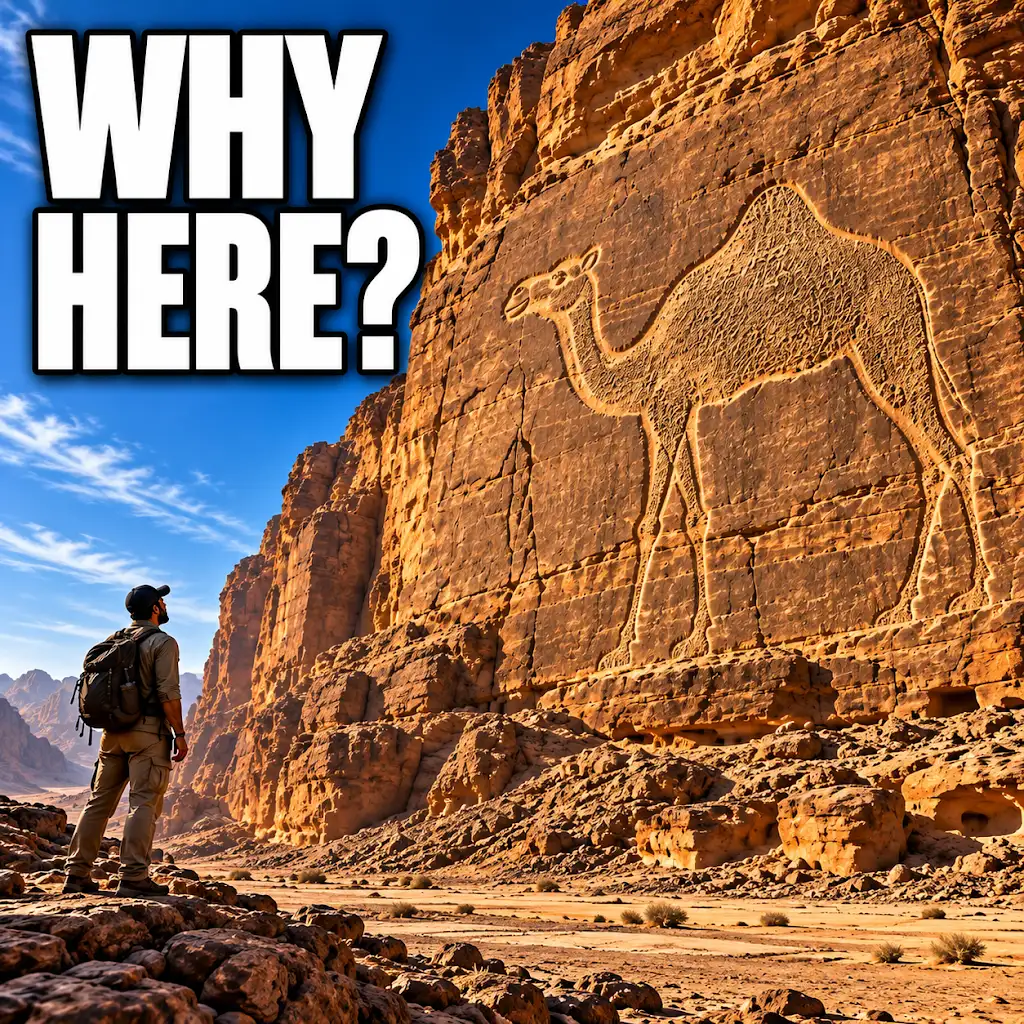
Why Were Giant Camels Carved Above the Desert?
FAQs
1. Why did ancient people carve rock art?
Ancient people carved rock art for various reasons, including communication, storytelling, religious or spiritual purposes, recording important events, and as a form of artistic expression.
2. What tools did ancient people use to create rock art?
Ancient people used a variety of tools to create rock art, such as sharp stones, bone tools, antler tools, and even their fingers. These tools were used to carve, scratch, or paint images onto the rock surfaces.
3. Where can ancient rock art be found?
Ancient rock art can be found all over the world, in various locations such as caves, cliffs, rock shelters, and boulders. Some well-known sites with ancient rock art include Lascaux in France, Altamira in Spain, and the rock art of the American Southwest.
4. What do we learn from studying ancient rock art?
Studying ancient rock art can provide insights into the beliefs, practices, daily life, and artistic abilities of ancient cultures. It can also help archaeologists and historians understand the cultural significance of certain symbols or images.
5. How has modern technology helped in the study and preservation of ancient rock art?
Modern technology, such as 3D scanning, digital imaging, and remote sensing, has greatly assisted in documenting, studying, and preserving ancient rock art. These tools help researchers create detailed records of rock art sites and monitor their condition over time.