The silent narratives etched into stone by our ancient ancestors offer a profound glimpse into worlds long vanished. These remarkable rock art sites, scattered across continents, serve as irreplaceable archives, holding within them vivid depictions of animals that no longer roam the Earth. Far from being mere decorative scribbles, these prehistoric masterpieces are invaluable scientific documents, providing tangible evidence of extinct megafauna and the ecosystems they inhabited. Through the careful observation and analysis of these ancient canvases, researchers are piecing together a more complete picture of Earth’s past, revealing a biodiversity that once thrived and then, for reasons still debated, disappeared. The art speaks to us not only of lost creatures but also of the keen observational skills and deep connection our forebears had with the natural world.
Whispers from the Paleolithic: Early Artistic Expressions of a Lost World
The earliest forms of human artistic expression, dating back tens of thousands of years to the Upper Paleolithic period, are intrinsically linked to the animal kingdom. Cave paintings and engravings found in sites like Lascaux in France, Altamira in Spain, and Chauvet Cave, also in France, showcase a remarkable level of artistic skill and a deep familiarity with the creatures that shared their environment. These ancient artists meticulously rendered the forms of powerful predators, graceful herbivores, and sometimes, beings that defy easy categorization. It is within these ancient galleries that the first tantalizing clues to extinct animal life begin to emerge.
The Majestic Aurochs: A Prehistoric Powerhouse Captured in Pigment
Among the most frequently depicted animals in Paleolithic rock art is the Aurochs (Bos primigenius), the wild ancestor of modern domestic cattle. These magnificent bovids, far larger and more formidable than their domesticated descendants, are shown with imposing horns and powerful physiques. The sheer number of Aurochs depicted in caves across Europe suggests their importance in the lives of prehistoric humans, likely as a primary food source and a symbol of strength. Their eventual extinction, attributed to a combination of hunting, habitat loss, and disease, marks a significant loss in the tapestry of European wildlife, a loss vividly memorialized in the ochre and charcoal strokes of our ancestors. The detailed rendering of their muscular bodies and distinctive horns in caves like Lascaux provides paleontologists with crucial anatomical data, helping to confirm and refine our understanding of this once-dominant species.
The Enigmatic Megaloceros: Giants of the Ice Age on Painted Walls
Another prominent figure in Paleolithic art is the Megaloceros, commonly known as the Irish Elk, though its range extended far beyond Ireland. This enormous deer, famous for its colossal antlers that could span up to 3.65 meters (12 feet), is a testament to the scale of life during the Pleistocene. While direct fossil evidence confirms their existence, rock art provides a dynamic representation, capturing the sheer grandeur of these creatures. The careful attention paid to the intricate branching of their antlers in some depictions suggests the artists understood their unique characteristics and perhaps their seasonal shedding and regrowth. The Megaloceros’s extinction, occurring around 7,700 years ago, is thought to be linked to the changing post-glacial environment and the difficulty of supporting such a large animal with massive antlers. Rock art images offer a visual counterpoint to the skeletal remains, bringing these ancient giants back to life in our imagination.
Sabertooth Cats and Woolly Rhinos: Fearsome Predators and Imposing Herbivores
The spectrum of prehistoric life depicted extends to the more formidable inhabitants of the ancient world. Images of sabertooth cats, with their iconic elongated canine teeth, evoke a sense of awe and trepidation. While identifying specific extinct species can be challenging, the presence of such large and dangerous predators in rock art underscores the perilous environment our ancestors navigated. Similarly, the woolly rhinoceros, a bulky herbivore adapted to cold climates, is also found in some prehistoric artworks. These depictions offer valuable insights into the fauna that coexisted with early humans, painting a picture of a world far wilder and more diverse than the one we inhabit today. The accuracy of these depictions, often showing distinct features like the dual horns of the woolly rhino, speaks to the observational prowess of these ancient artists and their intimate knowledge of their surroundings.
Rock art has long fascinated researchers, particularly in its depictions of extinct animals, which offer a glimpse into the lives of prehistoric humans and their interactions with the fauna of their time. An intriguing article that explores the ingenuity of ancient civilizations, including their artistic expressions, can be found at this link. This piece delves into the innovative inventions of the Hero of Alexandria, shedding light on the technological advancements that may have influenced the creation of rock art and the representation of extinct species within it.
Beyond Europe: Global Galleries of Extinct Behemoths
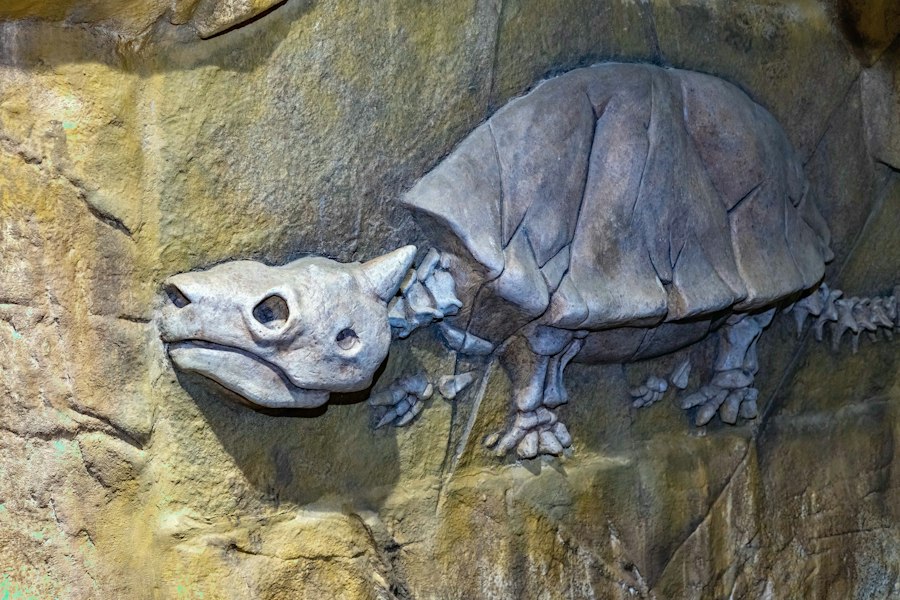
The phenomenon of rock art depicting extinct animals is not confined to the caves of Europe. Across the globe, from the vast deserts of Australia to the rocky outcrops of Africa and the Americas, ancient art tells similar tales of vanished fauna. These diverse geographical locations highlight the widespread presence of megafauna during prehistoric times and the universal human impulse to document and interpret the natural world through art. Each region presents its unique cast of extinct characters, offering a regional perspective on the planet’s ancient biodiversity.
Australian Megafauna: The Land of Giant Marsupials in Aboriginal Art
The Aboriginal rock art of Australia is particularly rich in depictions of extinct megafauna. For tens of thousands of years, Aboriginal Australians coexisted with a remarkable array of giant marsupials, many of which are now extinct. These include the Diprotodon, a rhinoceros-sized wombat-like creature, and the Procoptodon, a giant short-faced kangaroo. Rock art sites, such as those in the Kimberley region and Kakadu National Park, feature dynamic images of these animals, often depicted in dynamic poses, hunting scenes, and ceremonial contexts. The Arnhem Land Bradshaw paintings, among the oldest known rock art in Australia, also contain figures that scholars believe represent extinct megafauna. These artworks are not just artistic representations; they are invaluable ethnographic and paleontological resources, providing clues to the appearance, behavior, and eventual disappearance of these unique Australian giants.
African Giants: Evidence of Lost Mammals in Ancient Cave Paintings
Africa, the cradle of humanity, also boasts a rich legacy of rock art that sheds light on extinct animals. While many of the iconic African megafauna, such as elephants and rhinos, still survive, certain species have succumbed to extinction. Rock art in regions like the Sahara and Southern Africa sometimes includes depictions that scholars interpret as extinct animals. Identifying these definitively can be more challenging due to stylistic variations and the passage of time. However, certain stylized figures and anatomical anomalies in these artworks suggest the presence of creatures that are no longer part of the African landscape. These artistic records serve as complements to the fossil evidence, offering a visual narrative of species that have been lost to time.
The Americas: Traces of Extinct Mammals in Pre-Columbian Art
In the Americas, rock art from various indigenous cultures offers glimpses into a past populated by remarkable extinct mammals. The Pleistocene megafauna of North and South America included the giant ground sloth, the mastodon, and the saber-toothed cat. Petroglyphs and pictographs found in sites across the continents, while sometimes abstract, can be interpreted as representations of these ancient creatures. For instance, certain depictions in the southwestern United States and in South America have been suggested to portray extinct camelids or giant ungulates. The challenge in the Americas often lies in distinguishing between depictions of extant animals and those that are now extinct, requiring careful comparative analysis with fossil records and ethnological knowledge.
Deciphering the Art: Techniques and Challenges in Interpretation
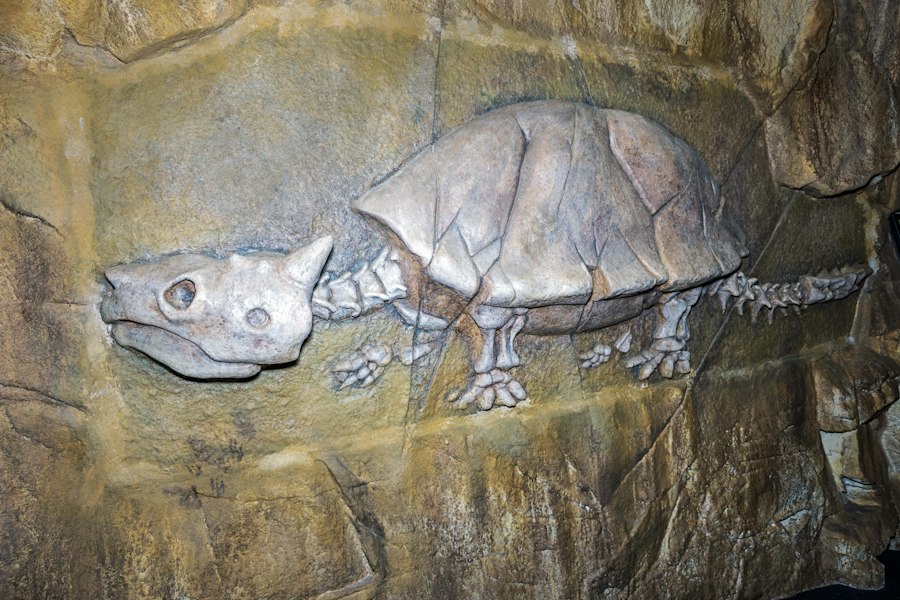
Interpreting ancient rock art is a complex and multidisciplinary endeavor. While the visual information is compelling, understanding the precise species depicted, the artists’ intent, and the environmental context requires a rigorous approach. Archaeologists, paleontologists, zoologists, and art historians collaborate to bring their expertise to bear on these ancient puzzles. The preservation of the art itself presents a significant challenge, with natural erosion, human interference, and the passage of millennia all taking their toll.
Pigments, Tools, and Techniques: The Artist’s Palette of the Past
The creation of rock art involved a sophisticated understanding of available materials and techniques. Prehistoric artists utilized natural pigments derived from minerals such as ochre (iron oxides), charcoal, and manganese oxide to create their images. These pigments were ground into powders and mixed with binders like animal fat, blood, or plant sap to create paints. Application methods varied, including finger painting, brushing with animal hair or plant fibers, and blowing pigment through hollow bones or reeds to create stencils. Engravings were made using sharp stone tools to incise lines and shapes into the rock surface. The careful selection of rock surfaces, often chosen for their texture and color, further demonstrates the artists’ deliberate approach to their craft. Analyzing the residue of pigments and tools can provide direct evidence of the materials used, offering further clues about the artists’ environment and resources.
Identifying the Unseen: The Paleontological Lens on Artistic Depictions
The primary challenge in identifying extinct animals in rock art lies in distinguishing them from their extant relatives or from stylized representations. Paleontologists play a crucial role by providing detailed knowledge of the skeletal structures, proportions, and distinguishing features of extinct species. By comparing the anatomical details in rock art – such as horn shapes, tusk lengths, body proportions, and limb structures – with fossil evidence, researchers can make more confident identifications. However, artistic conventions can sometimes lead to exaggerated or simplified depictions, making definitive identification difficult. The presence of multiple features that align with a known extinct species, rather than a single ambiguous detail, strengthens the argument for its depiction.
Context is Key: Environmental Clues from the Art
The surrounding environment and the other elements depicted in the rock art provide invaluable contextual clues. For instance, if an animal is shown alongside evidence of a particular climate or vegetation type that is no longer present in the region, it can suggest the animal itself is from a different era. Similarly, the presence of certain tools or human activities depicted alongside an animal can offer insights into the relationship between humans and that species. The layering of images over time in some sites also allows for the reconstruction of environmental changes and the succession of fauna. Understanding the complete ecological picture presented by a rock art site is crucial for accurate interpretation.
The Significance of Lost Giants: Scientific and Cultural Insights
The depiction of extinct animals in ancient rock art is more than just a historical curiosity; it carries profound scientific and cultural significance. These artworks offer a unique window into the past, contributing to our understanding of biodiversity, evolutionary processes, and the deep historical relationship between humans and the natural world. They also hold cultural importance, preserving the memory of animals that were likely significant in the spiritual and practical lives of ancient peoples.
Reconstructing Lost Ecosystems: A Biodiversity Snapshot
The presence of specific extinct animals in rock art helps scientists reconstruct the ecosystems of prehistoric times. When a particular megafauna is consistently depicted in a region, it indicates that this species was a prominent part of that environment. By cross-referencing these artistic records with paleontological findings, researchers can build a more comprehensive picture of the flora and fauna that coexisted during specific periods. This helps in understanding the complex interdependencies within these ancient ecosystems and how they differed from modern environments. For example, the prevalence of large herbivores in rock art suggests environments capable of supporting them, which in turn informs our understanding of past climate and vegetation.
Understanding Human-Animal Relationships: A Deep Historical Connection
The rock art serves as a testament to the profound and often complex relationships between humans and animals. The careful observation and skilled depiction of these creatures suggest a deep connection, whether born out of necessity (hunting) or reverence (spiritual beliefs). The fact that extinct animals are so frequently represented indicates they held a significant place in the minds and lives of prehistoric peoples. Some scholars propose that the depiction of dangerous animals might have been part of shamanistic rituals or attempts to exert spiritual control over them. Regardless of the specific intent, these artworks highlight a history of human interaction with a wilder world, a relationship that has evolved significantly over millennia.
The Cultural Legacy of Extinction: Echoes in Ancient Narratives
For indigenous cultures, the memory of extinct animals may have persisted through oral traditions and sacred stories, with rock art serving as a visual anchor for these narratives. The disappearance of once-common and significant animals would undoubtedly have had a profound cultural impact, shaping belief systems and shaping the way humans understood their place in the world. The study of rock art provides a tangible link to these lost cultural narratives, offering insights into how ancient societies processed and remembered extinction events. These artworks act as a cultural legacy, preserving the memory of these vanished creatures for generations to come.
Exploring the intriguing connections between ancient cultures and extinct animals, one can find a captivating article that delves into the significance of rock art in understanding these lost species. This article highlights how prehistoric humans depicted various animals in their artwork, providing valuable insights into the biodiversity of the past. For a deeper understanding of this fascinating topic, you can read more about it in the article on lost high technology found here.
Preserving the Past for the Future: Conservation and Ongoing Discovery
| Animal | Region | Estimated Extinction Period | Rock Art Location | Type of Rock Art | Significance |
|---|---|---|---|---|---|
| Megatherium (Giant Ground Sloth) | South America | ~10,000 years ago | Serra da Capivara, Brazil | Petroglyphs and Pictographs | Depicts prehistoric fauna, indicating human coexistence |
| Mammoth | Eurasia | ~4,000 years ago | Chauvet Cave, France | Pictographs | Shows detailed representation of extinct Ice Age animals |
| Saber-toothed Cat (Smilodon) | North and South America | ~10,000 years ago | Cueva de las Manos, Argentina | Petroglyphs | Illustrates extinct predators known to early humans |
| Irish Elk (Giant Deer) | Europe | ~7,700 years ago | Val Camonica, Italy | Petroglyphs | Represents large prehistoric herbivores in rock carvings |
| Thylacine (Tasmanian Tiger) | Australia | 20th century (extinct in wild) | Aboriginal rock art sites, Tasmania | Pictographs | Shows cultural significance and knowledge of extinct species |
The continued study and preservation of ancient rock art sites are crucial for unlocking further secrets about extinct animals and prehistoric life. Many of these sites face threats from natural processes and human activities, making conservation efforts paramount. As new discoveries are made and analytical techniques advance, our understanding of these ancient narratives continues to evolve, promising further revelations about Earth’s lost zoological heritage.
Protecting Fragile Canvases: The Urgent Need for Conservation
Rock art sites are incredibly fragile, and their preservation is a global priority. Factors such as natural weathering, erosion, and vandalism pose significant threats. Conservation efforts involve stabilizing rock surfaces, controlling environmental factors like humidity and temperature, and implementing protective measures against human interference. Many sites are now protected by national or international heritage designations, requiring careful management to balance accessibility with preservation. The long-term survival of these invaluable historical records depends on dedicated conservation initiatives.
The Role of Technology: New Tools for Ancient Insights
Advancements in technology are revolutionizing the study of rock art. Digital photography, 3D scanning, and pigment analysis techniques allow researchers to study images in unprecedented detail without physically touching the delicate surfaces. Photogrammetry can create highly accurate digital replicas of art sites, allowing for remote study and monitoring. Spectroscopic analysis can help identify the exact mineral composition of pigments, providing clues about their origin and the artistic techniques employed. These technologies not only aid in interpretation but also contribute to the preservation process by reducing the need for direct contact with the art.
Unveiling New Discoveries: The Ever-Expanding Chronicle
The world of rock art is constantly revealing new sites and new insights. Ongoing archaeological surveys and explorations continue to uncover previously unknown rock art locations, potentially featuring new depictions of extinct animals. As our scientific understanding grows and new analytical tools become available, previously ambiguous or unidentifiable images may be reinterpreted with greater certainty. The study of ancient rock art is an ongoing process of discovery, a continuous dialogue with our distant ancestors that promises to keep revealing the wonders of Earth’s lost past. Each new carving and painting adds another piece to the intricate mosaic of prehistoric life, reminding us of the dynamic and ever-changing nature of our planet and the enduring power of human artistic expression.
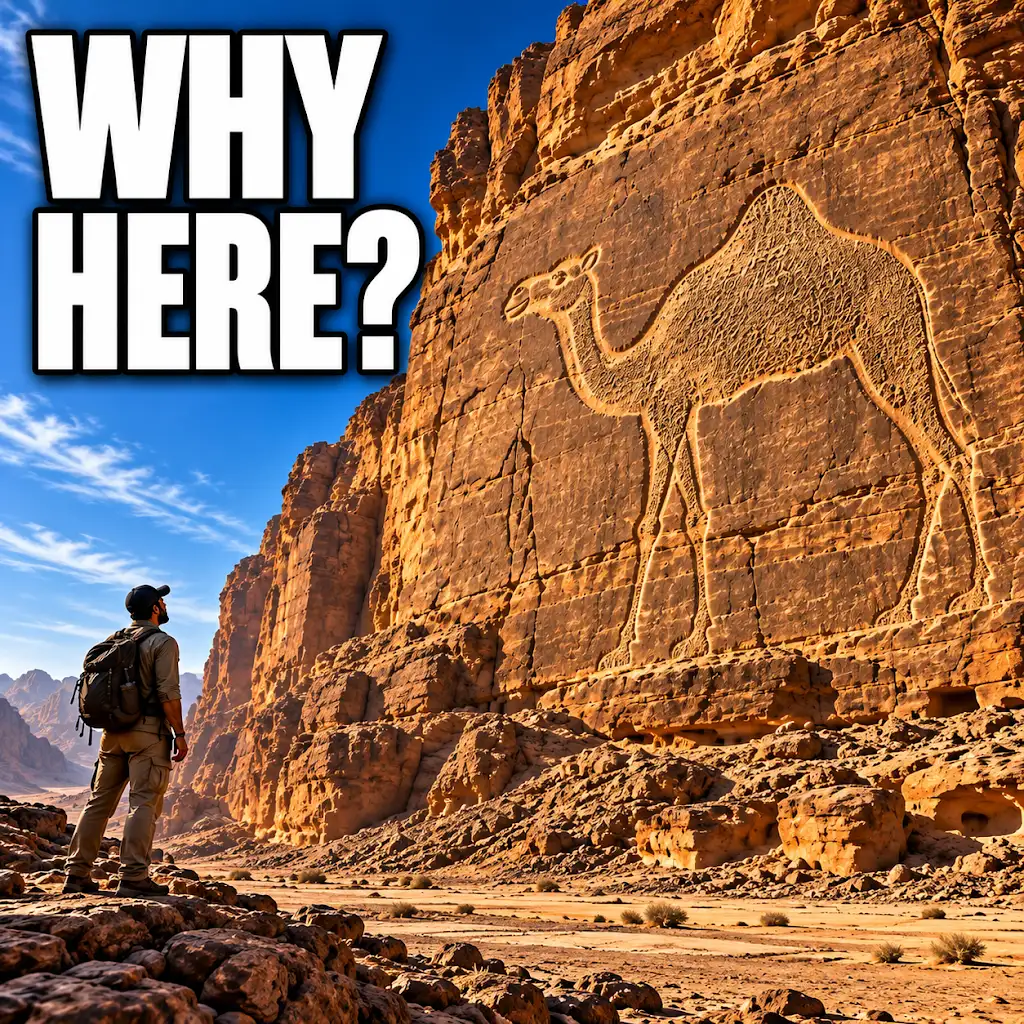
Why Were Giant Camels Carved Above the Desert?
FAQs
What is rock art?
Rock art refers to images, symbols, and designs that have been created on natural rock surfaces by ancient cultures. These artworks can include paintings, engravings, and carvings.
How do extinct animals feature in rock art?
Extinct animals are often depicted in rock art, providing valuable insights into the fauna that existed during prehistoric times. These depictions can help researchers understand the environment, climate, and human-animal interactions of the past.
Which extinct animals are commonly found in rock art?
Extinct animals commonly found in rock art include mammoths, saber-toothed cats, woolly rhinoceroses, and giant ground sloths. These depictions showcase the diverse range of creatures that once roamed the Earth.
Where can rock art featuring extinct animals be found?
Rock art featuring extinct animals can be found in various locations around the world, including caves, cliffs, and rock shelters. Some well-known sites with such depictions include Lascaux in France, Altamira in Spain, and Chauvet in France.
Why is the study of extinct animals in rock art important?
The study of extinct animals in rock art is important as it helps us reconstruct past ecosystems, understand human-animal relationships, and appreciate the cultural significance of these ancient artworks. It provides a window into the world of our ancestors and the creatures they coexisted with.