Echoes in Stone: Unearthing Prehistoric Narratives
The silent sentinels of ancient rock art, etched into the very fabric of our planet, are finally yielding their secrets with unprecedented clarity. Recent large-scale surveys, employing a sophisticated blend of cutting-edge technology and meticulous archaeological practice, are not merely documenting these prehistoric canvases but are actively reinterpreting the stories they hold. These ongoing endeavors are fundamentally reshaping our understanding of the cognitive abilities, social structures, and environmental interactions of our distant ancestors, painting a far richer and more nuanced picture of prehistoric cultures than previously imagined. For generations, these petroglyphs and pictographs, often found in remote and inaccessible locations, were viewed as enigmatic curiosities, their meaning lost to the mists of time. However, this new wave of research is bridging that temporal chasm, revealing profound insights into the lives and beliefs of people who lived tens of thousands of years ago.
The sheer scale of these recent surveys is a significant factor in their success. Rather than isolated explorations of individual sites, these projects adopt a holistic approach, mapping vast geographical regions and cataloging thousands of individual art panels. This comprehensive methodology allows for the identification of regional styles, thematic commonalities, and even potential migration patterns of artistic traditions. Furthermore, the integration of digital technologies, such as drone-based photogrammetry, lidar scanning, and advanced imaging techniques, is revolutionizing the way this art is recorded and analyzed. These tools can capture intricate details invisible to the naked eye, document the precise spatial relationships between different motifs, and even reveal the mineral composition of the pigments used, offering clues about their origins and the technical skills of the artists. The implications of this renewed focus on rock art are far-reaching, promising to rewrite chapters of human history and deepen our appreciation for the enduring legacy of prehistoric creativity.
Recent survey results of ancient rock art have shed light on the cultural practices and beliefs of early human societies, revealing intricate details about their daily lives and spiritual connections. These findings are part of a broader exploration of how ancient civilizations communicated and expressed their identities through art. For a deeper understanding of how manipulation and control have been pervasive throughout history, you may find it interesting to read the article on the hidden secrets of control, which discusses various tactics used by societies to influence behavior. You can access it here: The Hidden Secrets of Control.
The Technological Arsenal for Unveiling the Past

The meticulous process of cataloging and analyzing ancient rock art has been profoundly transformed by the integration of advanced technological tools. These innovations allow for a level of detail and accuracy previously unattainable, opening new avenues for interpretation and understanding. The days of relying solely on hand-drawn sketches and basic photography are rapidly fading, replaced by a dynamic interplay of sophisticated digital methods.
High-Resolution Imaging and Digital Documentation
One of the most impactful advancements has been the widespread adoption of high-resolution digital imaging techniques. Standard photography, while useful, often struggles to capture the subtle textures and faint lines of rock art, especially when faded by millennia of weathering or obscured by environmental factors. To combat this, researchers are now employing techniques like Reflectance Transformation Imaging (RTI) and Multispectral Imaging (MSI). RTI involves capturing a series of photographs of the artwork from varying light angles. Sophisticated software then allows for the dynamic relighting of the digital image, revealing subtle surface details, topography, and even faint traces of pigment that would otherwise remain unseen. MSI, on the other hand, captures images across different wavelengths of the electromagnetic spectrum, which can help differentiate between various mineral components of pigments and underlying rock surfaces, aiding in the identification of faded or superimposed art.
The output of these imaging techniques is often a comprehensive digital archive. This not only serves as a permanent record, protecting the fragile art from further degradation, but also facilitates remote study and collaborative analysis among international teams of researchers. The ability to zoom into minute details, adjust contrast and brightness, and even create three-dimensional models from photogrammetry data allows for a level of scrutiny that would be impossible with physical artifacts. This digital repository becomes a dynamic research tool, enabling the comparison of motifs across vast distances and time periods without the need for extensive travel or the physical handling of delicate rock surfaces.
Drone and Lidar Technologies for Landscape Context
Beyond the immediate artwork, the surrounding landscape provides crucial context for understanding its meaning and purpose. Drones equipped with high-resolution cameras and lidar scanners are proving invaluable in this regard. Drones offer aerial perspectives that can reveal the placement of rock art sites in relation to natural features, such as water sources, prominent landmarks, or hunting grounds. This spatial information can shed light on the potential function of the art – was it a territorial marker, a navigational aid, or a site for ritualistic gatherings?
Lidar (Light Detection and Ranging) technology, whether deployed from drones or aircraft, generates highly detailed three-dimensional maps of the terrain. By pulsing lasers at the ground and measuring the returning light, lidar can penetrate vegetation and create highly accurate topographical models. This allows archaeologists to identify subtle geological features that may have been significant to prehistoric peoples, such as caves, overhangs, or specific rock formations, and to understand how rock art sites were integrated into the broader landscape. This contextual data is vital for deciphering the symbolic language of the art, as its placement often held as much meaning as the imagery itself. The ability to virtually explore these landscapes, even those that are geographically remote or ecologically sensitive, accelerates the research process and allows for more informed hypotheses about the beliefs and behaviors of ancient populations.
Deciphering the Iconography: A Window into Prehistoric Minds

The intricate symbols and figures adorning ancient rock faces are far more than mere decoration; they represent a complex visual language that offers profound insights into the cognitive landscape, belief systems, and social structures of prehistoric societies. The ongoing surveys are moving beyond simple identification and classification, delving deeper into the semiotics of these ancient artworks.
Anthropomorphic and Zoomorphic Representations
A significant portion of rock art consists of depictions of humans (anthropomorphs) and animals (zoomorphs). The meticulous cataloging of these figures across vast regions is revealing subtle variations in style and representation that can be attributed to different cultural groups or time periods. For instance, the recurring depiction of a particular animal species in a specific posture or context might indicate its totemic significance or its role in hunting strategies. Similarly, variations in human figures, such as the presence of headdresses, adornments, or specific bodily postures, can hint at social hierarchies, ritualistic practices, or mythological narratives.
Researchers are also investigating the potential for abstract representations within these figures. Some seemingly animalistic forms might be stylized representations of spirits or deities, while human figures could be shamanic representations in altered states of consciousness. The careful comparative analysis of these forms across different sites, coupled with ethnographic analogies where appropriate, allows for the construction of hypotheses about the symbolic meanings encoded within these images. This is a delicate process, as direct translation is often impossible, but the identification of recurring patterns and thematic clusters provides a robust foundation for interpretation.
Abstract Symbols and Geometric Motifs
Beyond recognizable figures, rock art often features abstract symbols and geometric motifs. These can range from simple dots and lines to complex interconnected patterns. While their direct meaning is often the most challenging to ascertain, their prevalence and recurring nature suggest a deliberate and shared system of communication or symbolic representation. Some theories propose that these abstract forms might represent celestial bodies, natural phenomena, or even concepts related to fertility, cosmology, or spiritual journeys.
The systematic mapping of these abstract symbols reveals that certain motifs appear with greater frequency in particular regions or at specific types of sites. This geographical and contextual distribution can provide crucial clues to their function. For example, abstract patterns found near water sources might be linked to rituals associated with rain or fertility, while those found on prominent promontories could have served as territorial markers or signals. The application of statistical analysis to the frequency and co-occurrence of different symbols is becoming increasingly important in identifying potential semantic relationships and understanding the underlying structure of prehistoric symbolic systems.
Social Structures and Environmental Interactions Revealed
The art etched into stone offers a unique and enduring record of how prehistoric peoples interacted with their social environments and the natural world around them. The detailed surveys are allowing for a more comprehensive understanding of these complex relationships, moving beyond individual interpretations to broader societal patterns.
Evidence of Social Organization and Ritual Practices
The distribution and content of rock art sites can provide compelling evidence for the social organization and ritual practices of ancient communities. The presence of large, elaborately decorated panels in communal gathering spaces, for instance, might suggest the importance of collective storytelling, initiation ceremonies, or communal hunts. Conversely, smaller, more intimate art sites could indicate personal devotion, shamanic practices, or the marking of individual achievements.
The recurring depiction of specific activities, such as hunting scenes, dances, or ceremonies, offers glimpses into the daily lives and belief systems of these groups. The careful analysis of the spatial relationships between different elements within a rock art panel can also be informative. For example, a grouping of human figures surrounding a particular animal might depict a successful hunt, a ritual sacrifice, or a mythological encounter. The identification of repeated artistic conventions across multiple sites can further indicate shared cultural norms and beliefs, suggesting a degree of social cohesion and shared identity within broader regional populations.
Human-Environment Relationships and Resource Management
Rock art frequently depicts the natural world, offering invaluable insights into how prehistoric peoples perceived and interacted with their environment. The detailed cataloging of animal species, plants, and geological features depicted in the art can provide information about their diet, their hunting territories, and their understanding of the local ecosystems. For example, a profusion of images of a particular animal might indicate its dietary importance, its symbolic significance, or its role in the local mythology.
Furthermore, the placement of rock art sites in relation to natural resources is a critical aspect of this research. Sites located near important water sources, fertile hunting grounds, or valuable mineral deposits might have served as territorial markers, mnemonic devices for resource locations, or sites for rituals related to resource acquisition. The study of rock art in conjunction with paleoenvironmental data allows researchers to reconstruct the ecological context in which these societies lived and to understand how their artistic expressions reflected their dependence on and their knowledge of the natural world. The art can also reveal their understanding of seasonal changes, weather patterns, and even astronomical cycles, demonstrating a sophisticated awareness of their surroundings.
Recent surveys of ancient rock art have unveiled fascinating insights into the cultural practices of early civilizations, shedding light on their social structures and beliefs. These findings are not only significant for understanding human history but also have implications for contemporary discussions about resource management and economic value. For instance, the exploration of lunar resources, as discussed in a related article on the economic potential of lunar helium-3, highlights how ancient practices can inform modern scientific endeavors. To learn more about this intriguing connection, you can read the article here.
Challenging Conventional Narratives and Future Directions
| Site Name | Location | Number of Panels | Estimated Age (Years) | Dominant Motifs | Condition | Survey Date |
|---|---|---|---|---|---|---|
| Red Canyon | Arizona, USA | 15 | 5,000 – 7,000 | Animals, Human Figures | Good | 2023-04 |
| Valley of Echoes | Namibia | 22 | 8,000 – 10,000 | Geometric Patterns, Animals | Fair | 2023-06 |
| Stone Ridge | Spain | 10 | 12,000 – 14,000 | Hunting Scenes, Abstract Shapes | Poor | 2022-11 |
| Blue Mesa | New Mexico, USA | 18 | 6,000 – 8,000 | Spirals, Animals | Good | 2023-01 |
| Sunset Cliffs | Australia | 25 | 9,000 – 11,000 | Human Figures, Handprints | Excellent | 2023-05 |
The ongoing revelations from these comprehensive rock art surveys are not only enriching our understanding of the past but are also prompting a reevaluation of long-held assumptions about prehistoric cultures. The data being collected is challenging existing chronologies, expanding our appreciation for the complexity of ancient cognition, and opening exciting avenues for future research.
Rethinking Cognitive Abilities and Artistic Sophistication
For too long, prehistoric societies were often characterized by their perceived simplicity and limited cognitive abilities. The intricate detail, thematic richness, and symbolic complexity found in many rock art sites are fundamentally challenging this narrative. The sophisticated use of perspective, abstraction, and narrative in many panels suggests a level of cognitive sophistication and artistic skill that rivals that of later, more well-documented civilizations. The ability to create and transmit complex symbolic systems, as evidenced by rock art, points to advanced forms of communication, abstract thought, and potentially even early forms of storytelling and mythology.
The surveys are providing data that allows for comparative analyses of artistic traditions across vast geographical and temporal scales. This is helping to identify the emergence and evolution of artistic conventions, demonstrating that prehistoric art was not static but underwent significant development and diversification. The ongoing efforts to date rock art with greater precision, using techniques like radiocarbon dating of associated organic materials or optically stimulated luminescence dating of sediments within shelters, further refine our understanding of the timelines of these artistic developments and the cognitive leaps that accompanied them.
The Road Ahead: Interdisciplinary Collaboration and Predictive Modeling
The future of rock art research lies in even greater interdisciplinary collaboration and the application of advanced analytical tools. The integration of data from archaeology, anthropology, linguistics, geology, and computer science will be crucial for unlocking the full potential of these ancient artworks. Developing sophisticated predictive models, for instance, could help identify new rock art sites based on environmental and geological factors, vastly increasing the efficiency of survey efforts.
Furthermore, the ethical considerations surrounding the documentation and preservation of rock art are paramount. As technology allows for increasingly detailed digital records, the focus must also remain on protecting these fragile sites from damage, both natural and human-induced. The development of robust digital archives that are accessible to researchers worldwide, while also ensuring the security and preservation of the physical sites, will be a critical aspect of future endeavors. The ongoing work in this field promises to continue revealing the profound narratives etched in stone, offering an ever-clearer window into the minds and lives of our ancient ancestors.
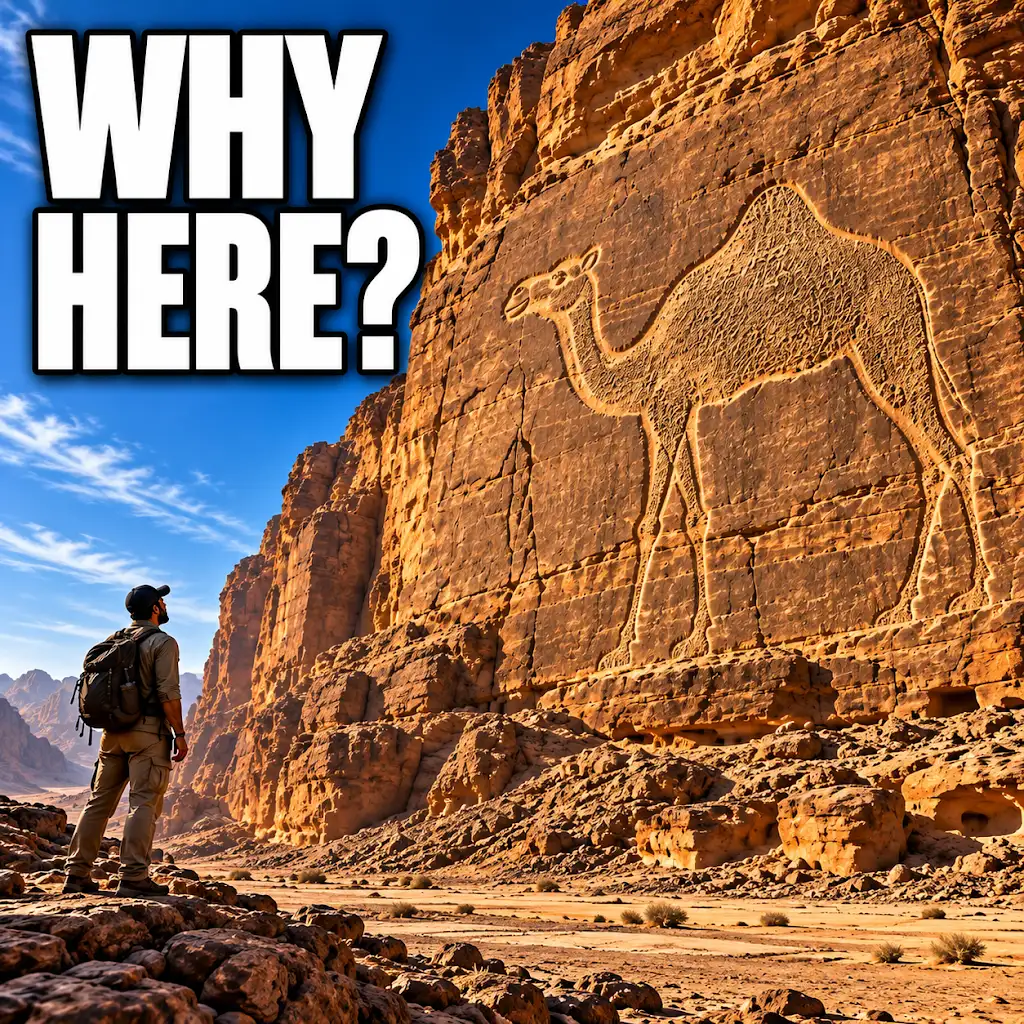
Why Were Giant Camels Carved Above the Desert?
FAQs
What is rock art?
Rock art refers to images, symbols, and designs that have been created on natural rock surfaces by ancient cultures. These artworks can include paintings, engravings, and carvings.
How do researchers conduct surveys of ancient rock art?
Researchers conduct surveys of ancient rock art by systematically exploring and documenting rock art sites in a particular region. This may involve mapping the locations of rock art, recording details about the artworks, and analyzing the cultural significance of the images.
What were some of the key findings from the ancient rock art survey results?
Some key findings from ancient rock art survey results may include insights into the themes, styles, and techniques used in the rock art, as well as information about the cultural practices and beliefs of the ancient societies that created the artworks.
Why is it important to study ancient rock art survey results?
Studying ancient rock art survey results is important because it can provide valuable information about the history, culture, and artistic practices of past civilizations. It can also help researchers better understand the connections between different ancient societies and the development of human creativity.
How can the public access and learn more about ancient rock art survey results?
The public can access and learn more about ancient rock art survey results through publications, museum exhibits, online databases, and guided tours of rock art sites. These resources can provide valuable insights into the significance and beauty of ancient rock art.