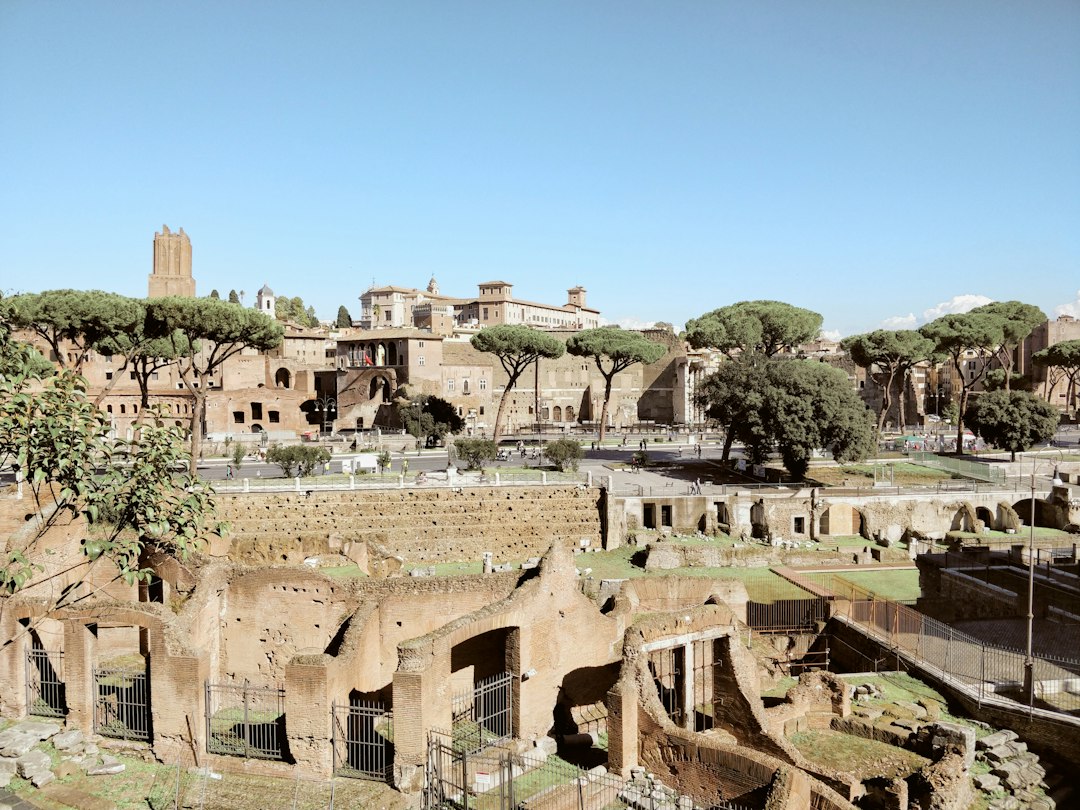
The veins of the ancient world, the arteries of commerce and communication, were its overland trade routes. For the Roman Empire, a colossal entity that spanned continents and cultures, these routes were not mere pathways but lifelines. They facilitated the movement of goods, people, ideas, and armies, shaping the very fabric of Roman society, economy, and political power. Understanding these intricate networks offers a profound glimpse into the logistical genius and vast reach of the Roman Empire.
The Backbone of Empire: Roman Road Construction and Infrastructure
The Roman road network was arguably the most impressive feat of ancient engineering. Far from being haphazard tracks, these were meticulously planned and constructed highways designed for durability and efficiency. The construction process itself was a testament to Roman organization and labor. Roads were typically built with several layers, starting with a foundation of large stones, followed by a layer of smaller stones and gravel, and finally topped with a smooth, paved surface, often made of tightly fitted flagstones or compacted gravel. This robust construction ensured they could withstand heavy traffic, including legions marching with their equipment, heavily laden carts, and the constant flow of merchants.
The Principles of Roman Road Building
Roman engineers followed a set of well-established principles when planning and building their roads. A primary consideration was directness; Roman roads were renowned for their straightness, minimizing distance between points. This was achieved through careful surveying, using tools like the groma for right angles and the chorobates for leveling. The Romans understood the importance of gradient, ensuring roads were not excessively steep, particularly in mountainous terrain. They also incorporated drainage systems, such as ditches and culverts, to prevent water damage and ensure the longevity of the road surface. Bridges, aqueducts, and tunnels were constructed where necessary, further demonstrating their engineering prowess and commitment to overcoming geographical obstacles.
The Network’s Reach and Connectivity
The sheer scale of the Roman road network is staggering. By the height of the Empire, it is estimated that over 400,000 kilometers (approximately 250,000 miles) of paved roads crisscrossed its territories. This vast network connected major cities, provincial capitals, military outposts, and resource-rich regions. The famous Roman roads like the Via Appia, Via Flaminia, and Via Egnatia were not isolated marvels but integral parts of this interconnected system. They facilitated rapid troop deployment, efficient tax collection, and the swift dissemination of news and decrees throughout the vast empire. The connectivity provided by these roads allowed for a level of integration and control previously unimaginable.
The study of overland trade flow paths in ancient Rome reveals the intricate network of routes that facilitated commerce and cultural exchange across the empire. These trade routes not only connected major cities but also played a crucial role in the economic stability of Rome. For a deeper understanding of strategic movements, one might explore the article on military strategy in the context of lunar operations, which provides insights into how logistics and planning have evolved over time. You can read more about it in the article titled “Guardians of the Moon: A Documentary on Lunar Military Strategy” at this link.
Commodities on the Move: Goods Flowing Across the Empire

The primary purpose of these meticulously crafted roads was to facilitate trade. Rome’s insatiable appetite for resources and luxury goods from across its dominion fueled a vibrant and extensive overland trade. The types of commodities transported were incredibly diverse, reflecting the vast agricultural, industrial, and artisanal output of the Roman world.
Grain and Staple Foods: Feeding the Metropolis
The most crucial commodity flowing into Rome and other major urban centers was grain. Egypt, North Africa, and Sicily were vital breadbaskets, supplying a significant portion of the wheat and barley needed to feed the Roman population. While much of this grain was transported by sea, overland routes were essential for bringing grain from inland farms to coastal ports and for distributing it within provinces. The stability of the grain supply was a constant concern for the Roman authorities, and efficient transport was paramount to preventing unrest and famine.
Luxury Goods and Exotic Imports
Beyond foodstuffs, a vast array of luxury goods made their way along Roman trade routes. Silk from the Far East, spices from India, precious metals and gemstones from Africa and the East, perfumes, exotic animals for the arena, and fine wines were all transported overland. These goods were often expensive and destined for the elite, but their presence on the markets stimulated demand and fostered a culture of conspicuous consumption. The overland journey for these items was often long and arduous, involving multiple intermediaries and transfers, but the potential profits were substantial.
Raw Materials and Manufactured Products
The Empire also relied on overland routes for the transport of raw materials essential for its industries. Timber, mined ores such as iron, copper, and lead, and marble for construction were all moved from their sources to manufacturing centers and construction sites. Manufactured goods, including pottery, textiles, glassware, metalwork, and tools, were also traded extensively. Provincial artisans often specialized in specific crafts, and their products found markets far beyond their local regions, facilitated by the Roman road network.
The Human Element: Merchants, Soldiers, and Travelers
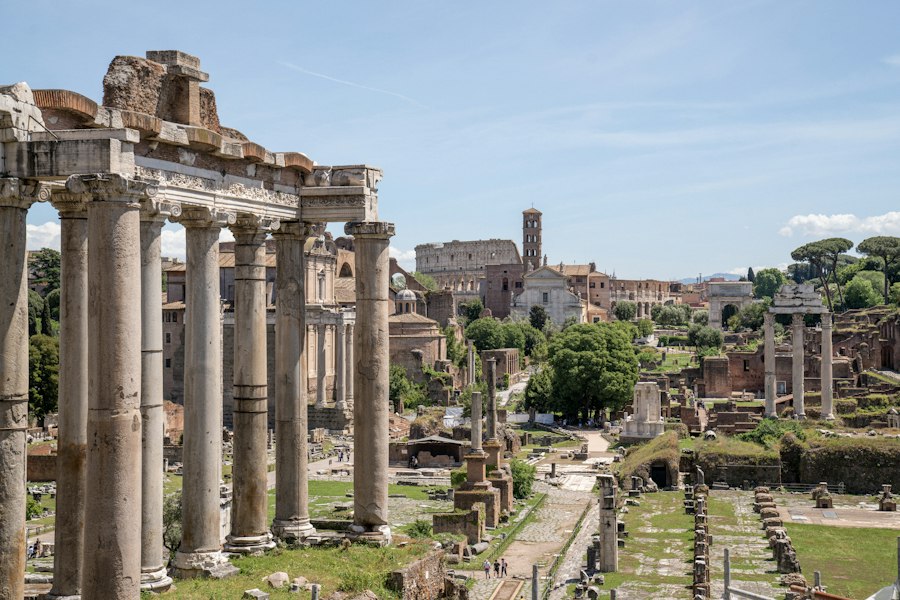
Trade routes are not just about the movement of goods; they are also about the movement of people. Merchants, soldiers, pilgrims, and ordinary travelers all traversed these ancient highways, contributing to the dynamic flow of life and information across the Roman world.
The Role of the Roman Merchant
The Roman merchant was a crucial figure in the Empire’s economy. Often operating with considerable capital, these individuals organized caravans, negotiated prices, and managed the complex logistics of long-distance trade. They faced risks of banditry, harsh weather, and fluctuating market prices, but their entrepreneurial spirit was a driving force behind Roman commerce. They employed a variety of transport methods, including ox-drawn carts and pack animals, depending on the terrain and the nature of the goods.
Military Movement and its Economic Impact
The Roman legions, while primarily instruments of war and governance, also played a significant role in the economy of the trade routes. Their constant movement along the roads created a demand for supplies, and their presence often secured the routes against banditry, making them safer for civilian traders. Military garrisons established in towns and along routes provided markets for local goods and services, and their construction projects, like roads and fortifications, often left behind enduring infrastructure. The standardization of Roman military practices also fostered a degree of predictability and order that benefited trade.
Messengers, Pilgrims, and the Spread of Ideas
Beyond commerce and military necessity, overland routes served as conduits for communication and cultural exchange. Official messengers carried dispatches between Rome and its provinces, ensuring the smooth administration of the Empire. Pilgrims traveled to sacred sites, spreading religious ideas and practices. Scholars, philosophers, and artists also used these routes, facilitating the diffusion of knowledge and artistic styles. The movement of people meant the movement of ideas, contributing to the cultural homogenization and intellectual dynamism of the Roman world.
Key Flow Paths: Connecting the Empire’s Arteries
While the entire Roman road network was extensive, certain routes and junctions served as particularly vital arteries for trade and communication. These “key flow paths” represented the most concentrated channels of movement and exchange.
The Northern Frontiers: From Britannia to the Rhine
The northern frontiers of the Roman Empire, including Britannia and Gaul, were connected by a network of roads that facilitated the movement of resources and troops. Roads in Britannia, though less extensive than on the continent, were crucial for transporting tin, lead, and agricultural products to ports for export. Similarly, the routes along the Rhine and Danube rivers served as vital arteries for trade with Germanic tribes and for supplying the Roman legions stationed there. These routes were crucial for both defense and economic engagement with territories beyond the Empire’s direct control.
The Mediterranean Backbone: Across Gaul, Italy, and the Balkans
The overland routes that traversed Gaul, Italy, and the Balkans formed a critical backbone connecting the Western and Eastern halves of the Empire. The Via Egnatia, stretching from Dyrrhachium on the Adriatic coast to Byzantium (later Constantinople), was a paramount route for east-west trade and military movements. Within Italy, the Via Appia, Via Flaminia, and other major roads facilitated the flow of goods from various regions to Rome and its surrounding areas. These routes were heavily trafficked and supported a dense network of towns and roadside settlements.
The Eastern Network: Asia Minor and the Levant
The eastern provinces, particularly Asia Minor and the Levant, were centers of considerable trade, both within the region and with the wider East. Major roads connected cities like Ephesus, Antioch, and Alexandria, serving as conduits for goods flowing from Mesopotamia, Persia, and even further east. The proximity of these routes to maritime trade hubs also meant that overland routes played a crucial role in the transshipment of goods between sea and land transport, further enhancing the reach of Roman commerce.
The intricate overland trade flow paths of ancient Rome played a crucial role in the empire’s economic prosperity and cultural exchange. These routes not only facilitated the movement of goods such as silk and spices but also allowed for the spread of ideas and technologies across vast distances. For a deeper understanding of how trade dynamics have evolved over time and their impact on modern geopolitics, you can explore this insightful article on the challenges and opportunities in the region today. Check it out here.
Challenges and Evolution of Roman Overland Trade
| Trade Route | Primary Goods Traded | Key Cities/Regions | Approximate Distance (km) | Significance |
|---|---|---|---|---|
| Via Appia | Grain, Olive Oil, Wine | Rome – Capua – Brindisi | 560 | Main route connecting Rome to southern Italy and ports for eastern trade |
| Via Egnatia | Spices, Textiles, Metals | Dyrrachium (Albania) – Thessalonica – Byzantium | 1120 | Key overland route linking the Adriatic Sea to the Aegean and Asia Minor |
| Via Aurelia | Wine, Ceramics, Marble | Rome – Pisa – Genoa | 350 | Coastal route facilitating trade along the Tyrrhenian Sea |
| Via Claudia Augusta | Amber, Metals, Salt | Altinum (Italy) – Po Valley – Danube River | 500 | Connected northern Italy with the Danube frontier, important for northern trade |
| Silk Road (Western Segment) | Silk, Spices, Precious Stones | Rome – Palmyra – Antioch – Eastern Provinces | 2000+ | Extended trade network connecting Rome to Asia via overland routes |
Despite the impressive infrastructure and the vast scale of trade, Roman overland routes were not without their challenges. The very success of the Empire, and the resulting increase in traffic, placed considerable strain on the system.
Banditry and Security Concerns
The vastness of the Empire and the remoteness of some regions made security a constant concern. Banditry was a persistent threat along many trade routes, leading to the establishment of military patrols and fortified waystations. Merchants often traveled in caravans for mutual protection, and the Roman administration invested resources in maintaining order and enforcing laws to protect trade. The security of these routes was directly linked to the economic prosperity of the regions they served.
Environmental and Geographical Obstacles
While Roman engineers were skilled, they could not entirely overcome the challenges posed by nature. Harsh weather conditions, including severe winters and extreme heat, could disrupt travel and damage roads. Mountainous terrain required extensive engineering to construct passable routes, and crossing rivers often necessitated the construction of bridges or the use of ferries. These geographical factors influenced the cost and efficiency of overland transport, dictating the types of goods that could be economically transported.
The Long-Term Legacy and Decline
The Roman overland trade routes were a testament to their civilization’s organizational capacity and economic ambition. Even after the fall of the Western Roman Empire, many of these routes continued to be used, albeit with diminished maintenance and security. The legacy of the Roman road network is still visible in the landscapes of Europe and North Africa today, serving as a reminder of the sophisticated infrastructure that underpinned the Roman world and its enduring impact on connectivity and trade for centuries to come. The principles of road construction and the importance of interconnected networks laid down by the Romans continued to influence infrastructure development long after their empire had faded.
The 2.7% Statistic That Terrifies Roman Historians
FAQs
What were the main overland trade flow paths in ancient Rome?
In ancient Rome, the main overland trade flow paths included the Via Appia, Via Flaminia, Via Aurelia, Via Aemilia, and Via Salaria. These roads connected Rome to various regions within the empire and facilitated the movement of goods and people.
How did overland trade contribute to the economy of ancient Rome?
Overland trade played a crucial role in the economy of ancient Rome by allowing the exchange of goods such as grain, olive oil, wine, pottery, and textiles. This trade helped stimulate economic growth, create wealth, and foster cultural exchange within the empire.
What were some of the challenges faced by merchants traveling along overland trade routes in ancient Rome?
Merchants traveling along overland trade routes in ancient Rome faced challenges such as bandit attacks, rough terrain, inclement weather, and the risk of getting lost. They also had to navigate different regions with varying customs, languages, and currencies.
How did the Roman government support and regulate overland trade flow paths?
The Roman government supported and regulated overland trade flow paths by maintaining and expanding the road network, providing security along the routes, and establishing trade regulations and tariffs. This helped ensure the smooth flow of goods and the safety of merchants.
What were some of the key goods traded along the overland trade flow paths in ancient Rome?
Some of the key goods traded along the overland trade flow paths in ancient Rome included grain, olive oil, wine, spices, silk, precious metals, pottery, glassware, and textiles. These goods were in high demand and helped sustain the economy of the empire.