Echoes in Stone: The Ancient Camel Artists of the Sands
The stark, ochre landscape of the desert, often perceived as a barren expanse, has for millennia held within its embrace the vibrant pulse of life and the profound creativity of its inhabitants. For the nomadic peoples who traversed these vast territories, the camel was not merely a beast of burden, but a symbol of resilience, survival, and profound spiritual connection. The discovery of ancient carvings, particularly those depicting rutting male camels, offers a captivating window into this rich cultural tapestry, revealing not only the practicalities of desert life but also the sophisticated artistry and symbolic understanding of these long-vanished peoples. These stone etchings, painstakingly crafted, whisper tales of a world where the raw power of nature was observed, revered, and translated into enduring art.
The fascinating world of ancient art and engineering is further explored in a related article that delves into the remarkable hydraulic engineering marvels of the past. This piece highlights how ancient civilizations, much like those that created the rutting male camel carvings, utilized innovative techniques to manage water resources effectively. To learn more about these incredible achievements, you can read the article here: Uncovering Ancient Hydraulic Engineering Marvels.
The Genesis of Desert Glyphs: Unearthing Ancient Expressions
The very act of carving in the desert presents an inherent challenge. The scarcity of suitable materials and the harsh environmental conditions would have demanded considerable effort and ingenuity from the ancient artisans. Yet, across vast swathes of desert terrain, from the Arabian Peninsula to the Sahara, evidence of such endeavors abounds. These rock carvings, or petroglyphs, are often found on exposed rock faces, particularly those with a darker patina, where the lighter rock beneath can be exposed through abrasion or incising. The sheer scale and ubiquity of these sites speak to a long-standing tradition of rock art, stretching back thousands of years, predating written language in many of these regions. The selection of subjects within this artistic repertoire is equally telling. While human figures and abstract symbols are common, the recurring motif of the camel, especially in its most primal and powerful form, the rutting male, holds a particular significance.
The Camel as Lifeblood: More Than Just Transportation
To understand the prevalence of camel carvings, one must first appreciate the camel’s indispensable role in ancient desert societies. For millennia, these “ships of the desert” were the primary means of transport, enabling trade routes to flourish and communities to survive in an unforgiving environment. They provided milk, meat, wool, and even hides for shelter and clothing. Their ability to endure long periods without water and traverse immense distances made them the linchpin of survival. Consequently, the camel was deeply interwoven into the fabric of daily life, religious beliefs, and social structures. Its image, therefore, was not merely decorative but imbued with potent meaning, representing sustenance, endurance, prosperity, and the very essence of a successful desert existence.
The Art of Stone: Techniques and Materials
The creation of these petroglyphs involved a range of techniques, dictated by the type of rock and the desired effect. The most common method was pecking, where a harder stone tool was used to repeatedly strike the rock surface, gradually dislodging small fragments and creating the image. Incising, a finer technique, involved scratching lines into the rock with a sharp pointed tool. Some carvings show evidence of grinding, where the surface was smoothed to create a distinct contrast. The “desert varnish,” a dark, manganese-rich coating that forms on exposed rock surfaces over long periods, played a crucial role. Artists would meticulously remove this varnish to expose the lighter rock beneath, creating a visually striking contrast that made the carvings stand out against the surrounding landscape. The selection of specific rock formations for these carvings was also likely deliberate, perhaps chosen for their visibility or their perceived spiritual significance, transforming natural features into canvases for artistic expression.
The Primal Urge: Decoding the Rutting Camel Imagery
The depiction of the rutting male camel is a recurring and particularly arresting theme in ancient desert rock art. These are not the placid, domesticated animals often seen carrying burdens. Instead, they are rendered with an intense physicality, often showing exaggerated musculature, aggressive postures, and prominent genitalia. This imagery speaks volumes about the artists’ understanding of animal behavior and their symbolic interpretation of such potent displays of natural force. The rutting season for camels is a period of intense competition and virility, where male camels become aggressive and dominant, vying for the attention of females. The artists, through their carvings, seem to have captured this raw, untamed energy, imbuing these images with a sense of power and vitality.
Symbolism of Strength and Fertility: Beyond the Biological
While the biological reality of rutting is evident, the artistic representations extend far beyond a mere observational record. The rutting male camel likely held significant symbolic weight within these ancient societies. It could represent masculine power, fertility, and the continuation of the herd – essential elements for the survival and prosperity of any desert community. The sheer energy and dominance displayed in these carvings might have been seen as a manifestation of the life force itself, a powerful force that enabled the desert to sustain life despite its harshness. These images could have served as talismans, invoked to ensure successful breeding seasons, bountiful herds, or even as a representation of the god-like power inherent in the natural world. The meticulous detail and deliberate placement of these carvings suggest they were not casual doodles but rather carefully considered statements of belief and cultural values.
Artistic Conventions and Stylistic Variations: A Visual Language
Across different desert regions and time periods, the depiction of rutting camels exhibits fascinating stylistic variations. While the core subject remains consistent, the artistic conventions employed can differ significantly. Some carvings are highly naturalistic, capturing the anatomical details with remarkable accuracy. Others lean towards abstraction, simplifying forms and emphasizing key features like the humps, legs, and the characteristic posture of dominance. These stylistic differences are not simply arbitrary choices but likely reflect regional artistic traditions, the specific materials available, and perhaps even the evolution of artistic expression over generations. The consistent focus on the rutting male, however, suggests a shared cultural understanding of its significance, transcending these localized stylistic nuances. Studying these variations allows archaeologists and art historians to map cultural connections and track the diffusion of artistic ideas across the ancient desert world.
Beyond the Herd: Social and Spiritual Dimensions of Camel Art
The art of the rutting male camel is not an isolated phenomenon. It exists within a broader context of human expression that reveals much about the social structures, belief systems, and spiritual landscape of ancient desert dwellers. The act of creating rock art itself implies a level of social organization and shared understanding. These carvings were often created in significant locations, suggesting communal gatherings, ritualistic practices, or designated sacred sites. The subjects depicted, including camels, humans, and abstract symbols, form a visual language that communicated important narratives, beliefs, and values to the community.
Rituals and Beliefs: Connecting to the Sacred
The striking imagery of rutting camels likely played a role in the spiritual lives of these ancient peoples. The intense virility and dominance associated with the rutting male could have been connected to deities or spirits associated with fertility, strength, and the continuation of life. Some carvings may have been created as offerings or prayers, seeking divine intervention for successful hunts, abundant water sources, or the health and reproduction of their herds. The sheer effort involved in their creation suggests a deep reverence and a desire to imbue these images with power and meaning that would resonate beyond the immediate present. The locations of these carvings, often in remote or visually prominent areas, could also indicate their use in initiations, shamanic journeys, or other important ceremonies, serving as focal points for spiritual contemplation and connection.
Social Identity and Territorial Markers: Belonging in the Sands
Beyond their spiritual significance, rock carvings, including those of camels, could have also served important social functions. They might have acted as territorial markers, delineating the ancestral lands of specific clans or tribes. The repeated depiction of certain animals or symbols could have reinforced group identity and solidarity, distinguishing one group from another in the vast, undifferentiated desert. These carvings could have served as mnemonic devices, recounting stories of migration, important events, or ancestral heroes, thereby transmitting cultural knowledge and history across generations. The presence of a shared artistic tradition, even with regional variations, would have fostered a sense of belonging and shared heritage among disparate nomadic groups, united by their reliance on and reverence for the camel.
The fascinating world of rutting male camel carvings offers a glimpse into the cultural significance of these animals in various societies. These intricate sculptures not only showcase artistic talent but also reflect the importance of camels in the daily lives of people, particularly in arid regions. For a deeper understanding of how such cultural artifacts relate to broader societal issues, you might find it interesting to explore the challenges and opportunities facing Tuvalu, as discussed in a related article. You can read more about it here.
Enduring Legacies: The Art of the Desert in Modern Times
| Metric | Description | Typical Values | Notes |
|---|---|---|---|
| Height | Average height of rutting male camel carvings | 15-30 cm | Varies by region and artist |
| Material | Common materials used for carvings | Wood, Bone, Ivory, Stone | Material affects durability and detail |
| Age | Estimated age of traditional carvings | 50-200 years | Older carvings are more valuable |
| Rutting Pose Detail | Level of anatomical accuracy in rutting posture | High, Medium, Low | High detail preferred by collectors |
| Region of Origin | Common geographic origins of carvings | Middle East, North Africa, Central Asia | Styles vary by culture |
| Average Weight | Weight of typical carvings | 200-800 grams | Depends on material and size |
| Market Popularity | Demand level among collectors | Moderate to High | Rutting male camels symbolize strength and virility |
While the specific cultures that created these ancient rutting camel carvings have long since faded into the sands of time, their artistic legacy endures. The study of these petroglyphs offers invaluable insights into the lives, beliefs, and artistic capabilities of our ancestors. They challenge the perception of the desert as a sterile environment and instead reveal it as a cradle of complex societies with rich cultural traditions. The artistry and symbolism embedded in these stone etchings continue to captivate and inspire, reminding us of the enduring human need to express ourselves, connect with the natural world, and leave a lasting mark on the landscape.
Archaeological Significance: Unlocking Past Worlds
From an archaeological perspective, these ancient carvings are invaluable primary sources. They provide tangible evidence of human presence and activity in regions that would otherwise remain silent. By analyzing the style, subject matter, and context of these petroglyphs, archaeologists can infer information about dating, settlement patterns, subsistence strategies, and belief systems. The study of camel carvings, in particular, helps reconstruct the history of camel domestication and its profound impact on human societies in arid environments. Furthermore, the spatial distribution of these carvings can reveal trade routes, migration paths, and social networks that were previously unknown, painting a more nuanced picture of ancient desert life. The preservation of these sites is therefore crucial for understanding our shared human heritage.
Contemporary Echoes: Reinterpreting Ancient Artistry
The art of the rutting male camel continues to resonate in contemporary times. Modern artists and cultural practitioners often draw inspiration from ancient rock art, reinterpreting these motifs in their own creative works. The enduring power and symbolism of the camel, particularly its depiction as a creature of immense strength and vitality, remain relevant in many cultures. Moreover, the growing appreciation for indigenous art forms and the importance of preserving cultural heritage have brought renewed attention to these ancient carvings. Efforts to document, protect, and promote these sites are vital, not only for academic research but also for fostering a deeper understanding and respect for the artistic achievements of our ancestors and the profound connection they shared with the desert environment. The echoes of their artistry continue to reverberate, a testament to the enduring power of human creativity.
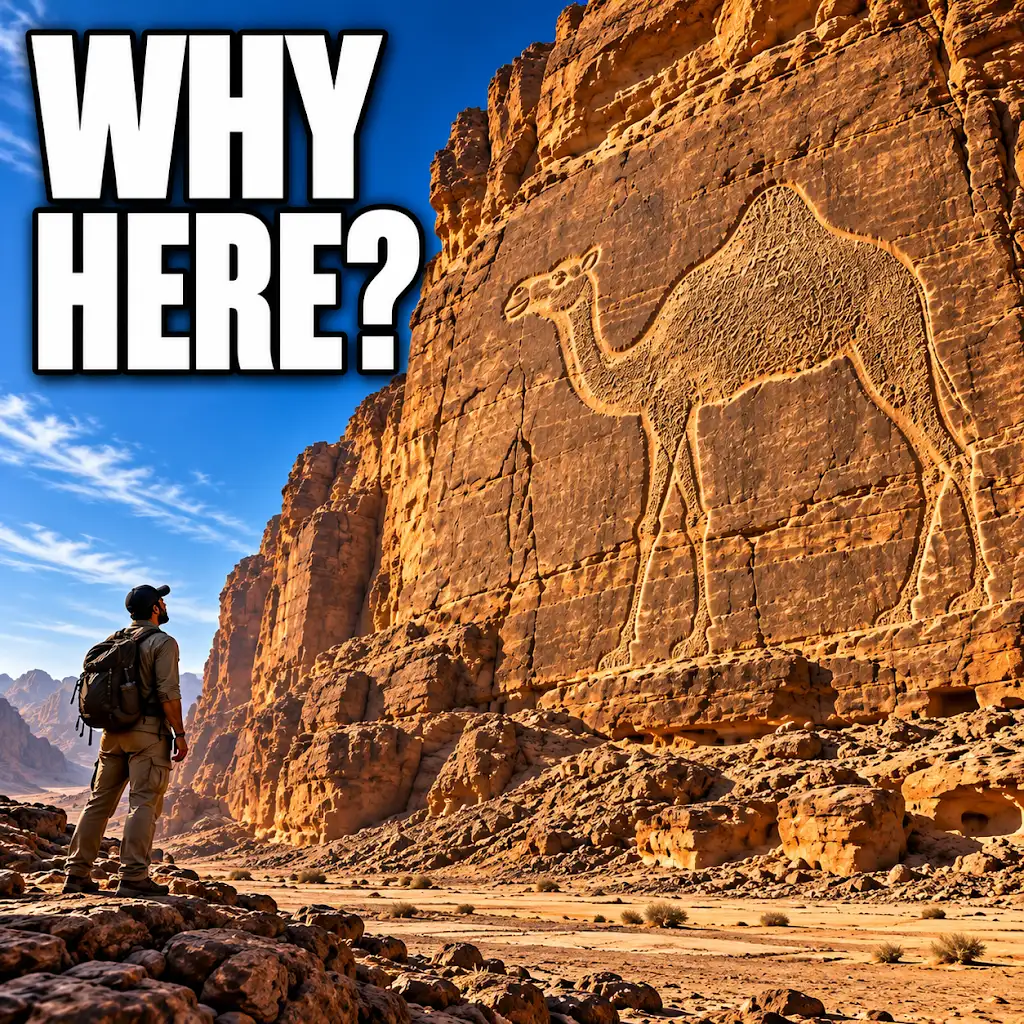
Why Were Giant Camels Carved Above the Desert?
FAQs
What are rutting male camel carvings?
Rutting male camel carvings are ancient rock art depictions of male camels in a state of sexual arousal, often found in various regions around the world.
Where are rutting male camel carvings typically found?
Rutting male camel carvings are commonly found in desert regions, such as the Arabian Peninsula, North Africa, and parts of Central Asia, where camels have historically been important animals.
What is the significance of rutting male camel carvings?
These carvings are believed to have cultural and religious significance, possibly representing fertility, masculinity, or rituals related to camel breeding and herding practices.
How old are rutting male camel carvings?
Rutting male camel carvings can date back thousands of years, with some examples being from the Neolithic period or even earlier, showcasing the enduring importance of camels in human societies.
Are rutting male camel carvings protected as cultural heritage?
Many rutting male camel carvings are considered valuable cultural heritage and are protected by local authorities and conservation efforts to preserve these ancient artworks for future generations.