
The Whispering Peaks: Unearthing Norway’s Mountain Past
The Norwegian mountains, often perceived as timeless, pristine landscapes, are in fact silent witnesses to a rich and complex human history. For millennia, these formidable peaks and valleys have served as more than just a dramatic backdrop; they have been vital arteries of human activity, migration routes, and seasonal dwelling places. Recent archaeological endeavors, aided by advanced technologies and a growing understanding of the unique preservation conditions found at high altitudes, are beginning to unveil the astonishing secrets held within these icy sentinels. From the earliest hunter-gatherer societies to the more established settlements of the Iron Age and Viking eras, these mountain landscapes are yielding artifacts and insights that are fundamentally reshaping our understanding of Norway’s ancient past.
The very act of searching for archaeological evidence in the Norwegian mountains presents a unique set of challenges. Extreme weather conditions, the vastness of the terrain, and the remoteness of many potential sites require meticulous planning and specialized techniques. However, these very same conditions also contribute to remarkable preservation. Permafrost, ice patches, and dry, wind-swept conditions can preserve organic materials like wood, leather, and even human remains to an extraordinary degree, offering a direct connection to the lives of those who once inhabited these challenging environments. This article will delve into some of the most significant discoveries made in recent years, exploring the methods employed, the insights gained, and the ongoing quest to fully understand the ancient secrets held within Norway’s magnificent mountain ranges.
Recent discoveries in Norwegian mountain archaeology have shed light on the ancient human activities in the region, revealing artifacts that date back thousands of years. These findings not only enhance our understanding of the past but also draw intriguing parallels to ancient cartography, as discussed in a related article. For more insights into how ancient maps, like the Piri Reis map, connect with our understanding of historical exploration, you can read more in this article: Ancient Cartography and Modern Science.
Echoes from the Ice: Preserving the Past in Frozen Realms
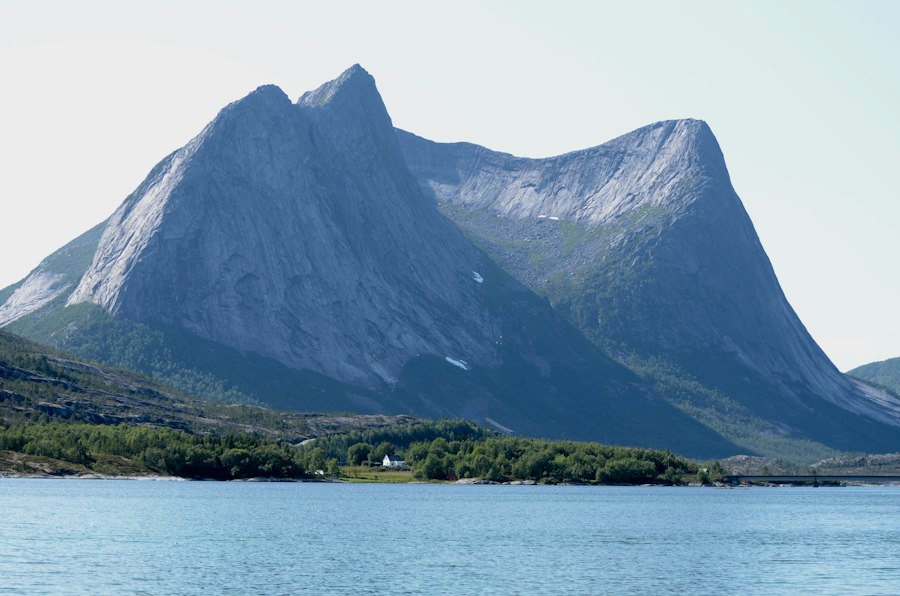
The discovery of ancient artifacts and human traces in glacial environments is a phenomenon that has captivated archaeologists worldwide. Norway’s high mountain regions, characterized by extensive ice fields and perpetual snow, have proven to be exceptional natural time capsules. The low temperatures and lack of oxygen within these frozen environments effectively halt decomposition, preserving materials that would otherwise have long since decayed. This remarkable preservation has allowed for the recovery of exceptionally detailed insights into the lives of ancient peoples.
The Frozen Treasures of Jotunheimen
The Jotunheimen mountain range, home to Galdhøpiggen, Scandinavia’s highest peak, has become a focal point for glacial archaeology. Here, receding glaciers have begun to reveal artifacts that have been locked away for centuries, even millennia. These discoveries are not merely isolated objects but often form complexes of human activity, providing a glimpse into the strategies employed by ancient populations to survive and thrive in such a demanding environment.
One of the most significant discoveries in Jotunheimen has been the identification of ancient hunting grounds and seasonal camps. Ice patches, acting as natural freezers, have preserved evidence of animal carcasses, hunting tools, and even discarded food scraps. These findings offer invaluable data on the diet, hunting techniques, and migratory patterns of both humans and animals in prehistoric times. For instance, the recovery of well-preserved arrowheads, spear shafts, and parts of bows from these sites allows for detailed analysis of weaponry and hunting strategies. The presence of animal bones, meticulously identified by species, helps reconstruct the fauna of the period and understand which animals were most targeted.
Beyond hunting, evidence of human presence in the form of simple shelters and fire pits has also been unearthed. These discoveries suggest that the mountains were not just transient hunting grounds but also areas where people spent considerable time, establishing temporary bases for their activities. The preservation of wooden structures, such as tent poles or components of rudimentary shelters, provides insights into the construction methods and materials used by these ancient peoples. The careful examination of fire pits can reveal details about the types of fuel used and the cooking practices employed.
The identification of such sites is often a painstaking process. Archaeologists employ a combination of aerial surveys, ground-penetrating radar, and systematic field walking in the areas of glacial retreat. The melting of ice can reveal features that were previously buried and inaccessible. The careful documentation and recovery of artifacts from these fragile contexts require specialized knowledge and techniques to ensure that the valuable information they contain is not lost. The collaborative efforts between glaciologists and archaeologists have been crucial in predicting areas where ancient sites are likely to emerge as glaciers recede.
The Significance of Organic Materials
The preservation of organic materials in glacial environments is what truly sets these discoveries apart. While stone tools and pottery fragments are common in many archaeological contexts, the Norwegian mountains offer the potential to recover items made from wood, leather, textiles, and even hair. These materials provide a far more intimate and detailed picture of daily life.
For example, the discovery of well-preserved leather shoes, dating back over a thousand years, has offered remarkable insights into the footwear of ancient Norwegians. The stitching, the quality of the leather, and the overall design can tell us a great deal about the craftsmanship of the time and the functional requirements of clothing for mountain travel. Similarly, fragments of woolen textiles, preserved by the cold, can reveal information about weaving techniques, dye usage, and the types of garments worn.
The preservation of wooden artifacts is equally crucial. This can include anything from tool handles and parts of sleds to carved objects and even pieces of wooden structures. The intricate details of woodworking, the types of trees used, and the tools employed in their creation are all laid bare. The analysis of wood grain and species can also provide information about the local environment and resource management practices of ancient populations.
Even more profoundly, in rare instances, human remains have been discovered in glacial contexts. These individuals, often found with their clothing and personal effects, offer an unparalleled opportunity to study ancient demographics, health, diet, and even cause of death. The isotopic analysis of skeletal remains can reveal information about migration patterns and dietary habits, while microscopic examination of tissues can provide clues about diseases and physiological stress. These frozen individuals become direct links to the past, allowing us to understand their lives and deaths in ways that are rarely possible.
Trails of Trade and Travel: The Mountain Passes of Antiquity
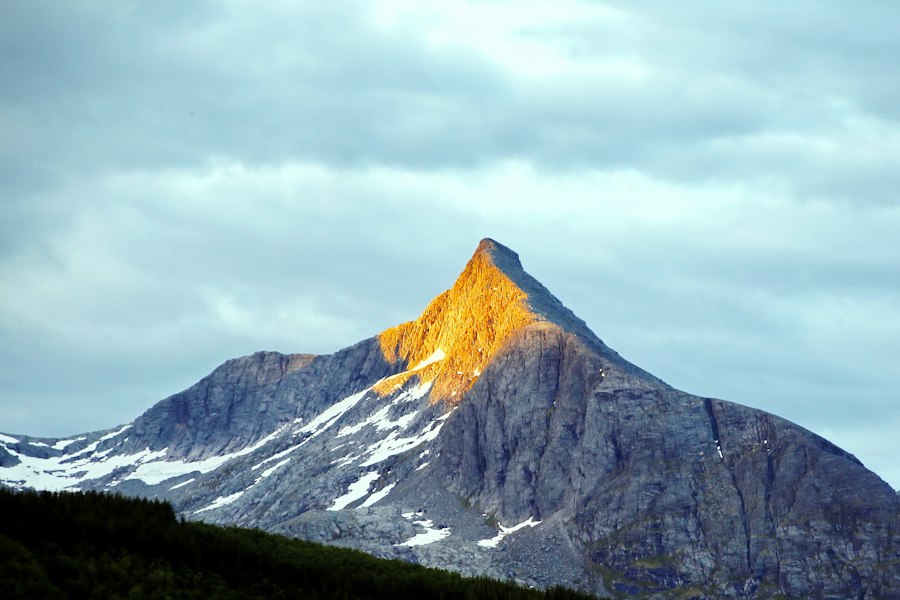
The Norwegian mountains have historically served as natural highways, connecting different regions and facilitating the movement of people, goods, and ideas. Archaeological evidence from high-altitude passes and saddle points reveals a long history of transhumance, trade routes, and even military movements, demonstrating the integral role these landscapes played in shaping Norwegian society.
The Ancient Transhumance Routes
One of the most significant discoveries related to mountain travel concerns the practice of transhumance – the seasonal movement of livestock between different grazing areas. Archaeological findings, particularly in areas with historical summer pastures known as ‘setrer’, point to the long-standing tradition of moving animals up into the mountains during the warmer months to take advantage of the abundant vegetation.
Evidence of these movements includes the remains of temporary shelters, hearths, and animal corrals found at higher elevations. These sites often contain pottery fragments, bone tools, and discarded domestic items that indicate periods of prolonged human occupation. The strategic placement of these summer pastures, often near reliable water sources and good grazing land, highlights the careful planning and extensive knowledge of the mountain environment possessed by these early communities.
The discovery of well-worn paths, often reinforced with stones or simple wooden structures, further supports the existence of these transhumance routes. These ancient tracks, sometimes still visible in the landscape today, provide a tangible connection to the journeys undertaken by generations of herders and their animals. The analysis of the distribution of these sites suggests a complex network of movement, connecting lowland settlements with high-altitude pastures.
High-Altitude Trade and Communication Networks
Beyond seasonal pastoralism, the mountain passes also played a crucial role in facilitating trade and communication between communities. Archaeological excavations at key strategic points have revealed evidence of ancient trading posts and resting places for travelers. The discovery of artifacts originating from distant regions, such as exotic stone types or pottery styles not found locally, points to the existence of established trade networks that traversed the mountains.
These high-altitude routes were not merely for the exchange of goods; they also served as conduits for the spread of cultural practices, technological innovations, and even political influence. The presence of similar artifact types across different mountain regions can indicate the diffusion of cultural trends and the interconnectedness of ancient societies.
The strategic importance of certain mountain passes is also evidenced by discoveries that hint at military activities or territorial control. The presence of defensive structures, such as cairns or watchtowers, overlooking key routes, suggests that these passes were areas of strategic significance and potentially contested territories. The exploration of these sites often involves careful mapping and survey to understand the landscape’s defensive capabilities and the movements of ancient armies or raiding parties.
The study of these ancient trails and routes relies heavily on remote sensing technologies, such as LiDAR, which can penetrate vegetation and reveal subtle changes in the landscape, including faint ancient tracks. Ground-penetrating radar can also be employed to investigate buried features along these routes. The systematic survey and excavation of these sites provide a rich dataset for understanding the movement and interaction of people in Norway’s mountainous interior throughout history.
Traces of the Vikings and Beyond: Iron Age Settlements in the Highlands
While often associated with the coast, the Viking Age and the preceding Iron Age also saw significant human activity in Norway’s mountainous regions. Archaeological discoveries are increasingly revealing that these highlands were not simply wilderness but were home to established settlements, agricultural activities, and specialized resource extraction.
Iron Age Farming and Resource Exploitation
The traditional view of Iron Age Norway often emphasizes coastal farming and fishing. However, recent archaeological investigations are challenging this perception by uncovering evidence of Iron Age farming communities in surprising highland locations. These settlements, often found in sheltered valleys or on lower mountain slopes, indicate that people had developed the knowledge and techniques to cultivate crops and raise livestock even in these more challenging environments.
Discoveries include remnants of fields, irrigation systems, and structures that served as dwellings and storage facilities. The analysis of pollen and plant remains found at these sites can reveal the types of crops that were cultivated, such as barley and oats, and the agricultural practices employed. The presence of domesticated animal bones, such as sheep, goats, and cattle, alongside evidence of human habitation, confirms that these were functioning settlements.
Furthermore, these highland communities were not isolated. Evidence of trade and interaction with lowland settlements suggests that they played a role in the broader economic and social landscape of the time. The discovery of artifacts not produced locally, such as metal tools or pottery, indicates that these highland communities were integrated into wider trade networks.
Beyond agriculture, the mountains provided valuable resources that were exploited by Iron Age populations. This included the extraction of minerals, such as iron ore, which was crucial for toolmaking and weaponry. Archaeological sites related to mining and smelting operations, often found in remote mountain areas, provide tangible evidence of this specialized activity. The discovery of slag heaps, remnants of furnaces, and mining tools offer insights into the technological capabilities and resource management of these ancient communities.
Viking Mountain Fortifications and Outposts
The Viking Age, known for its seafaring prowess, also saw the establishment of fortified sites and outposts in the Norwegian mountains. These sites served various purposes, from strategic control of important routes to acting as defensive strongholds or seasonal bases for warriors.
Archaeological excavations of these mountain fortifications have revealed impressive earthworks, stone walls, and timber structures. The size and complexity of these sites suggest a significant investment of labor and resources, indicating their importance to Viking Age society. The strategic placement of these fortifications, often overlooking valleys or mountain passes, highlights their role in controlling movement and projecting power.
The discovery of weapons, armor, and other military artifacts at these sites further supports their role as defensive or military outposts. These findings provide valuable information about Viking warfare, military organization, and the technology of the period. The analysis of the construction techniques and materials used in these fortifications can also shed light on the engineering skills of the Vikings.
Beyond fortifications, evidence of smaller Viking Age settlements and seasonal camps in the mountains also exists. These sites may represent temporary hunting or gathering camps, or even small, independent farming communities that operated in the highlands. The presence of everyday objects, such as cooking utensils, personal adornments, and fragments of pottery, provides a glimpse into the daily lives of these Viking Age mountain dwellers. The ongoing research in these areas is slowly but surely painting a more complete picture of Viking Age life, demonstrating that their reach extended far beyond the familiar fjords.
Recent discoveries in Norwegian mountain archaeology have shed light on the lives of ancient peoples who thrived in harsh environments. These findings not only reveal the tools and techniques used for survival but also highlight the innovative strategies employed during times of scarcity. For a deeper understanding of how ancient technologies were adapted in challenging conditions, you can explore this insightful article on unlocking ancient technology. Such research underscores the resilience and ingenuity of our ancestors, providing valuable lessons for contemporary society.
Advanced Technologies in the Alpine Search: Modern Tools for Ancient Mysteries
| Discovery Name | Location | Year Discovered | Type of Artifact | Estimated Age | Significance |
|---|---|---|---|---|---|
| Jotunheimen Ice Mummy | Jotunheimen Mountains | 2011 | Human Remains | Approximately 1,500 years | Oldest known ice mummy in Scandinavia, providing insight into Iron Age life |
| Viking Age Mountain Farm | Hardangervidda Plateau | 2015 | Farm Structures and Tools | Circa 800-1050 AD | Evidence of seasonal mountain farming and Viking Age rural life |
| Bronze Age Hunting Camp | Dovrefjell Mountains | 2018 | Stone Tools and Hearths | Approximately 3,000 years | Shows early human adaptation to high mountain hunting |
| Medieval Mountain Pass Artifacts | Sognefjell Pass | 2020 | Coins, Clothing Fragments | 12th-14th Century | Indicates trade and travel routes through mountainous terrain |
| Stone Age Rock Carvings | Rondane National Park | 2019 | Petroglyphs | Approximately 4,000 years | Provides evidence of early symbolic expression in mountain regions |
The modern exploration of Norway’s mountain archaeology is being revolutionized by the application of sophisticated technologies. These tools allow researchers to detect, map, and analyze ancient sites with unprecedented accuracy and efficiency, often in environments where traditional methods would be impractical or impossible.
Remote Sensing and Geophysical Survey
Remote sensing technologies play a crucial role in the initial identification of potential archaeological sites in the vast and often inaccessible mountain landscapes. Aerial photography, satellite imagery, and drone-based surveys can reveal subtle anomalies in the terrain that might indicate the presence of ancient human activity. Features like faint earthworks, unusual patterns of vegetation, or even subtle changes in soil color can be detected from above.
LiDAR (Light Detection and Ranging) has been particularly transformative. By emitting laser pulses and measuring the time it takes for them to return, LiDAR can create highly detailed topographical maps, even through dense forest cover. This allows archaeologists to identify ancient pathways, building foundations, and other landscape modifications that are otherwise hidden by vegetation or snow.
Geophysical survey methods, such as ground-penetrating radar (GPR) and magnetometry, are employed once potential sites have been identified. GPR uses radar pulses to image subsurface structures, revealing buried walls, hearths, and even ancient burial sites without the need for excavation. Magnetometry measures variations in the Earth’s magnetic field, which can be caused by features like fired clay, iron objects, or disturbed soil, all indicative of past human activity. These non-invasive techniques are invaluable for surveying large areas and prioritizing areas for more detailed investigation.
Dendrochronology and Isotopic Analysis: Unlocking Time and Origin
Once artifacts and organic materials are recovered, advanced analytical techniques provide further layers of understanding. Dendrochronology, the science of tree-ring dating, can be applied to wooden artifacts found in the mountains. By matching the pattern of tree rings in an artifact to a master chronology, archaeologists can determine the precise year or season in which the tree was felled, thereby dating the artifact with high accuracy. This is particularly useful for dating structures and wooden tools that might be found in icy or waterlogged contexts.
Isotopic analysis, applied to skeletal remains, animal bones, and even certain artifacts, offers insights into diet, migration, and origin. By measuring the ratios of different isotopes (variants of chemical elements) present in these materials, researchers can determine what ancient individuals ate, where they lived, and whether they migrated from different regions. For example, the isotopic signature of teeth can reveal a person’s diet during childhood, while that of bone can reflect their diet later in life. This information is crucial for understanding the movement and social networks of ancient populations.
The combination of these advanced technologies allows for a more comprehensive and precise understanding of Norway’s mountain archaeology. It enables the discovery and analysis of sites that would have been impossible to find or study using traditional methods alone, pushing the boundaries of our knowledge about the ancient lives lived within these majestic landscapes.
The Enduring Legacy: Conserving and Interpreting Mountain Heritage
The discoveries made in Norway’s mountain archaeology are not just academic curiosities; they are vital components of the nation’s cultural heritage. The ongoing work involves not only excavation and analysis but also the crucial tasks of conservation, interpretation, and public engagement to ensure that these ancient secrets are preserved and understood for future generations.
Challenges of Conservation in Extreme Environments
The very conditions that preserve ancient artifacts in the mountains – extreme cold, ice, and dryness – also present significant conservation challenges. Once artifacts are removed from their protective environments, they are susceptible to rapid deterioration. Organic materials, in particular, can degrade quickly when exposed to fluctuating temperatures and humidity.
Specialized conservation techniques are therefore essential. This often involves meticulously controlled environments for drying, cleaning, and stabilizing artifacts. For example, waterlogged wooden objects might require slow, controlled drying processes to prevent cracking and distortion. Similarly, fragile textiles and leather items need careful handling and the application of consolidants to maintain their structural integrity.
The management of ice patches and glaciers that yield these discoveries also presents unique challenges. As climate change accelerates glacial retreat, archaeological sites are becoming increasingly accessible but also more vulnerable. This necessitates rapid response and careful planning for both the excavation and long-term preservation of emerging sites. The establishment of protocols for dealing with “ice patch archaeology” is an ongoing and critical area of research.
Public Engagement and Future Research Directions
The public fascination with ancient discoveries, especially those unearthed from ice, provides a powerful platform for engaging the public with Norway’s rich history. Museums, exhibitions, and educational programs play a vital role in disseminating the findings of mountain archaeology to a wider audience. Interactive displays, virtual reconstructions, and storytelling about the lives of ancient mountain dwellers can bring these discoveries to life, fostering a sense of connection to the past.
Future research in Norwegian mountain archaeology is likely to focus on several key areas. The continued exploration of receding glaciers and ice patches will undoubtedly yield further remarkable discoveries. The development of even more sophisticated non-invasive survey techniques will allow for the mapping and understanding of larger areas without the need for extensive excavation. Furthermore, interdisciplinary research, combining archaeology with geology, climatology, and environmental science, will provide a more holistic understanding of the dynamic relationship between ancient human societies and their mountain environments. The exploration of human-animal interactions, the impact of climate change on past societies, and the development of sustainable resource management practices in high-altitude regions are all promising avenues for future investigation. The whispering peaks of Norway continue to hold their secrets, but with each new discovery, the story of their ancient inhabitants becomes clearer, richer, and more profound.

The 7,000-Year-Old Secret Hidden Under a Lake
FAQs
What are some of the recent archaeological discoveries in Norwegian mountains?
Recent archaeological discoveries in Norwegian mountains include well-preserved artifacts such as hunting tools, clothing, and even ancient human remains. These findings provide valuable insights into the lives of past inhabitants of the region.
How do archaeologists access and study sites in the Norwegian mountains?
Archaeologists access and study sites in the Norwegian mountains by hiking to remote locations, using drones for aerial surveys, and employing advanced technology such as ground-penetrating radar to identify buried structures or artifacts. Excavations are carefully conducted to preserve and document the findings.
What can the discoveries in Norwegian mountain archaeology tell us about ancient societies?
The discoveries in Norwegian mountain archaeology can tell us about the hunting techniques, clothing styles, social structures, and cultural practices of ancient societies that inhabited the region. By studying these artifacts, researchers can piece together a more comprehensive understanding of the past.
Why are archaeological discoveries in Norwegian mountains significant?
Archaeological discoveries in Norwegian mountains are significant because they provide a glimpse into the lives of past civilizations that lived in challenging environments. These findings help researchers reconstruct the history of the region and shed light on how ancient societies adapted to their surroundings.
What challenges do archaeologists face when conducting research in Norwegian mountainous regions?
Archaeologists face challenges such as harsh weather conditions, difficult terrain, and limited accessibility when conducting research in Norwegian mountainous regions. These factors can make fieldwork more demanding but also add to the excitement and importance of the discoveries made in such remote locations.