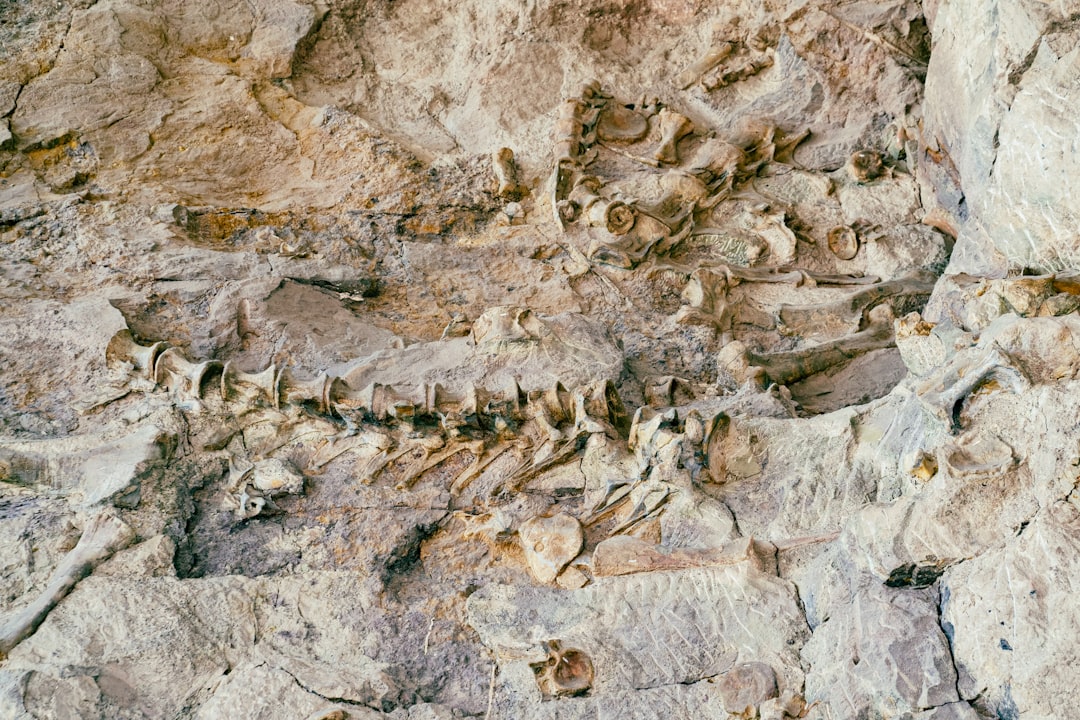
Ancient Shark Fossils Unearthed in Western Desert Egypt
The vast, arid expanse of Egypt’s Western Desert, long celebrated for its monumental pyramids and pharaonic tombs, has yielded a different kind of ancient treasure: a remarkable collection of shark fossils. These prehistoric remnants, unearthed from the heart of this seemingly barren landscape, offer a profound glimpse into a vastly different past, a time when this now-desert region teemed with marine life. The discovery is not merely a collection of old bones; it represents a significant scientific breakthrough, challenging previous understandings of ancient environments and the evolutionary journey of some of Earth’s most enduring predators.
The Western Desert of Egypt, a significant portion of the Sahara Desert, is characterized by its extreme aridity and sprawling sand dunes. However, geologists and paleontologists have long recognized that beneath this parched surface lie clues to a much wetter, vibrant past. The region is dotted with geological formations that speak of ancient oceans and seas that once covered these lands. The discovery of shark fossils is directly linked to these geological records, offering tangible evidence of these submerged eras.
The Tethys Sea: A Cradle of Marine Life
The prevailing scientific consensus points to the presence of the Tethys Sea as the primary ancient marine environment responsible for the fossilized remains. This vast, ancient ocean once stretched across what is now North Africa, the Middle East, and southern Europe. It existed for millions of years, from the late Paleozoic Era through the early Cenozoic Era, serving as a rich ecosystem for a diverse array of marine organisms. The sedimentary rocks found in the Western Desert, particularly those from the Eocene epoch, are replete with evidence of this once-dominant sea.
Eocene Sediments: A Window to the Past
The specific geological strata where the shark fossils were found are predominantly Eocene in age, dating back approximately 56 to 34 million years ago. During the Eocene, this part of Egypt was situated within the shallow, warm waters of the Tethys Sea. These sediments, often comprised of limestone and marl, were formed from the accumulation of marine debris – shells, skeletal fragments, and organic matter – in a tranquil, productive environment. The remarkable preservation of the shark fossils within these layers is a testament to the stable conditions that prevailed during their deposition.
Geomorphological Features of the Discovery Site
The exact location of the fossil finds, while often kept confidential to protect the integrity of the site, is typically within areas characterized by specific geological formations. These might include ancient reef systems or offshore deposits that would have attracted and supported large populations of sharks. The erosion patterns of the desert landscape can also play a crucial role, exposing fossil-bearing layers that would otherwise remain buried. Wind and water erosion, over millennia, have sculpted the land, revealing these ancient secrets.
Fossiliferous Strata: Identifying the Rich Deposits
Paleontologists employ meticulous geological surveys to identify “fossiliferous strata” – rock layers known to contain a high concentration of fossils. In the Western Desert, these strata are often identified by their distinctive lithology (rock type and composition) and the presence of marine invertebrate fossils, such as foraminifera and mollusk shells, which serve as indicator species for ancient marine environments. The shark fossils are often found alongside these smaller marine fossils, reinforcing their association with the Tethys Sea.
Recent discoveries of shark fossils in the Western Desert of Egypt have shed light on the ancient marine ecosystems that once thrived in the region. These fossils provide crucial insights into the evolution of sharks and their adaptation to changing environments over millions of years. For those interested in exploring how different regions are adapting to modern challenges, a related article discusses Mexico’s growing role in electric vehicle manufacturing and its implications for the global market. You can read more about it here: Mexico’s Growing Role in Electric Vehicle Manufacturing.
Unveiling the Ancient Predators: The Fossil Specimens
The unearthed shark fossils are not just fragmentary remains; they often comprise remarkably well-preserved teeth, vertebrae, and even occasionally dermal denticles. The sheer quantity and variety of these specimens are what make this discovery so significant, offering a comprehensive look at the shark populations that once inhabited this region.
The Dominant Species: Identifying the Shark Assemblage
The initial analysis of the fossil teeth has revealed the presence of several distinct shark species. While detailed taxonomic studies are ongoing, preliminary findings suggest a diverse assemblage reflecting the ecological niches within the Eocene Tethys Sea.
Otodus Obliquus: A Megalodon Ancestor
One of the most exciting identifications is the presence of teeth belonging to Otodus obliquus. This extinct species is a direct ancestor of the colossal Megalodon (Otodus megalodon). The discovery of Otodus obliquus teeth in Egypt further solidifies the idea that this region was part of a broader distribution network for these formidable apex predators during the Eocene. The teeth of Otodus obliquus are typically triangular with a broad root and serrated edges, designed for shearing through flesh.
Carcharocles Auriculatus: Another Giant Predator
Carcharocles auriculatus, another large, extinct species of mackerel shark, is also believed to be represented in the fossil finds. This shark was a formidable predator of its time, and its teeth share some characteristics with those of the later great white shark. The presence of Carcharocles auriculatus alongside Otodus obliquus indicates a rich predatory ecosystem.
Lamniform Sharks: A Diverse Group
The fossil assemblage likely includes a variety of other lamniform sharks, the order that encompasses many of the large, predatory sharks we know today, including the great white. This could include species related to mako sharks and other fast-swimming predators. The diversity within this group would have reflected different feeding strategies and prey preferences.
Squatiniformes: Angel Sharks in Ancient Seas
Evidence of angel sharks, belonging to the order Squatiniformes, has also been found. These flattened, bottom-dwelling sharks would have occupied different ecological niches compared to the pelagic lamniforms. Their presence indicates a complex marine food web.
Tooth Morphology: Unlocking Evolutionary Secrets
The morphology, or shape and structure, of the fossilized teeth is crucial for identifying species and understanding their feeding habits. The size, shape, curvature, serration, and root structure of each tooth provide invaluable clues.
Serration Patterns: Clues to Diet
The degree of serration on the tooth’s edge is a direct indicator of its diet. Sharks that fed on large prey, like marine mammals or other large fish, tend to have more strongly serrated teeth for efficiently cutting through flesh. Sharks that fed on smaller prey or mollusks might have smoother or less developed serrations.
Root Structure: Ontogenetic Stages
The development of the tooth’s root structure can also provide information about the age and growth stage of the shark. Scientists can differentiate between juvenile and adult teeth based on these characteristics, offering insights into the life cycle of these ancient creatures.
Enameloid Thickness: Feeding Adaptations
The thickness of the enameloid, the hard outer layer of the tooth, can also be indicative of feeding adaptations. Thicker enameloid might suggest a diet that involved crushing hard shells or bone.
Reconstructing the Ancient Ecosystem: More Than Just Sharks
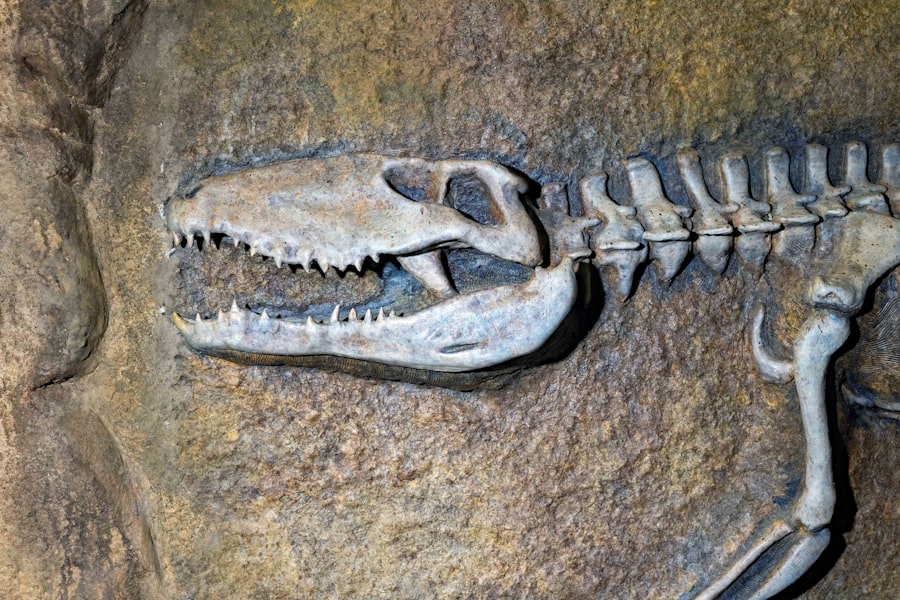
The discovery of these shark fossils is not an isolated event. They are found within a broader paleontological context, indicating the presence of a rich and complex ancient ecosystem that extended far beyond these apex predators.
Associated Marine Fauna: A Vibrant Biosphere
The sedimentary layers that yield the shark fossils are often rich with the remains of other marine organisms. This accompanying fauna provides crucial context for understanding the environment in which the sharks lived and the prey they might have encountered.
Bony Fish Remains: Prey and Competitors
Fossilized scales, vertebrae, and teeth of various bony fish are frequently found alongside the shark fossils. These represent both potential prey for the sharks and also their competitors for food resources. Identifying these fish species can help reconstruct the food web.
Marine Mammals: Early Cetaceans
Evidence of early marine mammals, including primitive whales and dolphins, may also be present in these Eocene deposits. These creatures, if found, would represent a significant food source for large predatory sharks like Otodus obliquus and Carcharocles auriculatus.
Invertebrate Life: The Foundation of the Food Chain
The sediments are often densely packed with the fossilized remains of invertebrates, such as mollusks (snails, clams), crustaceans (crabs, lobsters), and echinoderms (sea urchins, starfish). These organisms formed the base of the marine food chain, supporting the fish that in turn became prey for the sharks.
Paleobotanical Evidence: Clues to Vegetation
While less common in these specific marine deposits, paleobotanical evidence, such as fossilized marine algae or mangrove roots from nearby coastal areas, can provide further insights into the overall environment. The presence of certain types of algae can indicate water depth and nutrient levels.
Algae and Phytoplankton: Primary Producers
The abundance of phytoplankton and algae would have been directly related to the nutrient levels in the Tethys Sea. These microscopic organisms formed the base of the oceanic food web, supporting zooplankton and subsequently larger organisms.
Seagrasses and Mangroves: Coastal Influences
If the discovery sites are close to ancient shorelines, fossilized seagrasses or mangrove roots could offer clues about coastal ecosystems and their influence on the marine environment, such as providing nurseries for juvenile fish.
Dating the Past: Chronological Frameworks and Methods
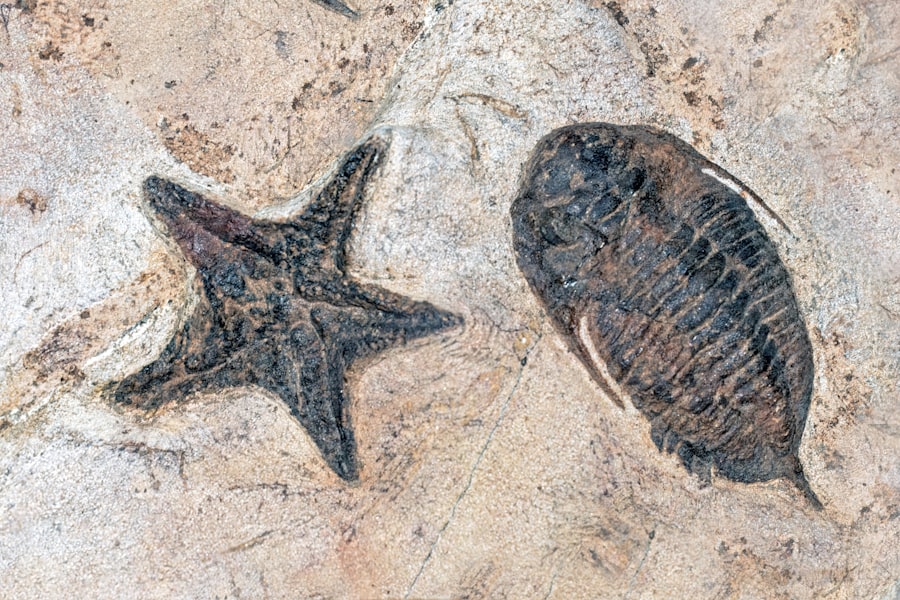
Establishing a precise age for these fossil finds is paramount to understanding their significance within the broader timeline of Earth’s history and evolution. Scientists employ a range of sophisticated dating techniques to achieve this.
Biostratigraphy: Fossil Assemblages as Markers
Biostratigraphy is a fundamental dating method that relies on the principles of fossil succession. Different species of marine organisms lived and died out during specific geological periods. By identifying the known stratigraphic ranges of the associated marine invertebrate fossils, paleontologists can establish a relative age for the shark fossils found within the same rock layers.
Index Fossils: Key Time Indicators
Certain fossil species, known as “index fossils,” are particularly useful for biostratigraphy. These are species that are widespread, easily identifiable, and existed for a relatively short geological period. Their presence in a rock layer acts as a reliable marker for that specific time.
Radiometric Dating: Absolute Age Determination
For more precise absolute dating, radiometric dating techniques are employed, primarily on volcanic ash layers or specific mineral grains within the sedimentary rocks.
Uranium-Lead Dating: Precision for Older Rocks
While more common for older rocks, uranium-lead dating of zircons or other suitable minerals found within or around the fossiliferous layers can provide highly accurate age estimates, often in the millions of years.
Potassium-Argon Dating: Analyzing Volcanic Materials
If volcanic ash layers are present within the stratigraphic column, potassium-argon dating can be used to determine the age of those layers. This method is particularly useful for dating Cenozoic rocks.
Paleomagnetism: Earth’s Magnetic Field as a Clock
Paleomagnetism studies the Earth’s magnetic field recorded in rocks. As the Earth’s magnetic poles have reversed numerous times throughout history, the pattern of these reversals is well-documented. By matching the magnetic signature of the fossil-bearing rocks to the known geomagnetic polarity timescale, scientists can further refine the dating.
Magnetic Polarity Chrons: Temporal Markers
The reversal patterns create distinct “magnetic polarity chrons,” which are periods of normal or reversed magnetic polarity. The sequence of these chrons can be used to date rock layers with significant precision.
Recent discoveries of shark fossils in the Western Desert of Egypt have shed light on the ancient marine ecosystems that once thrived in the region. These fossils provide valuable insights into the evolutionary history of sharks and their adaptation to changing environments. For a deeper understanding of how ancient landscapes were shaped and mapped before modern exploration, you can explore this fascinating article on navigating the unknown. The connection between these findings and the broader context of historical geography highlights the intricate relationship between land and sea throughout Earth’s history.
Scientific Significance and Future Implications
| Fossil Type | Species | Age | Location |
|---|---|---|---|
| Shark Teeth | Carcharocles megalodon | Miocene-Pliocene | Western Desert, Egypt |
| Shark Vertebrae | Carcharocles angustidens | Miocene | Western Desert, Egypt |
The unearthing of these ancient shark fossils in Egypt’s Western Desert is far more than a mere curiosity; it carries profound scientific implications that will shape our understanding of paleontology, paleogeography, and evolutionary biology.
Reconstructing Ancient Oceanography: The Tethys Sea’s Extent and Dynamics
The detailed mapping of these fossil sites, combined with the identification of the shark species and associated fauna, allows scientists to refine models of the Tethys Sea’s geographical extent and its oceanic currents during the Eocene epoch. This discovery provides concrete evidence of its presence and marine productivity in this specific region of North Africa.
Paleogeographic Reconstruction: Shifting Continents and Seas
By understanding where these marine fossils are found, scientists can better reconstruct the paleogeography of the Earth millions of years ago, illustrating how continents were positioned and how ancient seaways connected different regions.
Paleoenvironmental Reconstruction: Climate and Water Conditions
The types of sharks and other marine life found, along with the sedimentary rock composition, offer insights into the ancient climate, water temperature, salinity, and depth of the Tethys Sea in this area. This helps paint a picture of a once-tropical or subtropical marine environment.
Understanding Shark Evolution: Filling Gaps in the Fossil Record
The sheer abundance and diversity of the shark fossils provide invaluable data for studying the evolutionary history of sharks. The presence of species like Otodus obliquus and Carcharocles auriculatus allows for detailed comparative studies that can illuminate evolutionary pathways and the development of key features.
Ancestral Lineages: Tracing Evolutionary Roots
These fossils can help trace the ancestral lineages of modern shark species, revealing how specific adaptations, such as tooth morphology or body shape, evolved over vast stretches of time.
Extinction Patterns: Insights into Past Marine Ecosystem Changes
The study of these ancient shark populations, including which species thrived and which eventually went extinct, can provide insights into past marine ecosystem changes, such as shifts in ocean temperature, food availability, or the emergence of new predators.
Future Research Avenues: Unlocking Further Mysteries
This discovery opens up numerous avenues for future research, promising to unlock even more secrets about Egypt’s prehistoric past.
Continued Excavation and Exploration: Expanding the Search Area
Further systematic surveys and excavations in similar geological formations within the Western Desert are crucial to potentially uncover more fossil sites and a greater diversity of specimens.
Advanced Analytical Techniques: Unlocking Microscopic Clues
The application of advanced analytical techniques, such as isotopic analysis of tooth enamel or micro-CT scanning of fossilized elements, can reveal detailed information about the sharks’ diet, migratory patterns, and even their physiological conditions.
Comparative Studies: Connecting to Global Discoveries
Comparing these Egyptian fossils with similar discoveries from other parts of the world will provide a more comprehensive global picture of ancient shark distribution, migration, and evolutionary relationships.
The ancient shark fossils unearthed in Egypt’s Western Desert are not just echoes of a forgotten past; they are living testaments to the dynamic geological and biological forces that shaped our planet. As research continues, these prehistoric predators will undoubtedly continue to reveal the remarkable story of life on Earth, transforming our understanding of the ancient seas that once graced this now-arid land.

They Found a Shark Graveyard in the Egyptian Desert
FAQs
What are the shark fossils found in the Western Desert of Egypt?
The shark fossils found in the Western Desert of Egypt are ancient remains of prehistoric sharks that lived in the area millions of years ago. These fossils provide valuable information about the ancient marine life in the region.
How old are the shark fossils found in the Western Desert of Egypt?
The shark fossils found in the Western Desert of Egypt are estimated to be around 50 million years old. They date back to the Eocene epoch, a period known for its diverse marine life.
What significance do the shark fossils hold for paleontologists and researchers?
The shark fossils found in the Western Desert of Egypt hold great significance for paleontologists and researchers. They provide insights into the evolution and diversity of ancient shark species, as well as the marine ecosystems of the region during the Eocene epoch.
Where in the Western Desert of Egypt were the shark fossils discovered?
The shark fossils were discovered in the Western Desert of Egypt, specifically in the Wadi El-Hitan area. Wadi El-Hitan, also known as the Valley of the Whales, is a UNESCO World Heritage Site known for its rich fossil discoveries, including ancient shark remains.
What can the discovery of shark fossils in the Western Desert of Egypt tell us about the region’s geological history?
The discovery of shark fossils in the Western Desert of Egypt provides valuable information about the region’s geological history. It indicates that the area was once covered by a shallow sea during the Eocene epoch, and that it was home to a diverse array of marine life, including prehistoric sharks.