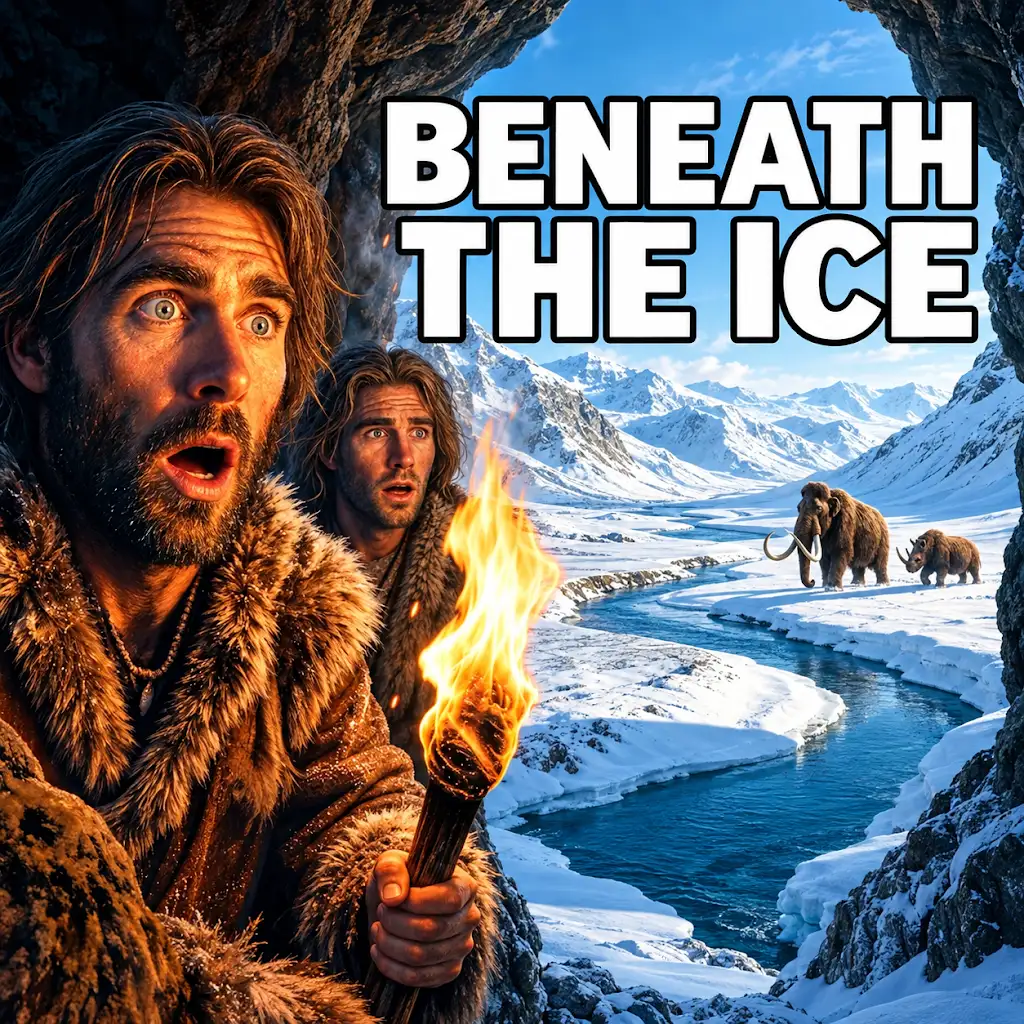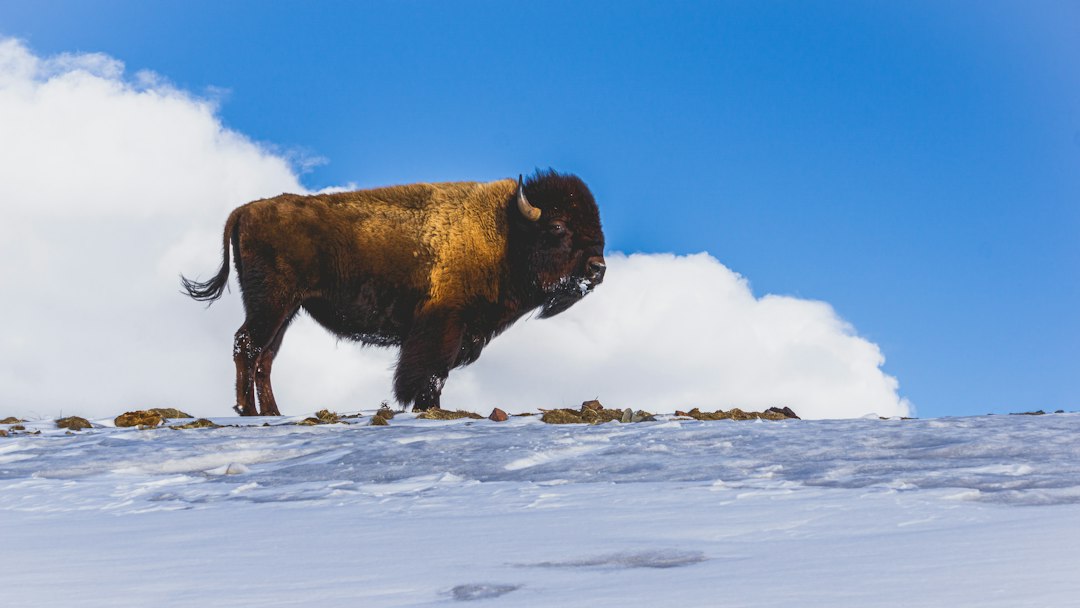
The documentary, “Echoes of the Mammoth Steppe,” offered an extraordinary glimpse into a world dominated by the Ancient Steppe Bison ( Bison priscus), a creature that once roamed vast expanses of Eurasia and North America. This exploration delves into the multifaceted insights provided by the film, illuminating the biology, behavior, ecological impact, and ultimate fate of this magnificent extinct megafauna. The documentary meticulously reconstructs the life of these colossal bovids, drawing upon paleontology, genetics, and sophisticated computer modeling to bring their ancient existence to vivid life, revealing a species far more complex and influential than often imagined.
The Lords of the Ancient Grasslands
The film opened with a breathtaking panorama of the Pleistocene steppe, a seemingly endless expanse of grasses, forbs, and scattered shrubs stretching across the Northern Hemisphere. This was the dominion of Bison priscus, a species that dwarfed its modern descendants and played a pivotal role in shaping this formidable ecosystem. The documentary emphasized the sheer scale of these animals, with males potentially reaching weights of over a ton and standing significantly taller at the shoulder than today’s bison. Their impressive horns, often depicted as long, sweeping arcs, were not merely for show; they were formidable weapons for defense against predators and for intraspecific combat during the mating season.
Physical Adaptations for a Harsh Climate
“Echoes of the Mammoth Steppe” dedicated a significant portion to the remarkable physical adaptations that allowed Bison priscus to thrive in the challenging Pleistocene environment. The thick, shaggy coat, meticulously recreated through CGI based on fossil evidence and analogies with modern Arctic mammals, would have provided insulation against frigid winds and sub-zero temperatures. The documentary highlighted the species’ powerful musculature, essential for traversing vast distances in search of food and for defending their territory. The structure of their hooves was also examined, suggesting adaptations for navigating varied terrain, from the soft, snow-laden ground of winter to the muddy expanses of the thaw. Genetic evidence, discussed in the film, indicated a remarkable degree of cold tolerance, possibly involving unique physiological mechanisms for heat conservation and generation. The documentary posited that their large lung capacity was crucial for sustaining them during strenuous activities and for efficiently processing the oxygen-rich but often thin air of the high latitudes.
Dietary Habits and Foraging Strategies
The documentary’s reconstruction of Bison priscus‘s diet painted a picture of a highly adaptable grazer. While primarily herbivorous, feeding on the abundant grasses and sedges of the steppe, evidence suggested they were not entirely selective. The film showcased detailed animations of these bison grazing, illustrating how their powerful jaws and specialized teeth could efficiently process tough vegetation. Researchers discussed the importance of migratory patterns for accessing optimal foraging grounds, particularly the seasonal availability of nutrient-rich grasses that emerged with the spring melt. The documentary also touched upon their potential to consume a wider range of plant matter, including roots and bark, during times of scarcity, demonstrating a resilience that was key to their survival. The film’s experts theorized that their sheer numbers would have maintained a low-lying, intensely grazed landscape, preventing the encroachment of larger woody vegetation and thus preserving the open steppe environment.
For those interested in the fascinating world of ancient steppe bison, a related article that delves into the broader themes of truth and perception in historical narratives can be found at this link: The Illusion of Truth: How Power Conceals Reality. This article explores how our understanding of history can be shaped by various influences, much like how the study of ancient steppe bison reveals insights into prehistoric ecosystems and the impact of climate change on megafauna.
The Ecological Architects of the Pleistocene
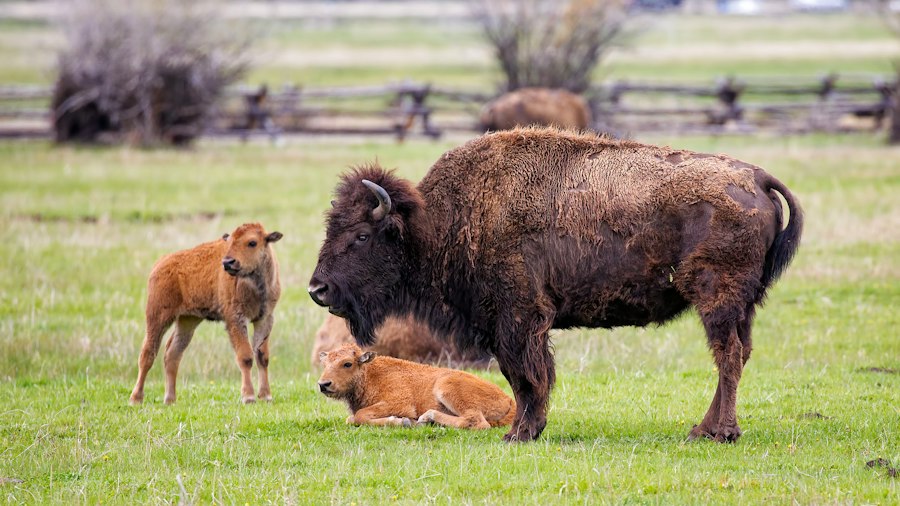
Beyond their physical prowess, the documentary strongly emphasized the profound ecological influence of Bison priscus. They were not merely inhabitants of the steppe; they were its architects, shaping the landscape through their constant movement and grazing. Their impact extended to the distribution of plant species, nutrient cycling, and even influencing the behavior of other animals. The film illustrated how their immense herds, numbering in the tens of thousands, would have created a mosaic of habitats, with heavily grazed areas interspersed with areas of taller, undisturbed vegetation.
Maintaining the Mammoth Steppe Ecosystem
One of the most compelling arguments presented in the documentary was that Bison priscus was instrumental in the very existence of the Mammoth Steppe itself. This vast, interconnected biome, characterized by its cold, arid climate and dominance of grasses and herbaceous plants, was maintained by the constant pressure of large herbivores. The documentary explained how the bison’s grazing prevented the spread of shrubs and trees, which would have altered the microclimate and favored different plant communities. Their trampling also contributed to the breaking down of dead plant material, facilitating nutrient recycling and enriching the soil. The film drew parallels with modern grassland ecosystems, highlighting how the absence of large grazers can lead to ecological degradation. The narrative suggested that the steppe bison, through their continuous consumption and movement, acted as ecological engineers, ensuring the unique biodiversity of this ancient world.
Interactions with Predators and Other Megafauna
The documentary also delved into the complex web of interactions between Bison priscus and its contemporaries. The steppe was a dangerous place, and the bison were a primary prey species for formidable predators such as the Cave Lion (Panthera leo spelaea) and the Dire Wolf (Aenocyon dirus). The film showcased thrilling, albeit speculative, reconstructions of predator-prey encounters, highlighting the cooperative hunting strategies of wolves and the solitary prowess of lions. It was evident that the sheer size and defensive capabilities of adult bison meant that only the fittest, youngest, or most vulnerable individuals would have been successfully preyed upon. Furthermore, the documentary touched upon their interactions with other megafauna, such as mammoths and horses, suggesting a degree of coexistence, with these species likely occupying slightly different ecological niches or foraging in overlapping areas. The constant threat of predation, however, would have fostered vigilance and herd behavior, further influencing their social structure and movements.
A Social Hierarchy and Behavioral Patterns

The documentary moved beyond the individual animal to explore the social fabric of Bison priscus herds. Through the analysis of fossil sites containing multiple individuals and by drawing analogies with modern bison behavior, researchers presented a plausible picture of their social organization and daily lives. The film depicted a complex, matriarchal society, with strong bonds within family groups and a hierarchical structure that governed access to resources and mating opportunities.
Herd Dynamics and Reproduction
“Echoes of the Mammoth Steppe” meticulously recreated the seasonal cycles of bison life. The documentary illustrated the spring awakening of the steppe, with calving seasons bringing a surge of vulnerable young. It highlighted the importance of protective maternal herds and the role of bulls in defending them. The film depicted the rutting season, a period of intense competition and aggression among males, with dramatic battles for dominance and access to females. The reproductive strategies of Bison priscus were inferred to be similar to those of modern bison, emphasizing the long gestation periods and the significant investment in calf-rearing. The documentary also touched upon the migratory patterns of herds, driven by the search for fresh pastures and the avoidance of harsh weather conditions. These migrations were not random wanderings but purposeful journeys that connected different parts of the vast steppe ecosystem.
Communication and Defense Mechanisms
The documentary explored the likely methods of communication within Bison priscus herds. While direct evidence is scarce, researchers proposed that a combination of vocalizations, scent marking, and visual cues would have been crucial for maintaining herd cohesion and signaling danger. The film showed animations of bison emitting low grunts and bellows, as well as subtle body language, such as ear movements and head tosses, to convey information. The primary defense mechanism, however, was undoubtedly their collective strength and the intimidating presence of the herd. The documentary illustrated how a united herd could present an almost impenetrable wall of muscle and horns to predators, with individuals often forming a defensive circle around the young and infirm. Their sheer size and powerful charges were also formidable deterrents.
The Ice Age Collapse and Extinction
A significant portion of the documentary was dedicated to unraveling the mystery of Bison priscus‘s decline and eventual extinction. The film presented a nuanced perspective, moving away from a single catastrophic event to a more complex interplay of environmental and climatic changes. The transition from the Pleistocene to the Holocene epoch brought about profound shifts in vegetation and climate, which ultimately proved too challenging for this specialized species.
Environmental Shifts and Habitat Loss
The documentary meticulously charted the climatic warming that marked the end of the last Ice Age. As temperatures rose, the vast, cold, and arid Mammoth Steppe began to transform. The film explained how forests and woodlands started to encroach on the open grasslands, gradually reducing the preferred habitat of Bison priscus. The documentary also highlighted the changes in precipitation patterns, with some regions becoming wetter and others drier, further disrupting the delicate balance of the steppe ecosystem. This habitat fragmentation and alteration made it increasingly difficult for the large, migratory herds to find suitable foraging grounds and to maintain their traditional migratory routes. The film presented data illustrating the shrinking range of Bison priscus as these environmental changes progressed.
Competition and the Rise of Modern Bison
The documentary explored the role of competition in the extinction of Bison priscus. As the environment shifted, new species emerged or expanded their ranges. The film suggested that the ancestors of modern bison (Bison bison and Bison bonasus) were perhaps more adaptable to the changing conditions or occupied slightly different ecological niches. These emerging lineages may have outcompeted Bison priscus for dwindling resources in certain areas. The documentary also touched upon the possibility that the long horns of Bison priscus, so well-suited to the open steppe, may have become a disadvantage in the more varied and often more wooded environments that were developing. The film concluded that the extinction of Bison priscus was not a sudden event but a gradual process of decline driven by a combination of habitat loss, changing environmental conditions, and potentially competition from closely related species.
The ancient steppe bison, a fascinating creature that roamed the vast landscapes of North America and Eurasia, has captured the interest of many researchers and enthusiasts alike. Their impressive size and adaptability to harsh environments make them a significant subject of study in understanding prehistoric ecosystems. For those intrigued by ancient mysteries, a related article explores the enigmatic navigation methods of early humans, shedding light on how they might have interacted with these magnificent animals. You can read more about this captivating topic in the article here.
Legacy and Lessons from the Steppe Bison
| Metric | Details |
|---|---|
| Species Name | Bison priscus (Steppe Bison) |
| Time Period | Pleistocene Epoch (approx. 2.6 million to 11,700 years ago) |
| Habitat | Vast Eurasian steppes, from Western Europe to Alaska |
| Size | Up to 2.5 meters in length, 1.9 meters tall at the shoulder |
| Weight | Approximately 700 to 1,000 kilograms |
| Diet | Herbivorous – primarily grasses and sedges |
| Extinction | Disappeared around 10,000 years ago, likely due to climate change and human hunting |
| Fossil Discoveries | Well-preserved specimens found in Siberian permafrost and European caves |
| Significance | Important for understanding Pleistocene megafauna and human-prehistoric animal interactions |
Despite its extinction, the documentary argued that the legacy of Bison priscus continues to resonate today. By studying this magnificent creature, we gain invaluable insights into the functioning of ancient ecosystems and the profound impact that megafauna can have on their environments. The film concluded by drawing parallels between the ecological challenges faced by Bison priscus and the conservation concerns of today.
Insights into Paleoecology and Evolutionary History
The documentary “Echoes of the Mammoth Steppe” served as a powerful testament to the importance of paleontology in understanding Earth’s history. The study of Bison priscus and its environment provides a window into the complex ecological dynamics of the Pleistocene. The film illustrated how the fossil record, combined with genetic analysis and modern ecological principles, allows scientists to reconstruct past worlds with remarkable detail. The research presented in the documentary contributes significantly to our understanding of evolutionary processes, demonstrating how species adapt, thrive, and eventually succumb to environmental pressures. The film emphasized that the extinction of Bison priscus is not just a sad story of loss but a crucial case study for understanding the fragility of ecosystems and the long-term consequences of environmental change.
Relevance to Modern Conservation Efforts
The documentary concluded with a thought-provoking discussion on the relevance of Bison priscus to modern conservation. The film posited that the very existence of the Mammoth Steppe was, in large part, a testament to the ecological engineering performed by these ancient bison. Their role in maintaining grassland ecosystems serves as a stark reminder of the importance of large herbivores in shaping and preserving biodiversity in contemporary landscapes. The documentary encouraged viewers to consider the broader implications of megafauna extinctions, both past and present. The lessons learned from the demise of Bison priscus underscore the need for proactive conservation strategies that consider habitat preservation, climate change mitigation, and the reintroduction of keystone species where appropriate. The film left audiences with a sense of awe for the ancient world and a renewed appreciation for the interconnectedness of life on Earth, urging a greater commitment to protecting the planet’s remaining wild spaces and the magnificent creatures that inhabit them.