The Unseen Masters of the Pleistocene Plains
The vast, windswept steppes of the Pleistocene epoch were a realm dominated by colossal herbivores and the humans who dared to hunt them. Among these magnificent beasts, the steppe bison ( Bison priscus) stood as a titan, a creature whose sheer size and formidable nature demanded exceptional skill and strategic prowess from its pursuers. The hunting of these ancient giants was not a haphazard endeavor; it was a testament to the ingenuity, cooperation, and deep understanding of animal behavior possessed by early humans. These hunting tactics, honed over millennia, were crucial for survival, providing essential resources of meat, hides, and bone for tools and shelter, and shaping the very evolution of human societies.
Ancient steppe bison hunting tactics during the Pleistocene era reveal fascinating insights into the survival strategies of early humans. These large mammals, which roamed the vast grasslands, were not only a vital food source but also a challenge to hunt due to their size and strength. Researchers have studied various archaeological sites to understand the methods employed by prehistoric hunters, including the use of tools and collaborative hunting strategies. For a deeper exploration of how ancient societies harnessed their environment for survival, you can read more in the article on ancient power sources found at this link.
The Anatomy of an Ancient Predator: Understanding the Steppe Bison
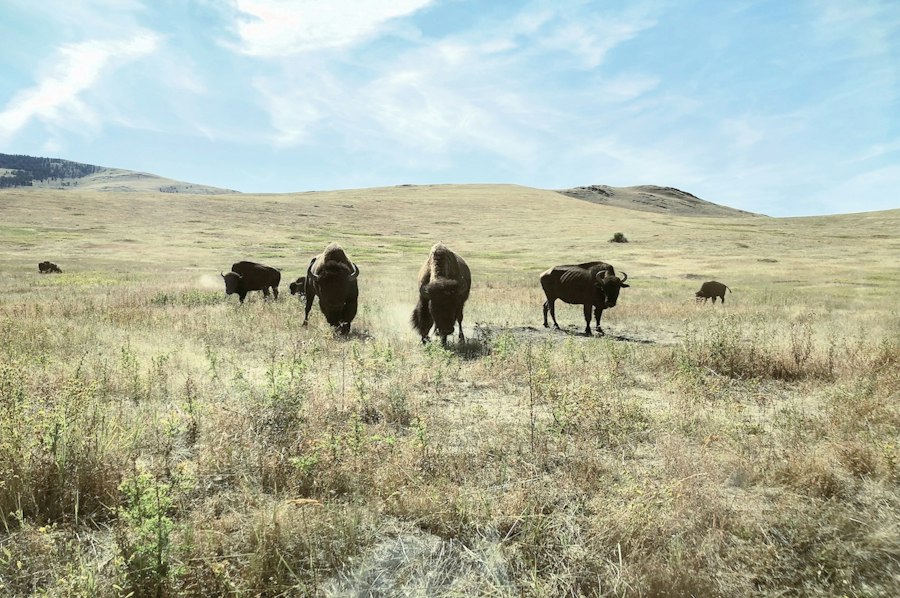
The steppe bison was a creature built for survival in a harsh environment. Significantly larger than its modern descendants, with bulls reaching heights of up to two meters at the shoulder and weighing well over a tonne, these animals were a formidable presence on the landscape. Their immense power, coupled with sharp, dangerous horns, made them a challenging quarry. Understanding their physical attributes was the first step in any successful hunt.
Power and Defense Mechanisms
The sheer mass of the steppe bison was its primary defense. A charging bull could cover ground with surprising speed, its impact capable of crushing bone and delivering fatal blows. Their thick hides offered protection against most predators, including the occasional saber-toothed cat or cave lion. The horns, often long and curved, were not merely decorative; they were weapons capable of goring and tossing smaller creatures with ease. This raw power dictated that a direct confrontation, unless meticulously planned, would likely result in disaster for the hunters.
Herd Dynamics and Behavior
Beyond individual strength, the social structure of steppe bison herds played a significant role in hunting strategies. Bison are herd animals, and their movements were often dictated by the need for grazing, water, and protection. Understanding herd composition – the presence of dominant bulls, protective cows with calves, and vulnerable young or old individuals – was vital for targeting specific animals or exploiting weaknesses within the group. The herd’s tendency to stampede when threatened could be both a danger and an opportunity for skilled hunters.
Sensory Acuity and Vulnerabilities
While powerful, the steppe bison was not invincible. Like most ungulates, their eyesight was generally good, particularly for detecting movement, but their sense of smell was often their primary warning system. Their hearing was also acute, capable of detecting sounds from a distance. Hunters learned to exploit these sensory limitations. Stealth, understanding wind direction to mask their scent, and approaching from downwind were paramount. Furthermore, the bison’s sheer size, while a strength, also meant that they were less agile than smaller prey and could be steered or driven into disadvantageous terrain.
The Orchestra of the Hunt: Collaborative Strategies
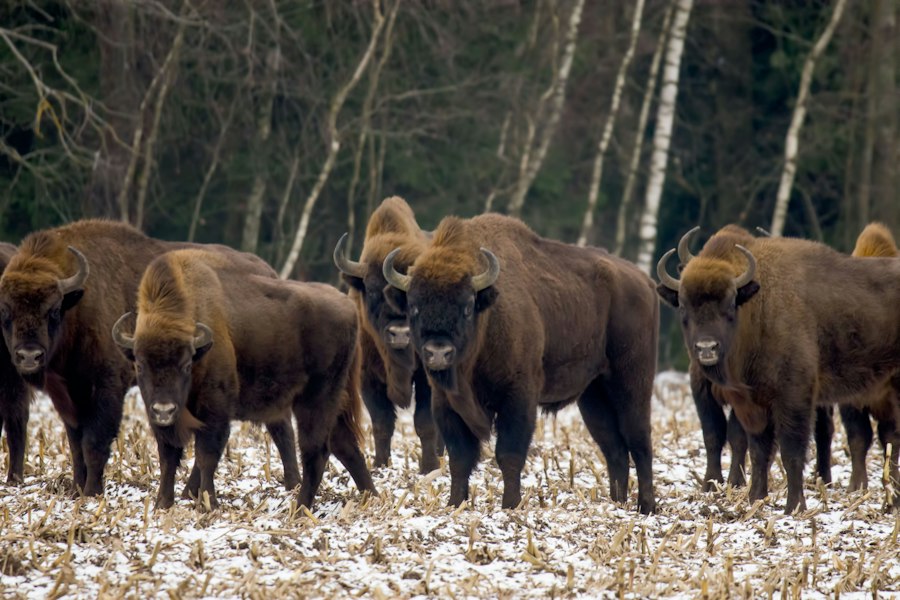
The scale of steppe bison hunting demanded more than individual bravery; it required sophisticated teamwork and a shared understanding of roles and objectives. These hunts were complex operations, orchestrated by experienced individuals who understood the environment, the prey, and the capabilities of their fellow hunters.
The Power of the Group: Coordination and Communication
Lone hunters would have stood little chance against a herd of steppe bison. Archaeological evidence, including the remains of large kill sites with multiple bison carcasses, points to coordinated group efforts. These hunts involved a division of labor, with individuals taking on specific roles such as scouts, drivers, ambushers, and those responsible for the kill itself. Communication, whether through vocalizations, hand signals, or even pre-arranged gestures, was essential for maintaining cohesion and executing complex maneuvers without alerting the prey prematurely. The ability to predict the behavior of the herd as a whole, and to adapt plans in real-time based on the animals’ reactions, demonstrated a remarkable level of cognitive sophistication.
Driving and Ambush: Strategic Luring of Prey
One of the most effective tactics employed by Pleistocene hunters was the strategic driving and ambushing of bison. This involved using the landscape to their advantage, channeling the herd towards pre-determined kill zones. This could involve using natural features like cliffs, ravines, or narrow passes, or employing man-made barriers or noise to direct the animals’ movement. Hunters would position themselves in concealed locations along these routes, ready to strike as the confused and often panicked herd passed by. The goal was to isolate individual animals or smaller groups, making them easier targets.
The Use of Terrain: Natural Traps and Kill Zones
The Pleistocene landscape offered a variety of natural traps that early humans expertly exploited. Sheer cliffs and steep ravines could be used to drive bison over the edge, incapacitating or killing them outright. Boggy areas or treacherous river crossings could also be used to slow down and trap the animals. Hunters would often identify and prepare these kill zones in advance, perhaps by clearing brush or creating subtle diversions, to maximize the effectiveness of their drives. The success of these operations hinged on a profound knowledge of the local topography and the predictable behavior of bison when encountering difficult terrain.
The Hunter’s Arsenal: Tools and Techniques
The successful hunting of steppe bison was inextricably linked to the development and application of specialized tools and techniques. These were not crude weapons; they were refined instruments designed to inflict maximum damage with minimal risk to the hunter.
The Spear: A Versatile Weapon of the Plains
The spear was undoubtedly the cornerstone of Pleistocene bison hunting. Its length allowed hunters to maintain a safe distance from the formidable horns, while its sharpened tip, often tipped with stone points, was designed for penetration. The development of hafting techniques, attaching the stone points securely to wooden shafts, was a crucial innovation. Different types of spears may have been employed: heavier, shorter thrusting spears for close-quarters engagement after the bison had been slowed or injured, and lighter, longer throwing spears for initiating the attack from a distance. The accuracy and force with which these spears could be thrown were honed through years of practice and likely involved specialized training.
Projectile Technology: The Rise of the Atlatl
The advent of the atlatl, or spear-thrower, represented a significant leap forward in projectile technology. This simple yet ingenious device acted as a lever, extending the hunter’s arm and dramatically increasing the velocity and range of a thrown spear. The atlatl allowed hunters to engage bison from even greater distances, further reducing the risk of direct confrontation. It also enabled more precise targeting of vital areas. The widespread distribution of atlatl artifacts across Pleistocene archaeological sites underscores its importance in the hunting strategies of the time.
Fire and Noise: Psychological Warfare on the Steppe
While physical tools were essential, early hunters also employed psychological tactics. The use of fire and loud noises could be employed to disorient, panic, and drive bison herds. Torches waved in the darkness or strategically placed bonfires could create confusion and fear, making the animals more susceptible to being herded into traps or ambushes. The coordinated shouting and banging of objects by a group of hunters could amplify this effect, overwhelming the bison’s senses and breaking their formation. This “psychological warfare,” when combined with physical tactics, demonstrated a sophisticated understanding of animal behavior beyond simple brute force.
Ancient steppe bison hunting tactics during the Pleistocene era reveal fascinating insights into the survival strategies of early humans. These early hunters developed sophisticated methods to track and ambush these massive creatures, often utilizing the landscape to their advantage. For a deeper understanding of how environmental changes influenced human behavior and hunting practices, you can explore a related article that discusses the broader implications of prehistoric survival strategies. This article can be found here.
The Aftermath: Maximizing the Bounty
| Aspect | Description | Evidence Source | Estimated Time Period | Hunting Tactic | Effectiveness |
|---|---|---|---|---|---|
| Group Hunting | Cooperative hunting in groups to drive bison into traps or confined areas | Archaeological sites with multiple kill layers and communal camps | Late Pleistocene (~50,000 – 12,000 years ago) | Herding bison into natural corrals or constructed drive lanes | High – increased success rate and safety |
| Ambush Hunting | Using terrain features like cliffs or narrow valleys to ambush bison | Kill sites near cliffs with remains showing fall injuries | Middle to Late Pleistocene | Driving bison off cliffs (buffalo jumps) | Moderate to High – efficient mass kills |
| Weaponry | Use of spears, atlatls, and later bows to hunt bison | Stone points and spear fragments found at kill sites | Throughout Pleistocene | Projectile hunting from a distance | Variable – depended on weapon technology and skill |
| Seasonal Hunting | Targeting bison during seasonal migrations or rutting periods | Faunal remains showing seasonal age profiles | Late Pleistocene | Timing hunts to maximize yield | High – optimized resource use |
| Butchering and Processing | Systematic butchering to maximize meat, hide, and bone use | Cut marks on bones and tool assemblages | Late Pleistocene | Efficient resource extraction post-hunt | High – reduced waste and supported larger groups |
A successful bison hunt was not merely about the kill; it was about efficiently utilizing every aspect of the fallen animal. The steppe bison provided a wealth of resources, and the ability to process its carcass effectively was vital for the survival and prosperity of Pleistocene human communities.
Butchery and Resource Utilization
The meticulous dismemberment of a bison carcass was a complex process. Hunters would have had a deep understanding of anatomy, knowing where to make the most efficient cuts to extract meat, tendons, and marrow. The meat itself was a primary source of sustenance, providing essential protein and fats. However, the bounty did not end there. The thick hides were invaluable for creating clothing, shelters, and coverings for tools and weapons. Bones and antlers were fashioned into a wide array of tools, including awls, needles, scrapers, and spearheads, as well as decorative items and even musical instruments.
The Importance of Fat and Marrow
Fat and marrow were particularly prized resources, offering high-energy sustenance crucial for survival in the often-challenging Pleistocene climate. The ability to extract and process these fatty tissues would have been a skill passed down through generations. This could have involved rendering fat for storage or for use in cooking, and consuming marrow directly from cracked bones. These nutrient-rich components were vital for maintaining energy levels during long, cold winters and for supporting strenuous hunting expeditions.
Preservation and Storage Techniques
Given the abundance of meat from a single bison kill, preservation and storage techniques were likely paramount. While direct consumption would have occurred, methods for extending the shelf-life of meat would have been essential to avoid spoilage and to ensure a food supply between successful hunts. Drying and smoking of meat are ancient techniques that would have been highly effective in the arid or semi-arid conditions of some Pleistocene steppe environments. Archaeological evidence of hearths and encampments associated with kill sites suggests that meat was likely cooked and shared among the hunting party, with leftovers being processed for later consumption.
Legacy and Evolution: The Enduring Impact of Bison Hunting
The strategies and skills developed for hunting steppe bison had a profound and lasting impact on the trajectory of human evolution and the development of early cultures. These hunts were not simply about acquiring food; they were formative experiences that shaped social structures, cognitive abilities, and technological innovation.
The Shaping of Social Bonds and Cooperation
The necessity of coordinated group hunting fostered strong social bonds and a deep reliance on cooperation. Successful hunts reinforced the value of teamwork, communication, and trust within a community. The shared effort and the equitable distribution of resources likely contributed to the development of more complex social hierarchies and kinship structures. The ability to organize, plan, and execute such demanding activities served as a powerful catalyst for the evolution of human intelligence and social complexity.
Technological Innovation and Adaptation
The challenges posed by hunting large herbivores like the steppe bison drove continuous technological innovation. The refinement of stone tools, the development of hafting techniques, and the invention of the atlatl are all testaments to this adaptive pressure. The need for specialized tools for butchery, hide processing, and bone working further spurred the development of a diverse material culture. This ongoing cycle of problem-solving and innovation laid the groundwork for future technological advancements.
The Role in Human Dispersal and Cultural Development
The mastery of hunting large game, including the steppe bison, was instrumental in enabling human populations to disperse across vast geographical areas and to colonize diverse ecological niches. The resources provided by these hunts allowed early humans to thrive in environments that might otherwise have been inhospitable. Furthermore, the cultural traditions, myths, and rituals that likely arose around these significant hunting events played a crucial role in shaping the collective identities and belief systems of early human societies, leaving an indelible mark on the tapestry of human history. The legacy of the steppe bison hunt is, therefore, not just a story of survival, but a narrative of human ingenuity, cooperation, and the relentless drive to adapt and thrive.

Beneath the Ice: Surviving the Ice Age 20,000 Years Ago
FAQs
What were some common tactics used by ancient hunters to hunt steppe bison during the Pleistocene era?
Ancient hunters used various tactics to hunt steppe bison, including driving them off cliffs, setting up traps, and using spears or bows and arrows to take down the animals.
How did ancient hunters benefit from hunting steppe bison during the Pleistocene era?
Ancient hunters benefited from hunting steppe bison as they provided a valuable source of food, clothing, and other resources necessary for survival in harsh environments.
Were there any risks involved in hunting steppe bison during the Pleistocene era?
Yes, hunting steppe bison was a dangerous activity for ancient hunters as these animals were large and powerful, capable of causing harm or even death if not hunted carefully.
Did ancient hunters have specialized tools or weapons for hunting steppe bison during the Pleistocene era?
Ancient hunters used specialized tools and weapons such as spears, bows and arrows, and traps to effectively hunt steppe bison and increase their chances of success.
How did the hunting tactics of ancient hunters impact the population of steppe bison during the Pleistocene era?
The hunting tactics of ancient hunters likely had a significant impact on the population of steppe bison, potentially leading to a decline in numbers over time as a result of overhunting and environmental changes.