
The call of the wild, a primal instinct buried deep within the human psyche, resonates with a timeless allure. In an era of instant gratification and technological dependence, the rediscovery of ancient survival skills offers a profound connection to our ancestral past, a tangible link to the ingenuity and resilience that allowed humanity to thrive for millennia. These skills, honed through generations of necessity, are not mere relics of history; they are living lessons, offering practical wisdom for navigating challenges, fostering self-reliance, and deepening our understanding of the natural world. From the meticulous art of fire-making without modern tools to the intricate knowledge of edible and medicinal plants, each skill unearthed from the depths of antiquity provides a window into the resourcefulness of our forebears.
Whispers of the Hearth: Mastering Fire’s Elemental Power
The ability to control fire was a monumental leap for early humans, transforming them from prey to predator and enabling societal development. The seemingly simple act of producing a flame, when stripped of lighters and matches, becomes a profound exercise in understanding physics, friction, and patience. This skill is not just about warmth and cooking; it is a fundamental element of survival, providing light, protection from predators, and a means to purify water. Examining the methods employed by ancient peoples reveals a deep understanding of material properties and the application of scientific principles, often through trial and error.
The Friction-Fired Flame: Bow Drill and Hand Drill Techniques
The bow drill and hand drill are two of the most iconic friction-based fire-starting methods. The bow drill, a complex yet efficient system, utilizes a spindle, a hearth board, a socket, and a bow. The bow string, wrapped around the spindle, is moved back and forth, causing the spindle to rotate rapidly against the hearth board. This consistent friction generates heat, eventually creating an ember in a notch carved into the hearth board. The hand drill, while less mechanically complex, requires immense physical stamina and precise technique. A straight stick is rapidly spun between the palms, its tip grinding against a hearth board. Both methods demand a keen eye for selecting the right materials – dry, easily ignitable wood for the spindle and hearth board, and often a tinder bundle of finely processed plant fibers to catch the nascent spark. The success of these techniques lies in understanding the concept of mechanical advantage and the importance of a well-prepared tinder bundle, a testament to observational prowess and practical experimentation.
The Spark of Flint and Steel: A More Refined Ignition
While friction-based methods are deeply ancient, the advent of striking materials like flint and steel represented a significant advancement, offering a more reliable and less physically demanding way to produce sparks. Ancient peoples learned to identify specific types of rock, like flint or chert, that would fracture with sharp edges capable of shaving off tiny pieces of metal when struck. Paired with iron or steel, this method creates a shower of intensely hot sparks. The skill lies in the controlled striking motion and the careful presentation of a char cloth or similar easily ignitable material to catch the sparks. This technique, though seemingly straightforward, required knowledge of mineralogy and metallurgy, demonstrating an early understanding of material science and the properties of different elements.
The Art of Tinder Preparation: Nurturing the Ember
Regardless of the ignition method, a well-prepared tinder bundle is the unsung hero of fire-making. Ancient survivalists possessed an intimate knowledge of the plant kingdom, identifying materials that were naturally fibrous and easily ignitable. This included materials like dry grasses, inner bark of trees such as cedar or birch, cattail fluff, and even bird nests. The art of tinder preparation involved not just gathering but also meticulously processing these materials, often by rubbing or shredding them into a fine, airy mass. This increased surface area allowed the heat from the ember to spread rapidly, coaxing it into a visible flame. The ability to select the right tinder for specific environmental conditions – damp wood requiring more robust tinder, for instance – showcased a sophisticated understanding of microclimates and material behavior.
Survival skills have been a crucial aspect of human existence, often passed down through generations, and their significance can be explored through the lens of archaeology. An insightful article that delves into how revolutionary technological breakthroughs are reshaping our understanding of history and survival techniques is available at this link. By examining ancient practices and the tools used by our ancestors, we can gain a deeper appreciation for the survival skills that have been honed over millennia, highlighting the ingenuity and adaptability of human beings in the face of environmental challenges.
The Green Pharmacopoeia: Nature’s Healing Embrace

Long before modern pharmaceuticals, humanity relied on the bounty of the earth for healing. The knowledge of medicinal plants was a crucial survival skill, passed down through oral tradition and refined through generations of observation and experimentation. This deep connection to the plant world provided remedies for a vast array of ailments, from minor cuts and bruises to more serious infections and internal illnesses. Understanding which plants possessed which properties, how to prepare them, and when to use them was a vital component of community health and individual well-being.
Identifying Edible Treasures: Sustenance from the Wild
The ability to distinguish between edible and poisonous plants was a matter of life and death. Ancient peoples developed a sophisticated understanding of plant identification, often learning through careful observation of animal behavior and through empirical testing. They understood the importance of looking at leaf shape, flower color, stem structure, and the presence of fruits or seeds. Beyond simple identification, they also learned various preparation methods to make plants more palatable and digestible, such as boiling, roasting, or fermenting. This knowledge allowed them to supplement their diets and survive periods of scarcity, demonstrating a profound understanding of botanical diversity and the chemical properties of plants.
Unlocking Herbal Remedies: Ancient Treatments for Ailments
The medicinal applications of plants were even more nuanced. Ancient herbalists possessed an encyclopedic knowledge of the properties of various roots, leaves, flowers, and barks. They understood how to prepare poultices for wounds, teas for internal ailments, and tinctures for more potent remedies. For instance, willow bark, rich in salicylic acid, was likely used to alleviate pain and fever, a precursor to modern aspirin. Echinacea was used to boost the immune system, and various plants were employed as antiseptics to prevent infection. This knowledge was not merely instinctual; it was built upon a foundation of empirical evidence, passed down through generations of healers and tribal elders, representing a sophisticated form of ethnobotany.
Ethical Foraging: Respecting Nature’s Cycle
Crucially, ancient survivalists understood the importance of sustainable harvesting. They knew that over-collection could deplete plant populations, jeopardizing future supplies. This involved techniques such as taking only a portion of a plant, harvesting at specific times of the year, and leaving seeds to ensure regrowth. This ethical approach to foraging, deeply rooted in respect for the natural world, stands in stark contrast to modern extractive practices and offers a valuable lesson in ecological stewardship. It highlights a holistic view of humanity’s place within the ecosystem, rather than a position of dominance.
Shelter from the Storm: Architects of the Natural World
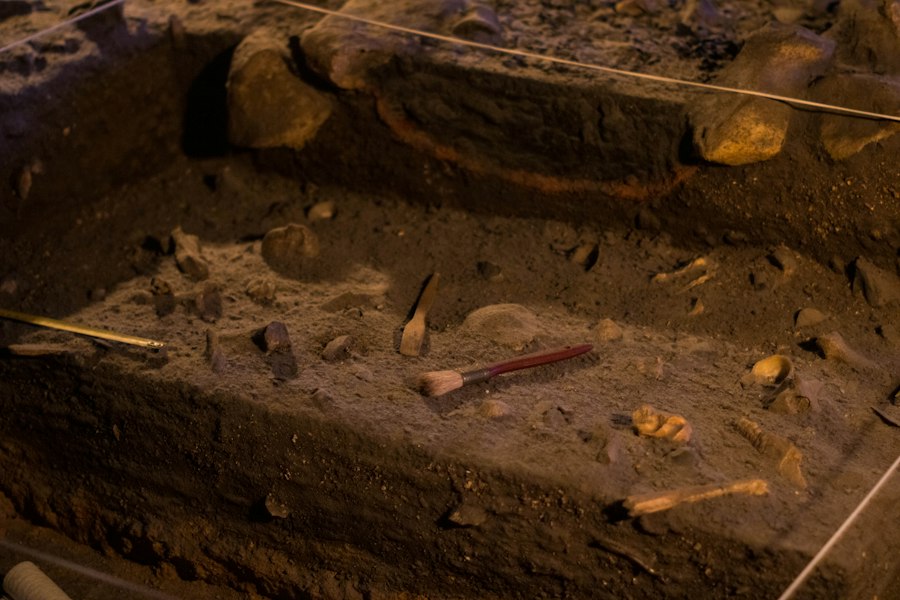
The creation of effective shelter was paramount for survival, protecting against the elements, predators, and extreme temperatures. Ancient peoples, lacking manufactured materials, became master builders using only what the natural environment provided. Their shelters were not only functional but often ingeniously designed to harmonize with their surroundings, showcasing an intimate understanding of climate, topography, and the structural properties of natural materials.
Dwelling in the Earth: Subterranean Sanctuaries
One of the most effective forms of shelter, particularly in regions with extreme temperature fluctuations, was subterranean dwelling. Dugouts, earth lodges, and even natural caves provided excellent insulation, keeping dwellers cool in the summer and warm in the winter. Excavating these structures required knowledge of soil composition, drainage, and the structural integrity of earth. The design often incorporated ventilation shafts to prevent suffocation and to manage smoke from internal fires. These dwellings demonstrate a sophisticated understanding of passive climate control and the utilization of the earth’s thermal mass.
Woodland Architecture: Harnessing Timber and Foliage
In forested environments, ancient peoples expertly utilized wood, branches, leaves, and even mud to construct a variety of shelters. Lean-tos, wigwams, and longhouses were common. The lean-to, a simple structure providing basic protection from wind and rain, could be constructed with minimal effort. Wigwams, conical structures made from flexible poles covered with bark or animal hides, offered more robust shelter. Longhouses, communal dwellings found in many indigenous cultures, were complex constructions of timber and thatch, capable of housing entire communities. The skill lay in selecting appropriate timber, understanding joinery techniques without nails, and effectively layering materials for waterproofing and insulation.
The Art of Insulation: Natural Materials for Comfort
Beyond structural integrity, ancient builders were masters of insulation. They understood how to layer materials to trap air, creating a buffer against heat and cold. This could involve packing dry leaves, grasses, or animal furs into the walls of their shelters. The use of thatch, woven plant materials, for roofing provided excellent insulation and waterproofing. In colder climates, animal hides, meticulously prepared and tanned, were used to create warm, windproof coverings. This practical application of thermodynamic principles, learned through centuries of experience, ensured survival in often harsh environments.
Navigating the Unknown: Ancient Wayfinding and Tracking
The ability to navigate vast distances and to track prey or locate resources was a critical survival skill for ancient peoples. Lacking compasses and maps, they relied on an intimate understanding of the natural world, reading subtle cues that would be invisible to the untrained eye. This knowledge allowed them to traverse landscapes, find their way home, and secure sustenance, demonstrating a profound observational capacity and a deep connection to their environment.
Celestial Cartography: Stars as Guides
The night sky was an ancient roadmap. Early humans observed the predictable movements of celestial bodies – the sun, moon, and stars – to orient themselves. They learned to identify key constellations and their positions relative to the horizon at different times of the year. The North Star, for instance, provided a constant reference point in the Northern Hemisphere. This celestial navigation required meticulous observation, pattern recognition, and the ability to correlate astronomical phenomena with geographical locations. It was a testament to their patience and their ability to extract vital information from the seemingly unchanging expanse above.
Earthly Clues: Reading the Landscape
Beyond the stars, the land itself provided a wealth of navigational information. Ancient peoples learned to read subtle changes in terrain, vegetation patterns, water sources, and animal trails. The flow of water, the direction of prevailing winds, the growth patterns of trees influenced by sunlight, and even the behavior of insects could all offer clues to direction and location. They understood how to interpret geological formations and use them as landmarks. This skill was not about memorizing routes but about understanding the fundamental principles of landscape formation and ecological indicators.
The Silent Language of Tracks: Understanding Animal Movement
Tracking, the art of following animal signs, was a vital skill for hunters and gatherers. It required an exceptional level of observation and inference. Ancient trackers could identify different animal species by their footprints, understanding the gait, weight, and even the mood of the animal. They could discern whether a track was fresh or old, whether the animal was traveling alone or in a group, and whether it was injured or healthy. Beyond footprints, they looked for disturbed vegetation, droppings, and broken twigs, piecing together a narrative of the animal’s journey. This skill demonstrated an acute awareness of animal behavior and an ability to interpret the subtle disturbances they left in their wake.
Survival skills have been passed down through generations, often rooted in the rich tapestry of human history and archaeology. These skills not only reflect the ingenuity of our ancestors but also highlight the importance of preserving traditional knowledge in the face of modern challenges. A fascinating exploration of how ancient practices can inform contemporary survival techniques can be found in a related article that discusses the risks of commercializing orbital space, which emphasizes the need for sustainable practices in all aspects of life. You can read more about this intriguing connection here.
The Legacy of Ingenuity: Lessons for the Modern World
| Survival Skill | Archaeological Evidence | Generational Transmission | Estimated Time Period | Region |
|---|---|---|---|---|
| Fire Making | Charcoal remains, hearths, burnt bones | Oral tradition, hands-on teaching | 1.5 million years ago | East Africa |
| Stone Tool Crafting | Flint tools, cutting implements | Apprenticeship within groups | 2.6 million years ago | Africa, Europe |
| Food Preservation | Storage pits, drying racks | Family and community knowledge | 10,000 years ago | Near East |
| Tracking and Hunting | Animal bones with cut marks, hunting tools | Mentorship and storytelling | 100,000 years ago | Worldwide |
| Water Sourcing | Wells, water storage vessels | Community teaching | 12,000 years ago | Middle East, Africa |
| Plant Identification | Pollen analysis, seed remains | Oral knowledge passed through generations | 50,000 years ago | Global |
The rediscovery and practice of ancient survival skills are more than just a fascinating hobby; they are a potent antidote to the disconnect and complacency that can pervade modern life. These skills cultivate a profound sense of self-reliance, empowering individuals to face challenges with a newfound confidence. They foster a deeper appreciation for the natural world, revealing the intricate web of life and our place within it. Furthermore, the very act of learning and practicing these skills reconnects us to the ingenuity and resilience of our ancestors, reminding us of the fundamental human capacity to adapt and thrive.
Cultivating Self-Reliance and Resilience
In a world where many of our basic needs are met by complex systems, the ability to provide for oneself in a rudimentary fashion is incredibly empowering. Mastering fire-making, for example, instills a sense of accomplishment and independence. Knowing how to identify edible plants or construct a basic shelter can alleviate anxiety about potential disruptions to modern infrastructure. These skills build resilience, not just in the face of physical adversity, but also in our mental fortitude. They teach patience, problem-solving, and the ability to remain calm under pressure, qualities that are invaluable in all aspects of life.
Reconnecting with the Natural World
Perhaps the most profound lesson from ancient survival skills is the re-establishment of a deep connection with nature. When one learns to identify plants, read animal tracks, or understand weather patterns, the natural world transforms from a backdrop into a living, breathing entity full of information and opportunity. This engagement fosters a sense of stewardship and respect for the environment, encouraging a more sustainable way of living. It’s a reminder that we are not separate from nature, but an integral part of it, dependent on its health for our own well-being.
A Philosophy of Simplicity and Resourcefulness
Ancient survival skills offer a powerful counterpoint to consumerism and over-reliance on technology. They highlight the beauty of simplicity and the extraordinary resourcefulness of the human spirit. By learning to utilize what is readily available, to create with our hands, and to depend on our own knowledge and ingenuity, we can develop a more mindful and less materialistically driven existence. This philosophy of living in harmony with our surroundings and valuing practical skills over disposable goods is a timely and essential lesson from our past, guiding us towards a more sustainable and fulfilling future. The echoes of our ancestors’ survival wisdom are not just historical curiosities; they are vital blueprints for navigating the complexities of the modern world with greater wisdom, resilience, and connection.

Life 20,000 Years Ago: The Ultimate Ice Age Fight to Survive
FAQs
What types of survival skills have been passed down through generations in archaeology?
Survival skills passed down through generations in archaeology include hunting techniques, fire-making methods, shelter building, plant identification for food and medicine, and navigation skills.
How have archaeologists discovered evidence of survival skills being passed down through generations?
Archaeologists have discovered evidence of survival skills being passed down through generations through the analysis of artifacts, cave paintings, oral traditions, and the study of ancient tools and structures.
Why is the passing down of survival skills important in archaeology?
The passing down of survival skills is important in archaeology because it provides insights into how ancient societies adapted to their environments, developed technologies, and sustained themselves over time.
What are some examples of survival skills that have been preserved in modern times through generational transmission?
Examples of survival skills that have been preserved in modern times through generational transmission include traditional farming techniques, fishing methods, foraging practices, and knowledge of natural remedies.
How can the study of survival skills passed down through generations in archaeology benefit modern society?
The study of survival skills passed down through generations in archaeology can benefit modern society by offering lessons in resilience, self-sufficiency, and sustainable living practices that can be applied in contemporary contexts, such as emergency preparedness and environmental conservation.