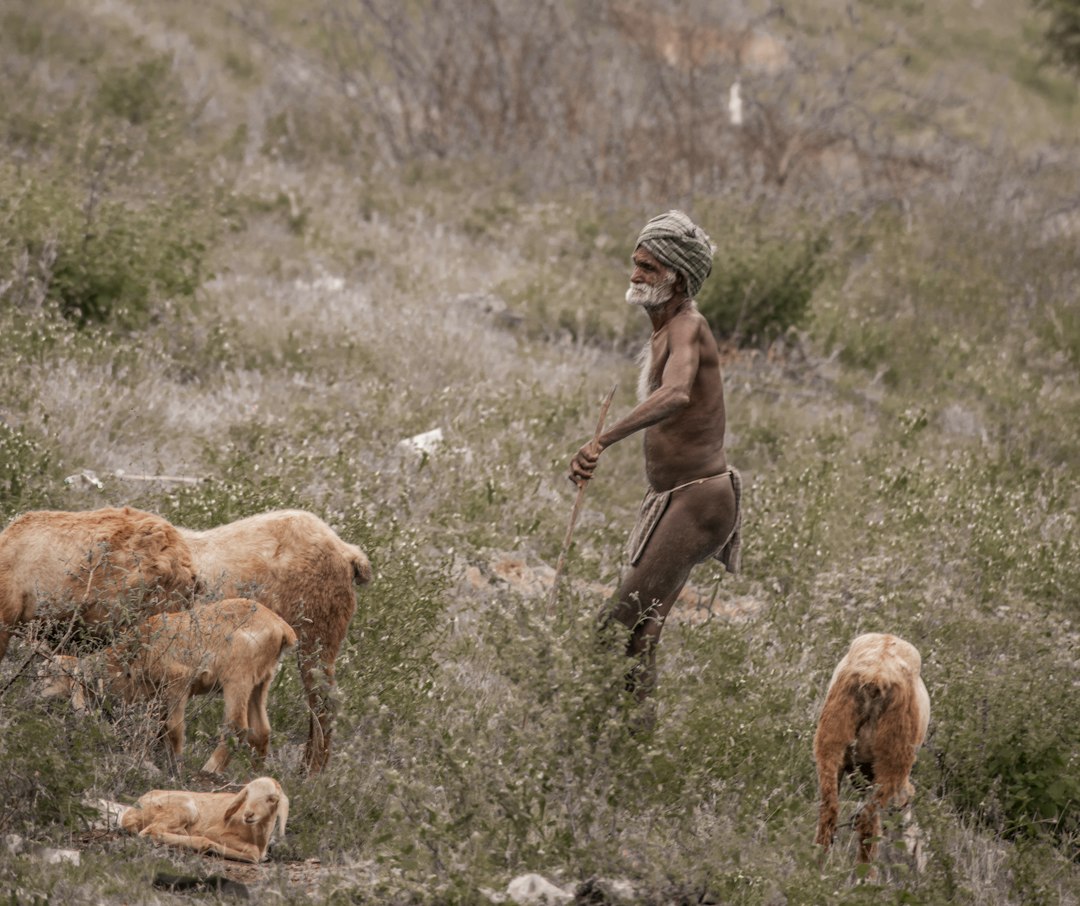
The human-animal bond isn’t just a modern phenomenon. It’s an ancient story, deeply woven into our history, stretching back to the very dawn of humanity. For millennia, humans and animals have shared landscapes, resources, and even their lives, shaping each other in ways we’re still discovering. This isn’t just about survival; it’s about a complex, evolving relationship that provided companionship, assistance, and a profound connection to the natural world.
The Earliest Companions: The Dawn of the Dog
Let’s start with arguably the most iconic partnership: humans and dogs. It’s easy to think of dogs as simply pets, but their history with us is far more profound and much, much older. Recent findings are painting a clearer picture of just how intertwined our destinies have been.
Fifteen Thousand Years in the Making
New research is solidifying the idea that dogs and humans have been on a journey of mutual evolution for at least 15,000 years. This isn’t a static relationship; as humans spread across the globe, adapting to diverse environments, so too did dogs. They didn’t just follow us; they diversified and specialized, becoming essential partners in everything from pulling sleds in icy landscapes to hunting in dense rainforests and even serving in ceremonial capacities. This co-evolution highlights a dynamic partnership, where both species benefited and adapted together.
Origins in Anatolia and Beyond
When we talk about the earliest domestic dogs, central Türkiye (ancient Anatolia) is emerging as a key location. Genetic and archaeological evidence points to some of the very first dogs living alongside humans there over 15,000 years ago. From this region, these early canine companions spread rapidly across prehistoric Europe and into other parts of Eurasia. This clarifies not just when this close cooperation began, but also hints at how it might have started – a crucial part of understanding the initial stages of this enduring bond.
A Paw Print in Time
Imagine walking into a house thousands of years ago and seeing them there – dogs, moving freely. Excavations in western Türkiye have unearthed a tangible reminder of this: dog paw prints preserved in the mudbrick floors of a Bronze Age house, dating back around 4,000 years. These aren’t just abstract lines in dirt; they are vivid snapshots of dogs integrated into the fabric of domestic life. They show dogs were not relegated to the outside; they were truly part of the household, sharing living spaces with their human families.
The exploration of the human-animal bond in prehistoric drama provides fascinating insights into how early humans interacted with their environment and the creatures that inhabited it. This theme is echoed in various studies, including one that delves into the mysteries of ancient civilizations and their connections to the natural world. For a deeper understanding of these relationships, you can read the article on the Piri Reis map theory, which uncovers the lost civilization and its potential implications on our understanding of human history and its ties to animals. You can find the article here: Uncovering the Lost Civilization: Piri Reis Map Theory.
Beyond the Hearth: Humans and the Wild Giants
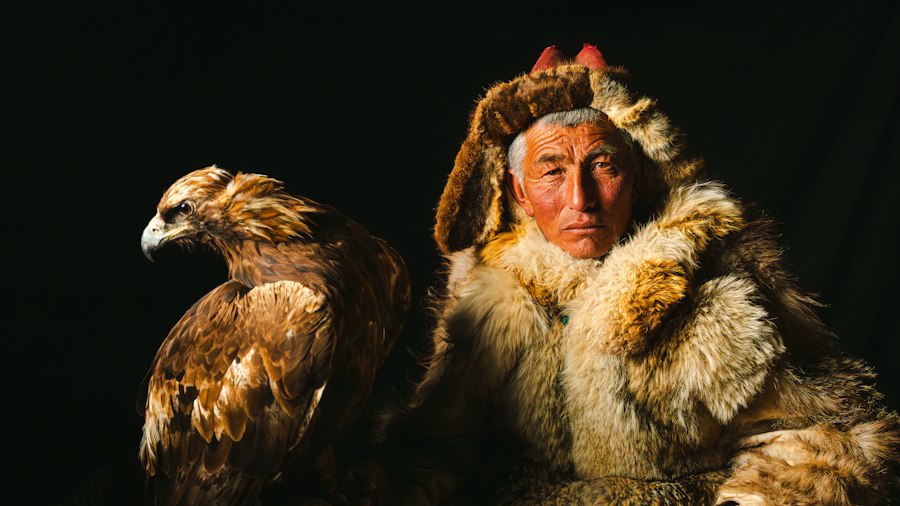
While dogs represent an intimate domestic partnership, the human-animal bond in prehistoric times also involved a far more formidable and sometimes dangerous relationship: our interactions with large, wild mammals. These weren’t about cuddles; they were about survival, resourcefulness, and a deep understanding of the power and importance of these megafauna.
The Mammoth Hunt: A Matter of Survival
The Ice Age was a time of immense challenges, and one of the biggest was interacting with the colossal animals that roamed the earth. Evidence from Bavaria, Germany, shows a woolly mammoth dating back over 25,000 years that bears clear cut marks from human butchery. This is a stark illustration of how early humans depended on these massive creatures for survival. Well before the concept of animal domestication took hold, humans were already skilled at hunting and utilizing megafauna. These interactions were not just about procuring food; they were complex undertakings requiring knowledge, strategy, and bravery. This mastery over large mammals was a fundamental part of the broader prehistoric human-animal “drama,” shaping human development and migration.
Understanding the Prey
Interacting with such large and powerful animals required an intimate understanding of their behavior, their migration patterns, and their physiology. This knowledge, passed down through generations, was crucial for successful hunting. It’s a testament to the observational skills and intelligence of our prehistoric ancestors. They learned to read the landscape, to interpret animal signs, and to strategize in ways that allowed them to bring down prey that far outweighed them in size and strength. This wasn’t brute force alone; it was a sophisticated dance between hunter and hunted, a dramatic illustration of human ingenuity in the face of powerful natural forces.
A Deeper Connection: Evidence of Care and Affection
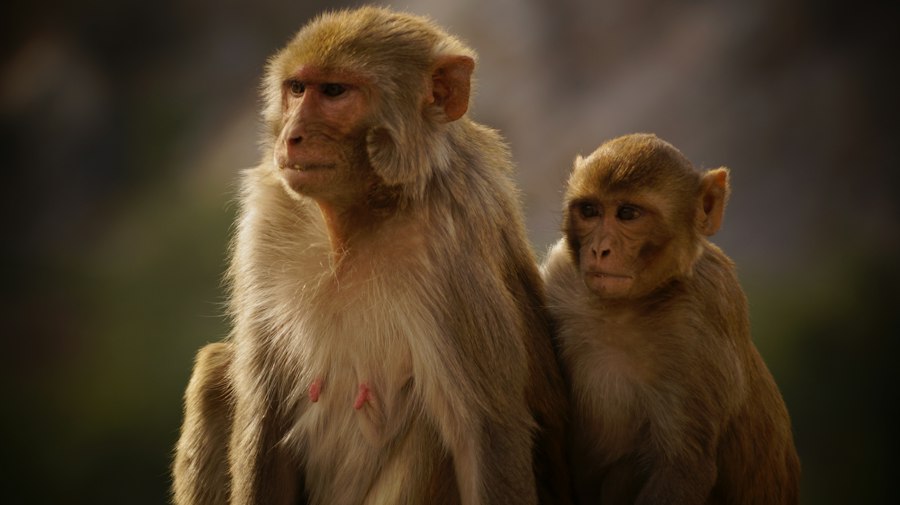
The relationship between humans and animals in prehistoric times wasn’t solely about utility. The way ancient people treated their animal companions, even in death, speaks volumes about the depth of their connections. The evidence suggests that beyond practical benefits, genuine emotional bonds were at play.
Buried Together: A Final Rest
Looking at prehistoric dog graves, some as old as 14,000 years and others from around 7,000 years ago, reveals a fascinating practice: dogs buried alongside humans. In some instances, it appears dogs were deliberately killed to accompany their owners into the afterlife. This suggests a level of significance and affection that transcended the practicalities of life. It implies a relationship so valued that its continuation, or at least its symbolic representation, was deemed important even beyond death.
Caring for the Vulnerable
Skeletal analysis of these ancient dog remains provides even more compelling evidence of emotional bonds. Researchers have identified pathologies, injuries, and signs of old age that indicate humans provided sustained care for these animals. Many of these dogs would not have survived on their own without long-term help, especially if they were injured or elderly and unable to hunt or fend for themselves. This level of care – providing food, shelter, and protection to animals that could no longer contribute practically – strongly suggests a bond rooted in empathy and affection, mirroring the care we extend to family members today. It’s a powerful testament to the enduring nature of compassion.
The Spread of Partnership: Humans and Animals in New Worlds
As human societies expanded, so did their animal companions. This expansion wasn’t just about humans moving; it was about the successful integration of animal partnerships into new and challenging environments. This diffusion of the human-animal bond highlights its adaptability and the fundamental role it played in human success.
Adapting to Diverse Niches
The journey of dogs alongside humans is a prime example of this adaptability. As human groups settled in different geographical locations, they encountered new challenges and opportunities. This led to the development of specialized dog types. Think of the distinct roles dogs played: aiding in hunting in the dense Amazonian rainforest, navigating the extreme conditions as sled dogs in Arctic regions, or accompanying herders in high-altitude terrains. Each specialized role speaks to a finely tuned partnership, where dogs were bred and trained to excel in specific tasks, becoming indispensable to human survival and prosperity in these varied environments.
A Shared Journey Across Continents
The rapid spread of early domestic dogs across Europe and Anatolia, as mentioned earlier, indicates that this partnership was not confined to a single region. It was a successful model that traveled with human migration. This diffusion suggests that the benefits of having dogs – whether for hunting, protection, or companionship – were universally recognized by early human societies. This shared journey across continents solidified the dog’s place as a global companion, a testament to the enduring power and utility of this ancient bond.
The exploration of the human-animal bond in prehistoric drama reveals fascinating insights into early human societies and their relationships with animals. This connection is not only pivotal for understanding survival strategies but also enriches our comprehension of cultural narratives that have persisted through time. For a deeper look into how these dynamics have evolved in contemporary contexts, you might find it interesting to read about the shift in manufacturing practices in the southern United States, which highlights the ongoing interplay between human innovation and the natural world. You can find the article here: shift in manufacturing practices.
The Enduring Legacy: What Prehistory Tells Us
| Title | Year Released | Setting | Main Theme | Human-Animal Bond Portrayed | Critical Reception |
|---|---|---|---|---|---|
| Alpha | 2018 | Ice Age Europe | Survival and companionship | Domestication of a wolf and mutual trust | Generally positive; praised for emotional depth |
| Quest for Fire | 1981 | Prehistoric Africa | Early human survival and discovery | Human interaction with animals for survival | Acclaimed for authenticity and storytelling |
| Clan of the Cave Bear | 1986 | Ice Age Europe | Human relationships and adaptation | Human-animal symbolism and coexistence | Mixed reviews; noted for cultural depiction |
| The Croods | 2013 | Prehistoric Era | Family and exploration | Humorous and affectionate animal companions | Positive; family-friendly and entertaining |
The stories unearthed from our prehistoric past offer a profound understanding of the human-animal bond. It’s a narrative of mutual dependence, of shared evolution, and of deep emotional connections that have shaped both species for millennia.
More Than Just Survival
What emerges from the archaeological and genetic evidence is a picture far richer than simple utility. While animals provided crucial resources and assistance for human survival, the relationship was clearly reciprocal. The care shown to injured or elderly dogs, the deliberate burial practices, and the diversification of dog roles all point towards a bond that encompassed more than just practical needs. It was a relationship built on interdependence, a partnership that fostered a sense of belonging and mutual reliance.
A Foundation for the Future
Understanding these ancient ties provides context for the human-animal relationships we have today. The empathy, the companionship, and the specialized roles we see between humans and animals now have deep roots in our shared evolutionary history. The prehistoric drama of the human-animal bond is not just a tale of the past; it’s a foundational narrative that continues to resonate, reminding us of the enduring and vital connection we share with the animal kingdom. It’s a story that highlights our shared journey on this planet, a partnership that has been essential to our collective story from the very beginning.

Life 20,000 Years Ago | When Your Ice Age Family Can’t Feed the Dog
FAQs
What is the main theme of the prehistoric drama about the human-animal bond?
The main theme of the prehistoric drama revolves around the deep and complex relationships that early humans formed with animals. It explores how these bonds were essential for survival, companionship, and the development of early societies, highlighting the mutual dependence between humans and animals in a prehistoric context.
What types of animals are typically featured in these prehistoric dramas?
Prehistoric dramas often feature a variety of animals that were significant to early human life, such as wolves, mammoths, and horses. These animals are portrayed not only as sources of food and labor but also as companions and symbols of the human-animal bond.
How do these dramas depict the interactions between humans and animals?
The dramas depict interactions through various scenarios, showcasing hunting, domestication, and cooperative behaviors. They illustrate how early humans learned to communicate with animals, understand their behaviors, and form partnerships that benefited both species.
What cultural significance do these stories hold?
These stories hold significant cultural value as they reflect the historical relationship between humans and animals, emphasizing themes of respect, coexistence, and the impact of these bonds on human evolution and culture. They serve as a reminder of the interconnectedness of all living beings.
Are there any archaeological findings that support the themes presented in these dramas?
Yes, archaeological findings, such as cave paintings, tools, and remnants of domesticated animals, support the themes presented in these dramas. Evidence of early hunting practices, animal domestication, and burial sites that include animals indicates the importance of the human-animal bond in prehistoric societies.