
The persistent image of early humans hunched over rocks, chipping away with crude implements, often conjures a vision of brute force and instinct. Yet, closer examination of the artifacts they left behind, and the sheer ingenuity of their creations, whispers a different story. It is a story of incredible visual acuity, a testament to the power of nature’s design and the adaptive brilliance of our ancient ancestors. The remarkable eyesight of ancient toolmakers was not merely an incidental advantage; it was a fundamental pillar supporting their survival, their technological advancement, and ultimately, the trajectory of human evolution. This article delves into the evidence and implications of their extraordinary visual capabilities, exploring how their keen sight shaped their world and the tools that defined it.
The Microscopic World of Stone Tools
The very objects that allow us to glimpse into the lives of ancient toolmakers are also the keys to understanding their visual prowess. Stone tools, from the earliest handaxes to the finely flaked arrowheads, are miniature masterpieces of precision. The creation of these tools was not a random act of percussion. It involved an intimate understanding of lithic fracture mechanics, the ability to recognize specific mineral grains and their inherent weaknesses, and the capacity to execute highly controlled strikes.
Identifying the Triggers of Fracture
The flaking of stone, a process known as knapping, relies on the predictable way certain brittle materials, like flint or obsidian, fracture when subjected to focused force. Ancient toolmakers possessed an intuitive, almost instinctive, understanding of these principles. They could identify the precise spot on a stone core or flake to strike to produce a desired result – a sharp edge, a curved surface, or a specific shape. This required not only a sensitivity to the stone’s texture and internal structure but also the ability to see minute details, the subtle variations in grain and the nearly invisible lines of potential fracture. Imagine trying to predict where a piece of glass will break with a single tap; now imagine doing so with a rock, with immense accuracy, over and over. This level of control points to a visual system capable of discerning incredibly fine distinctions at close range.
The Significance of Microscopic Features
Modern microscopic analysis of stone tools reveals fascinating details. Wear patterns on the edges, residue analysis, and the examination of flake scars all speak to the intentionality behind their creation. Even the earliest Oldowan tools, simple choppers and flakes, demonstrate a deliberate selection of materials and a rudimentary understanding of how to shape them for specific tasks. As technology progressed through the Acheulean period with its bifacial handaxes and the later Mousterian and Upper Paleolithic industries with their specialized blades and points, the demands on the toolmaker’s vision escalated. The ability to perceive and exploit microscopic flaws, to judge the exact angle and force required for the subtlest of retouchments, would have been paramount. The precision required to create a finely serrated edge on a knife or a perfectly balanced projectile point would have been impossible without an exceptional ability to see and manipulate at a very small scale.
The Role of Color and Texture Perception
Beyond mere precision, the ability to differentiate subtle variations in color and texture would have been crucial for selecting the best raw materials. Different types of stone have distinct visual cues that signal their suitability for toolmaking. Some might be too porous, others too brittle, and still others might contain internal flaws that would lead to unpredictable fractures. Ancient toolmakers would have needed to identify these characteristics from a distance, or at least by close examination, distinguishing between cherts, flints, quartzites, and basalts based on their subtle chromatic differences and surface characteristics. This implies a sophisticated color vision and an ability to perceive surface irregularities that would be imperceptible to many modern humans without magnification.
Recent studies have shed light on the remarkable eyesight of ancient toolmakers, suggesting that their visual acuity played a crucial role in the precision of their craftsmanship. This fascinating topic is explored in depth in a related article that discusses the implications of ancient skills on modern technology. For more insights, you can read the article here: Securing the Moon: Lunar Base Defense Strategies and Systems.
A World Perceived in Sharp Detail
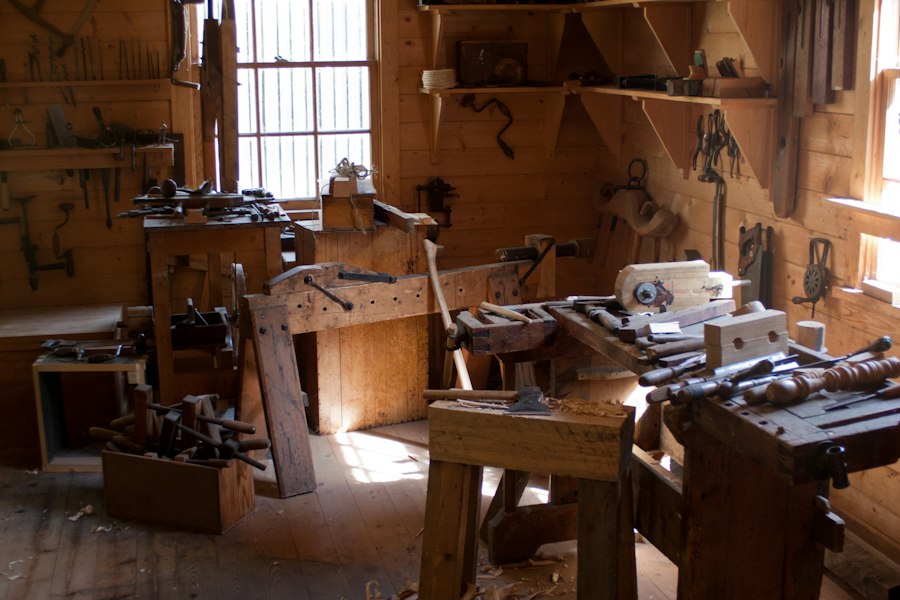
The environment in which ancient toolmakers lived and thrived presented a constant barrage of visual information, much of which was critical for survival. Their remarkable eyesight would have been an invaluable asset in navigating this world, from spotting elusive prey to identifying potential dangers.
The Hunter’s Keen Eye
For hunter-gatherer societies, the ability to locate and track game was a direct determinant of survival and prosperity. This involved recognizing the faint tracks of animals imprinted on the ground, discerning the subtle movements of distant creatures against a varied landscape, and judging the trajectory and speed of fleeing prey. The visual acuity required for successful hunting would have extended to recognizing species by their coloration and patterns, differentiating between edible and poisonous plants, and understanding the nuances of animal behavior, often observed from a considerable distance. The ability to spot a herd of deer on a savanna or a fish in a clear stream would have depended on a visual system honed by evolutionary pressures.
Navigating the Landscape
Beyond hunting, daily life demanded a keen awareness of the surrounding environment. Identifying safe routes through dense forests, recognizing landmarks for navigation, and assessing the quality of water sources would all have relied heavily on visual perception. The ability to see fine details in the terrain, to judge distances accurately, and to perceive subtle changes in light and shadow would have been essential for safe and efficient movement across vast territories. This could include spotting potential shelters, recognizing hazards like unstable cliffs or predatory animals lurking in the undergrowth, and understanding the nuances of weather patterns indicated by cloud formations or the movement of the sun and stars.
Identifying Edible Resources
The identification and selection of edible plants and fungi would have also been a critical function of their visual capabilities. Differentiating between nutritious berries and poisonous look-alikes, recognizing the ripeness of fruits, and locating medicinal plants would have required a sharp eye for detail and a sophisticated understanding of visual cues. The subtle variations in color, shape, and texture that signal edibility would have been readily apparent to those with superior vision. This was not simply a matter of recognizing a known plant; it involved an ongoing process of observation and learning, driven by the need to acquire sustenance in a complex ecological web.
The Evolutionary Advantage of Superior Vision

The development of toolmaking and the increasing complexity of human societies are inextricably linked to the evolution of our visual system. The selective pressures favoring individuals with sharper vision would have been immense, leading to a gradual refinement of their ocular capabilities over millennia.
Natural Selection and Visual Acuity
It is highly probable that natural selection played a significant role in shaping the eyesight of our ancient ancestors. Individuals who could see better – spot prey more effectively, avoid predators more readily, and identify essential resources more accurately – were more likely to survive and reproduce. This advantage would have been passed down through generations, gradually leading to an improvement in visual acuity within the population. Imagine a scenario where two individuals are competing for the same limited resources. The one who can spot a ripe fruit cluster from further away or notice a camouflaged rabbit before it flees has a distinct advantage. This advantage, replicated over countless generations, would have driven the evolution of sharper vision.
The Brain-Eye Connection
The evolution of advanced cognitive abilities in humans is also closely tied to the development of our visual system. The brain regions responsible for processing visual information are highly developed in humans, reflecting the importance of sight in our evolutionary history. The intricate dance between the eyes and the brain, allowing for the rapid interpretation of complex visual stimuli, was essential for the development of sophisticated behaviors, including toolmaking and social cooperation. The ability to process detailed visual information quickly and accurately would have facilitated learning, problem-solving, and the development of complex communication.
The Co-evolution of Tools and Vision
The very act of creating and using tools would have, in turn, exerted selective pressure on visual capabilities. As tools became more refined and required greater precision, individuals with even better eyesight would have been more adept at their creation and use. This created a feedback loop, where improved vision facilitated better toolmaking, and the development of better tools, in turn, favored individuals with superior visual acuity. This co-evolutionary process is a hallmark of human adaptation, demonstrating how our biological and technological trajectories are deeply intertwined. The development of finely flaked tools for hunting or processing food would have demanded a visual system capable of discerning the subtle changes in shape and edge quality needed to optimize their function.
Reconstructing the Visual World of Ancient Artisans
While direct measurement of the eyesight of ancient toolmakers is impossible, scientific inquiry provides compelling indirect evidence of their remarkable visual capabilities. From the analysis of their artifacts to understanding the biological limitations of our own eyes, a picture begins to emerge.
Analyzing Wear Patterns and Micro-Retouching
The study of wear patterns on stone tools can reveal how they were used and, by extension, the precision required in their manufacture. Microscopic analysis of the edges of tools can show evidence of fine retouching, a process of carefully flaking off tiny pieces of stone to create or maintain a sharp edge. This process demands an extremely precise application of force and an ability to see the resulting changes at a very small scale. The intentionality behind these micro-retouching flakes speaks volumes about the toolmaker’s visual control and their ability to perceive and correct minute imperfections.
Comparing with Modern Visual Standards
Understanding the limits of modern human vision can also provide a baseline for appreciating the capabilities of our ancestors. While many modern humans rely on corrective lenses, the uncorrected vision of our ancestors may have been significantly sharper. The average visual acuity of humans has been a subject of scientific study, and while there is variation, the selective pressures of the past likely favored individuals at the higher end of the spectrum. Considering the visual demands of their environment and technology, it is reasonable to infer that their “normal” was significantly more acute than our modern average.
The Paleontological Record and Eye Socket Morphology
While fossilized eyes are exceedingly rare, the morphology of fossilized skull sockets can offer clues about the size and structure of ancient eyes. Larger orbits might suggest larger eyes, which could potentially gather more light and perceive finer details. Although this is an indirect line of evidence and subject to interpretation, it adds another layer to the scientific investigation into the visual capabilities of our ancient relatives. The size and shape of the orbital opening in a fossil skull can provide some insights into the overall visual apparatus of the individual.
Recent studies into the eyesight of ancient toolmakers have revealed fascinating insights into how their vision may have influenced their craftsmanship. Understanding the visual capabilities of these early artisans can shed light on the precision and skill involved in their work. For those interested in exploring more about ancient builders and their techniques, you can read a related article that delves into the secrets of their construction methods by following this link: ancient builders’ secrets.
The Legacy of Their Keen Sight
| Metric | Value | Unit | Notes |
|---|---|---|---|
| Visual Acuity | 20/20 to 20/40 | Snellen | Estimated range based on tool precision and wear patterns |
| Color Perception | Normal | Qualitative | Assumed similar to modern humans for material selection |
| Depth Perception | High | Qualitative | Necessary for accurate flint knapping and tool shaping |
| Near Vision Range | 15-30 | cm | Estimated working distance for detailed tool crafting |
| Light Sensitivity | Moderate | Qualitative | Adapted to outdoor daylight conditions |
The remarkable eyesight of ancient toolmakers was not simply a biological quirk; it was a foundational element that underpinned their success as a species. Their ability to perceive and interact with their world in such exquisite detail allowed them to develop sophisticated technologies, navigate complex environments, and ultimately, lay the groundwork for the future of humanity.
Technological Prowess and Innovation
The development of increasingly complex and specialized tools, from the sharp blades of the Upper Paleolithic to the meticulously crafted projectile points, is a direct reflection of their advanced visual capabilities. These tools enabled them to hunt more effectively, process food more efficiently, and create more sophisticated shelters and clothing. Without their keen sight, the trajectory of technological innovation would have been vastly different, if not entirely stalled. The intricate carvings and art found in ancient sites also speak to a highly developed aesthetic sense and a remarkable ability to translate visual ideas into tangible forms.
The Foundation for Cognitive Development
The intricate relationship between vision and cognition cannot be overstated. The processing of complex visual information is fundamental to learning, problem-solving, and the development of abstract thought. The enhanced visual acuity of ancient toolmakers likely contributed to their growing cognitive abilities, paving the way for the development of language, culture, and eventually, the complex societies we see today. The ability to observe, analyze, and recall detailed visual information was a critical precursor to the development of more complex cognitive functions.
A Silent Testament to Adaptation
In the end, the legacy of the ancient toolmakers’ remarkable eyesight is etched not only in the stone artifacts they left behind but also in the very fabric of our own biology. It is a silent testament to the power of adaptation, the intricate interplay between environment and evolution, and the profound impact that seemingly subtle biological traits can have on the grand narrative of human history. Their vision, so finely tuned to the demands of their world, was a crucial ingredient in the recipe for our species’ enduring success.

Did This Ancient Crystal Help People See?
FAQs
What is the significance of studying the eyesight of ancient toolmakers?
Understanding the eyesight of ancient toolmakers can provide insights into their daily lives, activities, and the tools they created. It can also shed light on the evolution of human vision and technological advancements.
How do researchers study the eyesight of ancient toolmakers?
Researchers study the eyesight of ancient toolmakers by analyzing the wear patterns on their tools, examining the tools under microscopes, and conducting experiments to replicate the conditions under which the tools were used.
What have researchers discovered about the eyesight of ancient toolmakers?
Researchers have discovered that ancient toolmakers had highly specialized vision that allowed them to create intricate tools with precision. They also found evidence of long-term use of tools leading to specific wear patterns that indicate the type of work performed.
How did the eyesight of ancient toolmakers compare to modern humans?
The eyesight of ancient toolmakers was likely adapted to their specific tasks and environments, which may have differed from modern humans. However, their ability to create complex tools suggests a high level of visual acuity and skill.
What implications does the study of ancient toolmakers’ eyesight have for modern technology?
Studying the eyesight of ancient toolmakers can inspire advancements in modern technology, such as the development of tools and equipment that are tailored to specific visual capabilities. It can also provide valuable insights into the evolution of human vision and its impact on technological progress.