The Unseen Artisans: Reindeer Bone as a Cornerstone of Prehistoric Survival
The story of human innovation is etched not just in stone, but in bone, particularly the resilient and versatile bones of the reindeer. For millennia, these ancient tools, meticulously crafted from the skeletal remains of these iconic Arctic ungulates, offer a tangible and poignant glimpse into the ingenuity, resourcefulness, and daily lives of prehistoric peoples. Far from being mere utilitarian objects, these bone implements were vital for survival, enabling the acquisition of food, the creation of shelter, and the very continuation of communities in challenging environments. The humble reindeer, through its anatomical offerings, became an indispensable partner to early humans, providing not only sustenance but also the raw material for a sophisticated toolkit that allowed them to thrive.
The widespread presence of reindeer across vast swathes of the Northern Hemisphere, from the frozen tundras of Siberia to the sub-Arctic forests of North America, meant that these animals were a readily available resource for many prehistoric populations. Their migratory patterns, their abundance, and their consistent availability throughout the year made them an ideal target for hunting. However, the relationship between humans and reindeer extended far beyond the consumption of their meat and hides. It was in the careful and purposeful utilization of their bones that the true depth of prehistoric understanding and skill is revealed. These were not crude, discarded fragments, but carefully selected and expertly worked pieces, transformed into tools that addressed specific needs with remarkable efficiency.
Recent discoveries of ancient tools made from reindeer bone have shed light on the ingenuity of prehistoric cultures in adapting to their environments. These artifacts not only highlight the resourcefulness of early humans but also provide valuable insights into their daily lives and survival strategies. For a fascinating exploration of ancient civilizations and their adaptations, you can read more in the article about the lost continent of Antarctica, which discusses how ancient peoples may have interacted with their surroundings in unexpected ways. Check it out here: The Lost Continent of Antarctica Theory.
The Hunter’s Arsenal: Bone Tools for the Chase
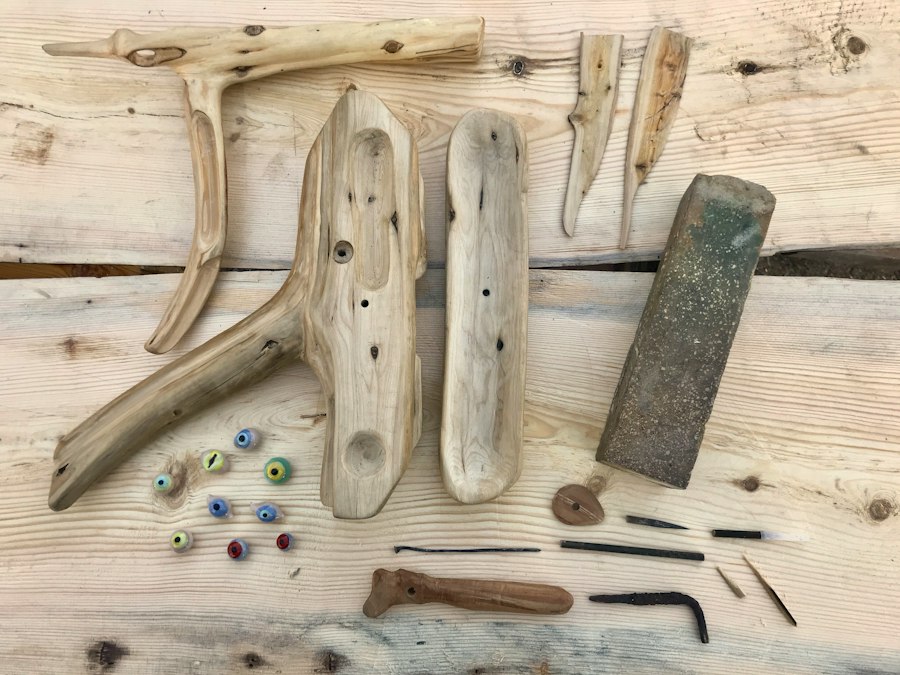
The ability to successfully hunt reindeer was paramount for the survival of many prehistoric communities. The tools employed in this endeavor were diverse, and reindeer bone played a crucial role in their construction. The powerful limbs and robust skull of the reindeer provided raw materials for implements that enhanced the hunter’s reach, accuracy, and effectiveness. The development and refinement of these tools were iterative processes, driven by generations of experience and observation, leading to specialized designs that optimized performance in the harsh realities of the hunt.
Spearheads and Projectile Points: Extending the Reach of the Hunter
Perhaps the most direct application of reindeer bone in hunting was the creation of spearheads and projectile points. The long bones, particularly the femurs and tibias, could be shaped into sharp, durable points. These were then hafted onto wooden shafts, transforming a simple stick into a lethal weapon capable of bringing down large prey from a distance. The natural hardness and density of reindeer bone made it an excellent material for this purpose, offering a superior alternative to flaked stone in certain contexts, especially where suitable lithic materials were scarce or difficult to work.
The process of creating these points involved considerable skill. Hunters would select suitable bone fragments, often the thicker, more robust sections. These were then meticulously shaped using abrasion with rough stones, scraping with sharp lithic flakes, and sometimes even through controlled heating to aid in carving. The resulting points could be simple conical shapes or more complex, barbed designs, intended to inflict maximum damage and prevent the prey from escaping. The size and shape of these points would often vary depending on the intended quarry and the hunting strategy. Smaller, sharper points might be used for smaller game, while larger, stouter points were designed for the formidable strength of adult reindeer. Evidence of wear patterns on these bone points further illuminates their use, showing signs of impact and abrasion consistent with striking bone and flesh.
Harpoons and Fishing Implements: Exploiting Aquatic Resources
While reindeer are primarily land animals, their proximity to rivers, lakes, and coastal areas also meant that prehistoric peoples utilizing reindeer bone were often engaged in fishing. Reindeer bone was adeptly adapted for this purpose as well. The flexibility and strength of certain bones, particularly those from the limbs and ribs, lent themselves to the creation of barbed harpoon heads. These harpoons, often attached to long lines made from sinew or other fibers, were incredibly effective for spearing fish and other aquatic creatures. The barbs were essential, ensuring that once the harpoon penetrated its target, it would remain lodged, preventing escape.
The creation of fishing tools from reindeer bone was a testament to the adaptability of prehistoric toolmakers. They understood the specific needs of aquatic hunting and selected bone elements that possessed the appropriate properties. For instance, the curved nature of some ribs could be utilized to fashion hooks, while smaller, sharpened bone fragments could serve as gorges – small, double-pointed pieces of bone that, when baited, would lodge themselves in the throat of a fish. These were ingenious solutions that maximized the potential of their environment and their available resources. The presence of these bone fishing tools alongside reindeer hunting implements underscores the holistic nature of prehistoric subsistence strategies, where every available resource was carefully considered and integrated into a multifaceted approach to survival.
Domestic Life and Craftsmanship: Bone Tools for Daily Sustenance
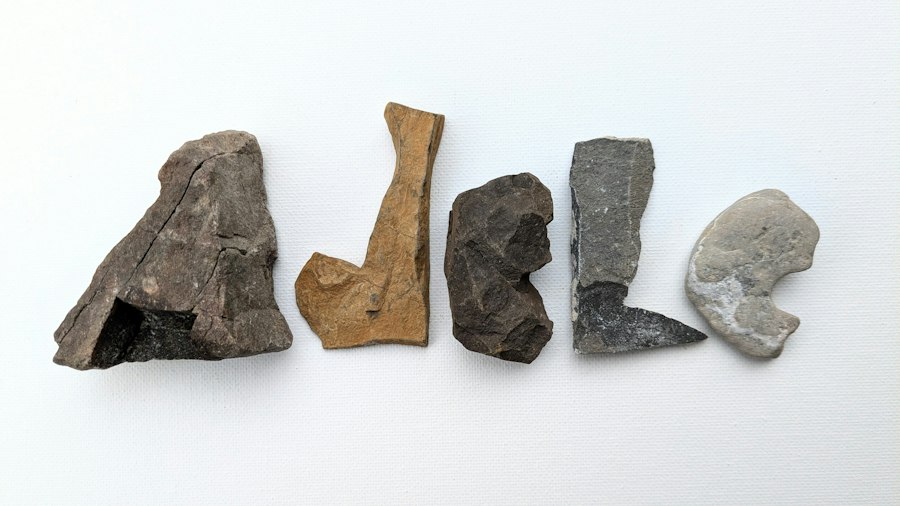
Beyond the immediate thrill of the hunt, reindeer bone was indispensable for the myriad tasks of daily life that sustained prehistoric communities. From preparing food to crafting clothing and maintaining shelter, these bone tools were silent but crucial witnesses to the everyday routines and domestic economies of our ancestors. Their durability and ease of shaping made them ideal for a wide range of applications, reflecting a deep understanding of material properties and functional design.
Knives and Scrapers: Processing Food and Hides
The processing of hunted game was a critical step, and reindeer bone provided excellent material for the tools required. Long bones could be sectioned and sharpened to create effective knives for butchering meat, separating flesh from bone, and cleaning hides. These bone knives, while perhaps not as sharp as finely flaked stone blades, offered a distinct advantage in their durability, especially when dealing with tough sinews or gristle. They were also less prone to shattering than some stone tools, making them more reliable in the demanding conditions of a butchery operation.
Scrapers made from reindeer bone were equally important. These tools, often fashioned from the flatter, broader sections of bone, or from the scapulae (shoulder blades), were essential for preparing animal hides. The process of tanning and preparing hides for clothing, shelter, and other uses involved removing residual flesh and fat, a task perfectly suited for the scraping action of a well-made bone implement. The edges of these scrapers would be carefully shaped and maintained through regular resharpening and abrasion. The subtle wear patterns visible on these bone scrapers speak volumes about the repetitive and essential nature of these domestic tasks, highlighting the central role they played in the material culture of these communities.
Awls and Needles: The Art of Prehistoric Sewing
The creation of clothing, bags, and other flexible items from animal hides and furs was a vital aspect of prehistoric life, particularly in colder climates. Reindeer bone was the primary material for the essential tools that made this possible: awls and needles. Awls, made from sharpened bone splinters, were used to pierce small holes in hides, creating anchor points for stitching. The pointed tip of an awl could be driven through tough leather with considerable force, preparing the material for the needle.
Bone needles, meticulously crafted from slender bone fragments or even bird bones, were incredibly fine and often featured an eye for threading. The creation of these tiny, functional needles demonstrates an astonishing level of dexterity and patience. Imagine the focus required to drill a small hole through a piece of bone, thin enough to pass a sinew or fiber through, yet strong enough to withstand the repeated passage of thread. These small but vital tools allowed for the assembly of complex garments and essential items, providing protection from the elements and contributing to the overall comfort and survival of the community. The discovery of bone needles often occurs alongside evidence of habitation, suggesting that sewing and crafting were integral parts of the domestic sphere, carried out within the safety and warmth of shelters.
Innovation in Shelter and Infrastructure: Reindeer Bone Beyond the Hearth
The utility of reindeer bone extended beyond the immediate needs of hunting and food preparation. Its strength and availability made it a valuable component in the construction and maintenance of shelters, and in the creation of more complex tools that facilitated communal living and resource management. These applications reveal a sophisticated understanding of structural principles and a commitment to building a more stable and enduring way of life.
Structural Elements and Fastenings: Building for the Future
In some prehistoric contexts, larger bones from reindeer, such as leg bones or ribs, could be incorporated into the framework of shelters. While wood was likely the primary material for many structures, bone could be used for reinforcing joints, creating anchors, or even as rudimentary posts in smaller constructions. The inherent strength of reindeer bone made it a suitable substitute or complement to wood in situations where the latter might be less available or more difficult to work.
Furthermore, bone was crucial for creating fastenings and connectors. Large, flat bone sections could be drilled with holes and used as plates or connectors to join wooden beams or other structural elements. The natural strength and resistance to decay of bone, especially compared to some organic materials, would have made these fastenings particularly durable. The discovery of such integrated bone elements within the remnants of ancient dwellings provides tangible evidence of how these materials were systematically employed in the construction of more permanent or semi-permanent settlements, hinting at a more settled and organized lifestyle for these prehistoric peoples.
Tool Handles and Other Specialized Implements: Refining the Craft
The transformation of other materials into effective tools often required a comfortable and durable handle. Reindeer bone was an ideal material for this purpose. The curved sections of long bones or the flatter surfaces of scapulae could be shaped into ergonomically designed handles for stone axes, adzes, and other tools. These bone handles provided a secure grip, absorbed shock, and protected the user’s hand from abrasion.
Beyond handles, reindeer bone was also utilized for a variety of more specialized implements. Bone spatulas were used for mixing, spreading, and potentially even as rudimentary cooking utensils. Bone polishers or burnishers were employed to smooth and finish wooden or bone artifacts, enhancing their aesthetic appeal and functionality. The sheer diversity of these specialized tools underscores the deep integration of reindeer bone into the fabric of prehistoric life, demonstrating how every available anatomical part was creatively and purposefully repurposed to meet the evolving needs of human society.
Recent discoveries have shed light on the use of ancient tools made from reindeer bone, showcasing the ingenuity of early humans in adapting to their environment. These tools not only highlight the resourcefulness of our ancestors but also provide valuable insights into their daily lives and survival strategies. For a deeper understanding of how these artifacts fit into the broader narrative of human history, you can explore a related article that delves into the mysteries of our past by visiting this link.
The Echoes of Ancestors: Understanding Prehistoric Societies Through Bone Tools
| Tool Type | Estimated Age (Years) | Region Found | Material | Primary Use | Length (cm) |
|---|---|---|---|---|---|
| Harpoon Point | 12,000 | Scandinavia | Reindeer Bone | Fishing and Hunting | 15 |
| Needle | 10,500 | Siberia | Reindeer Bone | Sewing Hides | 7 |
| Scraper | 11,000 | Alps | Reindeer Bone | Hide Processing | 10 |
| Arrowhead | 9,500 | Eastern Europe | Reindeer Bone | Hunting | 5 |
| Awl | 10,000 | British Isles | Reindeer Bone | Leatherworking | 8 |
The study of reindeer bone tools is not merely an academic exercise in cataloging ancient artifacts. It is a profound journey into the minds and lives of our prehistoric ancestors. Each carved bone, each worn edge, tells a story of daily struggles, of ingenuity, of community, and of the deep, reciprocal relationship that existed between humans and the natural world. By analyzing these tools, archaeologists and anthropologists can reconstruct aspects of prehistoric societies that would otherwise remain lost to time.
Reconstructing Subsistence Strategies and Diet
The types of reindeer bone tools found at archaeological sites provide direct insights into how these communities obtained their food. The presence of spearheads and projectile points indicates hunting, while fishing implements suggest reliance on aquatic resources. The condition of the bone itself, the presence of gnaw marks, and associated faunal remains help archaeologists understand which parts of the reindeer were consumed and how they were processed. This, in turn, allows for a more accurate reconstruction of their diet and the overall subsistence strategies employed.
The presence of specialized tools for processing hides, such as scrapers, further illuminates the importance of animal products beyond just meat. It suggests a sophisticated understanding of how to utilize every part of the animal for clothing, shelter, and other essential needs. The distribution of these tools across different sites can also reveal trade networks and the extent of interaction between different prehistoric groups.
Tracing Technological Advancement and Cultural Exchange
The evolution of reindeer bone tool technology over time offers a fascinating chronicle of human innovation. Changes in the design, complexity, and manufacturing techniques of these tools can be tracked, revealing periods of rapid advancement or technological stagnation. The standardization of certain tool types across different regions can also provide evidence of cultural diffusion and exchange, suggesting that ideas and techniques were shared between distant communities.
For example, the adoption of specific hafting techniques or the development of new methods for shaping bone could indicate the transmission of knowledge from one group to another. The presence of non-local bone materials at a site might also suggest trade or long-distance travel. By meticulously studying these artifacts, researchers can paint a richer picture of the technological landscape of the past and the dynamic interactions that shaped prehistoric societies.
Unveiling Social Organization and Daily Life
The very existence and diversity of bone tools provide clues about the social organization of prehistoric communities. The division of labor, for instance, might be inferred from the specialization of certain tools and their distribution within a living area. The presence of finely crafted personal adornments made from bone, such as beads or pendants, suggests a concern with aesthetics and social status.
Moreover, the context in which these tools are found – within dwellings, near hearths, or in specialized activity areas – helps reconstruct the daily routines and domestic lives of these ancient peoples. The wear patterns on tools can indicate repetitive tasks and the skills required to perform them, offering a tangible connection to the individuals who used them. In essence, these humble reindeer bone tools are not just artifacts; they are windows into the hearts and minds of our distant ancestors, allowing us to connect with their struggles, their triumphs, and their enduring legacy.

Life 20,000 Years Ago: How Humans Survived the Ice Age
FAQs
1. What types of tools were commonly made from reindeer bone in ancient times?
Ancient people commonly made tools such as needles, awls, harpoons, and even small knives from reindeer bone due to its strength and durability.
2. How did ancient people shape reindeer bone into tools?
Ancient people used various techniques such as grinding, sawing, and drilling to shape reindeer bone into tools. They often used other stones or metals as tools to work on the bone.
3. Where have ancient tools made from reindeer bone been discovered?
Ancient tools made from reindeer bone have been discovered in various archaeological sites around the world, including Europe, Asia, and North America.
4. Why did ancient people prefer reindeer bone for making tools?
Ancient people preferred reindeer bone for making tools because it is lightweight, yet strong and durable. It was readily available and easy to work with using primitive tools.
5. What can the study of ancient tools made from reindeer bone tell us about ancient societies?
The study of ancient tools made from reindeer bone can provide insights into the technological advancements, hunting practices, and daily life of ancient societies. It can also shed light on trade networks and cultural exchanges between different groups.